Creatine has long occupied a central position in the landscape of sports nutrition, serving as a cornerstone for athletes and fitness enthusiasts aiming to enhance physical performance, strength, and muscle mass. However, recent scientific inquiries are shifting the narrative, moving beyond the confines of the weight room to explore the compound’s profound implications for neurological health, cellular longevity, and systemic metabolic function. Dr. Mehdi Boroujerdi, a distinguished pharmaceutical researcher and former professor, has recently provided a comprehensive synthesis of these developments in his contribution to the Handbook of Creatine and Creatinine In Vivo Kinetics. His research underscores a pivotal transition: creatine is increasingly being viewed not merely as a performance enhancer, but as a potential therapeutic agent with the capacity to address a spectrum of clinical conditions.
The Biochemistry of Cellular Energy and the Creatine Pathway
At its fundamental level, creatine is a nitrogenous organic acid that plays a vital role in facilitating energy metabolism. While many associate it solely with external supplementation, the human body maintains an endogenous production system. This synthesis occurs primarily in the liver, kidneys, and to a lesser extent, the pancreas. The process utilizes three specific amino acids: glycine, arginine, and methionine. Once synthesized, creatine is released into the bloodstream and transported to tissues with high metabolic demands.
The distribution of creatine within the body is highly specialized. Approximately 95% of total creatine stores are located within skeletal muscle, where it serves as a rapid-response energy reserve. The remaining 5% is distributed among the brain, heart, and testes. Within these cells, creatine undergoes a phosphorylation process, catalyzed by the enzyme creatine kinase, to become phosphocreatine (PCr). This molecule acts as a high-energy phosphate donor, which is critical for the regeneration of adenosine triphosphate (ATP).
ATP is the primary "energy currency" of the cell. During high-intensity physical activity or periods of acute metabolic stress, ATP is rapidly depleted as it loses a phosphate group to become adenosine diphosphate (ADP). Phosphocreatine steps in to donate its phosphate group back to ADP, thereby regenerating ATP almost instantaneously. This cycle allows for the maintenance of cellular function during the initial seconds of intense exertion. As the energy is utilized, creatine eventually degrades into creatinine—a metabolic waste product. This byproduct is filtered by the kidneys and excreted via urine, making creatinine levels a standard clinical marker for renal function.
A Historical Chronology: From Discovery to Modern Clinical Interest
The scientific journey of creatine spans nearly two centuries, evolving from a laboratory curiosity to a multi-billion-dollar industry and a focus of clinical trials.
- 1832 – Discovery: French philosopher and scientist Michel Eugène Chevreul first identified creatine as a constituent of skeletal muscle, naming it after the Greek word for flesh, kreas.
- Early 20th Century: Researchers in the 1910s and 1920s discovered that ingesting creatine could significantly increase the creatine content of the muscle, suggesting the potential for supplementation.
- The 1992 Barcelona Olympics: This marked the "mainstream" debut of creatine. Following reports that gold medalists, including sprinters Linford Christie and Sally Gunnell, utilized creatine for training, public interest surged.
- The Late 1990s to 2010s: Creatine monohydrate became the most researched supplement in history. Thousands of studies confirmed its efficacy for power, strength, and muscle hypertrophy, while also establishing its safety profile.
- 2020 and Beyond: The focus has shifted toward the "Creatine-Brain Axis." Research is now heavily weighted toward its neuroprotective properties and its role in treating sarcopenia (age-related muscle loss) and various metabolic disorders.
Dr. Boroujerdi’s recent review acts as a modern anchor in this timeline, consolidating decades of pharmacokinetic data to propose a future where creatine is integrated into formal medical protocols.
Athletic Performance and the Pharmacokinetics of Supplementation
The most well-documented benefit of creatine remains its impact on physical performance. Creatine monohydrate, the most stable and bioavailable form of the supplement, has been shown to increase intramuscular phosphocreatine levels by 10% to 40%. This increase translates directly into improved performance in short-duration, high-intensity tasks such as sprinting, weightlifting, and jumping.
To achieve these saturated levels, Dr. Boroujerdi discusses the "loading phase" methodology. This involves consuming approximately 20 grams of creatine per day—typically split into four 5-gram doses—for a period of five to seven days. Following this, a maintenance dose of 3 to 5 grams per day is sufficient to keep stores at their peak. Dr. Boroujerdi notes, however, that while loading is faster, a consistent daily dose of 3 to 5 grams will reach the same saturation levels within about 28 days, offering a more gradual alternative for those sensitive to higher doses.
A critical factor in the efficacy of creatine is its bioavailability. Research indicates that the co-ingestion of creatine with carbohydrates or a combination of carbohydrates and protein can enhance its uptake. This is largely due to the insulin-mediated stimulation of the sodium-potassium pump, which helps transport creatine across the muscle cell membrane. Despite the internet-driven myths surrounding "new and improved" versions of creatine, such as creatine ethyl ester or buffered creatine, Dr. Boroujerdi and the broader scientific community maintain that creatine monohydrate remains the gold standard for both absorption and cost-effectiveness.
Neurological Implications and Cognitive Enhancement
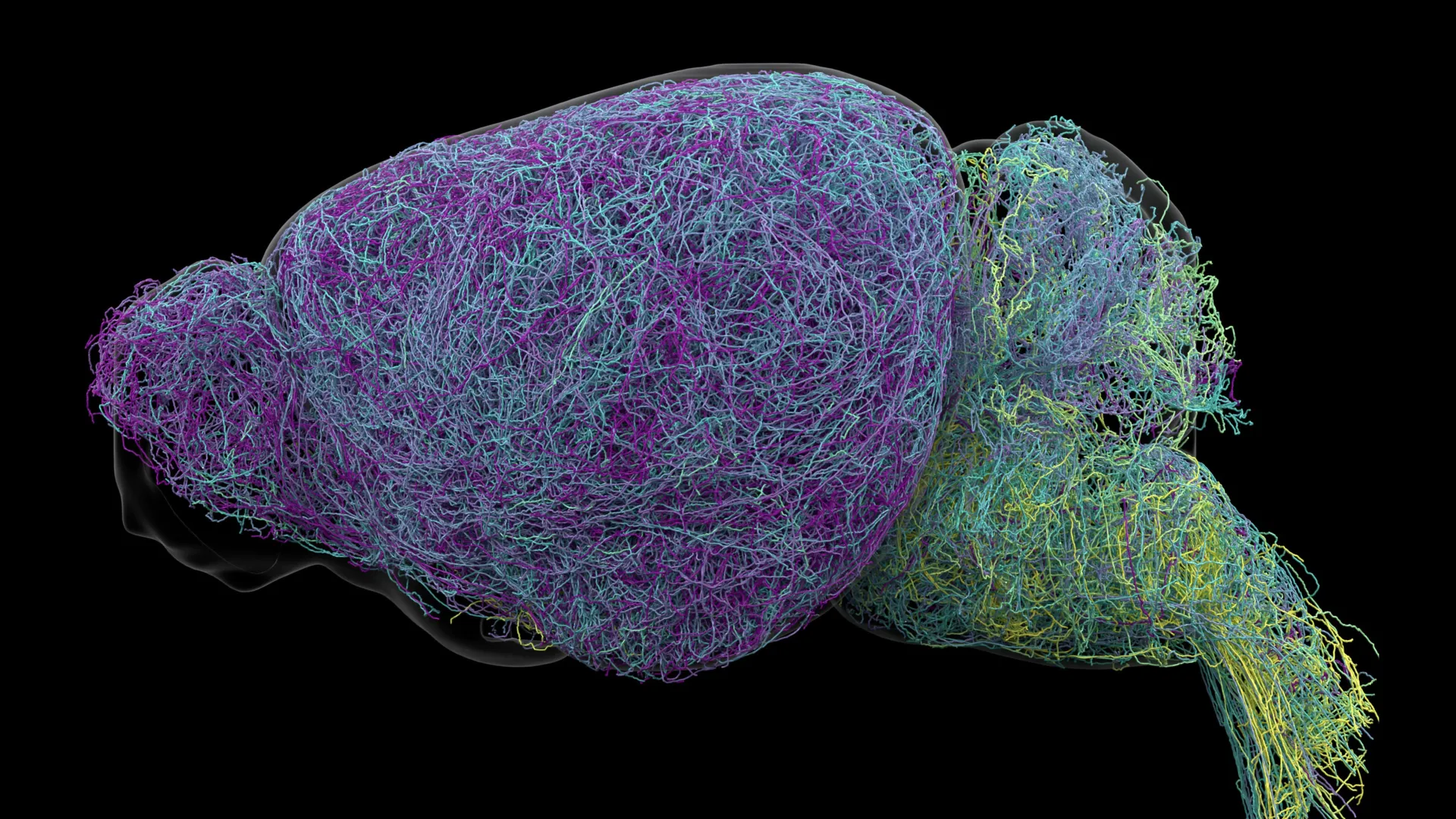
One of the most exciting frontiers in creatine research is its effect on the central nervous system. The brain is an incredibly energy-intensive organ, accounting for about 20% of the body’s total energy consumption despite making up only 2% of its mass. Like muscle, the brain utilizes the creatine-phosphocreatine system to maintain ATP levels during demanding cognitive tasks.
Emerging data suggests that creatine supplementation can improve short-term memory and reasoning skills, particularly in individuals under stress or those suffering from sleep deprivation. Furthermore, Dr. Boroujerdi highlights the compound’s potential in clinical neurology. Preliminary studies have explored creatine’s role in mitigating the symptoms of Parkinson’s disease, Huntington’s disease, and even certain forms of depression. In these contexts, creatine may act as a neuroprotective agent by stabilizing mitochondrial function and reducing oxidative stress.
"Creatine’s anti-inflammatory and antioxidant properties further underscore its promise in clinical settings," Dr. Boroujerdi explains. While he cautions that more robust, large-scale human trials are necessary to confirm these therapeutic benefits, the existing evidence suggests that the brain’s energy requirements may be just as responsive to supplementation as skeletal muscle.
Demographics and the Variable Response to Creatine
The efficacy of creatine is not uniform across the population. Several factors, including age, biological sex, and dietary habits, play a significant role in how an individual responds to supplementation.
- Vegetarians and Vegans: Since creatine is primarily found in animal products like red meat and fish, individuals following plant-based diets often have lower baseline levels of stored creatine. Consequently, these groups typically show the most significant improvements in both physical and cognitive performance when they begin supplementation.
- The Aging Population: Sarcopenia, or the natural loss of muscle mass and bone density with age, is a major health concern for the elderly. Research suggests that creatine, when combined with resistance training, can significantly slow this progression, helping older adults maintain independence and mobility.
- Biological Sex: While the majority of early research focused on men, newer studies indicate that women may derive unique benefits from creatine. Women often have lower endogenous creatine stores, and their levels may fluctuate with the menstrual cycle, making supplementation a potentially valuable tool for hormonal health and bone density preservation.
Addressing Safety Concerns and Dissecting the "Steroid" Myth
Despite its long history of use, creatine is frequently subject to misinformation. A common misconception found in online forums is the conflation of creatine with anabolic steroids. Dr. Boroujerdi is emphatic in his clarification: "Creatine’s role in muscle development is solely to provide energy for contraction and respiration; it is certainly not a substitute for steroids." Unlike steroids, which are synthetic derivatives of testosterone that alter hormonal signaling, creatine is a naturally occurring compound that facilitates energy transfer.
Another persistent concern involves kidney health. While it is true that creatine increases creatinine levels (a marker of kidney function), extensive research has shown that this does not indicate kidney damage in healthy individuals. The kidneys are simply processing the byproduct of the supplement. However, Dr. Boroujerdi advises that individuals with pre-existing renal conditions should consult healthcare professionals before beginning a regimen, as their systems may struggle with the increased metabolic load.
Future Outlook: Creatine as a Therapeutic Agent
The research presented by Dr. Boroujerdi suggests that we are entering a new era of creatine utilization. The transition from a "dietary supplement" to an "over-the-counter therapeutic agent" would require more standardized dosing regimens tailored to specific health outcomes rather than just athletic performance.
The future of creatine research lies in precision. Dr. Boroujerdi calls for well-designed projects using labeled creatine—a technique that allows researchers to track the exact movement of the molecule through the body—to eliminate "grey areas" in our understanding of its kinetics. As the global population ages and the prevalence of metabolic and neurological disorders increases, the demand for safe, low-cost, and effective interventions will grow.
In conclusion, while creatine remains the gold standard for athletes, its story is far from finished. Its ability to bolster the body’s fundamental energy systems suggests it may soon play a role in managing chronic diseases, supporting mental health, and improving the quality of life for the elderly. As Dr. Boroujerdi notes, understanding the science is the first step in moving beyond the "magic bullet" myth and toward a nuanced, evidence-based application of this remarkable compound. For now, it stands as a testament to how a simple molecule can have a profound impact on the complexity of human biology.