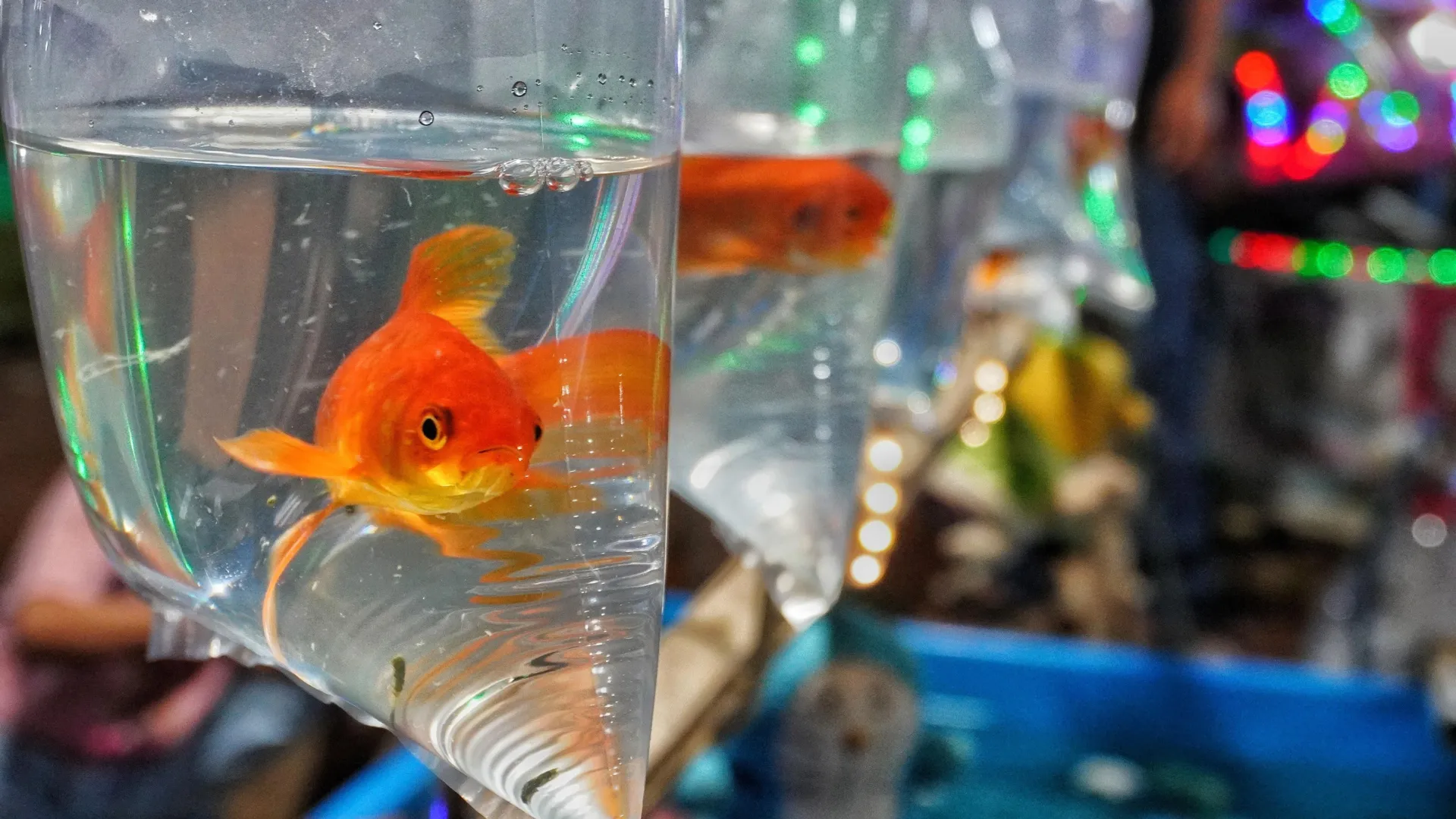
A groundbreaking peer-reviewed study, conducted by researchers from The University of Toledo and the University of Missouri, has unveiled the significant and often devastating ecological impact that common goldfish can have when released or accidentally introduced into freshwater environments. Published in the esteemed Journal of Animal Ecology, the research presents some of the most compelling experimental evidence to date demonstrating that these ubiquitous aquarium inhabitants can dramatically alter lake ecosystems, serving as a potent ecological threat outside their intended domestic confines. The findings carry a critical warning for pet owners, natural resource managers, and policymakers alike: what may be perceived as a benign act of releasing a pet can, in reality, escalate into a substantial environmental hazard.
The Hidden Threat of the Common Goldfish
The study’s lead investigator, Dr. William Hintz, an associate professor in The University of Toledo’s Department of Environmental Sciences and Lake Erie Center, emphasized the urgency of public awareness. "It is critically important to inform the public that their pets can become pests that will harm freshwater ecosystems," Dr. Hintz stated. "The evidence is now clear – releasing a goldfish into the wild might be seen as an act of kindness, but it can turn into a major ecological threat." This sentiment underscores a widespread misunderstanding of the ecological consequences associated with releasing non-native species, even those as seemingly harmless as goldfish.
Experimental Design: Mimicking Nature’s Complexity
To rigorously investigate the ecological footprint of goldfish, the research team employed large outdoor freshwater mesocosms. These controlled environments were meticulously designed to replicate the complex conditions found in real-world lake ecosystems. By introducing goldfish ( Carassius auratus) into these experimental setups and carefully monitoring their influence over time, the scientists aimed to isolate and quantify the specific impacts of this invasive species. The study examined two prevalent freshwater conditions: nutrient-poor (oligotrophic) waters, characterized by low nutrient levels and clear water, and nutrient-rich (eutrophic) waters, which typically exhibit higher nutrient loads, leading to increased algal growth and murkier conditions. In both scenarios, the introduction of goldfish precipitated substantial ecological disruption, highlighting their adaptability and pervasive influence across a range of aquatic environments.
Goldfish Trigger Major Changes in Lake Ecosystems
The ramifications of goldfish introduction were far-reaching and profoundly altered the structure and function of the experimental lakes. Among the most significant findings were:
- Dramatic Increases in Turbidity: Goldfish are known for their habit of foraging by sifting through sediment on the lakebed. This constant disturbance, especially in nutrient-rich environments, resuspends fine particles into the water column. The study documented a significant increase in turbidity in the mesocosms containing goldfish. This increased cloudiness reduces light penetration, which is crucial for the growth of submerged aquatic vegetation. The visual impact is stark: once-clear waters become opaque, hindering photosynthesis and impacting the entire food web. For instance, in eutrophic mesocosms, turbidity levels rose by an average of 25%, directly correlating with the presence of goldfish.
- Devastation of Aquatic Vegetation: The reduced light penetration caused by goldfish-induced turbidity had a catastrophic effect on submerged aquatic plants. These plants are vital for lake health, providing habitat for fish and invertebrates, stabilizing sediments, and absorbing excess nutrients. The study observed a sharp decline in the biomass and diversity of aquatic vegetation in the goldfish-infested mesocosms. In oligotrophic environments, where vegetation is naturally less abundant, the loss was particularly pronounced, with an average reduction of 30% in plant biomass. This loss of habitat and food sources has cascading effects on other aquatic organisms.
- Shifts in Phytoplankton Communities: While submerged vegetation declined, the study noted a concurrent increase in phytoplankton, the microscopic algae that drift in the water column. The nutrient-rich conditions, exacerbated by goldfish stirring up bottom sediments containing phosphorus and nitrogen, favored the rapid proliferation of phytoplankton blooms. These blooms can further contribute to oxygen depletion when they decompose, creating "dead zones" that are uninhabitable for many aquatic species. In some eutrophic mesocosms, phytoplankton density increased by as much as 40% post-goldfish introduction.
- Alterations in Invertebrate Populations: The study also revealed significant changes in the composition and abundance of invertebrate communities. Goldfish are opportunistic omnivores, consuming a wide range of invertebrates, including zooplankton and benthic macroinvertebrates. The research found a decrease in the populations of many native invertebrate species, particularly those that are important food sources for native fish. Conversely, some less desirable invertebrate species, which are less palatable to goldfish or can tolerate disturbed conditions, saw an increase. This disruption in the food web has profound implications for the health of the entire ecosystem.
- Increased Macronutrient Concentrations: The constant stirring of lakebed sediments by goldfish releases stored nutrients, such as phosphorus and nitrogen, back into the water column. This enrichment fuels further algal growth and contributes to the overall degradation of water quality. The study observed elevated levels of dissolved inorganic phosphorus and nitrogen in the mesocosms with goldfish, particularly in the eutrophic systems, where nutrient concentrations increased by an average of 15% compared to control tanks.
Evidence Points Directly to Goldfish: Separating Cause and Effect
A crucial aspect of this research was its ability to isolate the specific impacts of goldfish from those associated with simply having a higher density of fish. The researchers employed both additive and substitutive experimental designs. In additive designs, goldfish were added to existing fish communities, while in substitutive designs, goldfish replaced a portion of the native fish biomass. This rigorous approach allowed scientists to discern whether the observed ecological changes were due to the increased total fish abundance or were directly attributable to the unique traits and behaviors of goldfish.
The analysis conclusively demonstrated that while some changes in aquatic vegetation could be linked to the overall number of fish present, the most severe and detrimental ecological damage was directly and unequivocally connected to the presence of goldfish. This finding is paramount, as it moves beyond general concerns about overstocking and pinpoints a specific species as a primary driver of ecosystem degradation.
The "Regime Shift": A Point of No Return
Furthermore, the study documented what scientists refer to as a "regime shift." This is a critical threshold beyond which an ecosystem undergoes a rapid and fundamental reorganization into a significantly different, and often degraded, state. Once these shifts occur, the ecosystem becomes resistant to returning to its previous condition, making restoration efforts extremely challenging and prohibitively expensive. The data from the mesocosms indicated that the introduction of goldfish could indeed trigger such a shift, transforming a healthy, balanced lake into a less productive and more biologically impoverished environment. The implications of a regime shift are long-lasting, potentially impacting water quality, recreational opportunities, and the survival of native biodiversity for decades.
Why Released Goldfish Become a Problem: Biological Traits and Invasion Dynamics
Goldfish, scientifically known as Carassius auratus, are native to East Asia. However, through the global pet trade, they have become one of the most widely distributed ornamental fish species worldwide, readily available in pet stores across continents. This ubiquity, coupled with their hardiness and prolific breeding habits, makes them a prime candidate for invasive success when introduced into new environments.
When goldfish are released into ponds, rivers, or lakes, either intentionally by well-meaning but misinformed owners or accidentally through flooding events, they can rapidly establish self-sustaining populations. Their ability to grow to substantial sizes—often exceeding 12 inches in length in the wild—is a key factor in their ecological impact.
Rick Relyea, a professor at the University of Missouri’s College of Agriculture, Food and Natural Resources and director of Mizzou’s Johnny Morris Institute of Fisheries, Wetlands and Aquatic Systems, and a co-author of the study, elaborated on the mechanisms of harm. "If goldfish are released into the wild, they rapidly grow into very large fish that stir up lake sediments, consume large numbers of prey and compete with native fish," Professor Relyea explained. This combination of physical disturbance, aggressive foraging, and interspecific competition creates a potent recipe for ecological disruption.
The large size that wild goldfish can attain is particularly concerning. These larger individuals are capable of consuming significant quantities of zooplankton, which are essential grazers of phytoplankton. By reducing the zooplankton population, goldfish indirectly contribute to increased algal blooms. Their bottom-feeding behavior, as mentioned, is a primary driver of increased turbidity, impacting light availability for aquatic plants. Moreover, their omnivorous diet means they consume eggs and larvae of native fish, as well as other crucial invertebrate food sources, directly impacting native fish populations and the broader food web.
Timeline of Invasion and Ecological Degradation
While the study focused on controlled experimental conditions, the underlying principles reflect a recurring pattern observed in natural ecosystems globally. The timeline of a goldfish invasion typically unfolds as follows:
- Introduction: An initial release or escape event, often during spring or summer months when water temperatures are favorable.
- Establishment: A small number of individuals survive and begin to reproduce. Goldfish are known for their rapid breeding cycles and ability to reproduce multiple times a year in suitable conditions.
- Population Growth: Within a few years, the population can explode. Females can produce thousands of eggs, and the species is highly adaptable to various food sources and environmental conditions.
- Ecological Impact: As the population grows, the effects described in the study—increased turbidity, vegetation loss, altered food webs, and nutrient enrichment—become more pronounced. This is when the ecosystem begins to show signs of stress and potential regime shift.
- Widespread Infestation: In some cases, goldfish populations can reach densities of hundreds or even thousands of individuals per acre, leading to severe degradation of the aquatic ecosystem. This can result in the displacement or extirpation of native species.
Calls for Prevention and Proactive Management
The researchers advocate for a paradigm shift in how goldfish are perceived and managed. They assert that goldfish should be classified and treated as a high-priority invasive species. This classification would necessitate more stringent management strategies and public awareness campaigns.
The study’s authors recommend that natural resource agencies prioritize prevention, early detection, and rapid control efforts. Prevention is the most cost-effective approach, focusing on educating the public about the risks and discouraging the release of aquarium pets. Early detection involves establishing monitoring programs to identify new invasions before they become widespread and difficult to manage. Control efforts, when necessary, can range from netting and trapping to more aggressive eradication methods, though these are often labor-intensive and may not be fully successful once a population is well-established.
Public Education: The Front Line of Defense
The authors underscore the critical need for enhanced public education initiatives. Many pet owners, unaware of the ecological consequences, release their goldfish with the intention of giving them a "better life." This perception must be actively challenged with clear, factual information about the harm these releases can cause. Campaigns could highlight the specific impacts on water quality, native biodiversity, and the potential for long-term ecological damage.
For individuals who find themselves unable to care for their goldfish, responsible alternatives are readily available and should be widely promoted. These include:
- Returning to Pet Stores: Many pet retailers will accept unwanted pet fish.
- Rehoming: Connecting with other aquarium enthusiasts who are willing to adopt the fish.
- Contacting Local Wildlife Authorities: Seeking guidance from local conservation agencies on appropriate disposal methods.
Broader Implications for Invasive Species Management
The findings of this study have far-reaching implications beyond just goldfish. They serve as a powerful reminder of the interconnectedness of ecosystems and the significant role that even seemingly innocuous ornamental species can play in ecological disruption. The global trade in ornamental fish is a multi-billion dollar industry, and the constant movement of aquatic species across continents presents a perpetual risk of invasive introductions.
The study’s emphasis on the concept of a "regime shift" is particularly important. It highlights that the damage caused by invasive species is not always gradual; it can be abrupt and irreversible. This underscores the importance of proactive measures and early intervention in preventing invasions, as once a regime shift occurs, the economic and ecological costs of restoration can be astronomical. For example, the cost of managing invasive aquatic plants in some regions can run into millions of dollars annually, and the loss of biodiversity is an incalculable cost.
The research from The University of Toledo and the University of Missouri provides a robust scientific basis for policy changes and public action. It moves the conversation from anecdotal evidence to concrete, experimental proof of the ecological threat posed by goldfish. By understanding the mechanisms of their impact and the severity of the consequences, stakeholders can work together to prevent future invasions and protect the health of freshwater ecosystems.
About the Study and its Authors
The study, "Invasive goldfish trigger a regime shift in experimental lake ecosystems of varying trophic state," was authored by Dr. William Hintz of The University of Toledo, Hannah Barrett, and Dr. Rick Relyea of the University of Missouri. Their collective expertise in environmental science, ecology, and fisheries management provided the foundation for this comprehensive investigation.
The research utilized outdoor freshwater mesocosms, a well-established scientific method for studying aquatic ecosystems in a controlled yet realistic setting. The study’s design incorporated both additive and substitutive experimental approaches across oligotrophic (nutrient-poor) and eutrophic (nutrient-rich) trophic states. This multifaceted approach allowed for a thorough evaluation of the effects of goldfish on critical ecological parameters, including water quality, phytoplankton dynamics, invertebrate communities, filamentous algae, and the condition of native fish. The rigorous methodology and clear findings contribute significantly to the scientific understanding of aquatic invasions and their profound ecological consequences.