A groundbreaking development from the University of Pennsylvania (PA, USA) has introduced a sophisticated gene-editing platform, fPE7max, specifically optimized for filamentous fungi. This innovative tool has enabled scientists to delve deeper into the genetic complexities of fungi, leading to the isolation of a diverse library of complex molecules, many of which possess previously unknown structures. Critically, among these newly identified compounds, three have demonstrated compelling tumor-busting potential, marking a significant stride forward in the quest for novel drug discovery.
The Overlooked Potential of Fungi in Medicine
Fungi, a vast and diverse kingdom of organisms, have long been recognized for their profound contributions to modern medicine. From the accidental discovery of penicillin by Alexander Fleming in 1928, which revolutionized antibiotic therapy, to the isolation of statins that control cholesterol levels, fungal secondary metabolites have proven to be an invaluable source of therapeutic agents. These microscopic factories produce an astonishing array of bioactive compounds, many of which act as natural defense mechanisms against bacteria, viruses, and other fungi in their complex ecosystems.
Despite this rich history and immense potential, the genetic secrets of fungi have largely remained underexplored, particularly when compared to advancements in bacterial or mammalian genetic research. A primary hurdle has been the challenge of precisely manipulating their genomes. Fungi grown in laboratory settings often "switch off" their innate antimicrobial gene pathways, rendering them silent and inaccessible to researchers. This phenomenon, known as gene silencing, means that the vast chemical diversity that fungi produce in their natural environments is often not expressed under controlled laboratory conditions, severely limiting the discovery pipeline.
Overcoming Genetic Manipulation Barriers: The Limitations of Traditional Tools
The inability to effectively "turn on" these silent pathways has been a persistent frustration for mycologists and pharmaceutical researchers alike. As study author Xue Gao emphasized, "To turn those silent pathways back on, we needed a powerful way to precisely manipulate fungal genomes, such as editing their master regulatory genes, but traditional tools weren’t up to the task."
One of the most celebrated gene-editing technologies, CRISPR (Clustered Regularly Interspaced Short Palindromic Repeats), has transformed genetic research across numerous organisms. However, its application in filamentous fungi – a group characterized by their tubular filaments known as hyphae, which are significant ecological contributors and industrial hosts – has faced considerable limitations. CRISPR operates by introducing double-strand breaks into DNA at targeted locations. In many organisms, these breaks are repaired via homologous recombination, a highly accurate process that uses a template to mend the break. In filamentous fungi, however, the dominant DNA repair pathway is non-homologous end joining (NHEJ). NHEJ is a rapid but often imprecise mechanism that stitches broken DNA ends together without a template, leading to a higher propensity for unintended mutations and insertions or deletions (indels) rather than precise edits. This inherent mutagenicity of NHEJ in filamentous fungi makes CRISPR-induced double-strand breaks less reliable for targeted, precise genetic modifications.
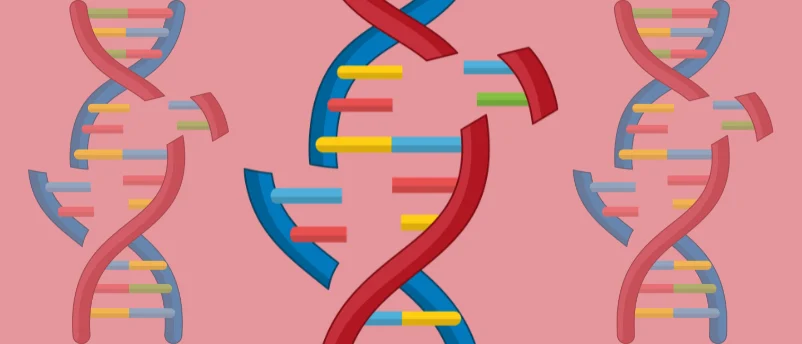
The need for a more accurate and versatile gene-editing solution for fungi became acutely clear. Prime editing emerged as a promising alternative, offering the ability to perform targeted gene editing without introducing double-strand breaks. Instead, prime editing directly writes new genetic information into a specified DNA site using a reverse transcriptase enzyme guided by an engineered prime editing guide RNA (pegRNA). While the concept of prime editing held immense promise, its successful establishment and optimization in filamentous fungi had remained elusive until the advent of fPE7max.
fPE7max: A Precision Engineering Marvel for Fungal Genomes
The fPE7max platform represents a significant leap forward, meticulously engineered to overcome the unique biological challenges presented by filamentous fungi. Its design incorporates several innovative features that enhance both stability and precision. The tool integrates fLa, a stabilizing protein, which plays a crucial role in protecting the guide RNA from degradation. This protection is particularly vital when dealing with large DNA insertions and deletions, ensuring the integrity and longevity of the editing machinery within the fungal cell.
Furthermore, fPE7max includes a specialized protein designed to bypass the fungus’s natural DNA repair system. This ingenious component ensures that the meticulously introduced genetic edits are not inadvertently reversed or altered by the cell’s endogenous repair mechanisms, thereby maximizing the fidelity and permanence of the modifications. The combination of these features allows fPE7max to achieve an unprecedented level of control over fungal genomes.
The resulting platform boasts remarkable versatility, capable of executing a wide spectrum of edits, from single-base substitutions – the most precise changes involving just one DNA letter – to kilobase-scale insertions and even multi-kilobase deletions, extending up to an impressive 10 kilobases (10,000 base pairs). This broad editing capability is coupled with an exceptional average editing efficiency of almost 90% across diverse genes and species of filamentous fungi. This high efficiency and adaptability position fPE7max as a transformative tool for fungal genetic research, opening doors to investigations previously deemed impossible.
Unlocking Nature’s Hidden Pharmacy: Discovery of Novel Anti-Cancer Molecules
With fPE7max established and validated, the research team from the University of Pennsylvania wasted no time in putting their novel tool to the test. Their primary objective was to activate the silent biosynthetic pathways within fungi to uncover new secondary metabolites. They strategically targeted translation-regulatory elements located upstream of the metabolic regulator gene laeA. The laeA gene is known to play a critical role in controlling the production of secondary metabolites in many fungi. By precisely manipulating its regulatory elements, the researchers aimed to "switch on" dormant metabolic machinery.
The results were nothing short of remarkable. Metabolomic profiling, a technique used to identify and quantify all the small-molecule metabolites within a biological sample, revealed the successful activation of previously underexplored biosynthetic pathways. This activation led to the identification of a striking 18 new fungal metabolites. Further analysis indicated that eight of these newly discovered compounds possessed chemical structures that had never before been reported in scientific literature, highlighting the immense untapped potential within fungal biodiversity.

Crucially, three of these novel compounds demonstrated significant cytotoxic activity, meaning they were capable of inducing cell death in targeted cells. This cytotoxic property is a cornerstone for potential anti-cancer drug candidates. The discovery of these molecules presents an exciting and vital new avenue for future exploration in cancer drug discovery, offering fresh hope in the continuous battle against various forms of cancer.
Targeted Efficacy: A Glimmer of Hope for Cancer Treatment
The significance of these findings extends beyond mere identification. As first author Chunxiao Sun articulated, "These molecules can serve as lead compounds for disease treatment, providing a vital new pipeline for drug discovery." Sun further elaborated on the promise of one particular new molecule, which exhibited selective toxicity against human breast, hepatic (liver), and leukemia cancer cells.
Selective toxicity is a paramount characteristic for any successful anti-cancer drug. It refers to the drug’s ability to kill cancer cells while sparing healthy cells, thereby minimizing debilitating side effects for patients. The demonstration of selective toxicity by one of the fPE7max-discovered compounds is a powerful indicator of its therapeutic potential. Breast cancer, hepatic cancer, and leukemia represent significant global health challenges, with millions of new diagnoses annually. The identification of novel compounds with selective activity against these specific cancer types offers a critical starting point for medicinal chemists and pharmacologists to develop more effective and less toxic treatments.
Xue Gao aptly summarized the broader implications, stating, "It’s a compelling proof-of-concept demonstrating that the next generation of life-saving therapeutics might already exist in nature." This sentiment underscores the vast, unexplored chemical repertoire present in the natural world, particularly within organisms like fungi, which have evolved sophisticated biochemical pathways over millennia.
Broader Implications for Drug Discovery and Beyond
The development and application of fPE7max extend far beyond the immediate discovery of anti-cancer compounds. This platform has profound implications for the entire field of drug discovery and fundamental biological research.
Firstly, it significantly expands the pipeline for identifying novel therapeutic agents. By enabling the activation of silent gene clusters in fungi, fPE7max opens up access to a previously hidden "chemical dark matter" – a wealth of molecules that could hold solutions not just for cancer, but also for infectious diseases (antibiotics, antivirals), autoimmune disorders, and neurological conditions. Given the looming crisis of antimicrobial resistance, the ability to uncover new antimicrobial compounds from fungi is particularly timely and critical.
Secondly, fPE7max advances our fundamental understanding of fungal biology. Researchers can now precisely investigate the roles of various genes in fungal metabolism, development, and interaction with their environment. This deeper understanding could lead to new strategies for controlling pathogenic fungi that cause agricultural losses or human diseases, and for harnessing beneficial fungi in biotechnology and bioremediation.
Thirdly, the success of prime editing in filamentous fungi sets a precedent for its application in other recalcitrant organisms. Many species important for industrial biotechnology, agriculture, or human health have complex genomes that resist traditional gene-editing tools. The principles and optimizations developed for fPE7max could pave the way for similar breakthroughs in other challenging biological systems.
From an economic perspective, the ability to rapidly and efficiently discover new lead compounds from natural sources can significantly reduce the time and cost associated with drug development. Pharmaceutical companies continuously seek new chemical scaffolds for drug design, and natural products often provide complex, biologically active structures that are difficult to synthesize de novo.
The Future Landscape of Medicine
The work by the University of Pennsylvania team marks a pivotal moment in biotechnology and medicine. It is a testament to the power of precision genetic engineering to unlock the secrets of nature and harness them for human benefit. The journey from identifying a promising molecule in a fungal extract to a marketable drug is long and arduous, involving extensive preclinical testing, clinical trials, and regulatory approvals. However, the initial steps – the discovery of novel, selectively cytotoxic compounds – are the most critical and often the most challenging.
This research provides compelling evidence that the solutions to some of humanity’s most pressing health challenges may lie dormant within the natural world, waiting for the right tools to bring them to light. The fPE7max platform is more than just a gene-editing tool; it is a key that unlocks a vast, previously inaccessible library of biological compounds, promising to redefine the future landscape of drug discovery and medical treatment. The potential for the next generation of life-saving therapeutics to emerge from the humble, yet extraordinarily complex, kingdom of fungi is now more tangible than ever before.