Researchers have uncovered an unexpected natural ally that could help farmers tackle one of agriculture’s fastest growing challenges: salty soil. A groundbreaking study, led by Dr. Yanfen Zheng from the University of East Anglia (UEA) and involving a team of international scientists, has revealed that common soil bacteria possess the remarkable ability to significantly enhance plants’ resilience to saline conditions. This discovery not only sheds light on a previously unknown mechanism of plant defense but also offers a promising avenue for developing sustainable agricultural practices in areas increasingly rendered infertile by salt accumulation.
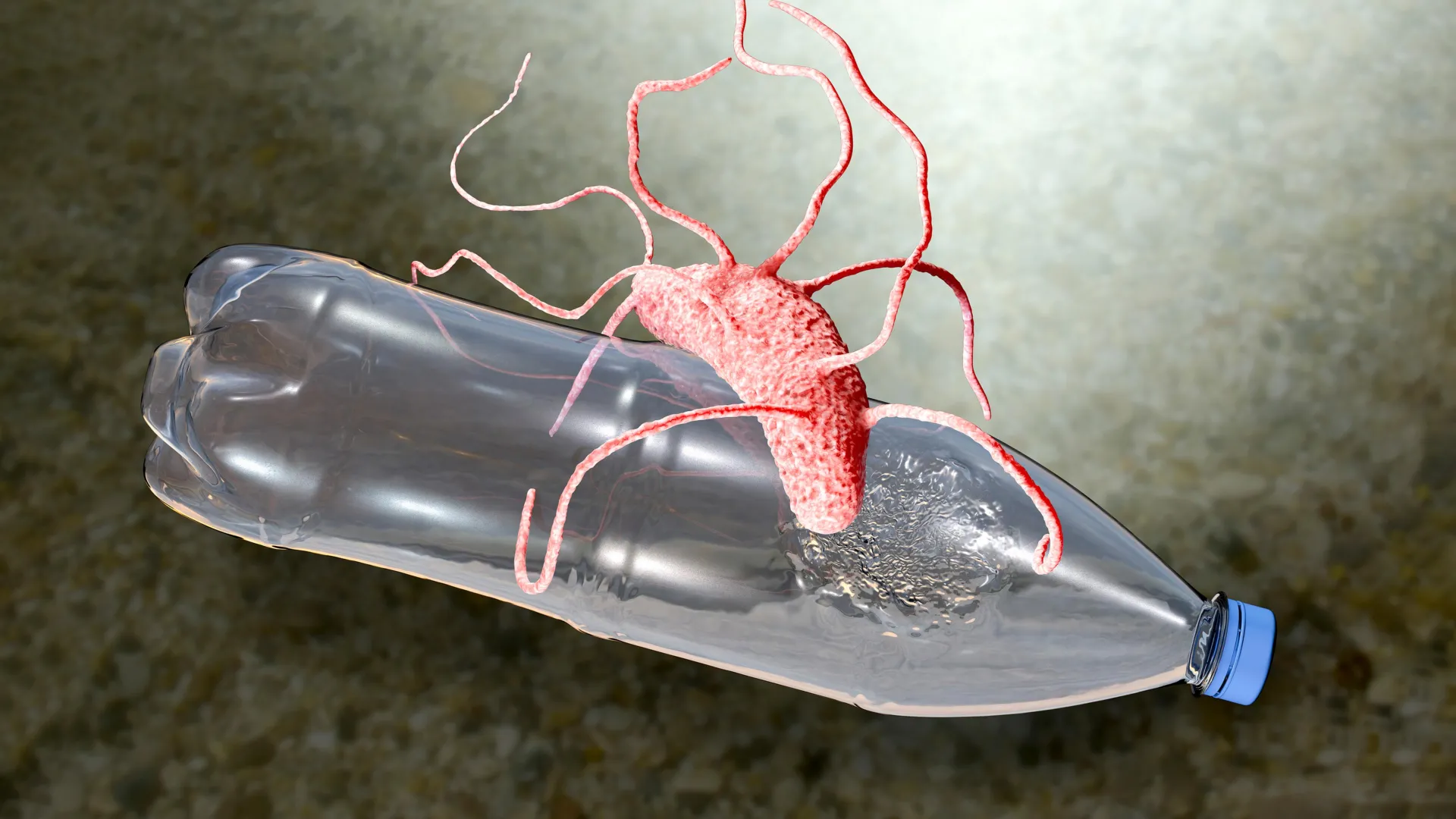
The research, published in the prestigious journal Science Advances, details how these naturally occurring microbes, specifically a group known as pseudomonads, actively promote plant survival under salt stress. Unlike previous assumptions that focused on plants directly managing salt uptake, this study found that these beneficial bacteria stimulate a robust internal defense system within the plant itself, primarily through increased lignin production. This lignin acts as a natural structural reinforcement, bolstering the plant’s ability to withstand the damaging effects of salt. The implications are far-reaching, potentially offering a biological solution to the escalating global threat of soil salinization, which jeopardizes food security for millions.
The Growing Menace of Soil Salinity: A Global Agricultural Crisis
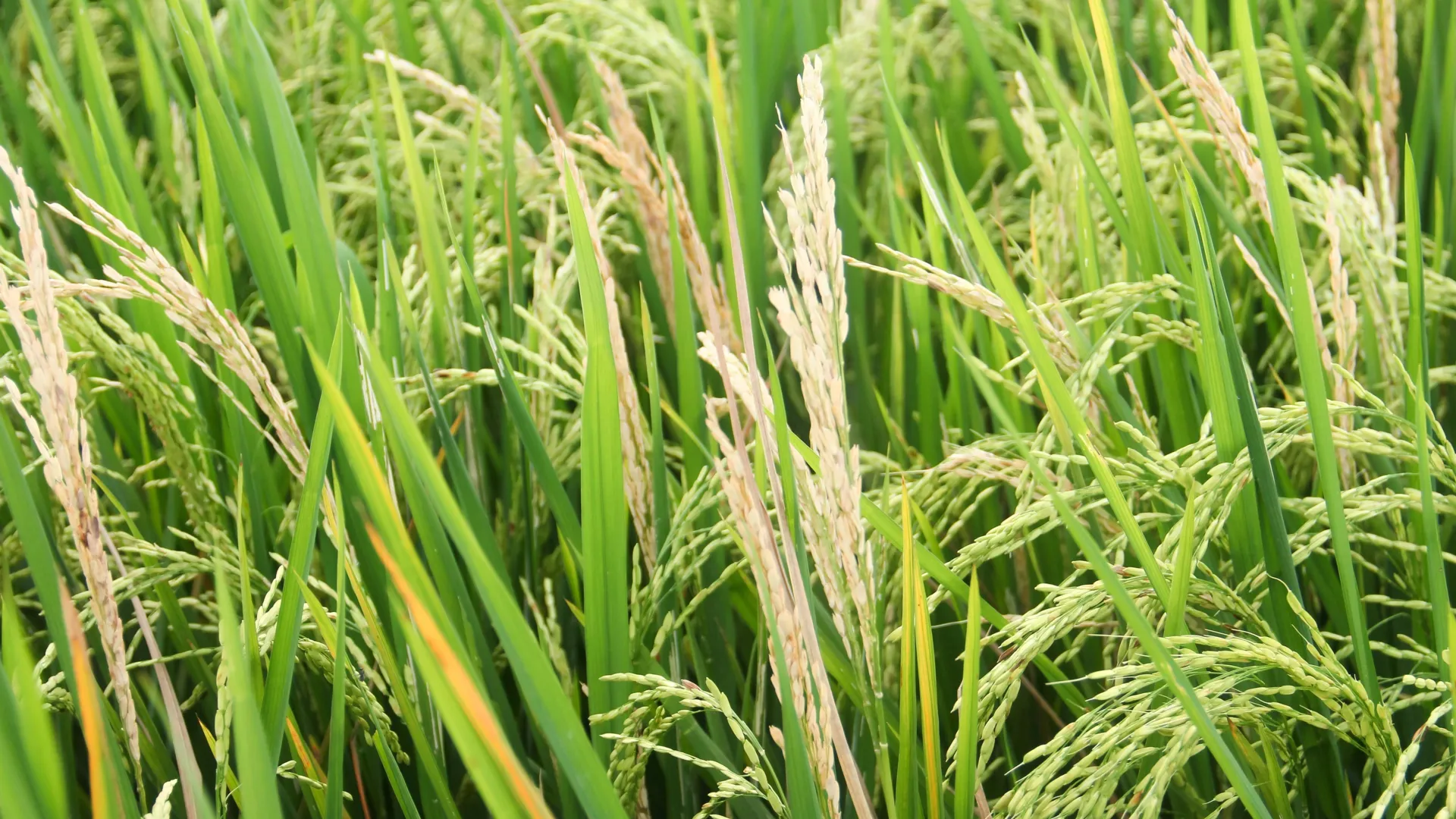
Soil salinity, the accumulation of soluble salts in the soil to levels that negatively impact plant growth and crop yields, is a pervasive and intensifying problem worldwide. Agricultural experts estimate that over 20% of the world’s irrigated land and approximately 33% of all agricultural land are affected by salinity and sodicity to varying degrees. This issue is exacerbated by a confluence of factors, including unsustainable irrigation practices that lead to salt buildup through evaporation, the expansion of agriculture into arid and semi-arid regions where natural salt levels are already high, and the inexorable rise of global sea levels, which encroaches upon coastal agricultural lands.
Professor Jonathan Todd, a key researcher from UEA’s School of Biological Sciences and the Quadram Institute, emphasizes the severity of the situation. "The build-up of salt in farmland is a major and worsening problem – driven by climate change, irrigation and rising sea levels," Professor Todd stated. "Salt chokes plant growth, damages roots and severely impacts entire harvests, putting global food supplies at risk." The economic consequences are substantial, with studies indicating billions of dollars in crop losses annually due to salinity. For instance, regions heavily reliant on irrigated agriculture, such as parts of the Middle East, North Africa, and Central Asia, are particularly vulnerable, facing a direct threat to their agricultural economies and the livelihoods of their farming communities.
Unraveling the Plant-Microbe Partnership: A Symbiotic Defense Mechanism
For years, scientists have recognized that plants do not exist in isolation but are part of complex ecosystems, particularly within the soil surrounding their roots. This intricate community of microorganisms, known as the root microbiome, plays a crucial role in plant health and its ability to cope with environmental challenges. However, the precise mechanisms by which these microbial partners assist plants in overcoming stress, such as salinity, have remained largely elusive.
The UEA-led research team sought to bridge this knowledge gap by meticulously examining the root microbiomes of various crop species subjected to different soil conditions. Their investigation revealed a consistent pattern: a specific group of bacteria, pseudomonads, were disproportionately drawn to the roots of plants experiencing salt stress. This observation held true across multiple economically important crops, including maize, tomato, and rapeseed, suggesting that this microbial recruitment is a widespread and fundamental plant response to salinity, rather than an isolated phenomenon.
"We found that plants appear to recruit beneficial bacteria in salty soil conditions, which in turn trigger internal changes that strengthen their physical structure and resilience," explained Professor Todd. "If scientists can harness this natural process, it could mark the beginning of a new era in climate-resilient agriculture."
Pseudomonads: Nature’s Salinity-Tolerant Specialists
Further genetic analyses provided critical insights into why pseudomonads are so adept at thriving in saline environments. These bacteria possess a unique genetic makeup that confers remarkable tolerance to high salt concentrations. Professor Todd elaborated on these specialized adaptations: "Compared to other microbes, pseudomonads carry specialized genes that help them tolerate high salt levels, including sodium transport systems and other stress-resistance mechanisms." These genetic advantages allow pseudomonads to flourish in soil conditions that would inhibit or kill many other microbial species, making them ideal candidates for beneficial plant associations in saline soils.
Experimental Validation: From Greenhouse to Field Trials
To confirm the practical efficacy of these findings, the researchers conducted targeted experiments. They introduced selected strains of pseudomonads to soybean plants, a vital global crop. The results were compelling, demonstrating significant improvements in plant growth and development under saline conditions, both in controlled greenhouse environments and in more realistic field trials.
"We found that plants treated with the microbes showed stronger root systems, better development and higher yields compared to untreated plants grown in salty soils," Professor Todd reported. This direct evidence of enhanced performance underscores the potential of these bacteria as a biological solution for improving crop productivity on salt-affected land. The increased yield observed in treated plants, even under moderate salinity, suggests a tangible economic benefit for farmers struggling with salinized fields.
A Surprising Revelation: Lignin as the Key to Salt Tolerance
Perhaps the most significant and unexpected discovery of the study was the mechanism by which these pseudomonads confer salt tolerance. For decades, the prevailing scientific understanding suggested that plants primarily cope with salinity by actively regulating the uptake of sodium ions, thereby limiting their accumulation within plant tissues. However, the UEA-led research found no evidence that the bacteria influenced the plant’s internal sodium levels or ion balance.
"The most surprising thing was finding out how the bacteria helped plants cope," Professor Todd admitted. "For decades, it was thought that plants survive salinity by controlling sodium levels – essentially keeping harmful salt out. But we found no evidence that bacteria influenced sodium transport or ion balance."
Instead, the study revealed that the bacteria stimulated the plant to produce significantly higher quantities of lignin. Lignin is a complex polymer that is a major structural component of plant cell walls, particularly in woody tissues. It provides rigidity, strength, and protection to plant cells, acting as an internal scaffolding that enhances the plant’s structural integrity.
"Instead of helping plants manage salt directly, the bacteria stimulated the plant to produce more of a substance called lignin," Professor Todd explained. "Roots of bacteria-treated plants showed a significant increase in lignin content, with some measurements rising by over 30 percent under salt stress." This increased lignin content effectively reinforced the plant’s root structure, making it more resilient to the osmotic stress and cellular damage caused by high salt concentrations in the soil.
Harnessing Nature’s Engineering: The Future of Salinity Management
The researchers further pinpointed the specific genes responsible for this enhanced lignin production. When these genes were artificially activated to overexpress lignin synthesis, plants exhibited improved performance in saline soils, confirming the crucial role of this compound in the bacteria-induced stress tolerance. Conversely, plants genetically modified to be unable to produce lignin did not benefit from the bacterial treatment, solidifying lignin biosynthesis as the essential pathway.
This discovery opens up exciting possibilities for developing novel, bio-based agricultural solutions. The potential to harness naturally occurring microbes like pseudomonads could lead to the development of treatments that enable crops to thrive on land previously deemed too saline for cultivation, all without the reliance on heavy chemical inputs.
"We hope this discovery opens up new possibilities for agriculture," Professor Todd stated. "By harnessing naturally occurring microbes like pseudomonads, bio-based treatments could be developed that help crops grow in saline soils without heavy chemical inputs."
Broader Impact and Implications for Global Food Security
The implications of this research extend far beyond the specific crops studied. With an ever-increasing global population and the escalating threats posed by climate change and land degradation, ensuring food security has become a paramount concern. Salinization of agricultural land represents a significant impediment to achieving this goal.
The development of microbial inoculants or other bio-stimulant products derived from this research could offer a sustainable and environmentally friendly approach to combating soil salinity. This could allow for the reclamation and productive use of vast tracts of land currently lying fallow or producing significantly diminished yields. Furthermore, reducing the reliance on chemical fertilizers and soil amendments, which can have their own environmental impacts, aligns with the growing global demand for sustainable and organic farming practices.
The research team’s findings, published in Science Advances under the title "Pseudomonads associated to salt-stressed plants facilitate stress adaption of soybean through enhanced lignin biosynthesis," represent a significant leap forward in our understanding of plant-microbe interactions and offer a beacon of hope for the future of agriculture in a salinizing world. The next steps will likely involve further research into optimizing the application of these beneficial bacteria, identifying the most effective strains for different crop types and soil conditions, and scaling up production for commercial use. This collaborative effort between researchers from the University of East Anglia and their international counterparts signifies a critical advancement in the ongoing battle to secure a sustainable food future.