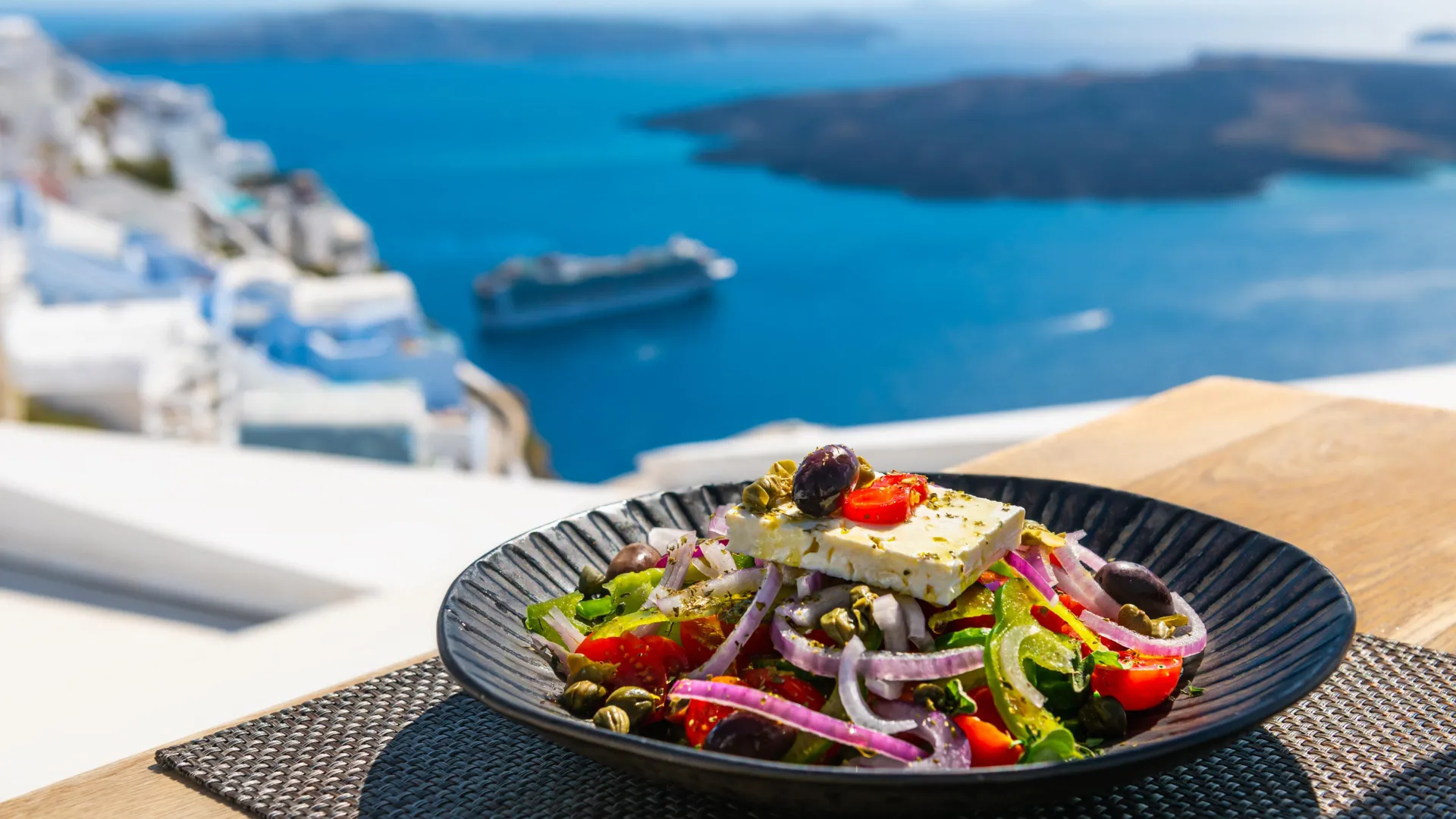
A groundbreaking study led by researchers at the USC Leonard Davis School of Gerontology has identified an unexpected biological mechanism that may explain the long-observed health benefits of the Mediterranean diet. The research, published in the journal Frontiers in Nutrition, suggests that adherence to this specific eating pattern is directly associated with increased blood levels of mitochondrial microproteins, specifically humanin and SHMOOSE. These tiny proteins, produced within the mitochondria—the cellular structures traditionally known as the "powerhouses" of the cell—appear to act as molecular messengers that translate nutritional intake into cellular resilience and longevity.
The study provides a missing link in nutritional science, offering a potential cellular explanation for why individuals who consume a diet rich in olive oil, fish, and legumes experience lower rates of neurodegenerative and cardiovascular diseases. By identifying these microproteins as biomarkers for dietary adherence, the research team has opened new avenues for the field of precision nutrition and the development of targeted therapies for age-related decline.
The Evolution of Mitochondrial Biology and the Discovery of Microproteins
For decades, mitochondria were viewed primarily as energy-producing organelles that converted nutrients into adenosine triphosphate (ATP). However, contemporary biological research has shifted this paradigm. Scientists now understand that mitochondria possess their own unique genetic material, inherited maternally and separate from the DNA found in the cell nucleus. This mitochondrial genome is far more active than previously thought, releasing chemical signals that regulate systemic metabolism, inflammatory responses, and the body’s reaction to physiological stress.
The USC study builds upon more than twenty years of pioneering research led by Dean Pinchas Cohen, the study’s senior author. In 2003, Cohen and his colleagues identified humanin, the first known mitochondrial-derived peptide. Humanin has since been the subject of extensive investigation, with studies linking it to improved insulin sensitivity, the preservation of cognitive function, and protection against the cell death associated with Alzheimer’s disease.
More recently, the Cohen laboratory discovered SHMOOSE (Small Human Mitochondrial ORF Over SErine tRNA). This microprotein is encoded in a small open reading frame (sORF) within the mitochondrial DNA—regions once dismissed by geneticists as "junk DNA" or non-functional sequences. SHMOOSE has been specifically linked to brain health; research indicates that a common genetic variant of the protein is associated with an increased risk of Alzheimer’s, while the standard form helps shield neurons from the toxic effects of amyloid-beta plaques.
Analyzing the Mediterranean Diet’s Impact on Cellular Messengers
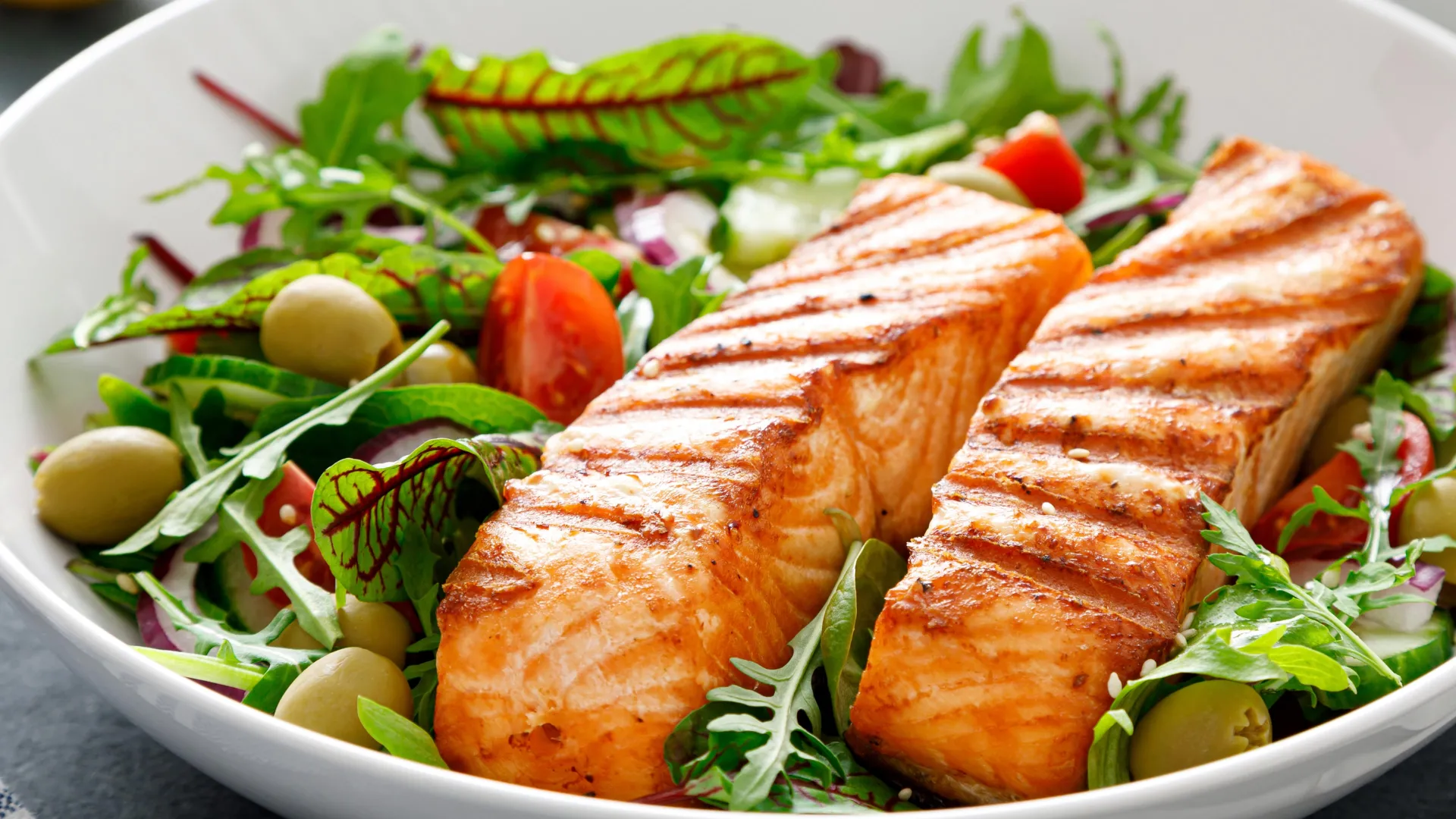
The Mediterranean diet is characterized by a high intake of monounsaturated fats (primarily from olive oil), plant-based proteins (legumes and nuts), antioxidants (fruits and vegetables), and omega-3 fatty acids (fish). Conversely, it minimizes the consumption of red meats, saturated fats, and ultra-processed carbohydrates. While the clinical benefits of this diet have been documented in massive longitudinal studies like the PREDIMED trial, the precise molecular "bridge" between the food consumed and the genetic expression of longevity has remained elusive.
In this latest study, led by Roberto Vicinanza, an instructional associate professor of gerontology at USC, researchers analyzed blood samples from a cohort of older adults. The participants were categorized based on their level of adherence to the Mediterranean diet using standardized nutritional scoring systems. The results demonstrated a clear, statistically significant correlation: individuals with the highest adherence scores possessed the highest concentrations of humanin and SHMOOSE in their bloodstream.
"These microproteins may act as molecular messengers that translate what we eat into how our cells function and age," Vicinanza stated. "It’s a new biological pathway that helps explain why the Mediterranean diet is so powerful."
The data further revealed that specific components of the diet had varying effects on these microproteins. For instance, higher consumption of olive oil, fish, and legumes was most strongly associated with increased humanin levels. In contrast, higher SHMOOSE levels were linked to olive oil consumption and a notably lower intake of refined carbohydrates, such as white bread and sugary pastries. This suggests that the Mediterranean diet does not work through a single nutrient but through a synergy of compounds that optimize mitochondrial signaling.
Oxidative Stress and the Humanin-Nox2 Interaction
One of the most significant technical findings of the study involves the relationship between humanin and oxidative stress. Oxidative stress occurs when there is an imbalance between the production of reactive oxygen species (ROS) and the body’s ability to detoxify these reactive intermediates. Over time, this imbalance leads to damage in proteins, lipids, and DNA, serving as a primary driver of chronic inflammation and aging.
The researchers identified a specific connection between humanin and Nox2, an enzyme that plays a critical role in generating ROS. The study found that higher levels of humanin were associated with lower Nox2 activity. This interaction suggests that the Mediterranean diet may protect the heart and blood vessels through a dual-action mechanism: by providing direct antioxidants through food and by stimulating the production of humanin, which then acts to suppress the enzymatic pathways that cause oxidative damage.
"This could represent a new cardioprotective mechanism of the Mediterranean diet," Vicinanza noted. By restraining damaging cellular pathways, these mitochondrial peptides provide a layer of biological "armor" against the rigors of aging.
A Chronology of Research and Global Advocacy
The timeline of this discovery reflects a broader shift in gerontology toward understanding the "mitochondrial-nuclear crosstalk."
- 2003: Discovery of Humanin by Pinchas Cohen and team, identifying it as a neuroprotective peptide.
- 2010s: Expanded research into mitochondrial-derived peptides (MDPs) reveals their role in metabolic health and diabetes prevention.
- 2022: Discovery of SHMOOSE and its association with Alzheimer’s disease risk.
- 2024-2026: Research shifts toward nutritional interventions, culminating in the current study linking diet directly to these peptides.
Beyond the laboratory, the researchers are advocating for the Mediterranean diet as a global health standard. Roberto Vicinanza has collaborated with the Municipality of Pollica in Italy—a community recognized by UNESCO as an "emblematic" site for the Mediterranean diet—to promote its cultural and environmental sustainability. This collaboration supported the establishment of the International Day of the Mediterranean Diet at the United Nations, to be observed annually on November 16.
The goal of this international observance is to raise awareness that the Mediterranean diet is more than a list of ingredients; it is a lifestyle and a heritage that aligns with human evolutionary biology. Vicinanza suggests that mitochondria, as ancient organelles that evolved from bacteria over a billion years ago, may be specifically "tuned" to the minimally processed, nutrient-dense foods that characterized human diets for millennia.
The Future of Precision Nutrition and Clinical Implications
The implications of this study for public health and clinical practice are substantial. While the study was observational—meaning it identified a correlation rather than proving a direct cause-and-effect relationship—it sets the stage for a new era of "precision nutrition."
In the future, humanin and SHMOOSE could serve as clinical biomarkers. Physicians might use a simple blood test to determine how well a patient’s body is responding to dietary changes. If a patient switches to a Mediterranean-style diet but their microprotein levels remain stagnant, clinicians could investigate other lifestyle factors, such as sleep, exercise, or genetic predispositions, that might be hindering the diet’s effectiveness.
"Our goal is to move from observing associations to understanding causality," Vicinanza said. "If we can harness these pathways, we may be able to design nutritional strategies that promote healthy aging at the molecular level."
The next phase of research will likely involve interventional clinical trials. Researchers plan to place participants on controlled Mediterranean diets to see if their humanin and SHMOOSE levels rise in real-time and whether those increases correlate with measurable improvements in cardiovascular function and cognitive performance.
Collaborative Efforts and Funding
The study, titled "Mediterranean diet adherence is associated with mitochondrial microproteins Humanin and SHMOOSE; potential role of the Humanin-Nox2 interaction in cardioprotection," was a multi-institutional effort. Coauthors from the USC Leonard Davis School included Junxiang Wan and Kelvin Yen, while international perspectives were provided by Vittoria Cammisotto, Francesco Violi, and Pasquale Pignatelli of the Sapienza University of Rome.
Funding for the research was provided by several prestigious organizations, including the National Institutes of Health (NIH), the USC Daryl and Irwin Simon Nutrition for Alzheimer’s Disease Prevention Research Fund, and the Hanson-Thorell Family Research Award. This broad support underscores the scientific community’s commitment to exploring how nutrition can be utilized as a primary tool in the fight against age-related diseases.
As the global population ages, the search for non-pharmacological interventions to extend "healthspan"—the period of life spent in good health—becomes increasingly urgent. The discovery of the link between the Mediterranean diet and mitochondrial microproteins suggests that the secret to a longer, healthier life may be encoded in the very ancient structures of our cells, waiting to be activated by the foods we choose to eat.