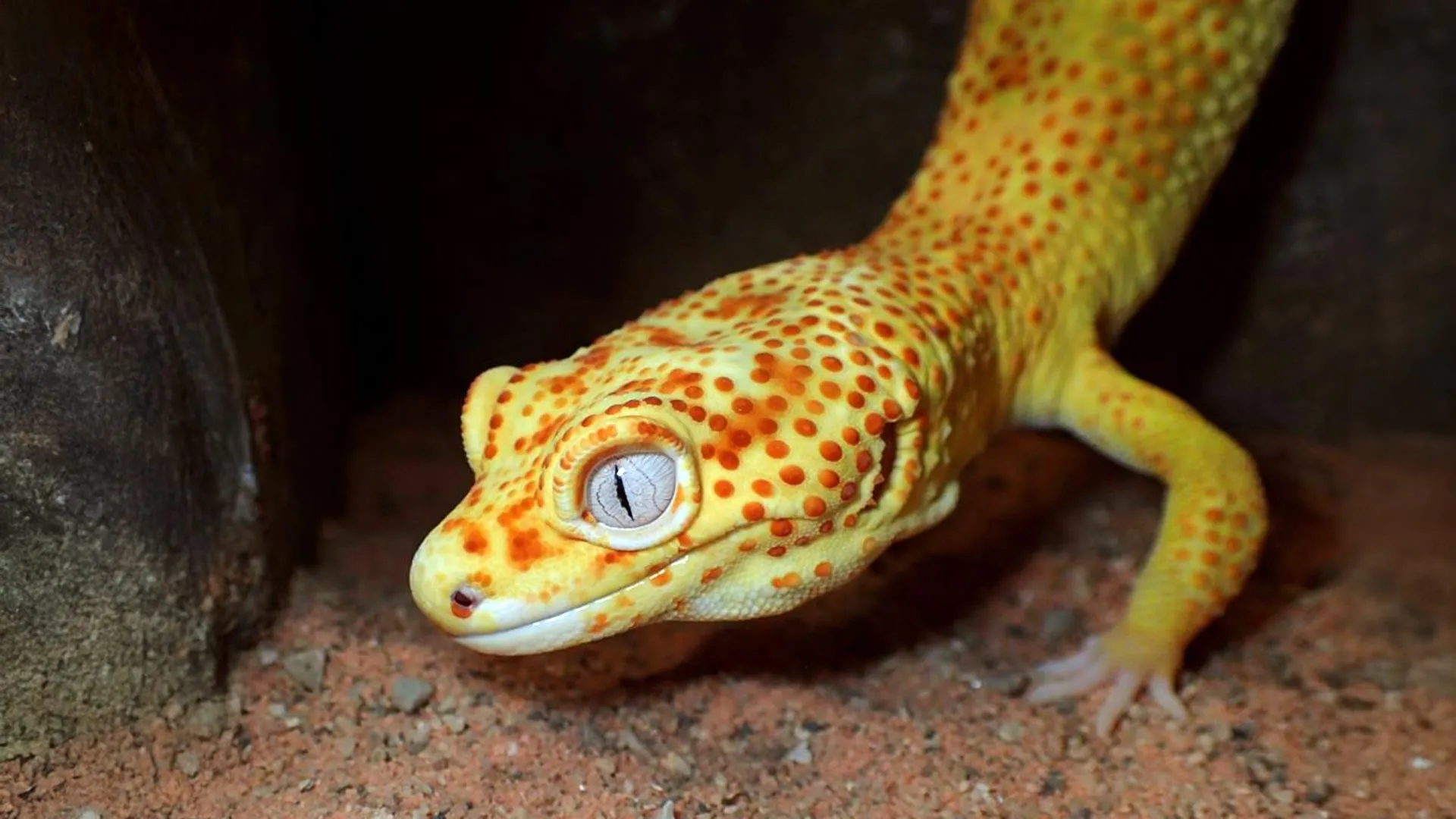
A striking, vibrantly colored pet gecko, known in the exotic pet trade as the "lemon frost" morph, is emerging as a pivotal new tool in the fight against cancer. This particular variety of leopard gecko exhibits an unusually high susceptibility to developing tumors, a characteristic that scientists believe could unlock profound insights into the fundamental mechanisms of cancer formation and metastasis. Researchers are particularly interested in the gecko’s naturally occurring malignancies, which offer a unique window into why some species are remarkably vulnerable to the disease while others possess an innate resilience. This groundbreaking research, spearheaded by the University of Nottingham and published in the esteemed journal BMC Biology, has identified specific genetic alterations within the lemon frost gecko that are intrinsically linked to tumor development. Alarmingly, many of these genetic changes mirror those found in human cancers, suggesting that this reptile could significantly accelerate our understanding and potential treatments for this devastating disease.
The Curious Case of the Lemon Frost Gecko’s Susceptibility
The spectrum of cancer susceptibility within the reptilian class is remarkably broad. While species like turtles and tortoises are known for their infrequent development of cancer, the lemon frost leopard gecko presents a starkly contrasting picture. This morph, easily identifiable by its vivid white and yellow coloration, suffers from aggressive tumors in approximately 80% of individuals. This extraordinary incidence rate, observed naturally and without artificial induction, positions the lemon frost gecko as an invaluable, albeit unusual, model organism for oncological research.
The investigation into this phenomenon was led by Dr. Ylenia Chiari, a distinguished researcher from the School of Life Sciences at the University of Nottingham. Her international team, comprised of esteemed scientists from various institutions including the University of Birmingham (Dr. Scott Glaberman), Marquette University (Dr. Tony Gamble), the University of Florida (Dr. Robert Ossiboff), and the University of Trieste (Virginia Gazziero and Dr. Giulio Caravagna), has meticulously analyzed the genetic underpinnings of these gecko tumors. PhD researcher Brandon Hastings, also from the University of Nottingham, played a crucial role in this collaborative effort.
Dr. Chiari articulated the core rationale behind their research: "By studying why some animals are so susceptible to cancer while others are remarkably resistant, we hope to uncover the different ways species have evolved to deal with cancer. Specifically, this gecko could become an incredible model in cancer research because tumors appear naturally at a relatively early age. Together, these natural strategies could inspire new ways of preventing, detecting, and treating cancer in humans."
The origin of the lemon frost morph is rooted in a spontaneous genetic mutation that occurred within a large, selectively bred colony of leopard geckos. Its eye-catching coloration quickly made it a sought-after specimen in the pet trade. However, breeders soon observed a disturbing trend: a significant proportion of these geckos developed aggressive tumors that had a propensity to spread throughout the body. This natural predisposition to malignancy, occurring at a relatively young age and often involving metastasis, distinguishes the lemon frost gecko from traditional laboratory models.
A Timeline of Discovery and Genetic Revelation
The journey from recognizing a peculiar pet trait to unlocking significant scientific potential likely unfolded over several years, marked by observational data from breeders, initial hypotheses, and systematic scientific inquiry.
- Pre-2020s: Anecdotal observations by leopard gecko breeders highlight a higher incidence of tumors in individuals with the "lemon frost" coloration. This coloration arises from selective breeding and a spontaneous genetic mutation.
- Early 2020s: Researchers at the University of Nottingham, potentially alerted by these observations or through broader comparative studies of reptilian diseases, initiate investigations into the genetic basis of cancer in various gecko species.
- Mid-2020s (approximate): The research team, including key figures like Dr. Ylenia Chiari and Brandon Hastings, begins focusing on the lemon frost morph due to its exceptionally high tumor development rate.
- Ongoing Research: Whole genome sequencing and comparative genomic analysis are employed to identify specific genetic alterations and biological pathways associated with tumor formation in these geckos. Collaboration with international institutions expands the scope and expertise of the research.
- Publication (recent): The findings of this extensive research are published in the peer-reviewed journal BMC Biology, formally announcing the potential of the lemon frost gecko as a novel cancer research model.
Unlike the controlled, often artificially induced tumor development seen in laboratory mice, the lemon frost gecko provides a rare opportunity to study cancer’s natural progression. The early onset and metastatic potential of their tumors allow scientists to observe the intricate processes of tumor initiation, evolution, and dissemination under conditions that more closely resemble naturally occurring diseases.
Unveiling Shared Genetic Signatures of Cancer
The research team’s meticulous approach involved whole genome sequencing, a powerful technique that allowed them to compare the genetic makeup of tumor tissue with that of healthy tissue from the same geckos. This comparative analysis revealed a recurring pattern of genetic changes present across the various tumors studied.
A critical revelation from this research is the striking similarity between the genetic alterations observed in lemon frost geckos and those already implicated in human cancers. Many of the affected genes and biological pathways are known to play significant roles in the development and progression of malignant tumors in humans and other mammalian species. This overlap suggests that the biological processes driving cancer in these geckos are not unique to reptiles but may represent conserved mechanisms of disease that have evolved across diverse life forms.
According to the researchers, these parallels underscore the broad applicability of insights gained from studying lemon frost geckos. The findings not only shed light on reptilian biology but also offer potential avenues for understanding and combating cancer in humans. This reinforces the growing recognition within the scientific community of the immense value in diversifying the range of animal models used in medical research. Species that naturally exhibit high rates of cancer, such as the lemon frost gecko, can serve as invaluable complements to established laboratory models, providing novel perspectives and accelerating the discovery of new diagnostic and therapeutic strategies.
Brandon Hastings, a contributing author to the study, emphasized this broader significance: "Overall, our paper demonstrates the importance of looking across the tree of life in search of answers that are needed to better understand diseases that can have a profound impact on human life, such as cancer. Methodologically, it also highlights that the variety of genomic software programs developed to analyze human cancers can be adapted to provide meaningful insights in diverse organisms." This statement not only validates the study’s findings but also points to the adaptability of advanced bioinformatics tools across different species, further enhancing the utility of comparative genomics.
Biodiversity: A Reservoir of Future Medical Solutions
The implications of this research extend far beyond the immediate study of gecko tumors. Dr. Scott Glaberman of the University of Birmingham commented on the broader significance of exploring diverse species: "We often look inward to solve human problems, but every species has something to teach us. By studying both animals that are vulnerable to cancer and those that resist it, we have far greater power to understand the disease itself. This is one of the many reasons why protecting biodiversity is so important."
This perspective highlights a critical paradigm shift in scientific inquiry: recognizing that the vast biodiversity of our planet is not merely an ecological asset but a profound reservoir of potential solutions to human health challenges. By investigating the unique biological adaptations of different species, scientists can uncover novel mechanisms of disease resistance, immune function, and cellular repair that could be harnessed for medical innovation.
The contrast between cancer-prone species like the lemon frost gecko and cancer-resistant species offers a powerful comparative framework. Understanding the genetic and molecular factors that confer resistance in some animals could reveal targets for therapeutic intervention in humans. Conversely, dissecting the vulnerabilities of species like the lemon frost gecko can illuminate the fundamental pathways that, when dysregulated, lead to uncontrolled cell growth and tumor formation.
The data presented in the BMC Biology publication, while detailed in its genomic analysis, also implies a robust methodology that could be applied to other naturally occurring animal models of disease. The successful adaptation of genomic software, initially developed for human cancer research, to analyze gecko DNA further validates the interdisciplinary nature of this scientific advancement. This suggests that similar investigations could be undertaken for other species exhibiting unique disease susceptibilities or resistances, potentially unlocking further medical breakthroughs.
Broader Impact and Future Directions
The findings regarding the lemon frost gecko have significant implications for the future of cancer research and conservation efforts.
- Advancing Cancer Models: The natural occurrence of tumors in this gecko offers a more physiologically relevant model than many artificially induced ones. This can lead to a deeper understanding of tumor heterogeneity, the tumor microenvironment, and the complexities of metastasis, potentially improving the translation of research findings to human patients.
- Drug Discovery and Development: Identifying conserved genetic pathways involved in gecko tumorigenesis could reveal novel drug targets. Compounds that effectively inhibit these pathways in geckos might have therapeutic potential in humans, accelerating the drug discovery pipeline.
- Conservation as a Medical Imperative: The study reinforces the argument that preserving biodiversity is not just an environmental issue but a critical component of ensuring future medical advancements. The loss of a species, especially one with unique biological characteristics like the lemon frost gecko, represents the potential loss of invaluable scientific knowledge and medical solutions.
- Ethical Considerations in Animal Research: While the use of naturally occurring models like the lemon frost gecko may raise fewer ethical concerns than induced models, ongoing discussions about animal welfare in research remain paramount. Responsible stewardship and ethical research practices will be crucial as this gecko’s role in science evolves.
The research team’s future endeavors will likely focus on further characterizing the specific genes and molecular mechanisms driving tumor development and metastasis in the lemon frost gecko. This could involve functional studies to validate the role of identified genes, investigations into the gecko’s immune system’s response to tumors, and comparative analyses with other cancer-prone and cancer-resistant species. The ultimate goal is to translate these discoveries into tangible benefits for human health, underscoring the profound interconnectedness between the natural world and our quest for medical understanding and healing. The humble, yet remarkable, lemon frost gecko stands as a testament to the unexpected places where scientific breakthroughs can be found.