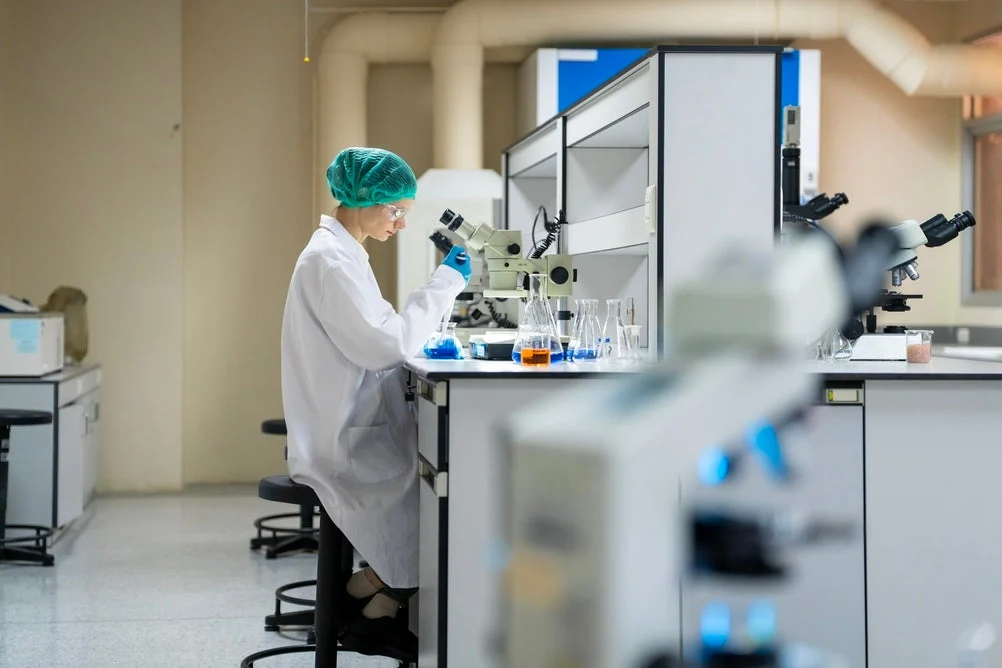
In a significant development for the rare disease community, Cellares and Papillon Therapeutics have announced a strategic collaboration aimed at automating the manufacturing process for PPL-001, an investigational gene-corrected therapy targeting Friedreich’s ataxia (FA). This partnership signifies a crucial step towards overcoming the manufacturing complexities often associated with advanced cell and gene therapies, potentially accelerating their journey from laboratory to patients.
Friedreich’s ataxia is a rare, inherited neurodegenerative disorder that progressively impacts multiple organ systems, including the central nervous system, heart, skeletal muscle, and pancreas. Typically manifesting in childhood or adolescence, the condition is characterized by a debilitating loss of coordination and can lead to hypertrophic cardiomyopathy, a severe form of heart disease. The genetic root of FA lies in an expansion of guanine-adenine-adenine (GAA) repeats within the frataxin (FXN) gene, a mutation implicated in over 95% of diagnosed cases. This genetic anomaly disrupts the production of frataxin, a crucial protein involved in mitochondrial function, leading to cellular dysfunction and widespread damage.
The investigational therapy, PPL-001, represents a pioneering approach to addressing the underlying genetic cause of FA. It is a gene-corrected haematopoietic stem and progenitor cell (HSPC) therapy. This means that the therapy involves collecting a patient’s own HSPCs, which are then genetically modified in a laboratory to correct the faulty FXN gene. These corrected cells are subsequently infused back into the patient, with the aim of restoring normal frataxin levels and mitigating the progression of the disease. The precise nature of gene editing and the handling of patient-derived cells necessitate extremely rigorous process control and a high degree of consistency, challenges that have historically hampered the scalability of such therapies.
Under the terms of the collaboration, Cellares will leverage its proprietary Cell Shuttle platform to adapt and automate the PPL-001 manufacturing process. The Cell Shuttle is an end-to-end, automated manufacturing solution designed specifically for cell therapies. It aims to streamline the complex steps involved in cell therapy production, from cell isolation and genetic modification to expansion and cryopreservation, all within a closed, controlled environment. This automation is expected to significantly enhance the consistency of the manufacturing process, minimize inter-batch variability, and ultimately reduce production costs – critical factors for making advanced therapies accessible to a wider patient population.
Furthermore, Cellares will deploy its Cell Q automated quality control system to support the release testing of PPL-001. Cell Q is designed to automate and standardize the rigorous analytical testing required to ensure the safety, potency, and purity of cell therapy products before they can be administered to patients. The integration of both the Cell Shuttle and Cell Q platforms is intended to create a fully integrated, automated manufacturing workflow, from raw material to final product release.
A History of Innovation and the Need for Automation
The development of therapies for rare genetic disorders like Friedreich’s ataxia has seen remarkable progress in recent years, fueled by advancements in genetic understanding and therapeutic modalities. However, the transition from promising preclinical data to a scalable and reproducible manufacturing process has remained a significant bottleneck. Traditional manual manufacturing methods for cell and gene therapies are often labor-intensive, prone to human error, and struggle to maintain the stringent quality standards required by regulatory bodies. This is particularly true for therapies involving gene editing, where the precise manipulation of genetic material demands unparalleled process control.
Papillon Therapeutics, as the developer of PPL-001, has been actively pursuing strategies to overcome these manufacturing hurdles. The company’s commitment to addressing the genetic root of FA has led to the recognition of PPL-001 by regulatory agencies. It has received both Orphan Drug and Rare Pediatric Disease designations from the U.S. Food and Drug Administration (FDA). These designations are crucial as they offer incentives to drug developers, such as market exclusivity and fee waivers, acknowledging the unmet medical need and the potential benefit to pediatric populations suffering from rare diseases.
The development of PPL-001 has also garnered support from various governmental and non-profit organizations dedicated to advancing rare disease research. Grants from the California Institute for Regenerative Medicine (CIRM), the FA Research Alliance, and the National Institutes of Health (NIH) have played a pivotal role in funding the preclinical and early-stage clinical development of this promising therapy. This multi-faceted support underscores the significant interest and urgency surrounding the development of effective treatments for Friedreich’s ataxia.
Cellares’ Expertise in Cell Therapy Manufacturing
Cellares has emerged as a key player in addressing the manufacturing challenges of cell and gene therapies. The company’s core innovation lies in its integrated, automated platforms that aim to democratize access to these complex treatments. The Cell Shuttle platform is designed as a modular, scalable system capable of handling various cell therapy modalities. Its closed-system design minimizes the risk of contamination and ensures that cells are processed under optimal conditions throughout their manufacturing journey.

The strategic advantage of Cellares’ approach is its ability to standardize and optimize processes that are currently highly variable. By reducing reliance on manual interventions, the Cell Shuttle platform aims to deliver a more consistent product, which is essential for regulatory approval and for ensuring predictable clinical outcomes for patients. The integration of automated quality control through Cell Q further strengthens this proposition, providing real-time monitoring and data capture, which is invaluable for process understanding and regulatory compliance.
A Critical Step Towards Clinical Development and Beyond
Carter Cliff, CEO of Papillon Therapeutics, highlighted the critical importance of this collaboration. He stated, "Friedreich’s ataxia is a devastating disease that begins most often in childhood and adolescence, and PPL-001 represents an innovative approach to addressing its underlying genetic cause. Delivering consistent gene correction across a patient-derived CD34+ population requires a level of process control that manual manufacturing simply cannot guarantee."
Cliff further elaborated on the significance of Cellares’ technology: "Cellares’ manufacturing platform enables that capability at scale, and this collaboration is a critical step toward clinical development and future commercial launch." This statement underscores the belief that Cellares’ automation solutions are not merely an enhancement but a prerequisite for bringing PPL-001 to patients at a commercially viable scale. The ability to achieve consistent gene correction in patient-derived cells is paramount, and the partnership with Cellares provides the necessary technological foundation to achieve this.
The implications of this collaboration extend beyond PPL-001. The successful automation of its manufacturing process could serve as a blueprint for other gene-corrected HSPC therapies targeting similar genetic disorders. It demonstrates a tangible pathway for overcoming the manufacturing hurdles that have, in the past, delayed or even prevented the widespread availability of potentially life-changing cell and gene therapies.
Broader Impact and Future Outlook
The partnership between Cellares and Papillon Therapeutics is indicative of a broader trend in the biopharmaceutical industry: the increasing focus on specialized manufacturing solutions for advanced therapies. As more gene and cell therapies move through clinical trials and approach commercialization, the demand for efficient, scalable, and cost-effective manufacturing capabilities will only intensify. Companies like Cellares are positioned to play a pivotal role in meeting this demand, enabling smaller biotech firms and academic institutions to advance their therapeutic innovations without being encumbered by manufacturing infrastructure limitations.
This collaboration also highlights the growing importance of strategic partnerships in the development of rare disease treatments. By combining Papillon Therapeutics’ deep understanding of FA and its therapeutic candidate with Cellares’ expertise in manufacturing automation, both companies are maximizing their chances of success. This synergistic approach is often essential for navigating the complex landscape of drug development, particularly for diseases that affect smaller patient populations.
The path to regulatory approval and widespread patient access for PPL-001 will undoubtedly involve further clinical trials and rigorous scrutiny from regulatory bodies. However, the automation of its manufacturing process by Cellares represents a significant de-risking of the project. It addresses one of the most formidable challenges in the development of such advanced therapies, paving the way for potential future commercialization.
This recent collaboration follows Cellares’ similar partnership with Sonoma Biotherapeutics, announced earlier, to automate the manufacturing of Sonoma’s lead cell therapy program, SBT-77-7101. These successive collaborations underscore Cellares’ commitment to establishing itself as a leading provider of manufacturing solutions for the rapidly evolving cell therapy landscape. The successful implementation of these partnerships could significantly impact the accessibility and affordability of cell and gene therapies, offering hope to patients suffering from a wide range of debilitating diseases.
The journey of PPL-001 from an investigational therapy to a potentially approved treatment is a testament to scientific innovation and collaborative effort. The partnership between Cellares and Papillon Therapeutics is a critical chapter in this journey, symbolizing a commitment to leveraging cutting-edge technology to address unmet medical needs and improve the lives of patients affected by Friedreich’s ataxia. The success of this endeavor could have far-reaching implications for the entire field of cell and gene therapy manufacturing.