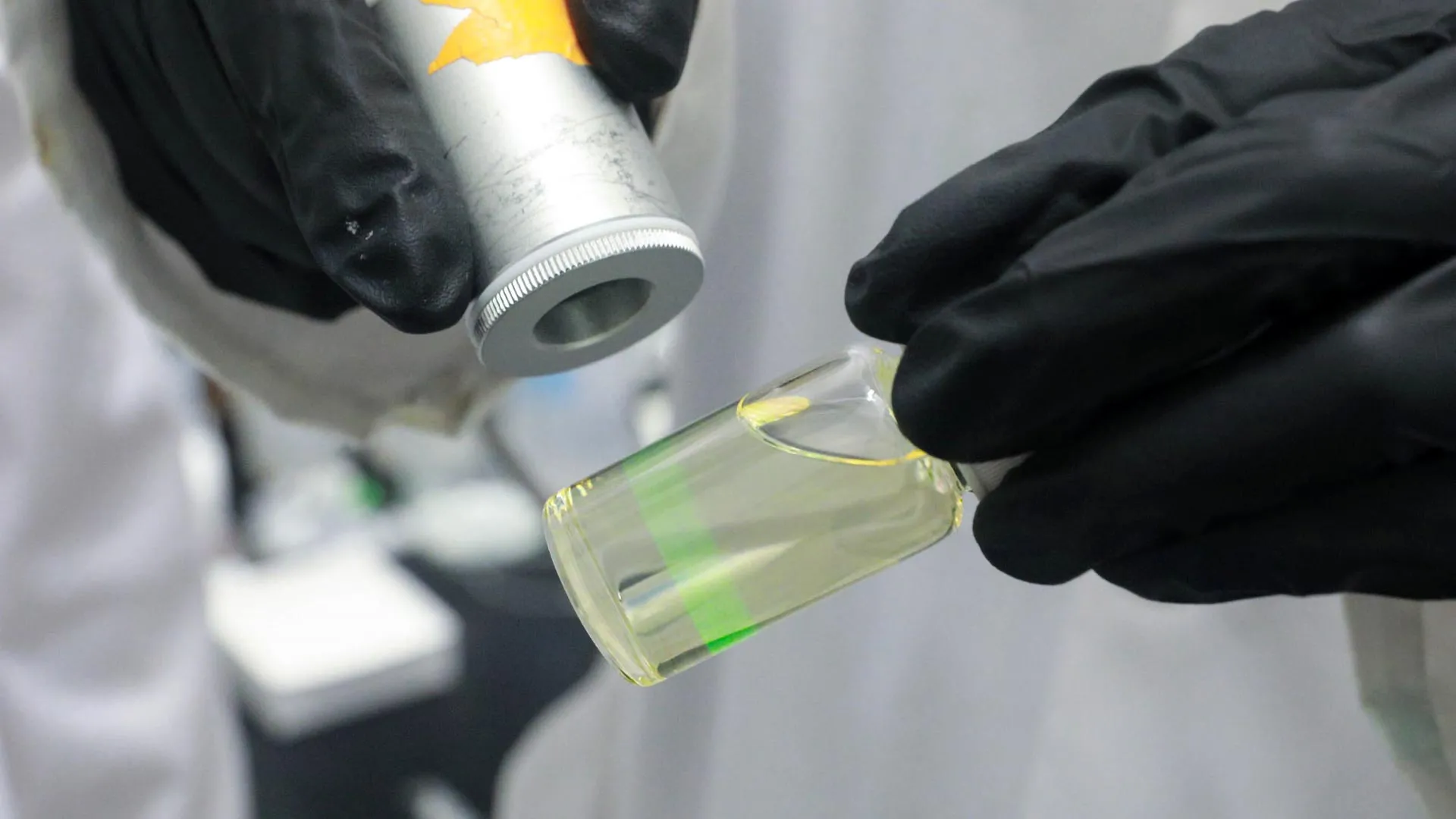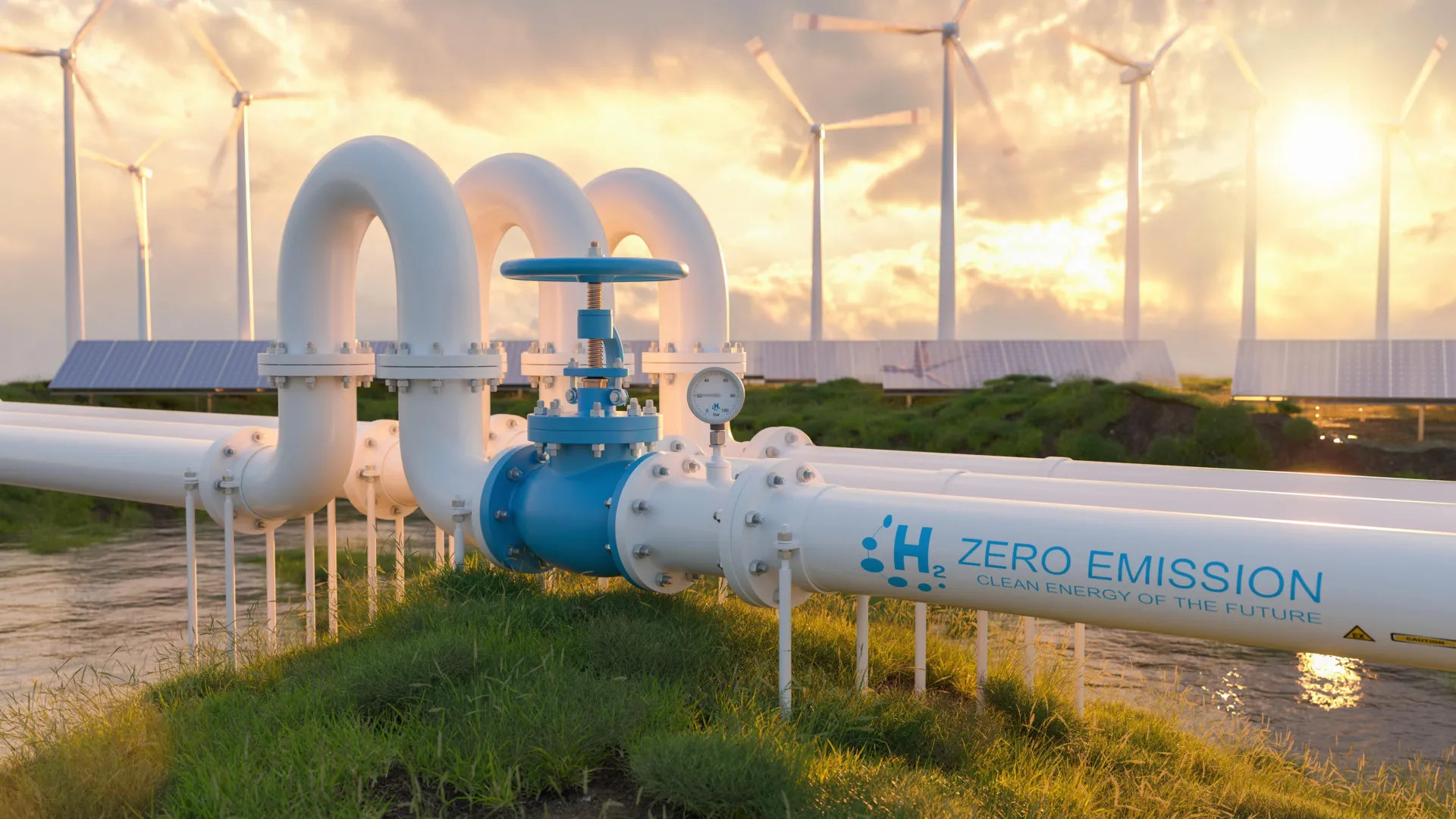
In a significant advancement for the global transition toward sustainable energy, researchers at the University of Birmingham have unveiled a groundbreaking low-temperature method for hydrogen production that promises to make the "fuel of the future" both more affordable and easier to generate on a localized scale. By utilizing a specialized perovskite catalyst, the research team has demonstrated that the intense thermal requirements typically associated with thermochemical water splitting can be slashed by several hundred degrees Celsius. This breakthrough, published in the International Journal of Hydrogen Energy, addresses one of the most persistent bottlenecks in the hydrogen economy: the extreme energy input required to extract pure hydrogen from water without relying on fossil fuels.
Hydrogen is the most abundant element in the universe, yet on Earth, it is rarely found in its pure gaseous form. Instead, it is locked away in compounds such as water (H2O) and hydrocarbons like methane (CH4). While hydrogen is a zero-emission fuel at the point of use—producing only water vapor and heat—the methods used to produce it have historically been carbon-intensive. Currently, approximately 95% of the world’s hydrogen is "grey hydrogen," produced via steam methane reforming (SMR), a process that releases substantial amounts of carbon dioxide. The Birmingham team’s new approach offers a viable "green" or "blue" alternative that bypasses the high costs of electrolysis and the extreme temperatures of traditional thermochemical cycles.
The Science of Low-Temperature Thermochemical Water Splitting
Thermochemical water splitting is a process that uses heat and a chemical catalyst to separate water into its constituent parts: hydrogen and oxygen. Traditionally, this is a two-step cycle. In the first step, a metal oxide or catalyst is reduced at high temperatures, releasing oxygen. In the second step, the material reacts with steam to produce hydrogen while re-absorbing oxygen into its structure.
The primary barrier to commercializing this method has been the staggering temperature requirements. Conventional systems often require the catalyst regeneration step to occur at temperatures between 1,300°C and 1,500°C. Even the initial water-splitting phase typically demands 700°C to 1,000°C. Achieving these temperatures requires specialized, expensive equipment and massive energy inputs, often negating the environmental benefits of the resulting hydrogen.
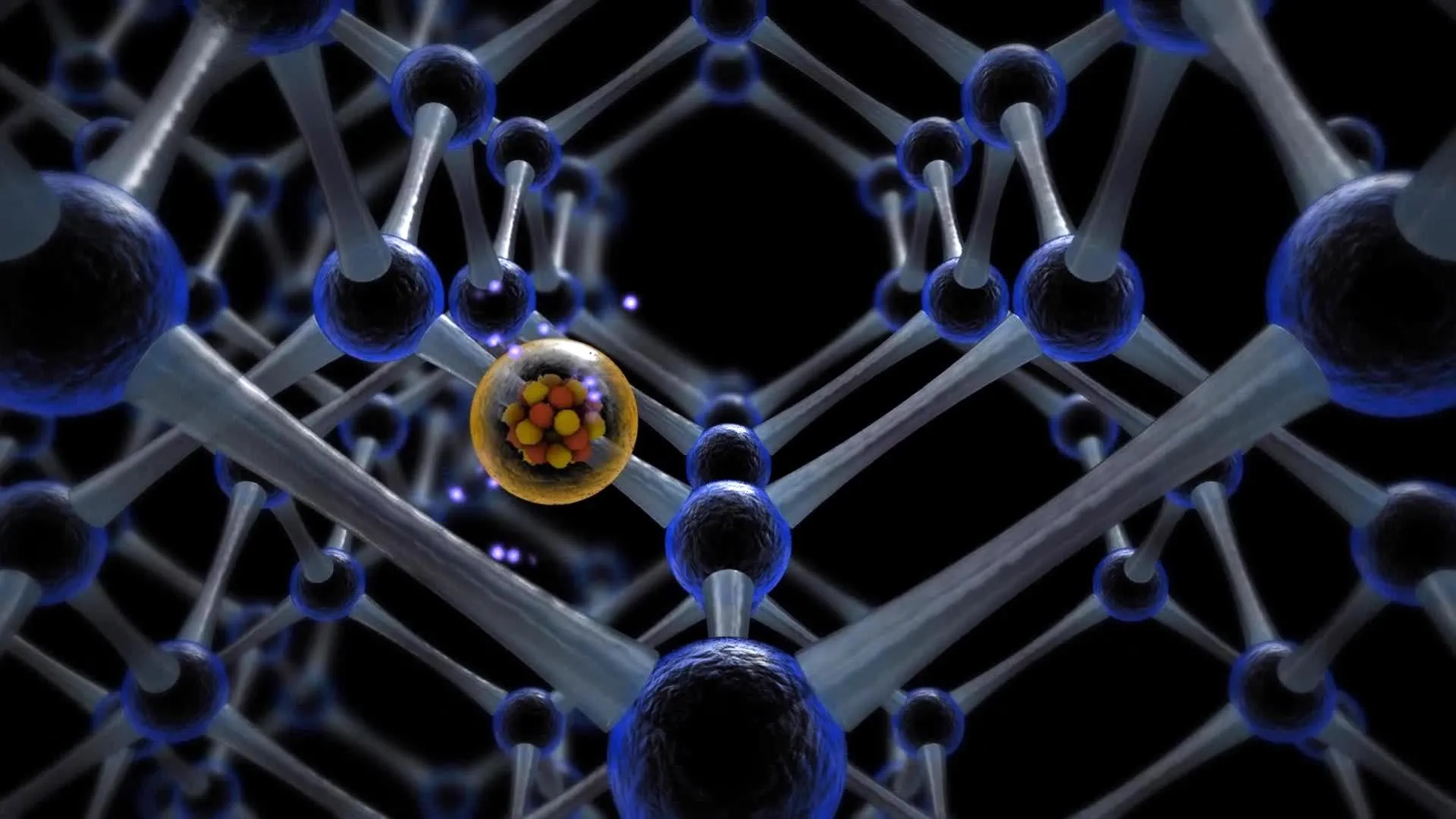
The research team, led by Professor Yulong Ding from the University of Birmingham’s School of Chemical Engineering, focused on a specific class of materials known as perovskites. Perovskites are defined by a unique crystal lattice structure that allows for significant flexibility in chemical composition. The team developed a specific variant known as BNCF catalysts—composed of barium, niobium, calcium, and iron.
The results were transformative. The BNCF catalyst, specifically a version designated as BNCF100, was able to generate substantial hydrogen yields at temperatures as low as 150°C to 500°C. More importantly, the regeneration of the catalyst was achieved at temperatures between 700°C and 1,000°C. This represents a reduction of approximately 500°C compared to existing state-of-the-art thermochemical processes.
Technical Performance and Material Stability
The effectiveness of a catalyst is measured not only by the temperature at which it operates but also by its durability and the purity of its output. During the study, the BNCF100 catalyst underwent rigorous testing to ensure it could withstand the stresses of repeated cycling.
Data from the research indicates that the material remained stable over at least 10 production cycles without significant degradation. X-ray diffraction analysis, a technique used to look at the atomic structure of materials, confirmed that the BNCF100 maintained its structural integrity throughout the process. This stability is crucial for industrial applications, where catalysts must operate for thousands of hours to be economically viable.
The choice of elements—barium, niobium, calcium, and iron—was also strategic. Unlike many high-performance catalysts that rely on rare or precious metals like platinum or iridium, the components of BNCF are relatively abundant and do not involve toxic ingredients. This lowers the "embedded" environmental cost of the technology and reduces the complexity of the manufacturing process, further driving down the potential market price of the hydrogen produced.
Economic Analysis: A Competitive Edge Over Green and Blue Hydrogen
The University of Birmingham researchers did not stop at laboratory proof-of-concept; they also conducted a preliminary techno-economic analysis to determine how this method would fare in the real-world energy market.
Currently, the two primary "clean" contenders are Green Hydrogen (produced via electrolysis using renewable electricity) and Blue Hydrogen (produced from natural gas combined with carbon capture and storage). Green hydrogen remains expensive, with costs often cited between $4 and $6 per kilogram, largely due to the high capital expenditure of electrolyzers and the cost of renewable power. Blue hydrogen is cheaper but remains tied to fossil fuel infrastructure and the efficiency of carbon capture technologies.
The Birmingham study suggests that water splitting using the BNCF perovskite catalyst could produce hydrogen at a lower cost than both the green and blue pathways. This economic advantage is particularly pronounced in regions where renewable electricity is inexpensive. For instance, in countries like Australia, which has vast solar resources but faces challenges in transporting hydrogen over long distances, this low-temperature method could be integrated into local production hubs.
Industrial Synergy and the Utilization of Waste Heat
One of the most compelling implications of this research is the ability to harness "waste heat" from heavy industry. Sector-heavy operations such as steel manufacturing, cement production, glass making, and chemical processing generate enormous amounts of heat that are currently vented into the atmosphere.
Professor Ding highlighted that these "foundation industries" are ideal candidates for the new technology. "The lower overall temperature of the process could enable hydrogen to be produced nearby renewable energy generation plants," Ding explained. "Foundation industry sectors… have an abundance of waste heat, which could be harnessed as the heat input for low-temperature hydrogen production."
By utilizing waste heat that is already being generated, the energy cost of the hydrogen production process drops to near zero. Furthermore, if the hydrogen is produced and consumed on-site—for example, using the hydrogen to fuel the very steel furnaces that provide the waste heat—the need for expensive high-pressure storage and specialized transport infrastructure is eliminated. This "circular" industrial model could be a key factor in decarbonizing sectors that have traditionally been the hardest to abate.
Chronology of Development and Global Collaboration
The development of the BNCF catalyst is the result of an international partnership. The project was carried out in collaboration with the University of Science and Technology Beijing (USTB), combining Birmingham’s expertise in chemical engineering and thermal physics with USTB’s advanced materials research.
The research timeline moved from initial material modeling to laboratory-scale synthesis and eventually to the performance testing and economic modeling recently published. This progression reflects a growing trend in energy research where material science is being directly integrated with economic forecasting to ensure that scientific breakthroughs have a clear path to market.
Following the successful publication of their findings, the University of Birmingham is moving rapidly toward commercialization. University of Birmingham Enterprise has already filed a patent application covering the use of BNCF catalysts for low-temperature water splitting. The university is currently seeking industrial partners to transition the technology from the lab to pilot-scale demonstrations in the United Kingdom and Europe.
Broader Implications for the Global Energy Transition
The timing of this discovery is critical. The International Energy Agency (IEA) has stated that hydrogen will need to play a central role if the world is to reach Net Zero emissions by 2050. However, the IEA also warns that the current pace of green hydrogen deployment is insufficient to meet these goals.
By lowering the "thermal bar" for hydrogen production, the Birmingham team has potentially expanded the geographic and economic zones where clean hydrogen is viable. Small-scale, localized systems could empower communities or industrial parks to become energy-independent, reducing the strain on national power grids.
Furthermore, the stability and low-temperature requirements of the BNCF catalyst may open doors for integration with concentrated solar power (CSP). While traditional thermochemical solar splitting requires massive mirrors to achieve 1,500°C, the Birmingham process could operate with much simpler, less expensive solar thermal collectors that only need to reach 700°C to 1,000°C for the regeneration phase.
Conclusion and Future Outlook
While the preliminary results are highly promising, the transition to full-scale industrial use will require further testing. The next phase of research will likely focus on increasing the number of cycles to ensure long-term durability over years of operation, as well as optimizing the catalyst’s shape and form factor for industrial reactors.
Nevertheless, the discovery of the BNCF100 catalyst marks a pivot point in hydrogen research. By proving that the laws of thermochemistry can be navigated at lower temperatures through clever material design, Professor Ding and his team have provided a blueprint for a more practical, affordable, and decentralized hydrogen economy. As the University of Birmingham seeks partners for commercial development, the energy sector will be watching closely to see if this perovskite breakthrough can finally unlock the full potential of hydrogen as a mainstream fuel.