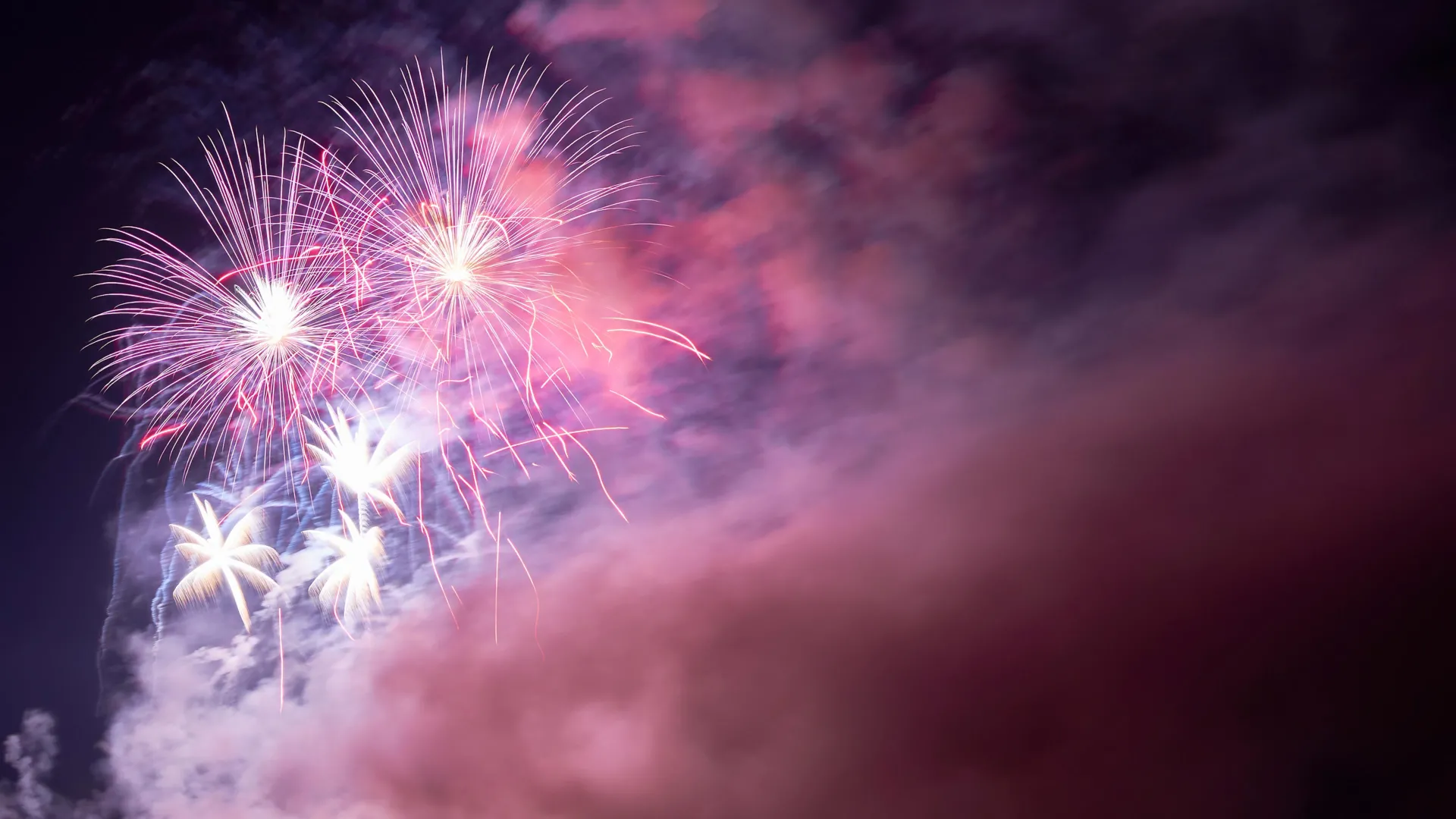
Recent scientific investigations published by the American Chemical Society (ACS) have provided a comprehensive look into the environmental legacy of pyrotechnic displays, revealing that the "glittering" effects of fireworks extend far beyond their visual disappearance. While fireworks have long been a staple of global cultural and national celebrations, three distinct studies now highlight how these events leave a lasting chemical footprint on the atmosphere, local water bodies, and public health. By analyzing everything from the physical debris left in rivers to the microscopic chemical reactions occurring in the haze of the Lunar New Year, researchers are painting a cautionary picture of the hidden costs of pyrotechnics.
The Aquatic Aftermath: How Firecracker Debris Alters Water Chemistry
The first major area of concern identified by researchers involves the physical and chemical residue that falls into local waterways following large-scale displays. In a laboratory-controlled study published in the journal Environmental Science & Technology, scientists examined the lifecycle of spent firecrackers. Traditionally, environmental monitoring has focused on the smoke produced by fireworks, but this study shifted the focus to the solid waste—the charred paper, unburned fuel, and metal salts—that often settles into lakes and rivers.
The research team found that when firecracker debris enters an aquatic environment, it acts as both a source of contamination and a chemical sponge. Upon immersion in lake and river water, the debris was found to leach significant quantities of metal ions, most notably potassium and manganese. These metals are commonly used in fireworks to produce specific colors and to act as oxidizers. Additionally, the debris released a suite of dissolved organic matter, including simple phenols and various sulfur-containing compounds.
Perhaps more surprisingly, the study noted that the leftover solid material also absorbed certain substances already present in the water. The charred packaging and carbonized fuel remnants acted similarly to activated charcoal, soaking up complex organic compounds from the surrounding environment. This "dual-action" chemical exchange suggests that firecracker litter can fundamentally shift the baseline chemistry of a water body. According to the researchers, these shifts pose a direct threat to microbial communities. Microbes form the foundation of aquatic food webs, and sudden influxes of metal ions or changes in organic matter concentrations can lead to "dead zones" or toxic blooms that disrupt fish and plant life.
Air Quality and Public Events: Measuring the Cumulative Burden
While the water-based study highlighted the physical residue, a second study published in ACS ES&T Air turned its attention to the air quality at large-scale public events. This research took place during a multi-day athletic event in the United Kingdom, providing a rare opportunity to compare the pollution generated by fireworks against other common festival activities, such as industrial cooking and vehicle traffic.
Using high-precision monitoring equipment, the research team tracked the concentration of particulate matter (PM), which is categorized by size. PM10 (coarse particles) and PM2.5 (fine particles) are of particular concern to health officials because they can be inhaled deep into the lungs. The study recorded sharp, short-lived spikes in both categories throughout the duration of the event.
The data revealed a complex "pollution profile" for the celebration. While food vendors (cooking emissions) and heavy vehicle traffic (dust and exhaust) accounted for a steady baseline of pollution, the opening and closing ceremonies—which featured prominent fireworks displays—produced the most intense spikes in fine particulate matter. The researchers noted two distinct peaks: the first occurred as massive crowds arrived, stirring up road dust and debris, and the second, slightly smaller but more chemically dense peak, occurred immediately following the pyrotechnic shows.
Crucially, the researchers calculated that attendees who stayed for the entirety of the multi-day event were exposed to average air pollution levels that exceeded the World Health Organization’s (WHO) recommended safety limits. This finding suggests that for event staff, athletes, and dedicated spectators, the cumulative respiratory burden of a single festival could have measurable health implications, particularly for those with pre-existing conditions like asthma or cardiovascular disease.
The Invisible Haze: Amines and Secondary Aerosol Formation
The third study, published in Environmental Science & Technology Letters, delved into the molecular level of firework smoke, focusing on a group of chemicals known as amines. Amines are nitrogen-containing organic compounds used in firework formulations as stabilizers and to help produce certain colors. Unlike the visible ash and smoke, amines can exist as gases that undergo secondary chemical reactions in the atmosphere.
Monitoring these compounds during Lunar New Year celebrations in a suburban area of China, researchers found a dramatic surge in atmospheric amines. The concentrations of several specific amine types were significantly higher during the peak of the festivities compared to non-celebratory periods. These gases do not simply dissipate; they react with other atmospheric components, such as sunlight and moisture, to form secondary organic aerosols.
These aerosols are a primary component of the persistent haze that often lingers over cities for days after a major holiday. The study also recorded elevated levels of sulfate and potassium ions, which are known "fingerprints" of pyrotechnic combustion. The significance of this research lies in the realization that fireworks contribute more than just "temporary" smoke; they trigger a secondary cycle of chemical reactions that degrade air quality long after the noise has stopped. The researchers concluded that the presence of these amines adds a previously under-appreciated layer of complexity to the environmental impact of fireworks, complicating efforts to manage urban smog.
Chronology of Impact: From Ignition to Ecosystem Disruption
To understand the full scope of the issue, it is necessary to view the impact of fireworks through a chronological lens. The environmental "event" begins weeks before the first fuse is lit, as tons of pyrotechnic materials are transported and stored. However, the true impact begins at the moment of ignition:
- Phase 1: The Combustion (Minutes to Hours): Immediate release of gases (CO2, NOx, SO2) and fine particulate matter. This is the period of highest respiratory risk for spectators.
- Phase 2: The Fallout (Hours to Days): Heavier particles and unburned debris settle onto the ground and into water bodies. This is when the leaching of metal ions into the soil and water begins.
- Phase 3: The Chemical Evolution (Days to Weeks): Gaseous amines and other volatile organic compounds react in the atmosphere to form secondary aerosols, contributing to regional haze and reduced visibility.
- Phase 4: The Ecological Integration (Months): Metal ions like manganese and potassium move through the aquatic food chain. Persistent debris that is not cleaned up continues to alter the microbial balance of local ecosystems.
Public Health and Official Responses
Health organizations have begun to take note of these findings. While the WHO has not yet issued specific guidelines regarding fireworks, the data from the UK study regarding PM2.5 exposure has prompted calls for better crowd management and "green" pyrotechnic alternatives. Medical professionals have long observed an uptick in emergency room visits for respiratory distress following major holidays like the Fourth of July or Diwali, and these ACS studies provide the chemical evidence to support those clinical observations.
In response to similar data, several major cities globally have begun to implement restrictions. Beijing and other Chinese cities have frequently banned or limited fireworks during Lunar New Year to combat "winter smog." In India, the Supreme Court has previously mandated the use of "green fireworks"—formulations that do not contain barium and other highly toxic metals—though enforcement remains a challenge.
Environmental advocates argue that the solution lies in a combination of better cleanup protocols and technological shifts. "The data regarding water chemistry is particularly telling," says one environmental policy analyst. "It suggests that simply cleaning up the visible trash on the ground isn’t enough. If the debris lands in a river, the chemical exchange happens almost immediately. We need to rethink where these displays are held."
Broader Implications and the Future of Celebrations
The synthesis of these three studies suggests that the environmental cost of fireworks is multifaceted, affecting the air we breathe, the water we drink, and the ecosystems that support life. As urban populations grow and celebrations become more elaborate, the "dilution" of these pollutants becomes less effective.
The implications for the pyrotechnics industry are significant. There is a growing market for "perchlorate-free" and "metal-reduced" fireworks, which aim to provide the same visual thrill with a lower chemical footprint. Furthermore, many municipalities are exploring high-tech alternatives, such as synchronized drone light shows or laser displays, which offer a visual spectacle without the release of particulate matter or chemical debris.
In conclusion, while fireworks remain a symbol of joy and community, the recent research from the American Chemical Society highlights a pressing need for balance. By understanding the chemical lifecycle of a firework—from the amines in the smoke to the manganese in the water—policymakers and the public can make more informed decisions about how to celebrate without leaving a toxic legacy for the next generation. The transition toward more sustainable celebrations will likely require a combination of stricter regulations, technological innovation, and a shift in public expectations regarding what a "spectacular" show truly entails.