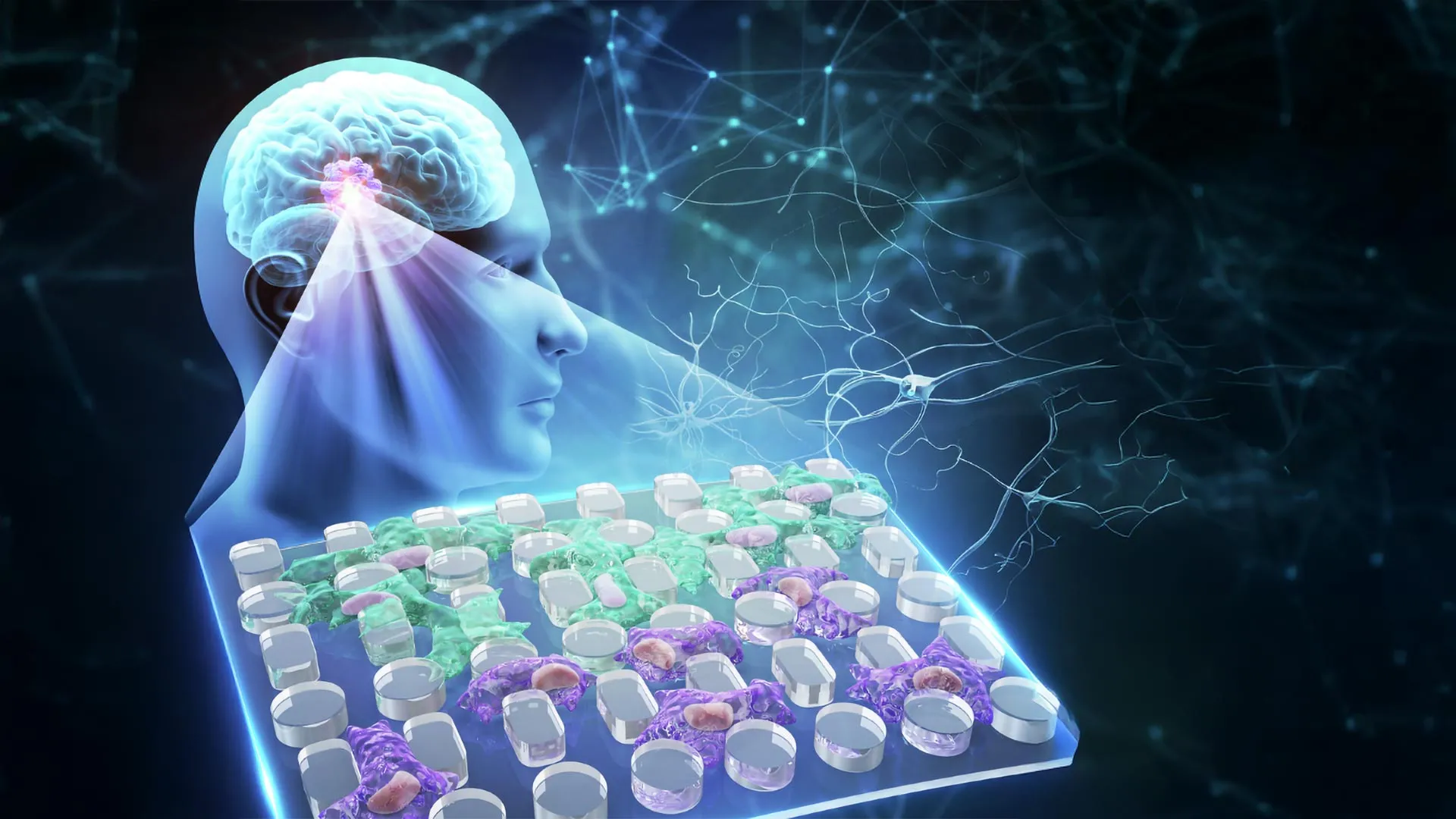
Researchers at King’s College London have identified a promising new therapeutic strategy for Alzheimer’s disease by targeting several of the condition’s earliest biological changes simultaneously. The study, published in a leading neurological journal, demonstrates that KCL-286—an experimental drug originally developed to treat spinal cord injuries—effectively reduced multiple hallmarks of Alzheimer’s disease in preclinical mouse models. By focusing on DNA repair and the reduction of neuroinflammation, KCL-286 offers a departure from traditional treatments that primarily target the accumulation of toxic proteins in the brain.
The significance of this discovery lies not only in the drug’s novel mechanism of action but also in its developmental status. KCL-286 is a first-in-class, orally bioavailable small molecule that has already successfully cleared Phase 1 human safety and tolerability trials. This existing safety profile could potentially bypass years of foundational clinical testing, accelerating the timeline for its availability to patients suffering from the world’s most common form of dementia.
A New Frontier Beyond Amyloid and Tau
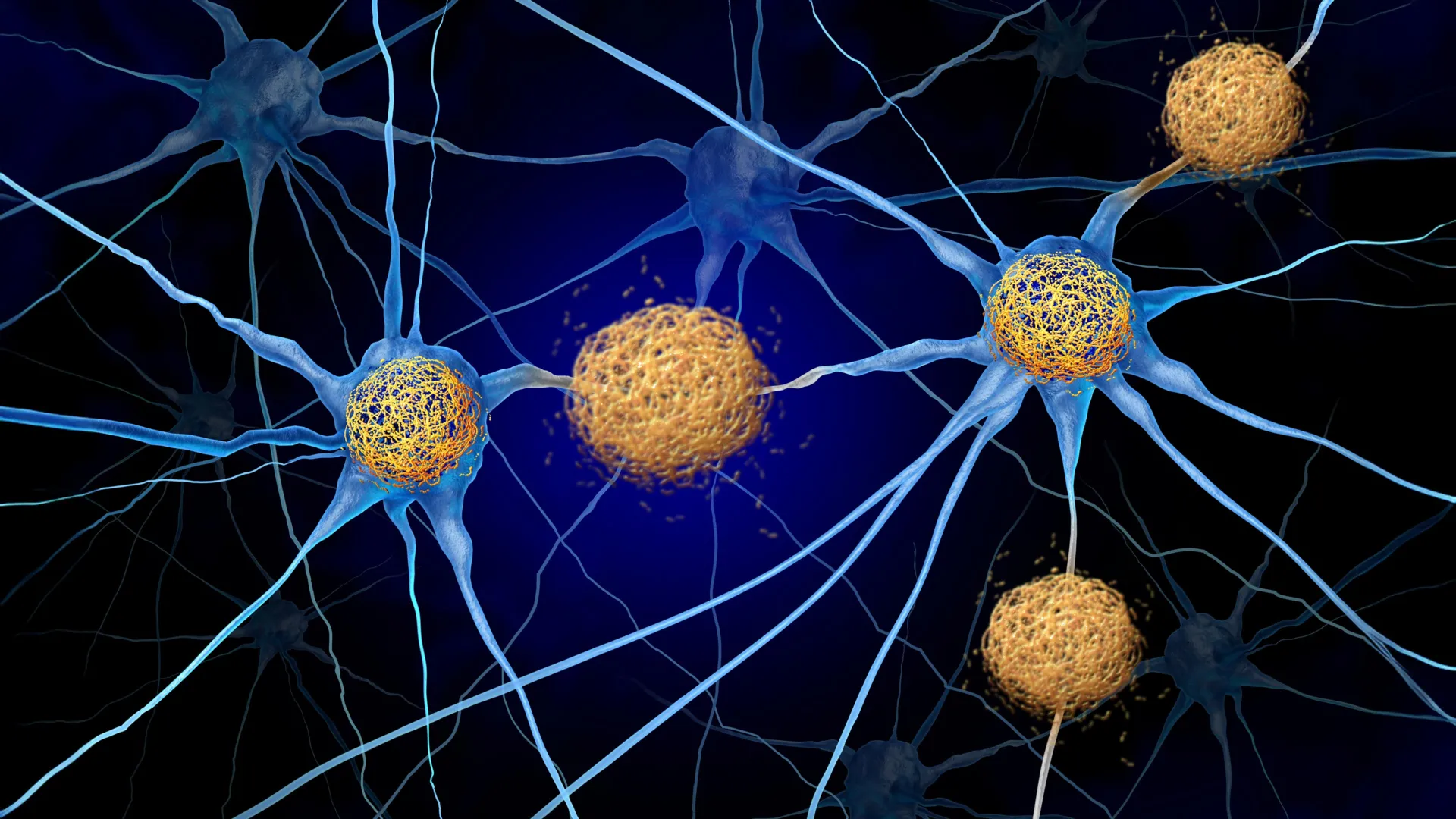
For decades, the "Amyloid Hypothesis" has dominated Alzheimer’s research. This theory posits that the primary driver of the disease is the accumulation of amyloid-beta plaques and tau tangles, which disrupt cell communication and eventually lead to widespread neuronal death. While recent FDA-approved treatments such as lecanemab and donanemab have shown success in clearing amyloid from the brain, their clinical benefits—while measurable—remain modest. Many patients continue to experience cognitive decline despite the removal of these protein deposits.
In response, the scientific community has begun exploring additional biological processes that occur much earlier in the disease’s progression. Among the most critical of these are DNA damage and chronic neuroinflammation. Evidence suggests that these cellular malfunctions appear long before the first symptoms of memory loss manifest, offering a "window of opportunity" for disease-modifying therapies to intervene.
The King’s College London study found that KCL-286 successfully repaired damaged DNA and suppressed inflammatory responses in the brains of mice. By addressing these early-stage mechanisms, the drug could represent a broader, more robust therapeutic approach than traditional monotherapies aimed solely at protein clearance.
"Our findings demonstrate that KCL-286 not only targets DNA damage but also reduces inflammation, two processes that occur very early in Alzheimer’s disease progression," stated Dr. Maria Goncalves, who managed the drug’s development project. "This highlights its potential as a disease-modifying therapy rather than simply addressing symptoms."
The Mechanism: Activating the Retinoic Acid Pathway
KCL-286 operates by activating a specific protein involved in the retinoic acid pathway, a critical biological system that helps the body process Vitamin A. Retinoic acid signaling is essential for the development and maintenance of the central nervous system. Previous research has indicated that disruptions in this pathway are closely associated with the formation of amyloid-beta deposits and general cognitive decline.
The drug’s ability to repair DNA is particularly noteworthy. Neurons are long-lived cells that do not frequently replicate, making them highly susceptible to the accumulation of DNA damage over time. One of the most severe forms of this damage is the DNA double-strand break (DSB).
"DNA double-strand breaks are like a rope snapping completely in two, rather than just fraying at the edges," explained Professor Jonathan Corcoran, Professor of Neuroscience at the Institute of Psychiatry, Psychology & Neuroscience at King’s College London. "We found that KCL-286 promotes the repair of these breaks, allowing us to target a key feature of Alzheimer’s disease that has been largely overlooked in traditional drug development."
Earlier studies on KCL-286 in the context of neuropathic pain and spinal cord injury showed that the drug could stimulate nerve regeneration by repairing these same types of double-strand breaks. The researchers hypothesized that this regenerative capability could be translated to the neurodegenerative environment of an Alzheimer’s brain, a theory that the current study appears to validate.
Chronology of KCL-286 Development and Repurposing
The journey of KCL-286 began in the field of acute trauma and regenerative medicine. The research team at King’s College London initially identified shared molecular pathways between acute spinal cord injury and chronic neurodegenerative diseases like Alzheimer’s. Both conditions involve a cascade of inflammation, loss of synaptic plasticity, and significant DNA damage.
- Initial Discovery: Researchers identified the retinoic acid receptor beta (RARβ) as a target for promoting axonal growth and DNA repair in the central nervous system.
- Drug Synthesis: KCL-286 was developed as a potent, selective agonist for RARβ, designed to be taken orally to ensure ease of administration for long-term treatment.
- Phase 1 Clinical Trials: The drug underwent Phase 1 human trials to assess its safety, metabolism, and tolerability. It passed these trials successfully, proving it was safe for human consumption and could reach the brain effectively.
- Repurposing for Alzheimer’s: Drawing on the shared pathways between spinal injury and dementia, the team initiated mouse model studies to see if KCL-286 could halt the progression of Alzheimer’s-related pathology.
- Current Findings: The study confirmed that KCL-286 reduces inflammation and repairs DNA, positioning it as a candidate for Phase 2 trials specifically for Alzheimer’s patients.
By repurposing a drug that has already passed the safety hurdles of Phase 1, the researchers estimate they could save three to five years of development time. "This will dramatically cut down the traditional multi-year timeline required for new drug development," Professor Corcoran noted.
Supporting Data and Preclinical Results
In the mouse models used for the study, researchers observed a significant reduction in the markers of neuroinflammation, specifically a decrease in the overactivity of microglia—the brain’s immune cells. While microglia are necessary for clearing debris, their chronic overactivation in Alzheimer’s leads to a "cytokine storm" that damages healthy neurons.
Furthermore, the data showed a marked increase in the presence of DNA repair enzymes following the administration of KCL-286. Mice treated with the drug exhibited better synaptic density compared to the control group, suggesting that the repair of DNA and reduction of inflammation directly contributed to the preservation of neuronal connections.
Natasha Hill, one of the first authors of the paper, emphasized the importance of this multi-pronged attack. "To develop an effective treatment for Alzheimer’s disease, we need to tackle multiple aspects of the disease," Hill said. "KCL-286 was able to target multiple disease-relevant cellular pathways, some of which are initiated very early in the disease course."
Analysis of Implications for Global Healthcare
The potential introduction of KCL-286 comes at a critical time for global healthcare systems. According to the World Health Organization (WHO), more than 55 million people worldwide are currently living with dementia, a figure expected to rise to 139 million by 2050 as the global population ages. The economic burden of caring for Alzheimer’s patients is estimated to exceed $1.3 trillion annually.
The current standard of care for Alzheimer’s involves either symptomatic treatments (like cholinesterase inhibitors) or expensive monoclonal antibody infusions (like lecanemab). These infusions often require specialized clinics, frequent hospital visits, and carry risks of side effects such as brain swelling or microhemorrhages (ARIA).
In contrast, KCL-286 is an orally bioavailable small molecule. An oral "pill-based" therapy would significantly lower the barrier to treatment, allowing patients to manage their condition at home and reducing the strain on healthcare infrastructure. Furthermore, small molecules are generally less expensive to manufacture and distribute than biological antibodies, potentially making the treatment more accessible in low- and middle-income countries.
The drug’s focus on early-stage DNA damage also opens the door for "preventative" neurology. If KCL-286 is proven effective in humans, it could eventually be prescribed to individuals in the "prodromal" or preclinical stages of Alzheimer’s—those who show early biological markers of the disease but have not yet developed significant cognitive impairment.
Future Outlook and Next Steps
Despite the optimistic results, the researchers caution that the study was conducted on mouse models, and human brains are significantly more complex. The next phase of research will involve moving KCL-286 into Phase 2 clinical trials with human Alzheimer’s patients to determine the optimal dosage and confirm that the DNA repair mechanisms observed in mice translate to human subjects.
The scientific community has reacted with cautious optimism. Independent experts note that while many drugs show promise in mice, the "translational gap" in Alzheimer’s research is notoriously high. However, the unique focus on the retinoic acid pathway and DNA repair provides a fresh avenue for research that complements existing amyloid-focused strategies.
If KCL-286 succeeds in subsequent trials, it could herald a new era of "combination therapy" for Alzheimer’s, where patients might take one drug to clear existing plaques and another, like KCL-286, to repair cellular damage and prevent further inflammation.
The work at King’s College London underscores a shifting paradigm in neuroscience: the realization that to stop a disease as complex as Alzheimer’s, medicine must move beyond clearing the "trash" of the brain and begin repairing the very machinery of the cells themselves. With KCL-286 already having a head start in the regulatory process, the hope for a more effective, accessible treatment has never been more tangible.