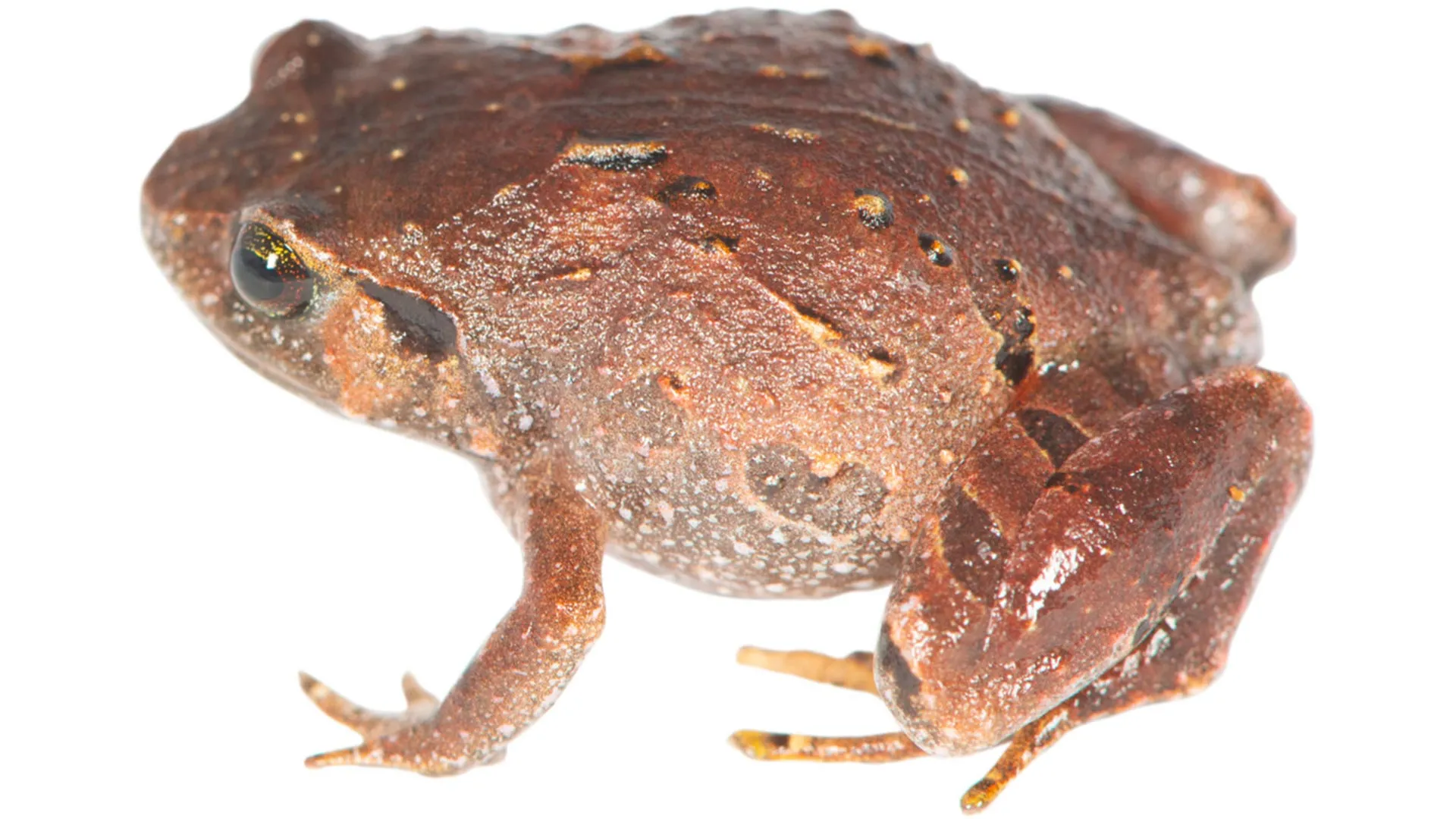
The discovery of seven previously undescribed species within the genus Rhombophryne, commonly known as diamond frogs, marks a significant milestone in Malagasy herpetology and global biodiversity assessment. By integrating advanced genomic sequencing with traditional morphological analysis, an international consortium of researchers has expanded the known diversity of these enigmatic amphibians, bringing the total recognized species count for the genus to 27. This taxonomic revision, published following more than a decade of field and laboratory work, addresses long-standing confusion regarding the evolutionary lineages of Madagascar’s leaf-litter-dwelling frogs and provides critical data for the country’s ongoing conservation initiatives.
A Taxonomic Puzzle Twelve Years in the Making
The effort to classify Rhombophryne began in earnest twelve years ago, driven by the persistent observation of morphological and genetic anomalies in field specimens that did not align with existing taxonomies. Researchers working in the diverse forest ecosystems of Madagascar frequently encountered individuals that exhibited distinct call patterns, subtle skeletal differences, or unique genetic signatures, yet the lack of a modern, comprehensive framework made formal identification nearly impossible.
The primary obstacle facing the team was the "taxonomic backlog"—a common hurdle in biology where historical species descriptions, often dating back to the 19th or early 20th century, lack the precision required for modern genetic verification. Many type specimens—the original samples upon which species names are based—had degraded over time, making it difficult for contemporary scientists to determine whether a newly found frog represented a genuinely new species or a rediscovery of one described decades prior.
Museomics: The Bridge Between Past and Present
To resolve these discrepancies, the team utilized "museomics," a burgeoning field that applies high-throughput DNA sequencing to degraded biological samples stored in museum collections. By extracting and sequencing genetic material from century-old type specimens housed in European and Malagasy museums, the researchers were able to establish a definitive genetic baseline.
Dr. Alice Petzold, who led the museomic component of the project at the University of Potsdam, emphasized that this approach transforms static museum archives into dynamic tools for modern research. "We are effectively using the past to validate the present," Petzold noted. By comparing the ancient DNA of original type specimens with fresh samples collected during expeditions, the team successfully untangled decades of misclassifications, enabling them to confidently designate seven new species while simultaneously clarifying the status of existing ones.
Morphological Complexity and Ecological Strategy
Diamond frogs are characterized by their extreme adaptability and, in some cases, a high degree of camouflage. Their common name reflects their distinct shape, which often appears stout or "diamond-like," yet their ecological roles vary significantly. While some species are ground-dwelling specialists adapted for life in deep forest litter, others have evolved elongated limbs suited for life in mossy environments.
The genus is notoriously difficult to survey because the frogs are "crypto-diverse"—they hide their distinct evolutionary identities beneath a veneer of physical similarity. Many species remain concealed beneath dense layers of forest floor debris for the majority of their life cycles. When they do emerge, their coloration is often a muted brown, designed to blend perfectly with the decaying foliage of Madagascar’s primary forests.
However, the research team identified that this lack of visual distinction is often deceptive. Several species possess hidden, vibrant pigmentation—such as flashes of orange or high-contrast white and black patterns on their thighs and backs—which likely serve as a defensive mechanism to startle predators when the frogs are threatened. These unique traits, when combined with skeletal analysis and distinct acoustic mating calls, served as the diagnostic evidence required to distinguish the seven new species from their closest relatives.
Implications for Madagascar’s Biodiversity 30×30 Program
The timing of these findings is critical, as Madagascar faces escalating threats from habitat loss and climate change. In March 2026, as part of the nation’s Biodiversity 30×30 Program—a commitment to protect 30% of the island’s landmass by 2030—the new findings were incorporated into land-management strategy workshops.
The inclusion of newly described species like Rhombophryne quentini in conservation planning is not merely an academic exercise. By identifying where these species reside, conservationists can more accurately map high-priority "micro-refugia." Many of these frogs are narrow-range endemics, meaning they may exist in only a single valley or forest fragment. Without formal recognition of their status as distinct species, these areas might be overlooked for protection, leading to the potential extinction of species that have not yet even been named.
Dr. Andolalao Rakotoarison of the Institut d’Enseignement Supérieur de Soavinandriana Itasy highlights the ongoing challenge: "Knowing these frogs exist is the first step, but we remain in a race against time. We still lack data on the basic biology of these creatures—their reproductive cycles, their exact population densities, and their specific dietary needs." The lack of this foundational data makes it difficult to assess the conservation status of each species under the IUCN Red List criteria, an oversight the team hopes to address in future research.
A Fragile Future for Malagasy Amphibians
Madagascar is home to some of the most unique biodiversity on the planet, with approximately 90% of its wildlife found nowhere else on Earth. The genus Rhombophryne serves as a microcosm for the broader state of Malagasy conservation. The fragmentation of forests, driven by agricultural expansion and charcoal production, continues to isolate these populations, potentially reducing their genetic viability over time.
The research team’s work underscores a sobering reality: even as scientists document these species, the ecosystems that sustain them are under siege. The fact that seven new species were hiding in plain sight—or, more accurately, beneath the feet of researchers—suggests that the total tally of Madagascar’s amphibian diversity is likely much higher than current estimates.
Future Research Directions
Lead author Dr. Mark D. Scherz views this study as the beginning of a larger, more comprehensive survey of Madagascar’s micro-fauna. "Every newly described species represents millions of years of unique evolutionary history that we are only just beginning to understand," he stated. The team plans to extend their research to remote, under-surveyed regions of the island, utilizing acoustic monitoring to detect species that are too elusive for traditional visual sampling.
The integration of citizen science, combined with continued collaboration between European institutions and Malagasy researchers, is expected to play a vital role in the coming decade. As technology continues to lower the cost and increase the speed of genomic sequencing, the ability to identify new species in real-time could revolutionize how conservationists approach the protection of endangered habitats.
Ultimately, the discovery of the seven diamond frogs serves as a reminder that the world’s "hidden" biodiversity remains a vast, untapped frontier. For conservationists, the message is clear: protecting the forest floor is not just about preserving trees, but about safeguarding an entire hidden world of evolutionary history that has been quietly evolving for millennia. As the Biodiversity 30×30 initiative moves forward, the data provided by this team will serve as a foundational pillar, ensuring that Madagascar’s smallest inhabitants receive the attention they need to survive in an increasingly fragmented landscape. The taxonomic puzzle may have been partially solved, but the broader quest to understand the full extent of life on Earth continues.