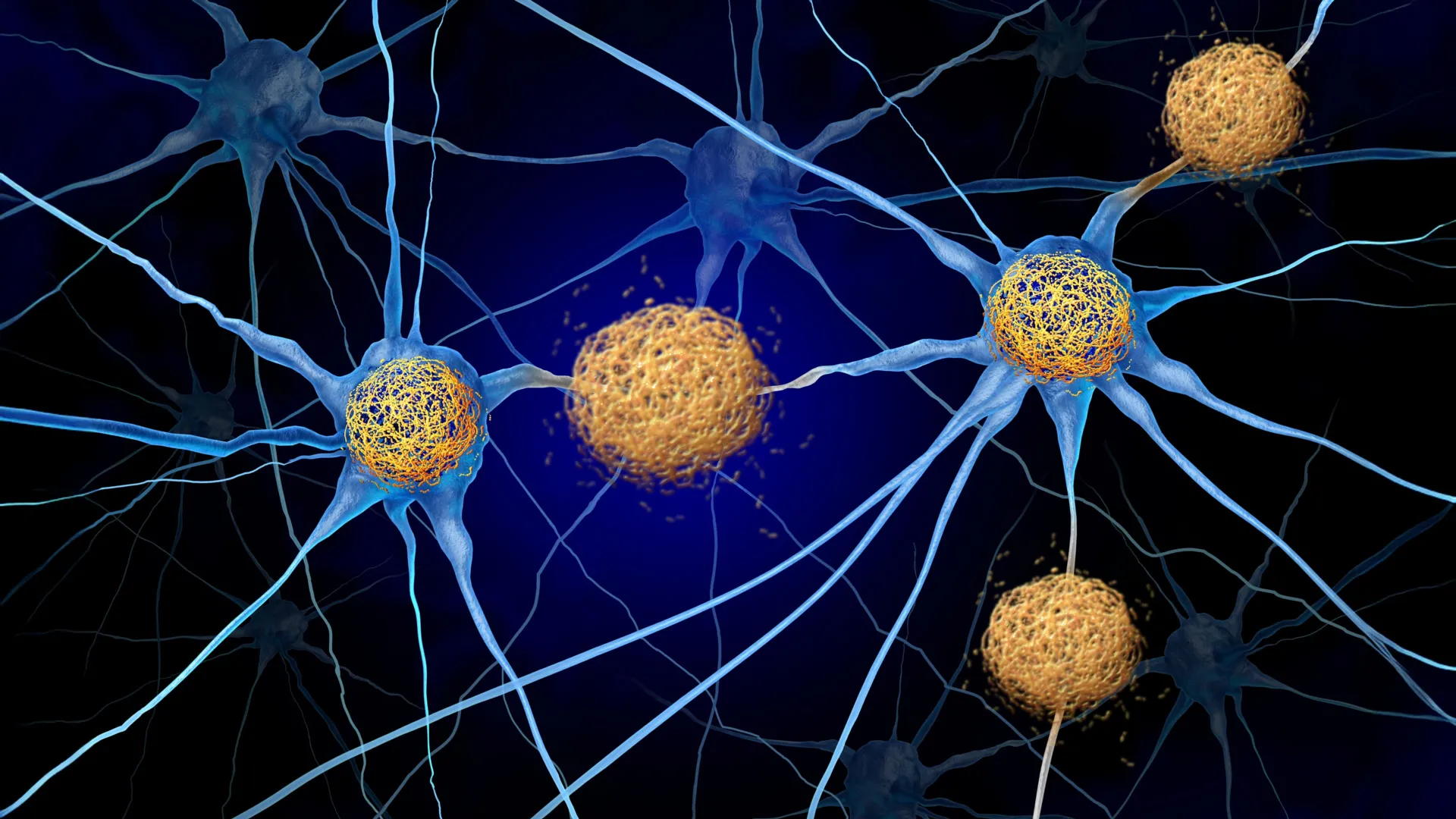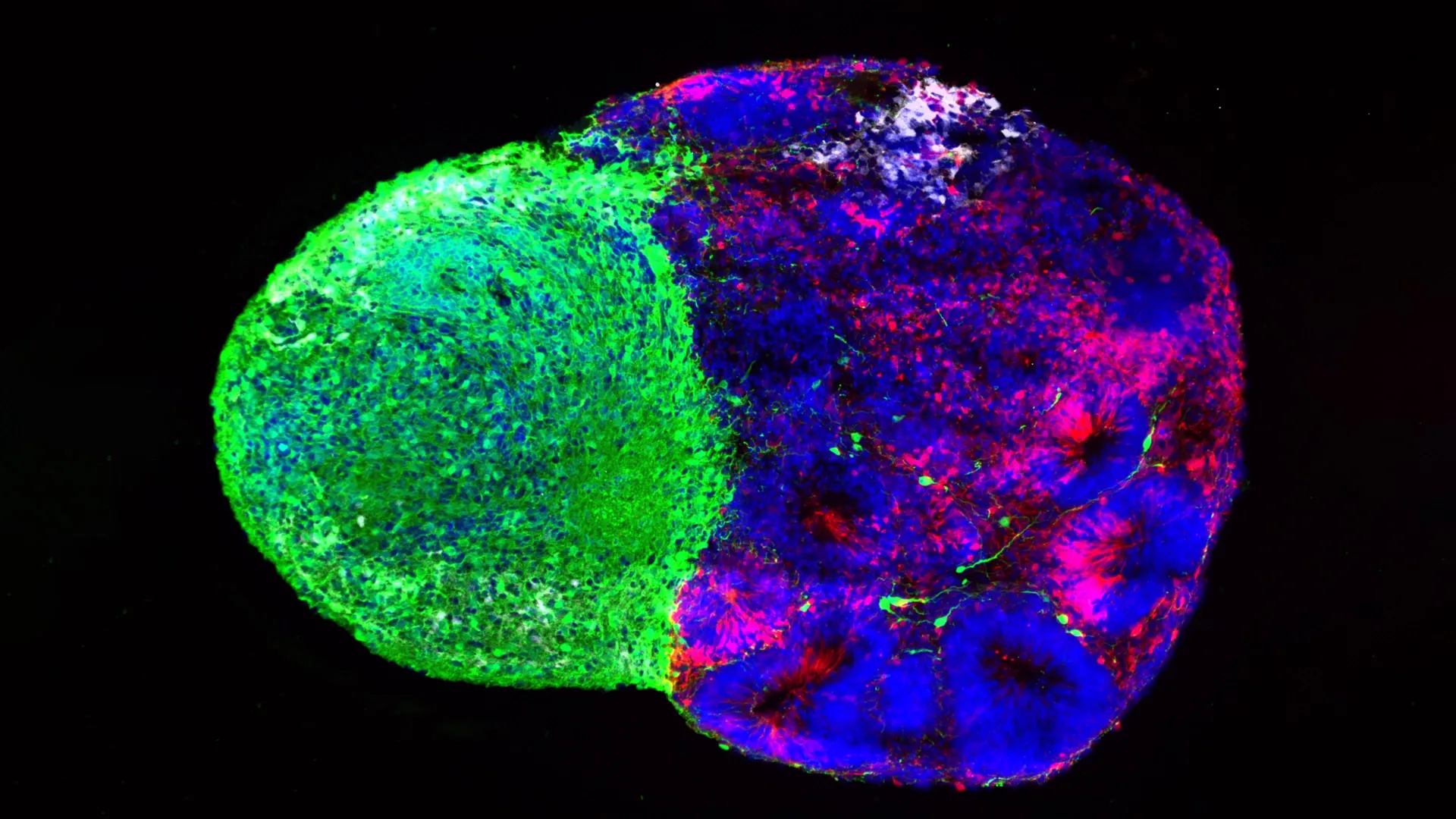
A landmark collaborative study led by researchers at Carnegie Mellon University (CMU), the University of Pittsburgh School of Medicine, and the University of Washington has unveiled a pivotal, previously overlooked dimension of Alzheimer’s disease: the three-dimensional structural collapse of the genome within brain cells. Published in the journal Science, this research moves the scientific community beyond the traditional focus on amyloid-beta plaques and tau protein tangles, suggesting that the very architecture of DNA inside the nucleus plays a critical role in the progression of the neurodegenerative condition.
The study, which integrated single-cell sequencing, spatial transcriptomics, and advanced artificial intelligence, provides a comprehensive view of how the physical folding of DNA—and the subsequent loss of its organizational integrity—alters gene expression and accelerates brain tissue decay. By mapping these structural shifts, researchers have opened a new diagnostic and therapeutic window into a disease that currently affects approximately seven million Americans, with prevalence expected to rise significantly as the global population ages.
The Historical Context: Moving Beyond the Amyloid Hypothesis
For decades, the “Amyloid Cascade Hypothesis” has dominated Alzheimer’s research. This theory posits that the accumulation of amyloid-beta plaques between neurons and the buildup of tau protein tangles inside them are the primary drivers of cognitive decline. While these features are undeniable hallmarks of the disease, clinical trials targeting these proteins have frequently yielded mixed results, failing to consistently halt or reverse cognitive impairment.
This limitation has pushed the scientific community to investigate what researchers call the "molecular landscape" of the brain. The new study highlights that DNA is not a static blueprint; it is a dynamic, three-dimensional structure. Chromatin—the complex of DNA and proteins—must fold precisely to ensure that specific genes are activated or silenced at the right time. When this folding is disrupted, the regulatory mechanisms of the cell falter, leading to the cellular dysfunction characteristic of neurodegeneration. By shifting the focus to chromatin organization, the research team is effectively adding a "third dimension" to the pathology of Alzheimer’s.
Chronology of the Investigation
The research project was a multi-year endeavor that relied on postmortem brain tissue from participants in longitudinal dementia studies. The process involved several distinct phases of data integration:
- Tissue Collection and Preparation: Researchers obtained samples from the prefrontal cortex—the region of the brain responsible for complex cognitive behavior and decision-making. These samples were carefully categorized to compare the genomic architecture of individuals with and without Alzheimer’s.
- GAGE-seq Implementation: The team utilized GAGE-seq, a sophisticated technique capable of measuring gene expression and 3D genome contacts within the same individual cell. This allowed the researchers to create a "paired view" of how the genome is shaped and how it functions simultaneously.
- Spatial Transcriptomic Mapping: To understand the broader context, these molecular insights were overlaid onto spatial maps of the brain tissue. This step was crucial for identifying not just what was happening inside the cells, but where these changes were occurring relative to the physical landscape of the brain.
- Computational Modeling (Hicformer): The team developed and deployed an AI model called Hicformer. By training this model on DNA sequence data and folding patterns, the researchers could predict how specific structural changes would influence gene activity, creating a computational sandbox to simulate disease-related cellular behavior.
The Findings: "Increased Compartment Mingling"
The core discovery of the study is that the highly ordered structure of the genome in healthy neurons breaks down in the brains of Alzheimer’s patients. Under normal conditions, the genome is organized into distinct "compartments"—active regions where genes are easily accessed and inactive regions where they are sequestered.
In Alzheimer’s-affected cells, these boundaries appear to blur. The researchers identified a phenomenon termed "increased compartment mingling," where sections of the genome that should remain separate begin to interact indiscriminately. This loss of structural definition correlates with a significant reduction in the activity of genes essential for synaptic health, neuronal maintenance, and metabolic regulation.
Furthermore, the team observed a weakening of interactions between genes and their corresponding regulatory elements—the "switches" that control gene activity. Conversely, they noted an increase in aberrant contacts between regions located far apart on the chromosome. In microglia, the brain’s primary immune cells, these structural shifts were directly linked to senescence-related programs, suggesting that the loss of genome organization may prevent these cells from effectively clearing damage, thereby exacerbating the disease.
AI as the Catalyst for Discovery
The development of the Hicformer AI model marks a significant advancement in computational biology. According to Xinyue Lu, a doctoral student in Computational Biology and co-lead of the research, the model acts as a "computational test bed." By processing the vast datasets generated by GAGE-seq, the model enabled the team to prioritize specific regulatory regions for future investigation.
Yang Zhang, a project scientist at CMU who co-led the study, emphasized that this approach allows scientists to connect chromosome structure with specific disease-related gene programs. "Across several kinds of brain cells, this paired view revealed a consistent signature of 3D genome reorganization," Zhang noted. This signature serves as a molecular fingerprint, providing researchers with a concrete target to evaluate in future pharmacological studies.
Broader Impact and Scientific Implications
The implications of this study are far-reaching. By establishing 3D genome reorganization as a core component of Alzheimer’s molecular pathology, the research provides a framework for rethinking how scientists approach drug discovery. Rather than focusing solely on removing amyloid or tau, future treatments could potentially aim to stabilize the chromatin structure or re-establish the correct regulatory "switches" within the cell.
Hansruedi Mathys, an assistant professor of neurobiology at the University of Pittsburgh who directed the Pitt arm of the study, emphasized that the discovery bridges the gap between individual molecular changes and the macroscopic tissue-level damage seen in patients. "We know the classic hallmarks," Mathys stated, "but our results establish higher-order chromatin alterations as a key component of the molecular pathology."
The study also provides a new lens through which to view other neurodegenerative conditions. Similar structural genome failures have been implicated in various types of dementia and cognitive decline, suggesting that the principles discovered here may have applications far beyond Alzheimer’s.
Future Directions
The research team, which included contributors from the Broad Institute of MIT and Harvard, UCLA, and the Rush Alzheimer’s Disease Center, acknowledges that much work remains. The next phase of research will focus on determining whether these structural changes are a primary driver of the disease or a secondary symptom of the neuroinflammatory environment.
By identifying the specific regulatory regions affected by genome folding, the team has provided a roadmap for future clinical investigations. Researchers can now test whether synthetic molecules or gene-editing technologies could potentially restore the 3D integrity of the genome in affected neurons.
As the medical community continues to grapple with the rising burden of Alzheimer’s, this study offers a compelling new direction. By moving beyond the "one layer at a time" approach—as noted by lead investigator Jian Ma—and viewing the genome as a multi-dimensional system, scientists are gaining the high-resolution insight necessary to finally unlock the complex biological puzzle of this devastating disease. The integration of AI, single-cell genomics, and tissue mapping represents a new gold standard in neurodegenerative research, providing the foundational knowledge required to transition from cataloging symptoms to developing interventions that could one day halt the progression of Alzheimer’s at its molecular source.