A growing body of evidence suggests that the quality of the air inside our homes may be a critical, yet often overlooked, factor in maintaining long-term cognitive health. A new study co-authored by environmental health researchers and published in the journal Scientific Reports provides compelling data indicating that the use of a High-Efficiency Particulate Air (HEPA) purifier for just one month can trigger a measurable improvement in brain function among adults aged 40 and older. This finding adds a significant dimension to the ongoing discourse regarding the neurological toll of particulate matter (PM) and offers a potential low-cost, accessible intervention for those living in highly polluted environments.
The Mechanism of Particulate Matter and Cognitive Decline
To understand the significance of these findings, one must first recognize the physiological impact of particulate matter. HEPA filters are engineered to trap microscopic particles, including dust, smoke, and pollutants emitted by vehicle exhaust. While the respiratory and cardiovascular risks of these particles—ranging from asthma to myocardial infarction—are well-documented in clinical literature, the neurological implications have only recently come to the forefront of scientific research.
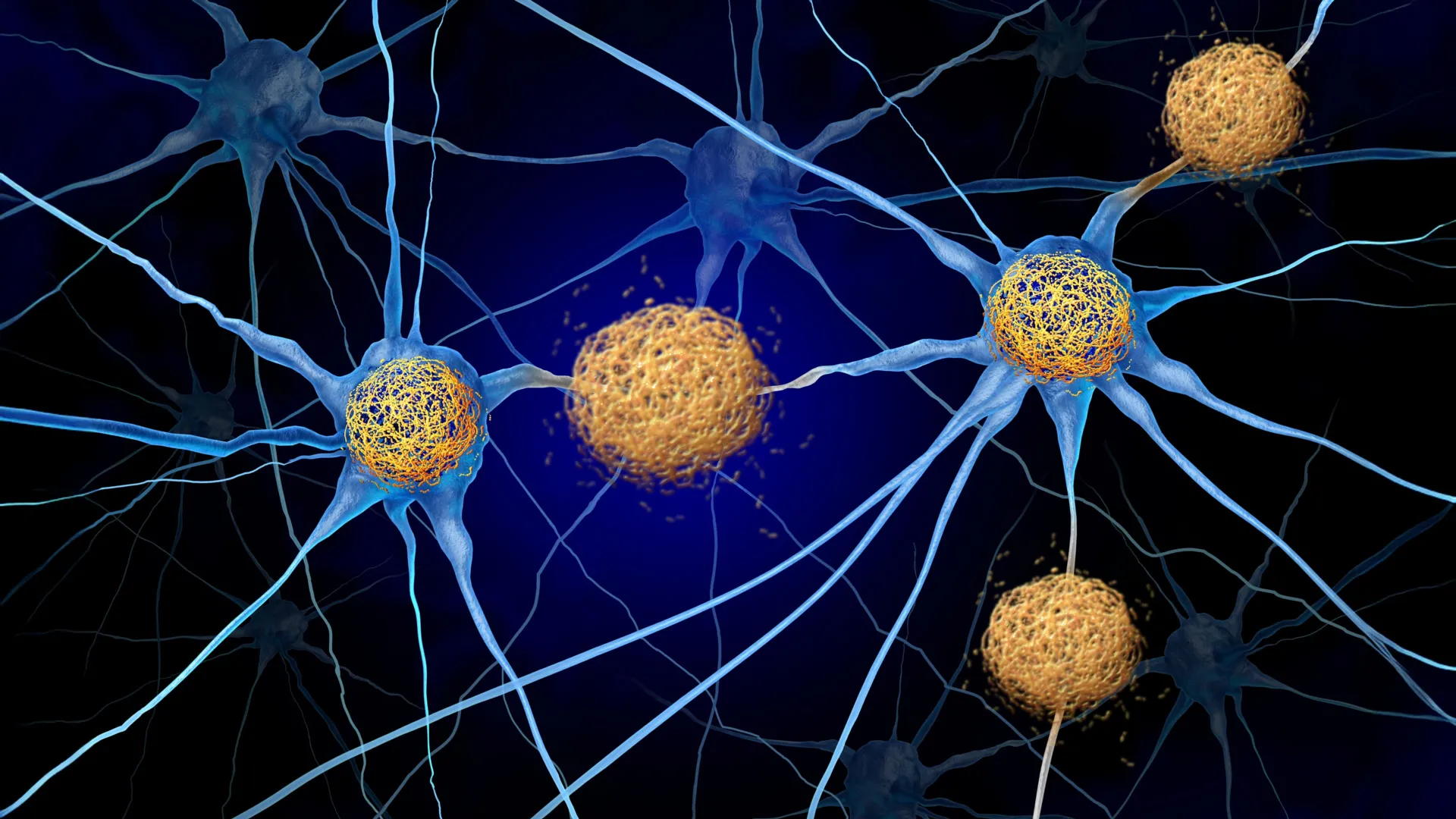
Particulate matter, particularly fine particles known as PM2.5, can enter the bloodstream and potentially cross the blood-brain barrier. Chronic exposure to these pollutants has been statistically linked to an increased risk of neurodegenerative conditions, including Alzheimer’s disease and Parkinson’s disease. The brain, which requires constant, clean oxygenation to maintain its complex neural networks, is highly sensitive to the systemic inflammation caused by the inhalation of toxic pollutants. By reducing the concentration of these particles in indoor environments, HEPA purifiers may effectively lower the inflammatory burden on the brain, allowing for better cognitive performance.
Study Design and Methodology in Somerville
The research team conducted their analysis using a sample of 119 participants residing in Somerville, Massachusetts. The selection of this specific location was intentional and strategic. Somerville is positioned adjacent to major transportation arteries, including Interstate 93 and Route 28. These highways are significant sources of traffic-related air pollution, creating an environment with consistently high levels of ambient particulate matter. This proximity provided the researchers with an ideal "real-world" laboratory to test the efficacy of air purification technology.
The study employed a randomized, double-blind crossover design. Participants, aged 30 to 74, were assigned to two groups. Over a period of several months, each group utilized both a functional HEPA air purifier and a "sham" purifier—a device that mimicked the appearance and sound of a functioning unit but lacked the actual air-cleaning filter. A month-long washout period was implemented between these phases to ensure that any observed cognitive shifts could be attributed to the specific air-cleaning intervention rather than residual effects.
Cognitive Testing and Measured Improvements
At the conclusion of each month-long phase, participants underwent a series of standardized neuropsychological assessments designed to quantify specific domains of mental capacity. These tests evaluated visual memory, motor speed, and, most importantly, executive function and mental flexibility. The latter was measured through tasks requiring participants to draw lines between alternating sequences of numbers and letters, a classic metric for cognitive switching and organizational ability.
The results revealed a distinct demographic trend. Among participants aged 40 and older—a cohort representing approximately 42% of the study population—the researchers observed a 12% increase in speed on tasks measuring executive function and mental flexibility when using the active HEPA purifier compared to the sham device. Crucially, this improvement remained statistically significant even after controlling for confounding variables, such as the total amount of time participants spent indoors and the subjective levels of stress reported during testing.
Implications for Aging and Public Health
The 12% improvement observed by the researchers is particularly noteworthy when placed in the context of other lifestyle interventions. Current clinical data suggests that this degree of cognitive enhancement is comparable to the benefits typically associated with the initiation of a regular physical exercise regimen. While a 12% increase in mental flexibility may not manifest as a sudden, transformative "superpower," the cumulative effect of such improvements is substantial, particularly for an aging population.
The protection of cognitive function is a cornerstone of long-term health and independence. Even subtle, persistent declines in executive function can eventually lead to greater risks of mortality and a diminished quality of life. As researchers continue to map the relationship between air quality and neurology, it has become evident that the impact of pollution is not merely a long-term threat but can affect cognitive performance after only a few hours of exposure.
Environmental Justice and Social Equity
The findings of this study carry profound implications for environmental justice. Air pollution is not distributed equally across urban landscapes. Statistically, people of color and low-income populations are disproportionately more likely to reside in close proximity to major highways, industrial zones, and high-traffic areas. This "pollution burden" contributes to higher rates of chronic illness within these communities.
By validating the effectiveness of HEPA purifiers as a tool for cognitive preservation, the study underscores a potential pathway to mitigate these systemic health disparities. If an accessible technology like an air purifier can demonstrably protect the brain from the cognitive degradation associated with highway-adjacent living, it strengthens the argument for policies that subsidize indoor air quality improvements in vulnerable communities.
Current Limitations and Future Directions
Despite the positive outcomes, the research team acknowledges several critical limitations that define the current boundary of knowledge. The study’s sample size regarding older adults was limited, with fewer than 10 participants over the age of 60. Given that the impact of air pollution on the brain is known to become more pronounced as individuals age, further research is required to determine if the benefits observed in the 40-to-60 demographic are mirrored or amplified in the elderly population.
Furthermore, the one-month duration of the study, while sufficient to detect immediate changes in cognitive performance, leaves questions regarding the long-term sustainability of these gains. Researchers are now looking toward longitudinal studies to assess whether consistent, multi-year use of air purifiers could effectively reverse or prevent the onset of cognitive decline.
The Role of White Matter and Metabolites
The underlying biological mechanisms remain a primary focus for the next phase of this research. Preliminary evidence suggests that particulate matter exposure may be linked to the degradation of the brain’s white matter. White matter is responsible for facilitating communication between different regions of the brain; its integrity is vital for the very cognitive domains—executive function and mental flexibility—that showed improvement in the study.
To test this hypothesis, the research team is moving toward a molecular approach. They intend to study the relationship between air quality and the concentration of metabolites—small molecules produced by cells during metabolic processes. By analyzing how these metabolite profiles shift in response to both polluted air and purified air, the team hopes to provide a clearer biochemical map of how clean air contributes to brain health.
Conclusion
The intersection of urban planning, environmental health, and neurology has produced a clear signal: the air we breathe has a direct, measurable influence on our cognitive faculties. While public policy continues to grapple with the monumental task of reducing ambient outdoor pollution, the use of HEPA technology offers an immediate, individual-level strategy to safeguard brain health. As the global population ages, strategies to maintain cognitive agility become increasingly vital, and the simple act of filtering the air in our homes may prove to be one of the most effective tools in the modern medical arsenal. Moving forward, the scientific community must continue to investigate the longevity of these effects and the potential for air purification to serve as a prophylactic measure against the rising tide of neurodegenerative disease.