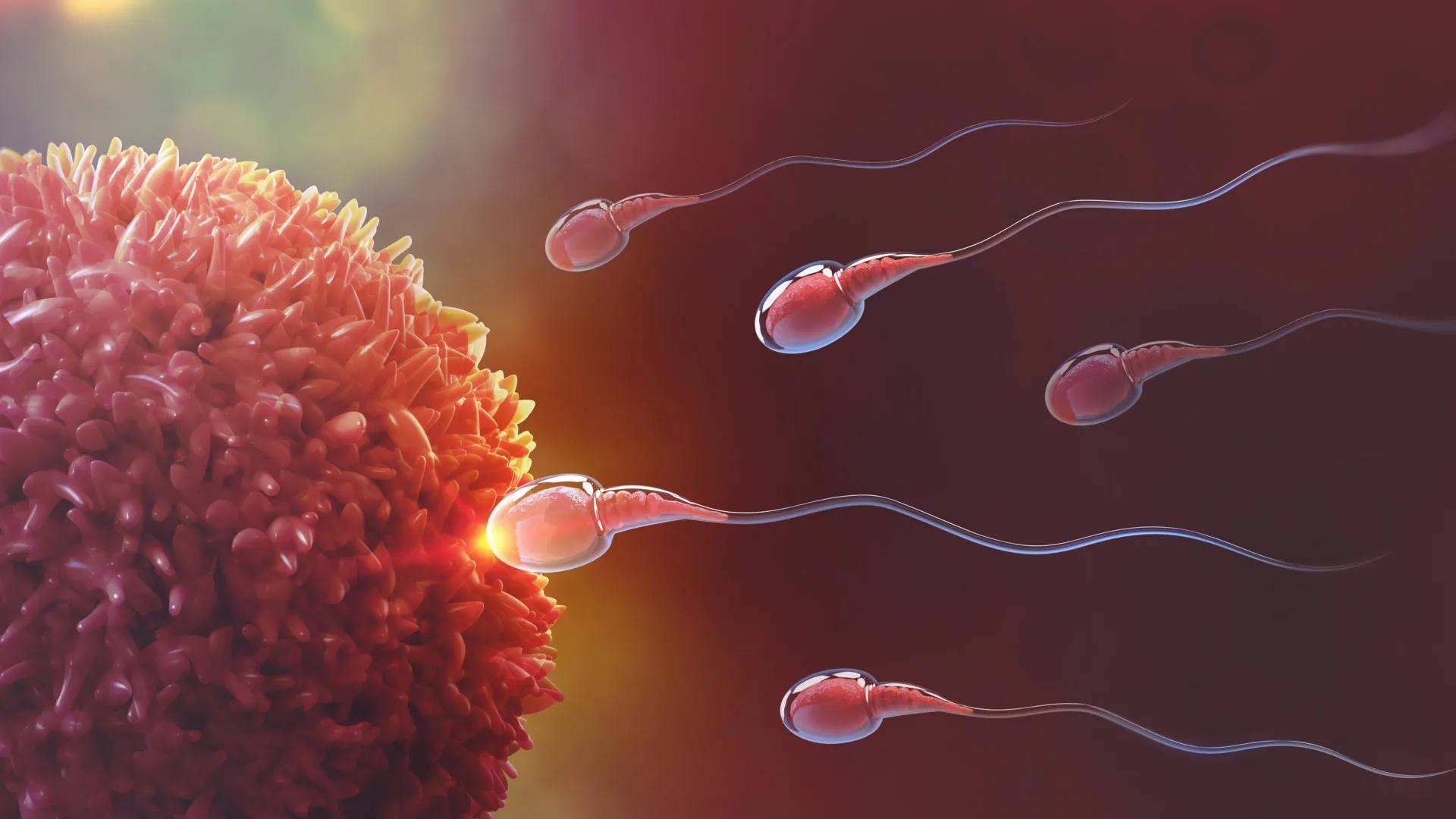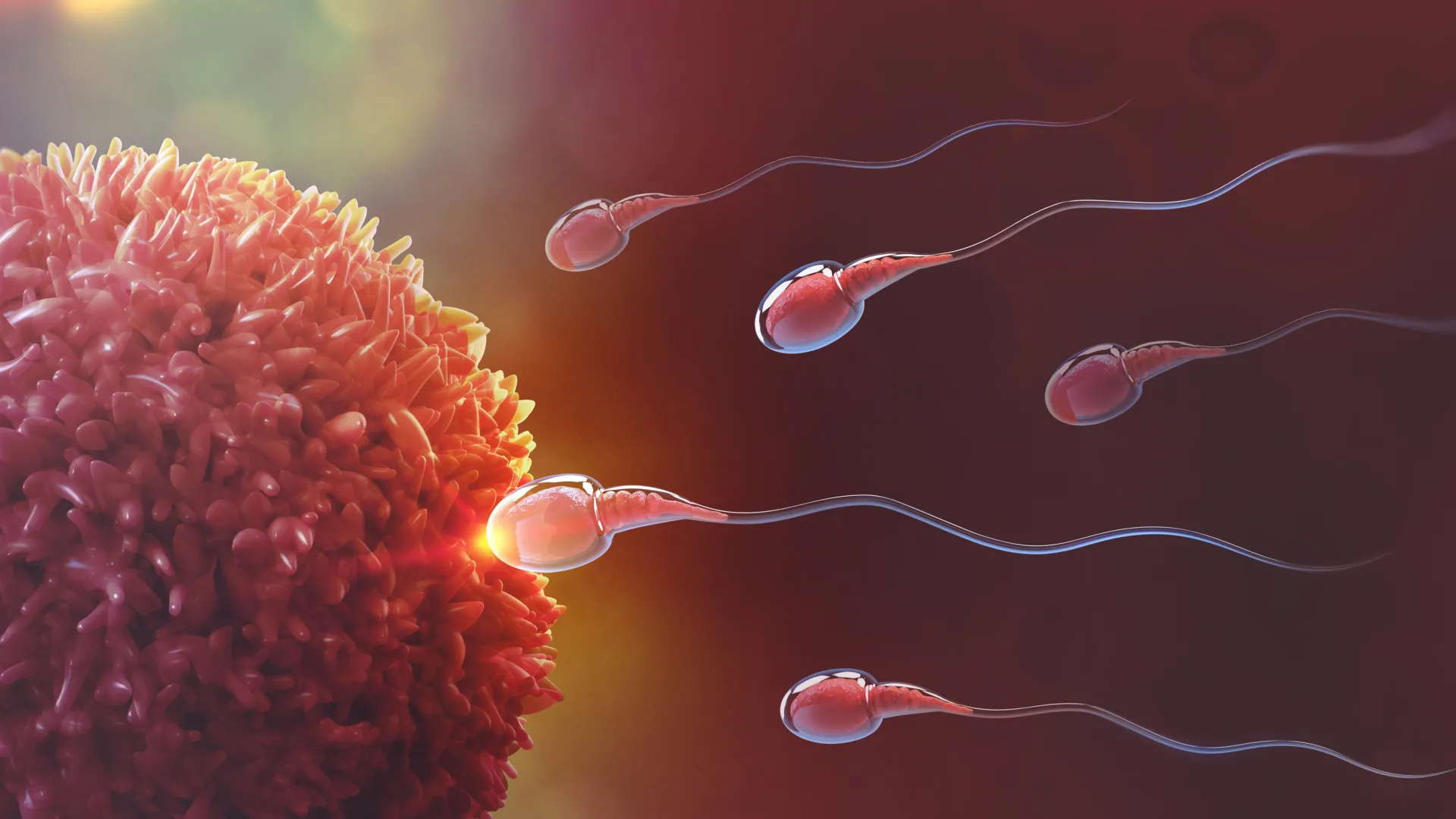
The biological mechanics governing human reproduction have long held secrets regarding how genetic material is passed from one generation to the next. For decades, conventional medical wisdom held that aging fathers simply accumulated random, passive DNA copying errors in their sperm over time, much like a photocopier gradually degrading after thousands of cycles. However, groundbreaking new research published in the prestigious journal Nature fundamentally challenges this long-standing assumption. Scientists have discovered that the accumulation of disease-causing genetic mutations in aging sperm is not merely a passive byproduct of time, but the result of an active, highly competitive process of natural selection operating within the testes.
This startling revelation reshapes our understanding of paternal age, genetic inheritance, and evolutionary biology. By deploying ultra-precise sequencing technologies across large human populations, researchers have mapped a hidden cellular landscape where certain harmful DNA mutations actively thrive, outcompeting neighboring cells and dramatically increasing the likelihood that older fathers will transmit serious neurodevelopmental disorders and cancer risks to their offspring.
The Genesis of the Discovery: Unlocking the Testicular Microenvironment
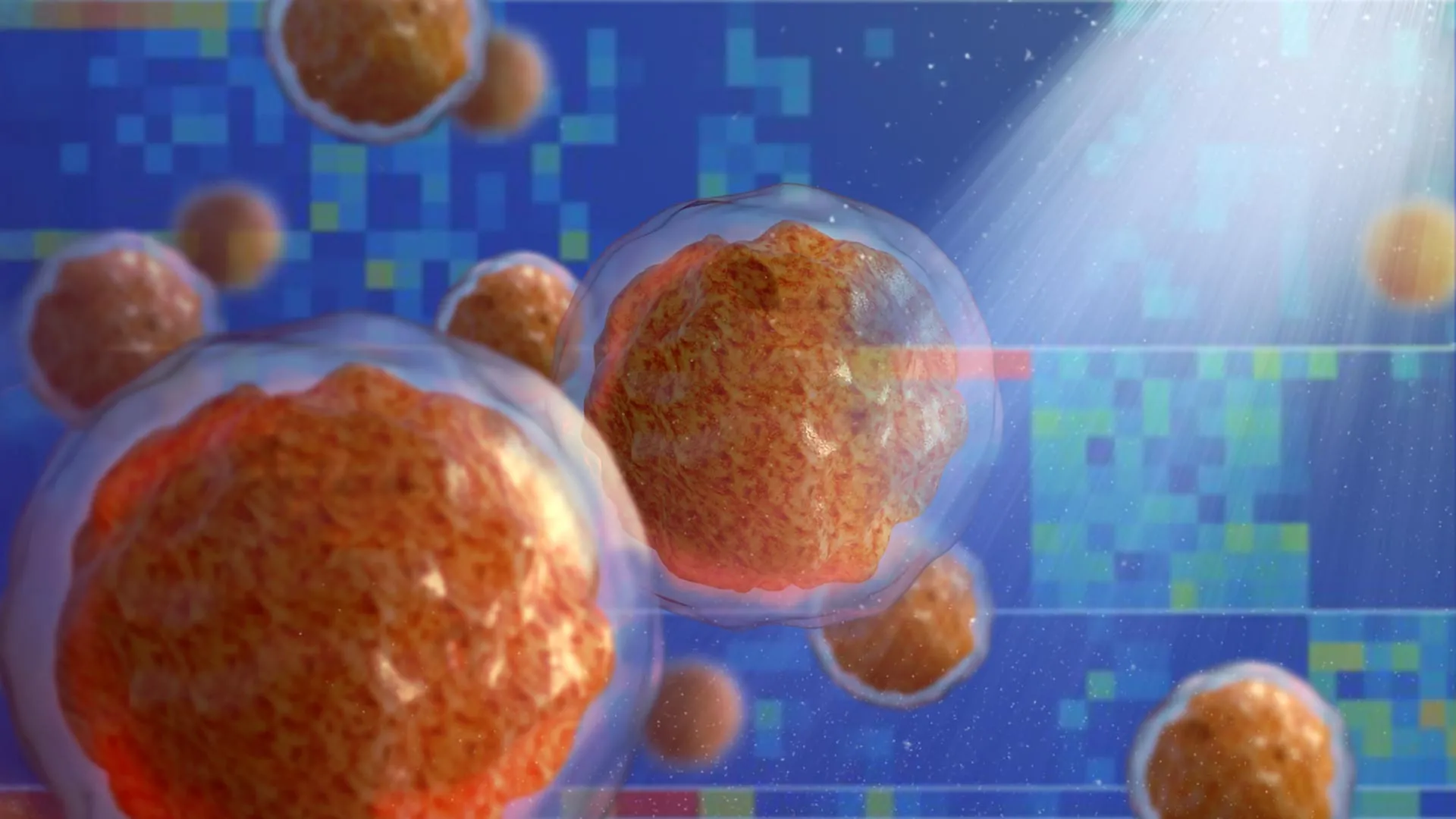
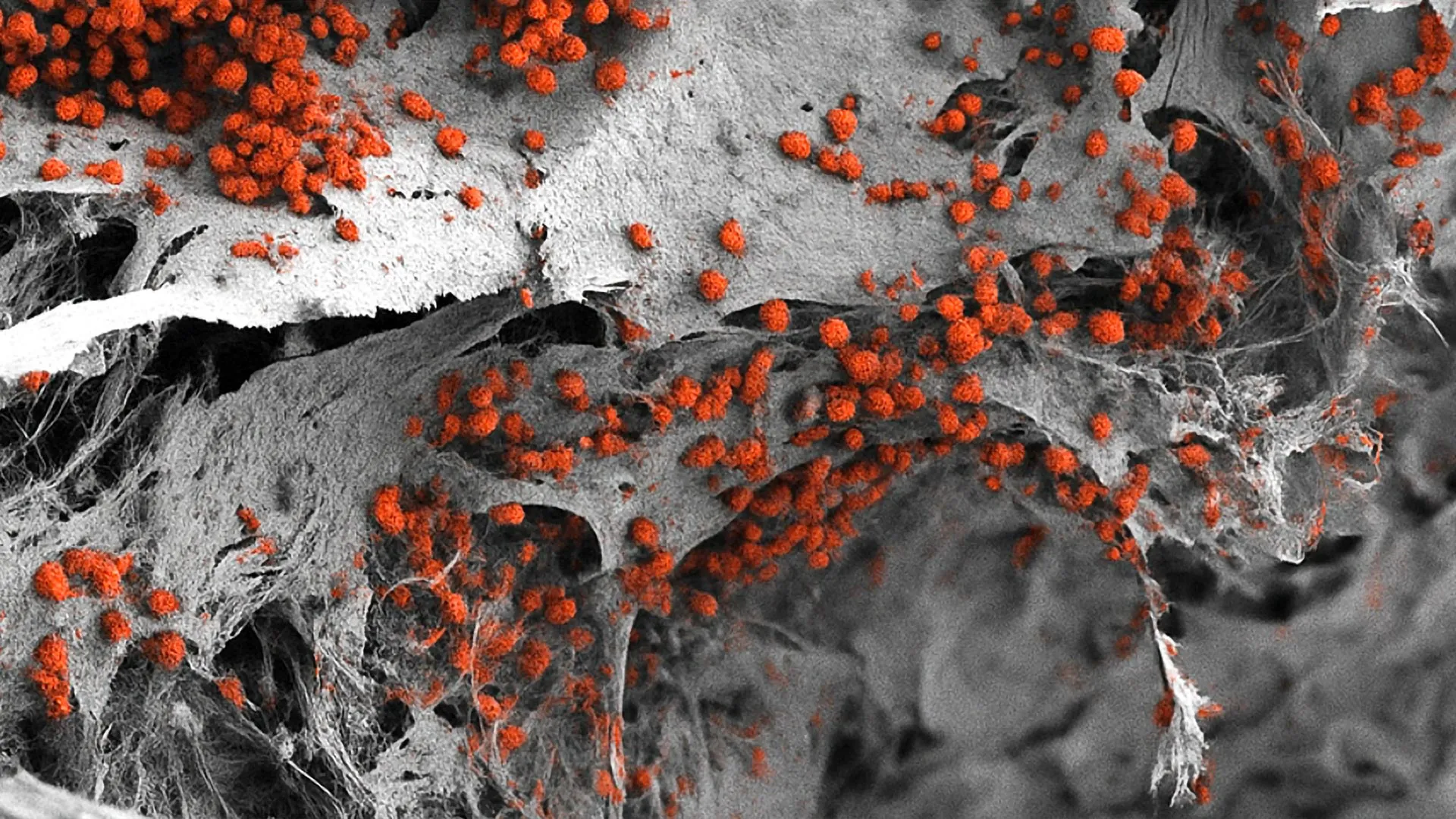
To comprehend the significance of these findings, one must examine how continuously renewing tissues operate within the human body. In tissues that must regenerate constantly, such as bone marrow, the epithelial lining of the gut, and the testes, stem cells divide repeatedly throughout a person’s lifespan. During these countless divisions, mutations—spontaneous alterations in the genetic code—inevitably occur. While the vast majority of these mutations are neutral or harmful and die out, rare genetic changes can occasionally confer a survival or replication advantage to the host cell.
In ordinary somatic tissues, such as skin or liver cells, these advantageous mutations can lead to clonal expansion, where a single mutated cell outgrows its neighbors. However, because somatic mutations are generally confined to the individual and cannot be passed down to children, their primary medical relevance has historically been linked to aging and tumorigenesis. The germline—the lineage of cells that gives rise to sperm and eggs—was long presumed to be heavily shielded from these selective pressures due to its vital role in preserving the species.
The new research shatters this illusion. Spearheaded by collaborative teams from the Wellcome Sanger Institute, the TwinsUK study at King’s College London, and Harvard Medical School, the twin studies published in Nature provide empirical proof that the male germline is a dynamic, highly competitive ecosystem. Within this microscopic arena, natural selection does not always favor health; instead, it can aggressively favor mutations that drive rapid cell division, even when those very same mutations are fundamentally tied to devastating childhood diseases.
Methodology and Technological Breakthroughs
Pinpointing these rare mutations within human sperm has historically presented an immense technological hurdle. Standard DNA sequencing techniques lack the sensitivity required to detect rare, low-frequency mutations scattered across a vast genomic landscape, often drowning true biological signals in technical background noise.
To overcome this analytical barrier, the research consortium utilized NanoSeq, an ultra-accurate DNA sequencing technology designed to eliminate sequencing errors and detect rare mutations with extraordinary precision. Researchers applied NanoSeq to meticulously analyze the sperm samples of 81 healthy, carefully screened men ranging in age from 24 to 75. These biological samples were sourced directly from the TwinsUK cohort—the United Kingdom’s largest and most comprehensive adult twin registry—ensuring a diverse, well-documented, and genetically rich population for baseline comparison.
Simultaneously, a complementary research team at Harvard Medical School and the Wellcome Sanger Institute approached the phenomenon from the opposite direction. Rather than examining sperm directly, this secondary team analyzed genomic data drawn from more than 54,000 parent-child trios and over 800,000 healthy individuals. By tracking the actual mutations inherited by children, the researchers were able to cross-reference theoretical sperm selection models with empirical lineage data, creating a robust, dual-pronged investigation into intergenerational genetics.
Quantitative Findings: The Age-Related Accumulation of Genetic Risk
The quantitative data generated by the NanoSeq analysis provide a stark illustration of how paternal age directly impacts the genetic profile of sperm. Among men in their early 30s, approximately 2 percent of their sperm carried detectable, disease-causing mutations. As the male participants aged, this percentage escalated steadily.
For men falling within the 43 to 74 age bracket, the proportion of mutated sperm rose significantly to between 3 and 5 percent. Specifically, among the 70-year-old participants in the cohort, an average of 4.5 percent of their sperm contained pathogenic genetic alterations. This linear correlation between advancing paternal age and the volumetric rise of harmful mutations provides concrete biological backing to epidemiological trends that have long linked older fatherhood to increased risks of genetic disorders in children.
Furthermore, the researchers identified approximately 40 specific genes that appear to benefit directly from this intra-testicular natural selection process. While 13 of these genes were already recognized in scientific literature for their involvement in clonal expansion within the germline, the new study revealed that the phenomenon is far more widespread than previously understood. Many of these favored genes are intimately linked to severe neurodevelopmental disorders, autism spectrum characteristics, and inherited cancer predispositions.
The Harvard-Led Trio Study: Observing Selection in the Next Generation
While the direct analysis of sperm provided a snapshot of cellular competition within the testes, the companion study analyzing 54,000 parent-child trios offered a window into the real-world consequences of this selection. This massive epidemiological undertaking identified more than 30 distinct genes where mutations confer such a powerful competitive edge to sperm cells that mutation rates can surge by an estimated 500-fold.
This staggering amplification helps resolve a long-standing medical mystery: why certain rare genetic disorders appear in children whose parents are completely free of the mutations in their own somatic DNA (such as blood or saliva samples). Because the mutation occurs and multiplies exponentially within the germline itself, the father acts as an asymptomatic carrier of an expanded clone of mutant sperm, transmitting a condition he does not personally exhibit.
Moreover, the researchers issued an important methodological caution for geneticists. Because these specific mutations are so heavily enriched in sperm due to selective pressures rather than uniform random mutation rates, they can easily create false-positive disease associations in genomic association studies. Recognizing this dynamic is crucial for preventing misinterpretations in clinical genomics and diagnostic testing.
Voices from the Research Frontline: Expert Reactions and Analysis
The publication of these twin studies has elicited widespread commentary from the global scientific and medical communities, underscoring both the elegance of the methodology and the sobriety of the implications.
Dr. Matthew Neville, the first author of the study from the Wellcome Sanger Institute, reflected on the unexpected magnitude of the findings. "We expected to find some evidence of selection shaping mutations in sperm," Dr. Neville noted. "What surprised us was just how much it drives up the number of sperm carrying mutations linked to serious diseases."
Professor Matt Hurles, Director of the Wellcome Sanger Institute and co-author of the research, emphasized the hidden nature of the risk involved. "Our findings reveal a hidden genetic risk that increases with paternal age," Professor Hurles stated. "Some changes in DNA not only survive but thrive within the testes, meaning that fathers who conceive later in life may unknowingly have a higher risk of passing on a harmful mutation to their children."
Highlighting the invaluable contribution of the study participants, Professor Kerrin Small, co-author and Scientific Director of the TwinsUK study at King’s College London, expressed profound gratitude. "We are incredibly grateful to the twins who took part in this study," said Professor Small. "By working with the TwinsUK cohort, we could include valuable longitudinal samples linked to rich health and genetic information, allowing us to explore how mutations accumulate and evolve with age in healthy individuals. This collaboration highlights the power of large, population-based cohorts for advancing our understanding of human development and inheritance."
Dr. Raheleh Rahbari, senior author and Group Leader at the Wellcome Sanger Institute, challenged traditional dogmas regarding the biological protection of the reproductive system. "There’s a common assumption that because the germline has a low mutation rate, it is well protected," Dr. Rahbari explained. "But in reality, the male germline is a dynamic environment where natural selection can favour harmful mutations, sometimes with consequences for the next generation."
Broader Implications for Reproductive Health and Future Research
Despite the clear correlations established by the research, scientists emphasize that context is critical. The presence of a harmful mutation in a given percentage of sperm does not automatically translate into a clinical case of disease. Not every sperm participates in fertilization, and many mutations that disrupt fundamental cellular machinery may prevent successful fertilization altogether, or halt early embryonic development before a pregnancy can establish, potentially resulting in early miscarriage.
Nevertheless, the implications for reproductive medicine are profound. As demographic trends across developed nations continue to shift—with individuals increasingly delaying marriage and parenthood into their late thirties, forties, and beyond—understanding the biological limits and risks of aging reproductive systems becomes an urgent public health priority.
Current genetic counseling protocols routinely advise prospective parents on maternal age-related risks, such as chromosomal abnormalities like Down syndrome, which have been understood for decades. However, paternal age has historically received comparatively less clinical scrutiny outside of broad statistical correlations. The insights generated by the Wellcome Sanger Institute and TwinsUK collaboration pave the way for a paradigm shift in reproductive risk assessment.
By refining our understanding of how natural selection operates within the male germline, researchers hope to develop advanced screening tools, more sophisticated preconception counseling frameworks, and targeted diagnostics that can better evaluate genetic health across generations. Future research will need to focus directly on establishing the exact clinical trajectories of children conceived via aged sperm, untangling the complex interplay between environmental exposures, lifestyle choices, and the underlying evolutionary pressures that shape human DNA long before conception ever takes place.