Every single second, the human bone marrow functions as a biological engine of staggering output, generating millions of fresh blood and immune cells to maintain systemic homeostasis. This nonstop cellular renewal relies on a remarkably precise, delicate choreography between hematopoietic stem cells (HSCs), supportive stromal cells, and a complex network of systemic immune signals. Yet, as the human body advances in age, this finely tuned equilibrium inevitably begins to fray. Driven by the cumulative effects of aging, chronic low-grade systemic inflammation, and acquired somatic mutations, communication pathways among these vital cell groups frequently break down.
When this breakdown occurs, normal stem-cell renewal is significantly impaired, inadvertently creating a biological vacuum that allows mutated HSCs to expand and outcompete their healthy counterparts largely unnoticed. This progressive phenomenon is formally known as clonal hematopoiesis of indeterminate potential (CHIP). Clinically silent in its earliest stages, CHIP is remarkably common among aging populations, appearing in approximately 10 to 20 percent of adults over the age of 60, and climbing to nearly 30 percent of individuals over the age of 80. Although individuals diagnosed with CHIP typically exhibit no overt symptoms, the condition carries profound long-term health implications, increasing the lifetime risk of developing hematologic malignancies by a factor of ten while doubling the statistical likelihood of cardiovascular disease and premature death.
The Slippery Slope to Myelodysplastic Syndrome and Acute Myeloid Leukemia
As clonal populations expand, they can precipitate more severe conditions, such as myelodysplastic syndrome (MDS). MDS is a related, highly debilitating hematologic disorder characterized by profoundly inefficient blood-cell production and the gradual, progressive failure of the bone marrow to generate functional blood cells. Affecting up to 20 in every 100,000 adults over the age of 70, MDS represents a dangerous precursor state. Tragically, approximately 30 percent of all MDS cases eventually advance to acute myeloid leukemia (AML), an aggressive, rapidly progressing, and frequently fatal cancer of the blood and bone marrow.
For decades, modern hematology focused almost exclusively on the genetic mutations harbored within the hematopoietic stem cells themselves, largely overlooking the physical and biological environment in which these cells reside. The precise contribution of the bone marrow microenvironment—often referred to as the bone marrow niche—to the initiation and progression of these disorders remained a persistent blind spot in cancer research. That scientific paradigm is now poised for a fundamental shift, thanks to a landmark international molecular and spatial analysis of human bone marrow conducted by a multidisciplinary research consortium.
Mapping the Hidden Architecture of the Bone Marrow Niche
To comprehensively uncover how mutated HSC clones manage to gain dominance within the body, an international team of investigators co-led by Professor Judith Zaugg from EMBL and the University of Basel, alongside Dr. Borhane Guezguez from the University Medical Center (UMC) Mainz, initiated an exhaustive deep-dive into human bone marrow architecture. The biological samples utilized for this extensive investigation were meticulously gathered through the framework of the BoHemE cohort study, working in close clinical collaboration with Professor Uwe Platzbecker at the National Center for Tumor Diseases (NCT) Dresden.
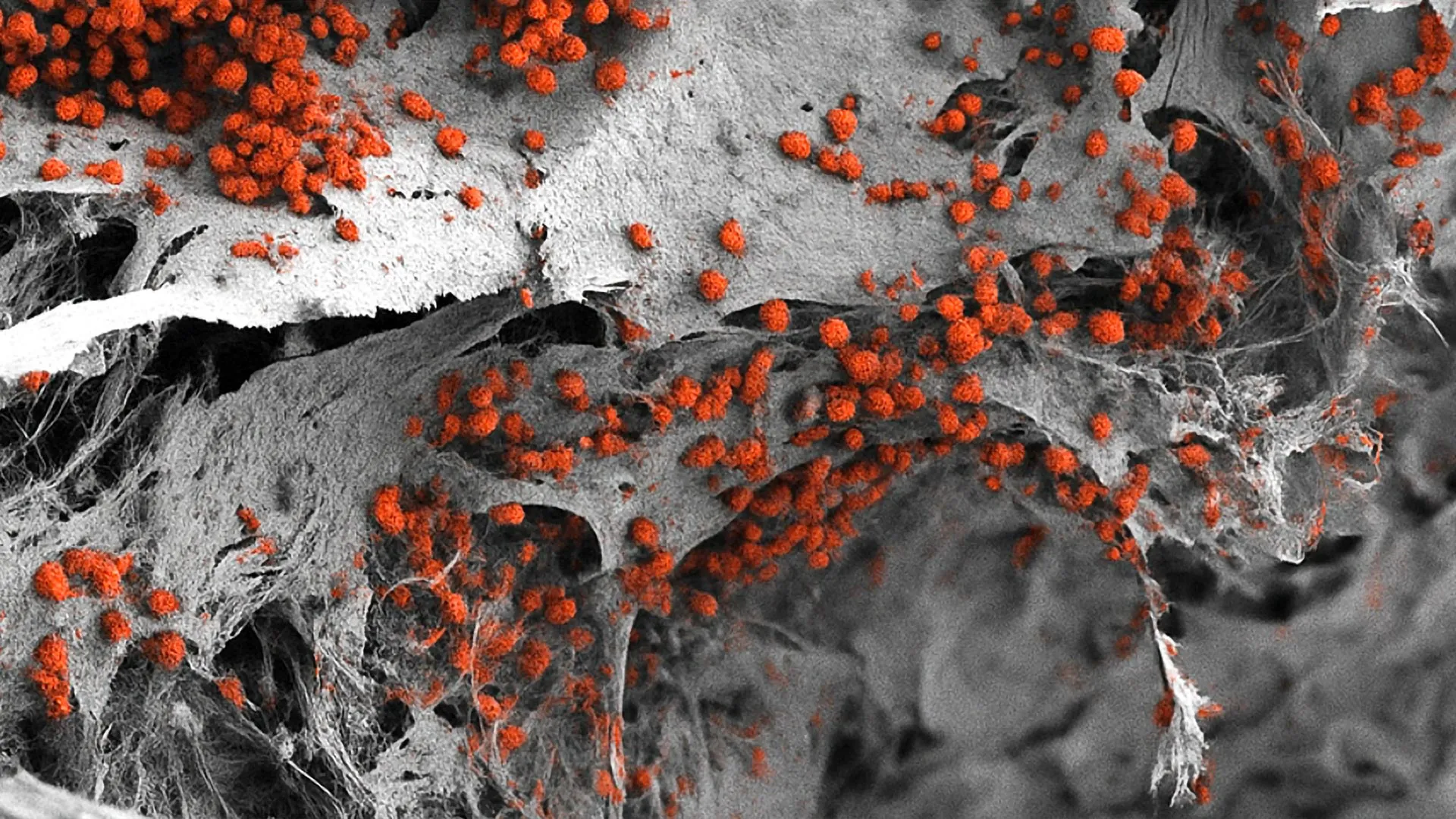
Deploying a powerful arsenal of cutting-edge technologies—including single-cell RNA sequencing, high-resolution biopsy imaging, advanced proteomics, and sophisticated co-culture cellular models—the research team successfully constructed an unprecedented, high-resolution map of the bone marrow microenvironment. This detailed cartography spanned healthy donors, individuals harboring CHIP mutations, and patients actively suffering from advanced MDS.
The resulting data revealed a profound, unexpected cellular shift that quietly takes root long before any clinical signs or symptoms of blood disease manifest. Specifically, the researchers discovered that a specialized population of inflammatory stromal cells gradually, yet inexorably, replaces the normal mesenchymal stromal cells (MSCs) that typically provide the vital supportive architecture necessary for healthy stem-cell function.
Unraveling the Inflammatory Feed-Forward Loop
"I was surprised to observe such pronounced remodeling of the bone marrow microenvironment already in individuals with CHIP, although the underlying cause-and-effect relationships remain unclear," noted co-senior author Judith Zaugg, reflecting on the unexpected early onset of niche degradation.
Unlike their healthy counterparts, these newly identified inflammatory mesenchymal stromal cells (iMSCs) secrete massive quantities of interferon-induced cytokines and chemokines. These signaling molecules act as molecular beacons, actively recruiting and intensely activating interferon-responsive T cells. Once engaged, these T cells further amplify the local inflammatory response, forging a dangerous, self-sustaining feed-forward loop. This chronic inflammatory state continually disrupts normal, healthy blood formation while contributing significantly to pathological vascular changes within the marrow cavity.
To determine the exact origin of this inflammatory cascade, the research team deployed an innovative computational methodology known as SpliceUp. Developed by co-lead author and EMBL alumnus Dr. Maksim Kholmatov, in close scientific partnership with Pedro Moura and Professor Eva Hellström-Lindberg from the Karolinska Institute, SpliceUp was engineered to separate mutated cells from non-mutated cells within complex single-cell datasets by detecting subtle, abnormal RNA-splicing patterns.
Surprisingly, the computational analysis revealed that mutated hematopoietic cells in MDS do not directly trigger this destructive inflammatory response. Instead, the inflammatory network within the microenvironment achieves total dominance, actively crowding out and replacing the marrow’s normal regenerative architecture.
"Another striking observation was that MDS stem cells couldn’t trigger stromal cells to produce CXCL12, an important signal that triggers blood cells to settle in the bone marrow," explained Dr. Karin Prummel, a co-lead author and postdoctoral researcher at EMBL. "This failure may help explain why the bone marrow stops working properly."
Echoing these sentiments, Dr. Maksim Kholmatov emphasized the broader systemic implications of the findings: "It was quite surprising to see the lack of a direct inflammatory effect that we could attribute to the mutant cells. However, when viewed in the context of changes in the T cell and stromal compartments, it underlines the importance of the bone marrow microenvironment in shaping disease progression."
Paradigm Shift: Inflammation as an Early Disease Driver
These groundbreaking revelations firmly establish that inflammation plays a central, initiating role in the earliest phases of hematologic disease. More importantly, they spotlight the bone marrow microenvironment not merely as an innocent bystander, but as a primary therapeutic target. By shifting scientific attention away from the mutated stem cells in isolation and toward the supportive ecosystem that nurtures them, this research opens entirely new avenues for early intervention, disease interception, and preventive medicine.
Medical experts suggest that the deployment of targeted anti-inflammatory pharmaceuticals, or specialized therapies designed to modulate aberrant interferon signaling pathways, could potentially preserve vital bone marrow function in older adults living with CHIP. By combining conventional mutation-targeted therapies with novel treatments aimed at normalizing the microenvironment, clinicians may soon be able to significantly slow down—or entirely prevent—the hazardous transition from benign CHIP to aggressive MDS or fatal AML. Furthermore, the distinct molecular signatures exhibited by iMSCs and interferon-responsive T cells could eventually serve as reliable, early-warning biomarkers to identify individuals at elevated clinical risk long before malignancy takes root.
"Our findings reveal that the bone marrow microenvironment actively shapes the earliest stages of malignant evolution," stated co-senior author Dr. Borhane Guezguez, Principal Investigator in the Department of Hematology at UMC Mainz. "As advances in molecular profiling allow us to detect pre-leukemic states years before clinical onset, understanding how stromal and immune cells interact provides a foundation for preventive therapies that intercept disease progression before leukemia develops."
Broader Implications: Inflammaging and Age-Related Pathology
Beyond the specific realm of hematology, these insights contribute vital pieces to our understanding of "inflammaging"—the chronic, systemic, low-grade inflammation that is increasingly recognized as a core biological driver behind a wide spectrum of age-related conditions, including solid-tumor cancers, cardiovascular diseases, and metabolic disorders. The bone marrow, historically viewed strictly as an internal factory for blood production, is now revealed to be both a victim of and an active contributor to systemic inflammatory aging. By mapping how complex cross-talk between immune cells and stromal cells orchestrates these pathological changes, the study provides a robust blueprint for investigating inflammatory remodeling across other myeloid malignancies and advanced leukemias.
Despite these major leaps forward, researchers acknowledge that significant work remains. "It will be crucial to study these processes over time; our current findings are based on cross-sectional data," Professor Zaugg cautioned. This temporal limitation carries profound clinical implications, particularly for medical procedures like allogeneic blood stem cell transplantation, which routinely replace malignant hematopoietic cells while leaving the scarred, resident bone marrow niche structurally intact. To address this, Zaugg’s research group is currently investigating the extent to which the bone marrow niche retains a biological "memory" of past disease—a factor that could drastically dictate how successfully the microenvironment accepts and nurtures newly introduced, healthy donor stem cells.
A Collaborative Global Effort in Cancer Research
The publication of these findings marks a collaborative milestone in modern oncology. The study appears in tandem with a complementary, independent investigation examining the MDS bone marrow microenvironment, published simultaneously in Nature Communications and led by Professor Marc Raaijmakers from the Erasmus MC Cancer Institute in Rotterdam. Together, these two parallel studies provide clinicians and researchers with an unprecedentedly comprehensive view of the inflammatory tissue remodeling that characterizes the earliest, most critical phases of bone marrow failure.
The overarching research initiative was supported by a robust coalition of international scientific institutions, drawing invaluable contributions from UMC Mainz, the University of Basel, University Hospital Dresden, the Karolinska Institute in Sweden, The Jackson Laboratory in the United States, Sorbonne University in France, and various German Consortium for Translational Cancer Research (DKTK) partner institutions, including the German Cancer Research Center (DKFZ) and NCT Dresden. Financial backing for the ambitious project was generously provided by the DKTK-CHOICE program, an ERC grant (EpiNicheAML) awarded to Judith Zaugg, the Marie Skłodowska-Curie Actions (MSCA) funded ITN ENHPATHY, EMBO, the Swiss National Science Foundation, and the José Carreras Leukämie-Stiftung, collectively ensuring that the fight against pre-leukemic conditions enters a hopeful new era of precision prevention.