Medical science has long recognized the empirical truth that physical activity builds resilient bones, yet the precise biochemical mechanisms governing this phenomenon have remained shrouded in mystery. Now, a pioneering team of researchers from the Department of Medicine at the School of Clinical Medicine, LKS Faculty of Medicine, University of Hong Kong (HKUMed), has successfully identified the body’s internal "exercise sensor." Published in the peer-reviewed journal Signal Transduction and Targeted Therapy, this landmark discovery reveals how mechanical forces are translated into biological signals that maintain bone density. By pinpointing this cellular pathway, the research opens a transformative frontier in pharmacology: the potential development of therapeutics that can mimic the skeletal benefits of physical movement for individuals who are entirely unable to exercise.
The implications of this breakthrough extend far beyond academic endocrinology. Osteoporosis and age-related bone degradation constitute a silent global health crisis, stripping millions of older adults, bedridden patients, and individuals with chronic physical limitations of their mobility and independence. As global populations age at an unprecedented rate, healthcare systems face mounting economic and logistical burdens associated with fragility fractures. By unraveling the cellular interplay between mechanical loading, stem cell differentiation, and bone metabolism, the HKUMed research team has provided a foundational blueprint for a new class of pharmaceutical agents known as exercise mimetics.
The Global Burden of Osteoporosis and Age-Related Bone Deterioration
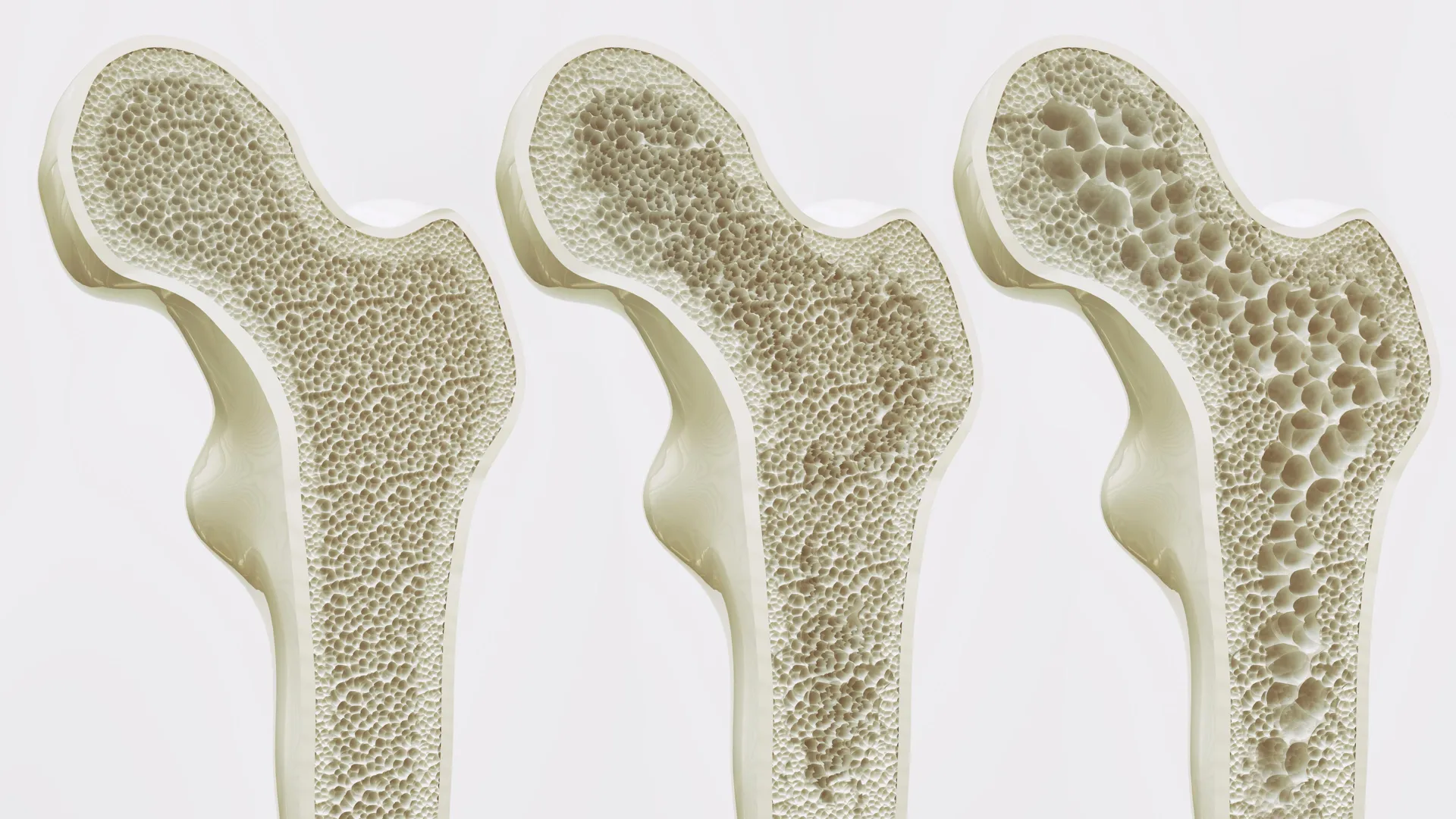
To understand the magnitude of the Hong Kong research team’s achievement, one must examine the staggering epidemiological footprint of skeletal degradation worldwide. According to statistical data compiled by the World Health Organization (WHO), approximately one in three women and one in five men over the age of fifty will suffer an osteoporotic fracture during their lifetime. These injuries frequently serve as a catastrophic turning point in an aging individual’s life, initiating a downward spiral marked by chronic pain, prolonged hospitalization, permanent loss of mobility, and a drastic reduction in overall life expectancy.
The regional impact in densely populated urban centers like Hong Kong underscores the urgency of finding alternative treatments. Local epidemiological surveys indicate that osteoporosis affects an estimated 45 percent of women and 13 percent of men aged sixty-five and older. As life expectancies climb across developed and developing nations alike, the prevalence of porous, fragile bones is projected to surge exponentially. Traditional prophylactic interventions have relied almost exclusively on weight-bearing physical activity, dietary calcium, vitamin D supplementation, and antiresorptive medications. However, these conventional therapies frequently prove inadequate for patients suffering from severe frailty, advanced neuromuscular diseases, paralysis, or prolonged bed rest. For these vulnerable populations, physical exertion is simply an impossibility, leaving clinicians with limited options to halt or reverse the relentless erosion of skeletal mass.
The Chronology and Genesis of the HKUMed Investigation
The path leading to the identification of the body’s mechanical exercise sensor was characterized by years of meticulous multidisciplinary collaboration between molecular biologists, endocrinologists, and pharmacologists. The project was co-led by Professor Xu Aimin, Rosie T T Young Professor in Endocrinology and Metabolism, Chair Professor, and Director of the State Key Laboratory of Pharmaceutical Biotechnology at HKUMed, alongside Dr. Wang Baile, Research Assistant Professor in the same department. Their investigative efforts were further bolstered by international cooperation with Professor Eric Honoré, a renowned team leader at the Institute of Molecular and Cellular Pharmacology within the French National Centre for Scientific Research (CNRS), Université Côte d’Azur (UniCA), and the French National Institute of Health and Medical Research (Inserm), who also serves as a Visiting Professor in the Department of Pharmacology and Pharmacy at HKUMed.
The genesis of the research lay in a fundamental biological paradox: how do inert bone tissues perceive the dynamic physical forces exerted upon them during running, walking, or resistance training? Decades of physiological research had established that mechanical loading stimulates bone formation through cellular mechanotransduction, but the exact molecular receptors responsible for translating physical pressure into chemical pathways remained elusive.
Beginning with exhaustive preclinical experiments utilizing sophisticated mouse models alongside human stem cell cultures, the research team focused their attention on the microenvironment of the bone marrow. Within this spongy core reside mesenchymal stem cells (MSCs), versatile progenitor cells that hold the capacity to differentiate into various cell types, primarily osteoblasts (bone-forming cells) or adipocytes (fat cells).
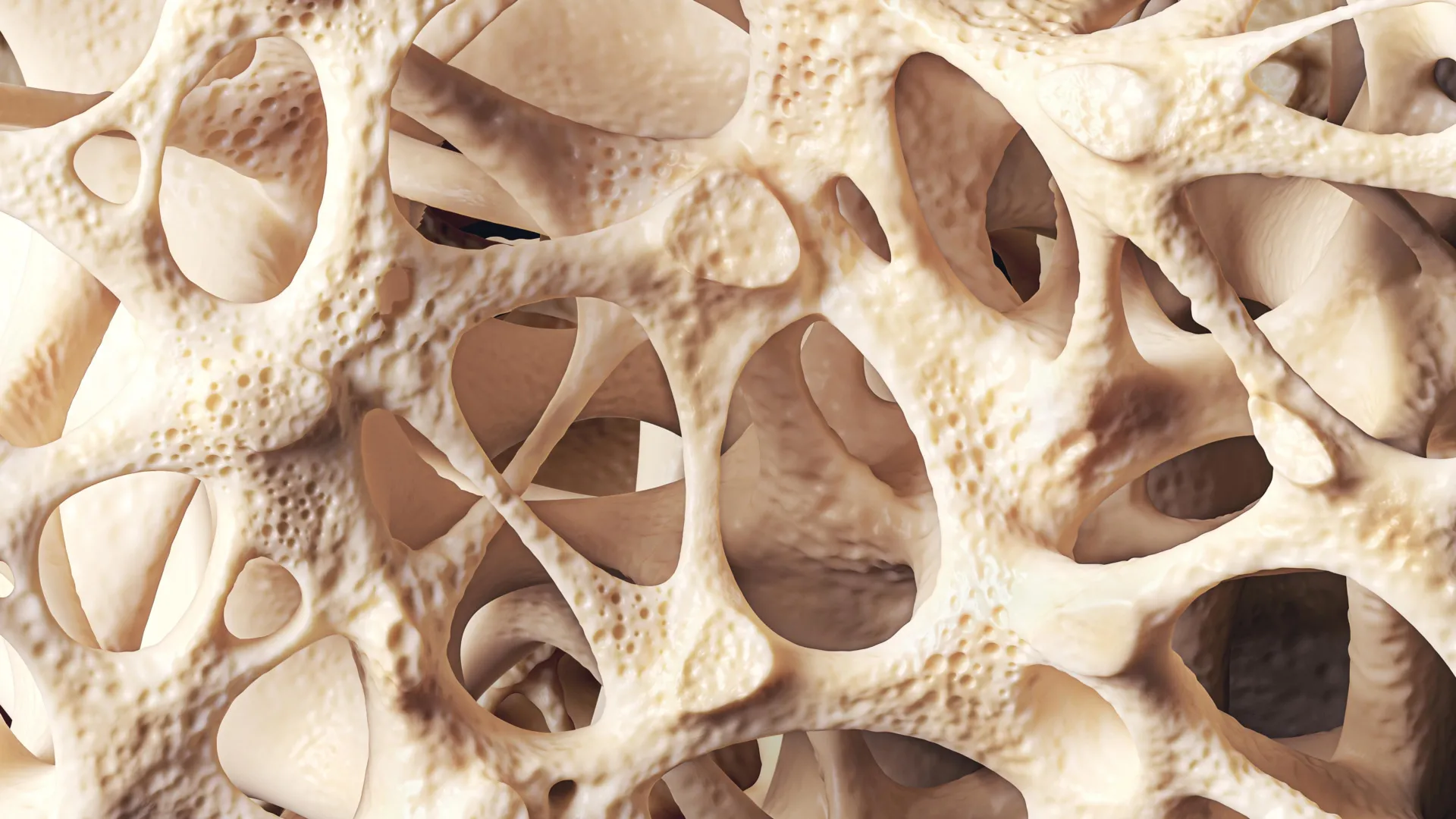
Over a multi-year investigative timeline, the team tracked how mechanical forces alter the developmental fate of these stem cells. They observed a distinct chronological shift associated with physiological aging: as living organisms age or experience prolonged immobilization, the internal mechanical signaling weakens. Consequently, mesenchymal stem cells increasingly abandon their osteogenic lineage, choosing instead to differentiate into fat cells. This pathological fat accumulation within the bone marrow crowds out healthy trabecular and cortical bone tissue, creating a vicious, self-perpetuating cycle of structural deterioration that standard therapies have struggled to interrupt.
Piezo1: The Molecular Sensor Linking Movement to Skeletal Health
The pivotal breakthrough occurred when the HKUMed researchers isolated a specific transmembrane protein residing on the surface of bone marrow mesenchymal stem cells. This protein, designated as Piezo1, functions as a highly sensitive mechanical transducer. When an individual engages in physical activity, the mechanical forces generated by muscular contractions and gravitational loading physically deform the cell membrane, activating the Piezo1 protein.
Upon activation, Piezo1 orchestrates a cascade of intracellular signaling events that fundamentally alter cellular metabolism and differentiation. In healthy, physically active subjects, Piezo1 stimulation actively suppresses adipogenesis, preventing fat accumulation within the bone marrow matrix while simultaneously upregulating pathways that promote robust osteoblast proliferation and bone mineralization.
Conversely, when the researchers genetically or experimentally depleted Piezo1 in experimental models, the regulatory mechanism collapsed entirely. Without the Piezo1 sensor to register mechanical inputs, mesenchymal stem cells default almost exclusively to fat production. Furthermore, the absence of functional Piezo1 triggers the pathological secretion of specific inflammatory signaling molecules—notably Ccl2 and lipocalin-2. These inflammatory markers actively inhibit bone growth while compounding fat deposition within the marrow cavity. By experimentally blocking these harmful inflammatory pathways, the research team successfully mitigated bone loss, proving that targeted pharmacological intervention could bypass the necessity for mechanical input.
"We have essentially decoded how the body converts movement into stronger bones," stated Professor Xu Aimin, reflecting on the mechanics of the discovery. "We have identified the molecular exercise sensor, Piezo1, and the signalling pathways it controls. This gives us a clear target for intervention. By activating the Piezo1 pathway, we can mimic the benefits of exercise, effectively tricking the body into thinking it is exercising, even in the absence of movement."
Therapeutic Implications and the Promise of Exercise Mimetics
The translation of these basic science findings into clinical pharmacology heralds a potential paradigm shift in geriatric medicine and orthopedics. For millions of patients confined to wheelchairs, recovering from severe trauma, managing chronic degenerative conditions, or enduring long-term hospitalization, the prospect of utilizing "exercise mimetics"—pharmacological compounds designed to chemically activate the Piezo1 pathway—offers unprecedented hope.
Dr. Wang Baile, co-leader of the study, emphasized the profound clinical relevance of the discovery for populations traditionally underserved by standard physical therapy regimens. "This discovery is especially meaningful for older individuals and patients who cannot exercise due to frailty, injury or chronic illness," Dr. Wang noted. "Our findings open the door to developing exercise mimetics—drugs that chemically activate the Piezo1 pathway to help maintain bone mass and support independence."
Echoing these sentiments, international collaborator Professor Eric Honoré highlighted the broader public health implications of a targeted pharmacological approach to skeletal maintenance. "This offers a promising strategy beyond traditional physical therapy," Professor Honoré explained. "In the future, we could potentially provide the biological benefits of exercise through targeted treatments, thereby slowing bone loss in vulnerable groups such as bedridden patients or those with limited mobility, and substantially reducing their risk of fractures."
Industry analysts and clinical pharmacologists observe that the development of Piezo1 agonists could transform preventative care protocols. While lifestyle modifications, dietary adjustments, and physical therapy will remain foundational pillars of musculoskeletal health, an approved exercise mimetic could bridge the therapeutic gap for high-risk demographics. By pharmacologically stabilizing bone mineral density and preventing marrow adiposity, clinicians could drastically curtail the incidence of debilitating hip and vertebral fractures, thereby alleviating the crushing financial strain placed on acute care facilities and long-term nursing institutions worldwide.
Future Horizons in Clinical Translation
With the publication of their findings in Signal Transduction and Targeted Therapy, the HKUMed research consortium has transitioned from exploratory discovery to targeted translational development. The immediate objective for Professor Xu’s laboratory and its global partners is the design, synthesis, and rigorous preclinical testing of small-molecule compounds capable of selectively binding to and activating the Piezo1 receptor without inducing systemic adverse effects.
Given the complex regulatory pathways involved in human pharmacology, moving from murine models and human cell cultures to clinical trials will require extensive safety evaluations and phased testing protocols. However, the clarity of the target and the well-defined signaling cascades identified in the study provide a streamlined roadmap for drug development.
Financial backing for this expansive research initiative has been secured through highly competitive channels, reflecting the global significance of the undertaking. The project has received substantial grants and support from the Areas of Excellence Scheme and the General Research Fund of the Research Grants Council in Hong Kong; the Health and Medical Research Fund under the Health Bureau of the Government of the Hong Kong Special Administrative Region; the National Key R&D Program of China; the National Natural Science Foundation of China; the Human Frontier Science Program; the French National Research Agency; Fondation de France; Fondation pour la Recherche Médicale; and the Macau Science and Technology Development Fund.
As investigators press forward with translational studies, the medical community maintains a cautious yet palpable sense of optimism. If subsequent clinical trials successfully validate the efficacy and safety of Piezo1-targeted therapeutics, humanity may soon possess a revolutionary clinical tool: a pill that successfully delivers the physiological dividends of physical exertion to those who need it most, rewriting the future of aging, mobility, and bone health across the globe.