For decades, the prevailing consensus in developmental biology held that the human brain was a monolithic entity, emerging from a single, unified population of progenitor cells during the earliest stages of embryonic growth. This foundational belief suggested that the forebrain, midbrain, and hindbrain were merely regional specializations of a singular developmental lineage. However, groundbreaking research led by Stanford Medicine, published September 18 in the journal Nature Neuroscience, has dismantled this long-standing assumption. The study reveals that the brain is not a singular developmental project but is instead a complex architectural fusion of two distinct nervous systems that evolved independently over half a billion years.
The implications of this discovery are profound, offering a resolution to a decades-old enigma in neuroscience: why researchers have consistently failed to successfully cultivate specific hindbrain neurons in laboratory settings. By identifying the separate developmental pathways of the anterior and posterior brain, the research team has not only rewritten the biological textbook on neurogenesis but has also opened a new frontier in the potential treatment of neurodegenerative disorders, including Amyotrophic Lateral Sclerosis (ALS) and Spinal Muscular Atrophy (SMA).
The Mechanics of a Dual-Origin Organ
To understand the magnitude of this shift, one must look at the traditional model of brain development. Previously, it was believed that a common progenitor cell pool differentiated into the various regions of the brain. The new study, spearheaded by senior author Kyle Loh, PhD, an associate professor of developmental biology at Stanford, suggests that the "front" and "back" of the brain possess entirely separate genetic blueprints.
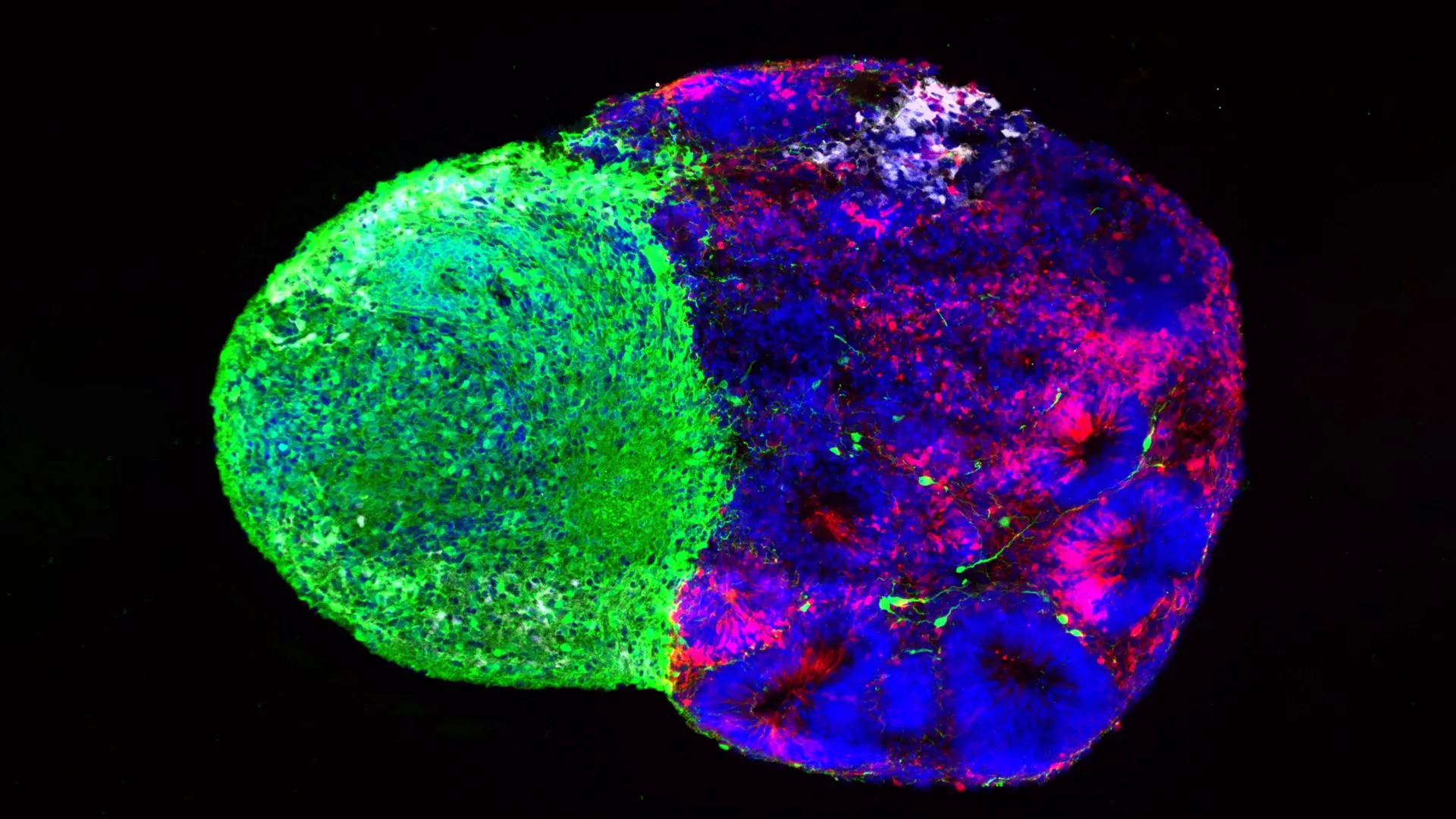
The forebrain and midbrain, which govern the complex cognitive functions that define human experience—such as abstract reasoning, language acquisition, and consciousness—originate from a specific progenitor population characterized by the expression of the Otx2 gene. Conversely, the hindbrain, or brain stem, which acts as the body’s autonomic control center for breathing, heart rate, sleep cycles, and hunger, originates from a distinct progenitor population expressing the Gbx2 gene.
Crucially, the research demonstrates that these two cell populations remain sequestered from the very onset of gastrulation, the phase where the body’s basic structure is first mapped out. Using sophisticated chromatin analysis—which examines the protein structures that package DNA and determine gene accessibility—the team confirmed that these two lineages are locked into separate developmental trajectories from the moment they are specified.
A Half-Billion-Year Evolutionary Timeline
The evolutionary roots of this split appear to stretch back at least 550 million years. By analyzing the developmental patterns of various species, the researchers identified the same two-origin arrangement across a diverse evolutionary spectrum, including chickens, zebrafish, and the hemichordate acorn worm. The existence of this pattern in such evolutionarily distant organisms suggests that the modern vertebrate brain is a product of evolutionary "modular assembly."
Evidence further suggests that even more ancient organisms, such as jellyfish—which diverged from the lineage leading to humans approximately 600 to 700 million years ago—possess two separate nervous systems located at different poles of their bodies. The Stanford team proposes a compelling evolutionary hypothesis: the vertebrate brain arose when these two ancestral neural systems were brought into close physical proximity through the pressures of natural selection. Rather than merging into a singular, unified tissue type, the brain retained its dual-origin structure, effectively "bolting" two ancient systems together to create a more integrated survival machine.
Overcoming the Laboratory Barrier
The inability to grow functional hindbrain neurons has been a significant bottleneck in neurological research. For years, scientists attempted to force-differentiate forebrain progenitors into hindbrain cells, a process that proved ineffective because those cells lacked the necessary genetic "programming" to adopt the hindbrain identity.
By recognizing the distinct developmental origins of these cells, the Stanford team, led by graduate students Carolyn Dundes and Rayyan Jokhai, successfully bypassed this obstacle. They were able to guide human pluripotent stem cells directly into becoming functional hindbrain motor neurons. These laboratory-grown neurons demonstrated authentic physiological behavior, including the production of electrical signals known as action potentials and the synthesis of specific proteins responsible for controlling the muscles of the face, tongue, and throat.
This breakthrough provides a long-sought-after platform for modeling diseases that selectively target the brain stem. Previously, researchers were limited by the ethical and physical impossibility of extracting brain stem tissue from living patients. Now, they can study the molecular mechanisms of disease in a controlled, high-fidelity environment.
Implications for Neurodegenerative Disease
The medical significance of this discovery centers on conditions where hindbrain degeneration is the primary driver of mortality and disability. Spinal Muscular Atrophy (SMA), a leading genetic cause of death in infants, and Amyotrophic Lateral Sclerosis (ALS), a progressive neurodegenerative disease often diagnosed in middle age, both involve the catastrophic failure of these specific neurons.
In patients with ALS, the degeneration often begins in the hindbrain, leading to the loss of motor function in muscles used for swallowing and breathing. The secondary effects of these failures—such as the aspiration of food or liquids leading to pneumonia—are common causes of decline. By generating a renewable supply of human hindbrain neurons, scientists can now observe the early onset of these conditions, potentially identifying therapeutic targets that were previously invisible.
Furthermore, the research has implications for metabolic health. The hindbrain houses the neural circuits responsible for homeostatic hunger regulation, which are the primary targets of modern weight-loss pharmacotherapies such as GLP-1 receptor agonists. A deeper understanding of how these circuits are built and maintained could lead to the next generation of treatments for metabolic syndrome and obesity.
Broader Scientific Response and Future Directions
The scientific community has lauded the study for its meticulous attention to early-stage developmental biology. Experts in the field note that the study serves as a critical reminder of the importance of "first principles" in stem cell biology. As co-first author Rayyan Jokhai noted, the focus in the field has historically been on the end product—the neuron—rather than the initial, foundational lineage decisions made during embryonic life.
The research team is already looking toward the next phase of the investigation: mapping the developmental origins of the spinal cord and determining if it shares similar, distinct lineages. This work will require further integration of genomics, developmental biology, and clinical neurology.
The study, which received support from a wide array of institutions including the National Institutes of Health, the National Science Foundation, and the Howard Hughes Medical Institute, represents a rare instance where basic developmental biology yields immediate, actionable tools for clinical application. As the field moves forward, the "two-brain" model will likely become the standard framework for studying the vertebrate central nervous system.
By revealing that our most complex cognitive abilities and our most primitive survival functions are built from fundamentally different biological materials, the researchers have opened a new chapter in our understanding of what it means to be human. The brain, long thought to be a single, cohesive organ, is revealed to be a sophisticated, multi-part evolution that has managed to sustain humanity through the interplay of two distinct, ancient systems for hundreds of millions of years. This discovery not only provides a map for future research but also underscores the profound complexity of the evolutionary processes that govern human health and pathology.