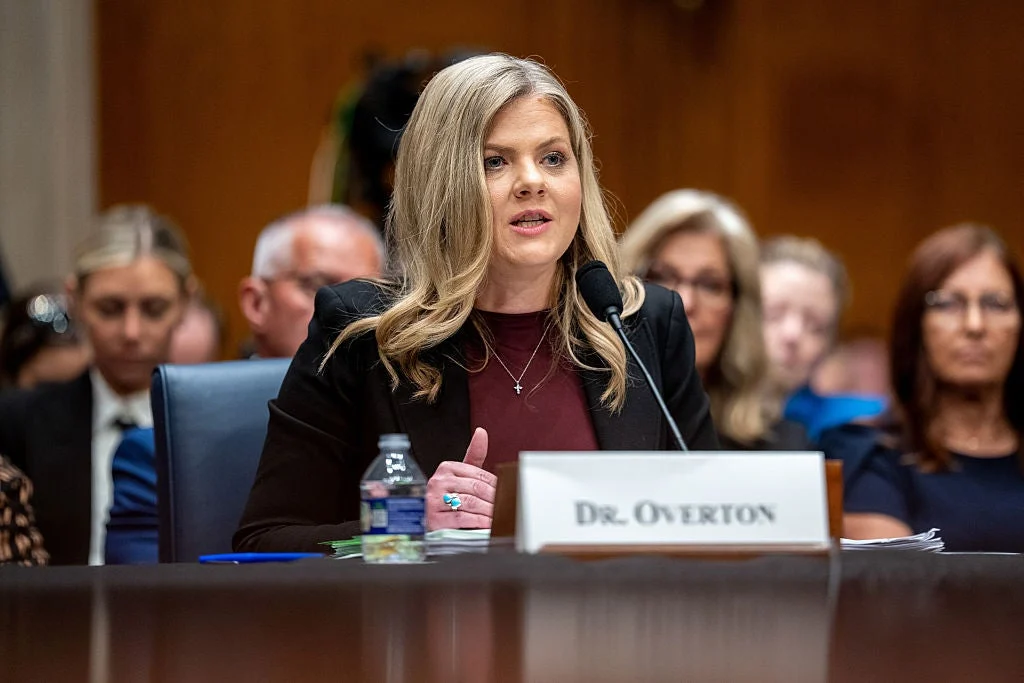
During a high-stakes and politically charged Senate confirmation hearing, Dr Heidi Overton, President Donald Trump’s nominee to lead the US Food and Drug Administration (FDA), forcefully affirmed the safety and efficacy of the combined measles, mumps, and rubella (MMR) vaccine. Her declaration directly countered recurring skepticism and public statements made by President Trump regarding the immunization. However, despite her public defense of the vaccine, lawmakers expressed deep reservations about whether the nominee would possess the political independence required to challenge scientifically erroneous statements issued from the executive branch.
The hearing unfolded against a backdrop of mounting public health challenges, including the highest number of measles cases recorded in the United States since 1991. Lawmakers on both sides of the aisle pressed Dr Overton on how she would navigate the delicate intersection of political pressure and scientific integrity if confirmed to head the nation’s premier drug and medical device regulatory agency. While Dr Overton maintained that approved vaccines meet rigorous safety standards, her reluctance to directly criticize the President’s past assertions left several senators unconvinced regarding her future autonomy.
The Chronology of the Controversy
The tension surrounding the nomination is rooted in a series of policy shifts and public announcements that have roiled the American public health landscape over the past year. In August, President Trump signed an executive order designed to overhaul the federal government’s childhood immunization recommendations. The directive called for a reduction in the total number of vaccines recommended for children and specifically advocated for splitting the combined MMR vaccine into separate, individual inoculations administered over a longer time span.
During the White House press conference announcing the executive order, President Trump went a step further, suggesting that the combined MMR vaccine could be “quite lethal” if administered all at once. Notably, Dr Overton—who was serving at the time as deputy assistant to the President for domestic policy—was physically present, standing directly behind the President in the Oval Office as the statements were made.
The August executive order triggered an immediate and widespread backlash from major domestic and international medical organizations. Prominent entities, including the American Academy of Pediatrics (AAP) and the National Foundation for Infectious Diseases (NFID), released statements condemning the directive as medically unfounded and dangerous to herd immunity. Public health experts warned that splitting the vaccine doses would leave children vulnerable to preventable infections for extended periods and complicate immunization schedules.
Senate Interrogation and Direct Questions
At the confirmation hearing, Senator Bill Cassidy directly confronted Dr Overton regarding her proximity to the August announcement and whether her current views aligned with those of the President.
“The MMR vaccine is not lethal,” Dr Overton told Senator Cassidy during the exchange, offering a direct scientific refutation of the President’s previous claim. However, when pressed further, she declined to explicitly state whether she disagreed with President Trump’s overarching policy goals or his rhetoric regarding childhood immunizations.
Later in the proceedings, Senator Ed Markey expressed profound skepticism regarding Dr Overton’s nomination. Senator Markey stated that his faith in her scientific independence “was undermined” during the August White House briefing, adding that he lacked confidence that she would stand up to political interference from the executive branch if confirmed as FDA commissioner.
Senator Cassidy also tested the nominee’s hypothetical boundaries, asking how she would respond if the President publicly alleged that the FDA had erred in approving a pharmaceutical product or vaccine as safe.
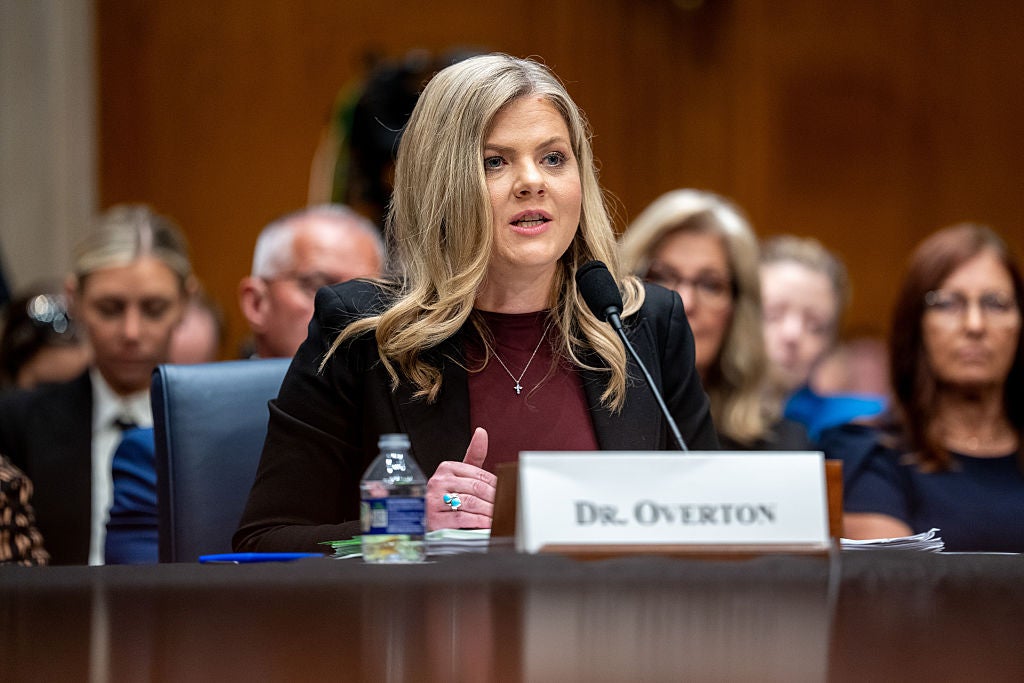
Dr Overton responded by emphasizing her professional background and commitment to empirical data. “What I would do in this role is to communicate and use my scientific training and my clinical background to describe what is currently known,” she testified, “and what is currently known is that the vaccines that have been approved by the FDA have met the standards for safety and efficacy.”
Public Health Context: A Resurgence of Preventable Diseases
Dr Overton’s confirmation hearing coincides with a critical juncture for American public health. The United States is currently grappling with a severe resurgence of measles, with reported cases hitting levels unseen since 1991. Epidemiologists attribute the outbreak to declining vaccination rates nationwide.
Over the past year, national vaccination coverage has receded significantly, a trend amplified by controversial claims and policy stances promoted by Health and Human Services Secretary Robert F. Kennedy Jr. Critics argue that skepticism emanating from high-ranking federal officials has eroded public trust in routine immunizations, creating an environment where vaccine-preventable diseases can easily re-establish footholds in communities with waning herd immunity.
Public health advocates argue that the FDA commissioner plays a vital role in restoring and maintaining public confidence in medical countermeasures. Any perceived erosion of scientific independence at the agency risks compromising its global reputation as the gold standard for drug and vaccine regulation.
Broader Policy Discussions and Wall Street Reactions
While vaccine safety dominated the headlines, the confirmation hearing also touched upon several other critical priorities for the pharmaceutical and biotechnology sectors. Lawmakers and the nominee discussed the need for regulatory flexibility, strategies to expedite drug development pathways for rare diseases, and initiatives to boost domestic clinical trial numbers. Maintaining American competitiveness in the life sciences sector—particularly in light of rapidly advancing research and development capabilities in China—emerged as a point of bipartisan agreement.
Financial markets and industry analysts closely monitored the hearing for signals regarding the future trajectory of FDA policy. Analysts at financial services firm Citi provided an assessment of Dr Overton’s performance, noting in a post-hearing memo: “Vaccine commentary emphasised safety and efficacy but avoided creating new policy friction, consistent with a leadership approach likely to prioritise agency operations over public debate.”
This perspective suggests that while Dr Overton is prepared to defend the scientific consensus on established products like the MMR vaccine, she may attempt to navigate political minefields by focusing heavily on internal agency management, regulatory efficiency, and technological innovation rather than engaging in direct public spats with the White House.
Implications for the FDA and Future Oversight
The debate over Dr Overton’s nomination underscores the persistent tension between political executive power and independent scientific regulation. As the Senate prepares to vote on her confirmation, lawmakers face the task of weighing her clinical qualifications and her explicit defense of vaccine safety against lingering concerns regarding her willingness to push back against scientifically unsound political directives.
If confirmed, Dr Overton will inherit an agency facing intense scrutiny from both the medical community and political actors. Her ability to balance the demands of the executive branch with the statutory mandate of the FDA to protect public health based on rigorous, peer-reviewed science will define her tenure and shape the future of American healthcare policy for years to come.