The human brain, an organ comprising only about two percent of total body weight, is an insatiable consumer of physiological resources, typically accounting for 20 percent of the body’s total oxygen and glucose intake. Maintaining this high-stakes energy budget requires a sophisticated, real-time management system that recalibrates depending on whether an individual is awake, resting, or navigating the complex neural theater of sleep. New research conducted by a team at Tohoku University has uncovered a counterintuitive phenomenon: during REM sleep, the stage most associated with vivid dreaming and memory consolidation, the brain experiences a simultaneous surge in fuel supply and a paradoxical depletion of the energy molecules neurons require to function.
These findings, recently published in the peer-reviewed journal Communications Biology, provide a novel look into the metabolic underpinnings of the sleeping mind. By peering into the cranial activity of mice, researchers have begun to decipher the complex "energy economics" that allow the brain to perform intense computational tasks—such as memory processing—while the body remains in a state of suspended animation.
The Mechanism of the Sleeping Brain
For decades, sleep researchers have categorized REM sleep as "paradoxical." While the physical body remains largely immobile, the electroencephalogram (EEG) readings of a REM-stage brain are remarkably similar to those of a person who is fully awake. This state of high neural arousal, coupled with the emotional intensity of dreaming, suggests that the brain is not merely "powering down" during the night. Instead, it appears to be switching to a different, perhaps more specialized, mode of operation.
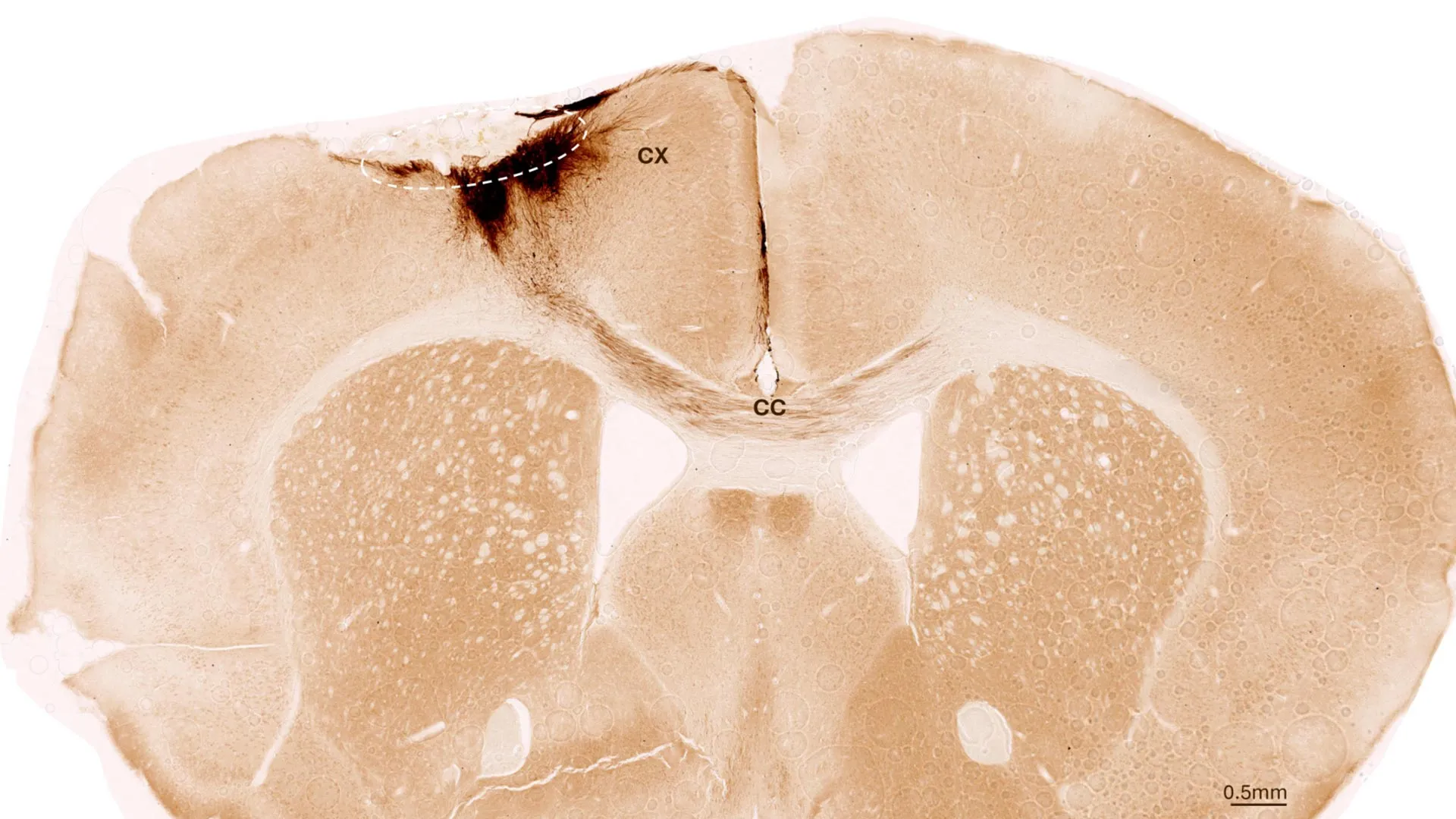
To investigate the metabolic cost of this state, the Tohoku University research team, led by Professor Ko Matsui and investigator Yusuke Takahashi, employed a sophisticated imaging technique. By applying a UV-curable resin to the skulls of mice, the researchers rendered the bone transparent, creating a window through which they could observe cortical activity in real time. This "cranial window" allowed for wide-field fluorescence imaging, enabling the team to track blood volume—a proxy for oxygen and glucose delivery—alongside real-time measurements of neuronal ATP (adenosine triphosphate) and astrocytic pyruvate.
Chronology of the Metabolic Shift
The research highlights that the brain does not transition into REM sleep instantaneously; rather, it engages in a systematic, pre-emptive metabolic buildup. Approximately 50 seconds before the transition from non-REM sleep to REM sleep, the team observed a distinct increase in cerebral blood volume.
The process begins in the posterior cortex and propagates forward. This systematic shift suggests a high-level coordination within the central nervous system to ensure that the metabolic "infrastructure" is in place before the onset of the intense neural activity characteristic of REM. Once the brain formally enters the REM stage, levels of astrocytic pyruvate rise, indicating an uptick in glycolysis—the process by which cells break down glucose to generate energy.
However, the team encountered a significant anomaly: while the "supply line" (blood volume and pyruvate) was expanding, the actual levels of neuronal ATP—the molecular fuel that powers the firing of synapses—began to drop. This inverse relationship between fuel availability and fuel consumption is the core of the newly identified "REM paradox."
Explaining the Energy Deficit
The exhaustion one often feels after a night of vivid dreaming may not be a psychological illusion, but a biological reality. The researchers have proposed several hypotheses to explain why neuronal ATP levels decline despite an influx of metabolic resources.
First, the nature of REM sleep requires a massive reorganization of neural pathways. During this phase, the hippocampus and the cerebral cortex are engaged in a bidirectional dialogue, transferring information and reinforcing synaptic connections—a process fundamental to memory consolidation. This "synaptic remodeling" is computationally expensive, potentially consuming ATP at a rate that outpaces the replenishment provided by the blood supply.
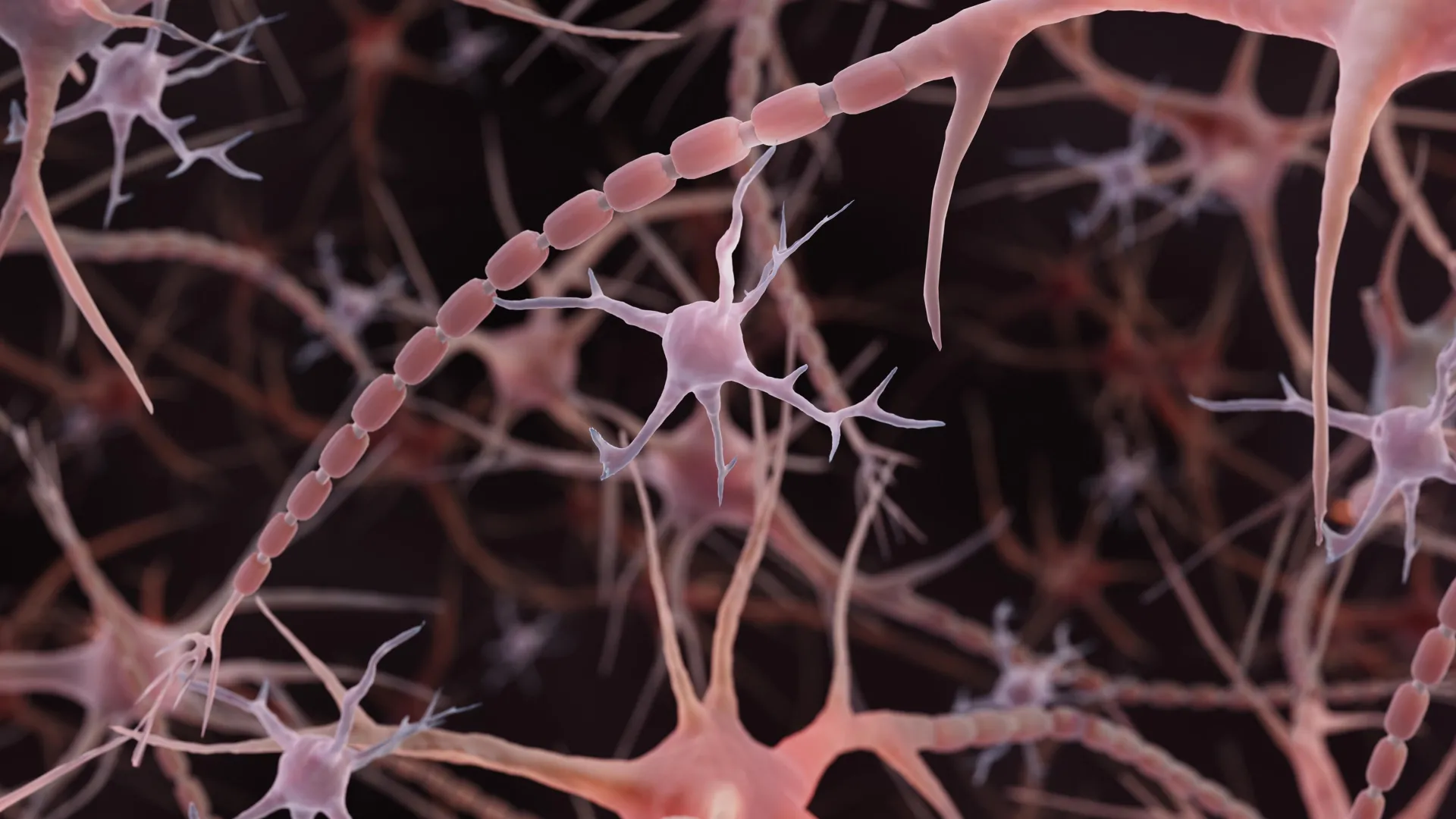
Second, the energy transfer dynamics between astrocytes and neurons may be altered during REM sleep. Astrocytes, the star-shaped cells that support neurons, play a vital role in providing metabolic substrates. It is possible that during REM, the metabolic hand-off between these two cell types is fundamentally shifted, prioritizing long-term structural changes over immediate ATP storage.
Finally, the shift in mitochondrial activity within the neurons themselves cannot be ruled out. If the demand for energy-intensive tasks such as neural plasticity spikes, the mitochondria may be struggling to maintain steady-state ATP levels, even when provided with an abundance of raw materials.
Broader Implications for Biological Intelligence
The implications of this study extend far beyond the biology of sleep. By demonstrating that the brain operates under strict metabolic limits and must redirect resources based on behavioral states, the study offers a critical perspective on what separates biological intelligence from conventional computing.
"Conventional computers operate with a relatively static power distribution," notes Yusuke Takahashi. "The animal brain, however, is a dynamic master of resource allocation. It does not provide energy evenly; it shifts its budget in anticipation of specific cognitive demands."
This efficiency is a hallmark of biological evolution. If the brain were to consume energy at the rate it does during peak REM processing throughout the entire day, the metabolic cost would be unsustainable. By concentrating high-energy activities during specific sleep stages, the brain ensures it can perform complex "computational" work—such as pruning unnecessary synapses and strengthening vital memories—without causing systemic fatigue.
The Clinical Relevance of Sleep Architecture
The research at Tohoku University also underscores the clinical importance of sleep hygiene. As neuroscientists continue to map the metabolic "economy" of the brain, the relationship between sleep disruption and neurodegenerative diseases becomes clearer. If the brain fails to properly manage its energy budget during REM sleep, the downstream effects on memory consolidation and cognitive performance are predictable.
Patients suffering from sleep disorders, such as REM sleep behavior disorder or chronic insomnia, may be experiencing more than just a lack of rest; they may be experiencing a breakdown in the very metabolic machinery required to keep the brain’s circuitry healthy. Understanding the "energy paradox" of the dreaming brain could eventually lead to new therapeutic interventions that focus on supporting the metabolic needs of the brain during sleep, potentially offering new avenues for treating cognitive decline.
Conclusion
The work of Professor Matsui and his colleagues serves as a reminder that the sleeping brain is a site of intense, organized labor. Far from being a period of inactivity, the REM stage is a high-demand metabolic environment where the brain reorganizes its resources to facilitate the complex functions of the mind. By quantifying the rise and fall of energy molecules, the Tohoku University team has provided a definitive look at the "hidden" cost of our dreams.
As the scientific community continues to digest these findings, the focus will likely shift to the molecular triggers that initiate the pre-REM blood flow adjustments and the specific neural pathways that drive the surge in ATP consumption. This research adds a vital piece to the long-standing puzzle of why sleep is an evolutionary necessity, bridging the gap between molecular biology and the higher-order functions of memory and consciousness. Ultimately, the dreaming brain reveals that even in our most profound states of rest, we are operating at the absolute limit of our biological capacity—an efficiency that remains one of nature’s most impressive feats of engineering.