In a landmark preclinical study that promises to redefine the landscape of regenerative medicine, investigators at Weill Cornell Medicine have identified a single molecular switch that governs the transition of blood stem cells from a dormant state to an active, regenerative one. The research, published on February 25 in the prestigious journal Nature Immunology, centers on a protein known as FLI-1. This DNA transcription-regulating factor has been revealed as the essential catalyst for blood stem cells to begin the rapid production of new blood cells, a discovery that could significantly enhance the efficacy of bone marrow transplants and gene therapies for a variety of life-threatening conditions.
The Biological Mechanism of Stem Cell Quiescence
Stem cells are the foundational building blocks of the human body, possessing the unique ability to differentiate into specialized cell types and replenish tissues throughout a person’s lifespan. In the context of the hematological system, blood stem cells—or hematopoietic stem cells (HSCs)—reside primarily within the bone marrow. Under normal physiological conditions, these cells exist in a state of "quiescence," a form of cellular hibernation characterized by slow division and low metabolic activity. This dormant state is a protective mechanism, preserving the long-term viability of the stem cell pool and preventing the accumulation of genetic mutations that can occur during frequent replication.
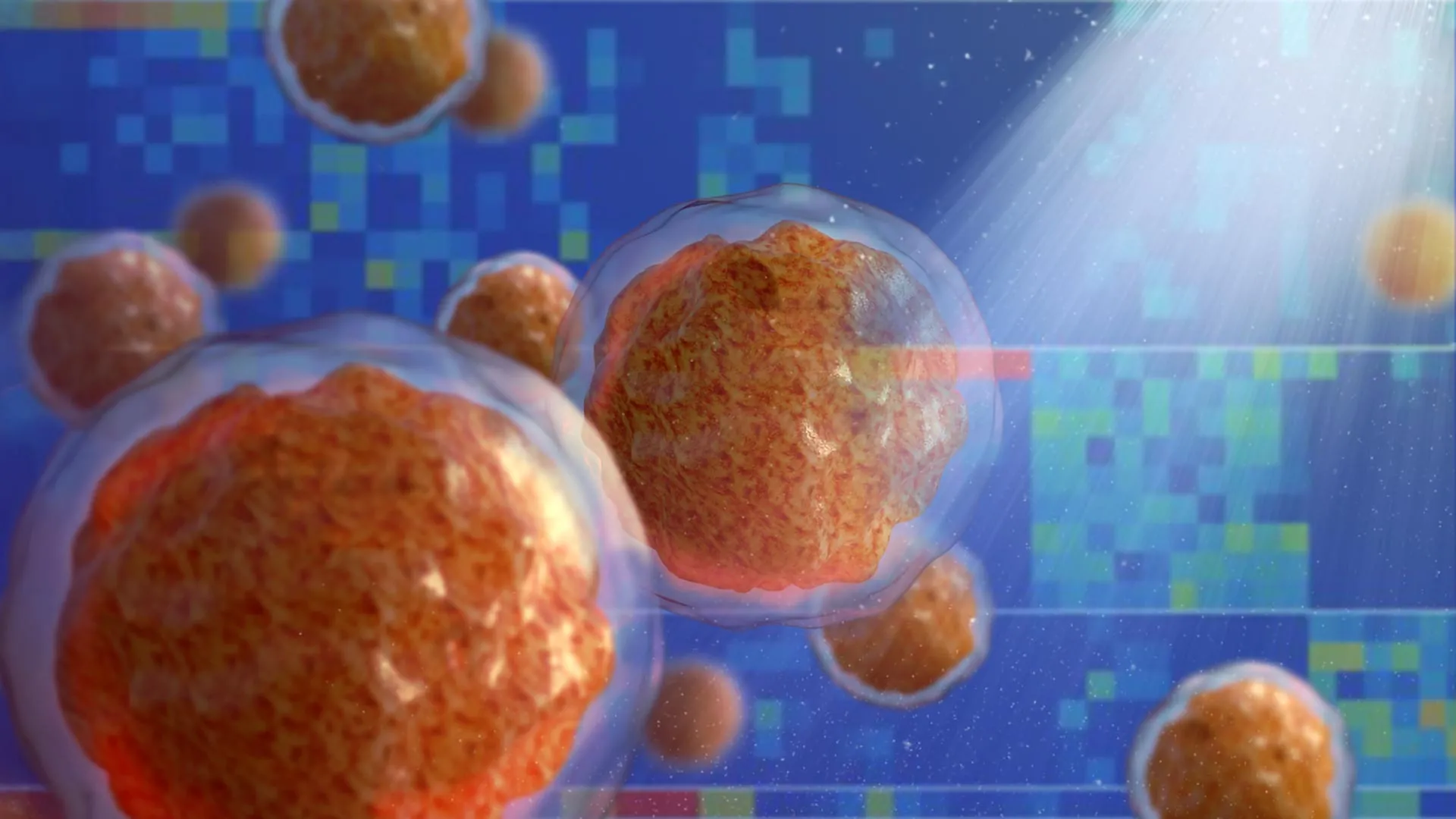
However, when the body sustains an injury or experiences a significant loss of blood cells, these quiescent cells must "wake up" to repair the damage. This transition to an activated state allows them to multiply rapidly and mature into functional red blood cells, white blood cells, and platelets. The Weill Cornell Medicine study identifies the FLI-1 protein as the primary driver of this metabolic and functional shift. Without sufficient FLI-1 activity, blood stem cells remain trapped in their dormant state, unable to respond effectively to the body’s regenerative demands.
Unveiling the Role of FLI-1 as a Master Regulator
The research team, led by Dr. Shahin Rafii, used sophisticated single-cell profiling and computational analysis to compare the genetic landscapes of quiescent and activated blood stem cells. By analyzing the differences in gene expression at the level of individual cells, the investigators were able to isolate FLI-1 as a critical transcription factor. Transcription factors are proteins that bind to specific DNA sequences, acting as master switches that can turn thousands of genes on or off simultaneously.
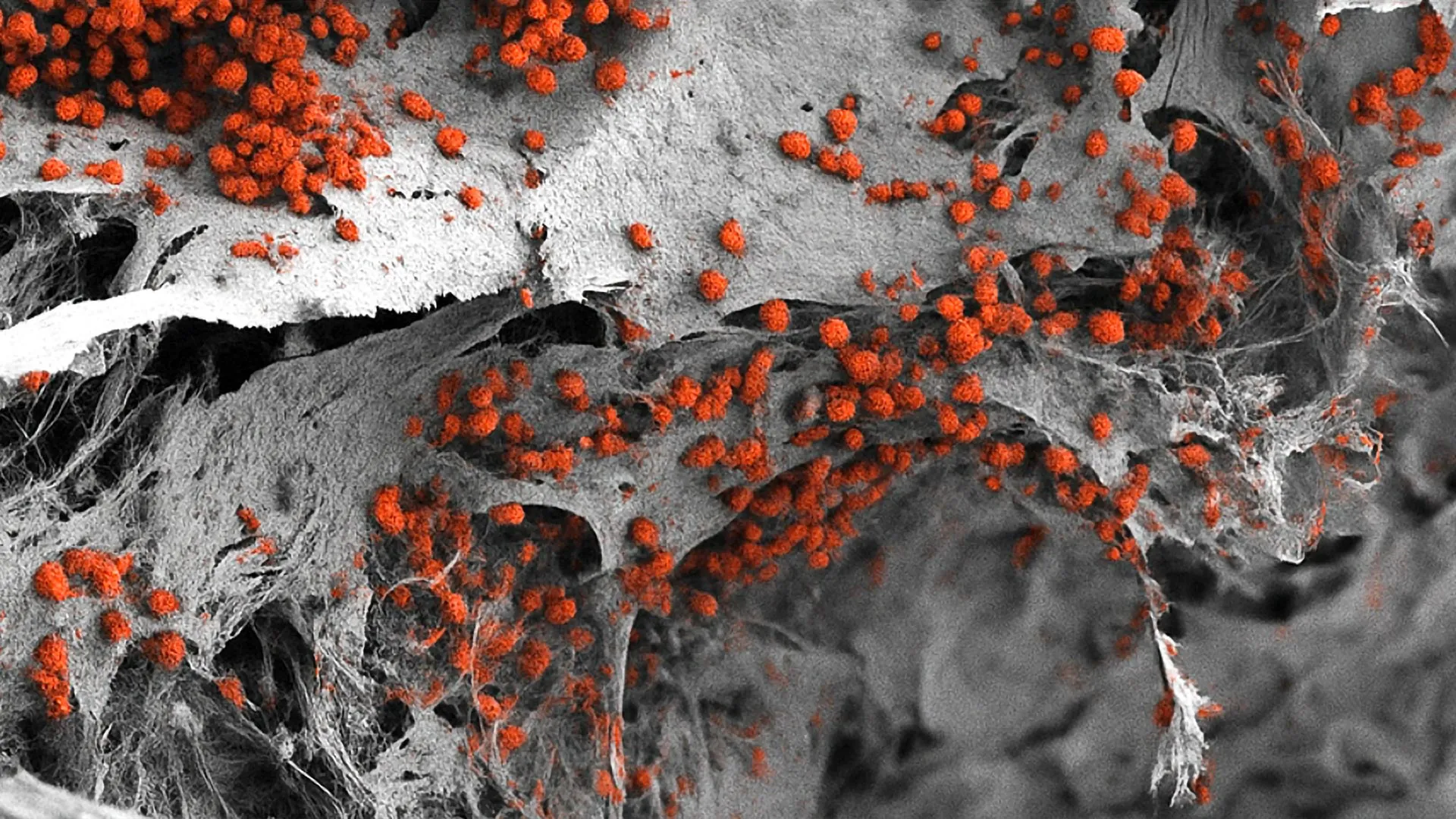
The study demonstrated that FLI-1 is responsible for orchestrating the complex interactions between blood stem cells and their surrounding environment, specifically the "vascular niche." This niche consists of specialized endothelial cells that line the blood vessels within the bone marrow. FLI-1 activity restores the stem cells’ ability to communicate and co-adapt with these endothelial cells. When FLI-1 is absent, blood stem cells become "blind" to the signals from their environment, leading to a failure in the regenerative process. Conversely, the transient production of FLI-1 in adult bone marrow stem cells allows them to swiftly expand their numbers, making them far more effective for transplantation into a host.
Overcoming the Challenges of Current Marrow Transplants
Bone marrow transplantation is a cornerstone of modern oncology and hematology, used to replenish immune and blood cell populations in patients undergoing treatment for various cancers and blood disorders. However, the procedure faces significant hurdles. In many cases, donors have a limited supply of viable blood stem cells, or the harvested cells are slow to engraft and begin production in the recipient’s body.
"The approach we outlined in this study could substantially improve the efficiency of marrow transplants and marrow-cell-targeted gene therapies, especially in cases where the donor has a very limited supply of viable blood stem cells," explained Dr. Shahin Rafii, senior author of the study and director of the Hartman Institute for Therapeutic Organ Regeneration at Weill Cornell Medicine.
The problem is particularly acute for patients who act as their own donors (autologous transplants). If a patient has already undergone intensive chemotherapy or radiation, their remaining blood stem cells may be damaged or "exhausted," making them difficult to activate and expand in a laboratory setting. By using FLI-1 to "prime" these cells, clinicians may be able to revitalize even a small or damaged sample of stem cells, ensuring a more robust recovery for the patient.
Innovation via Modified mRNA Technology
While FLI-1 is a powerful regenerative tool, its overactivity is associated with certain types of leukemia. To harness its benefits without the risk of inducing cancer, the researchers developed a novel delivery method based on modified mRNA—the same technology utilized in the development of highly effective COVID-19 vaccines.
This approach allows for the "transient" introduction of FLI-1. Instead of permanently altering the cell’s DNA, the modified mRNA provides temporary instructions for the cell to produce the FLI-1 protein for only a few days. This window is long enough to wake the stem cells from hibernation and trigger their expansion but short enough to prevent the long-term genetic instability that could lead to malignancy.
Dr. Tomer Itkin, study co-first author and director of Tel Aviv University’s Neufeld Cardiovascular Research Institute, noted the safety of this method. "The stem cells we prime with FLI-1 modified mRNA in this way wake up from hibernation, expand and functionally and durably engraft in the recipient host, without any evidence of cancer," he stated. This finding is a critical milestone, as it demonstrates a pathway toward clinical application that balances high efficacy with patient safety.
Solving the Mystery of Umbilical Cord Blood Potency
The study also provided a scientific explanation for a long-standing observation in the field of hematology: why human umbilical cord-derived blood stem cells possess significantly greater regenerative potential than adult stem cells. For decades, cord blood has been a valuable resource for transplants because its stem cells are more "potent" and better at engrafting in new hosts.
The Weill Cornell team discovered that this heightened potency is directly linked to higher baseline levels of FLI-1 activity in cord blood stem cells. These younger cells are naturally more adept at interacting with the regenerative vascular niche. By identifying FLI-1 as the source of this difference, the researchers have essentially found a way to "rejuvenate" adult stem cells, giving them the regenerative vigor typically found only in umbilical cord blood.
Implications for Gene Therapy and Blood Disorders
The discovery of the FLI-1 switch has profound implications for the burgeoning field of gene therapy. Disorders such as beta-thalassemia and sickle cell anemia require the harvesting of a patient’s own blood stem cells, the insertion of a corrective therapeutic gene, and the subsequent expansion of those cells in a laboratory before they are re-infused.
These "vulnerable" stem cells often struggle to survive and multiply outside the body. A safe and reliable method for switching these cells into a regenerative state could drastically increase the success rate of these therapies. By ensuring that the gene-edited cells are primed for activation, doctors can improve the speed at which a patient begins producing healthy, functional blood cells following treatment.
Analytical Outlook: A New Paradigm in Regenerative Medicine
The study clarifies that stem cell activity is not an autonomous process; rather, it is a choreographed dance between the stem cell and its environment. Sean Houghton, a bioinformatics analyst and co-first author of the study, emphasized that stem cell success "depends instead on signaling and adaptability between the two."
This shift in understanding—from viewing the stem cell as a solo actor to viewing it as part of a "vascular niche" system—marks a significant departure from previous models of hematology. It suggests that future treatments will need to focus not just on the stem cells themselves, but on how those cells are programmed to interact with the blood vessels and signaling molecules in the bone marrow.
Timeline and Future Directions
The research conducted at Weill Cornell Medicine involved years of extensive computational analysis and preclinical testing. Following the publication of their findings in Nature Immunology, the team is now moving toward the next phase of development.
- Preclinical Scaling: The researchers are currently scaling up their modified mRNA-based method to ensure it can be produced in quantities sufficient for larger studies.
- Safety Optimization: Further testing will be conducted to ensure the transient nature of the FLI-1 introduction remains consistent across various patient profiles.
- Human Clinical Trials: The ultimate goal is to transition this technology into human patients, targeting those with limited donor options or those undergoing complex gene therapies.
If successful in human trials, this approach could set the stage for treating a wide range of blood disorders with long-term, stable, and safe blood production. It represents a significant step toward a future where "exhausted" or dormant stem cells are no longer a barrier to life-saving medical interventions.
Acknowledgments and Funding
The study was a collaborative effort involving multiple departments at Weill Cornell Medicine, including the Ansary Stem Cell Institute and the Englander Institute for Precision Medicine. The research was supported by several branches of the National Institutes of Health (NIH), including the National Heart, Lung, and Blood Institute; the National Institute of Diabetes and Digestive and Kidney Diseases; and the National Institute of Allergy and Infectious Diseases. Additional funding was provided by the Hartman Institute for Therapeutic Organ Regeneration and the Selma and Lawrence Ruben Daedalus Fund for Innovation.
As the medical community looks toward more personalized and efficient treatments for cancer and genetic blood diseases, the identification of the FLI-1 switch stands as a pivotal moment in the quest to unlock the full potential of human regenerative biology.