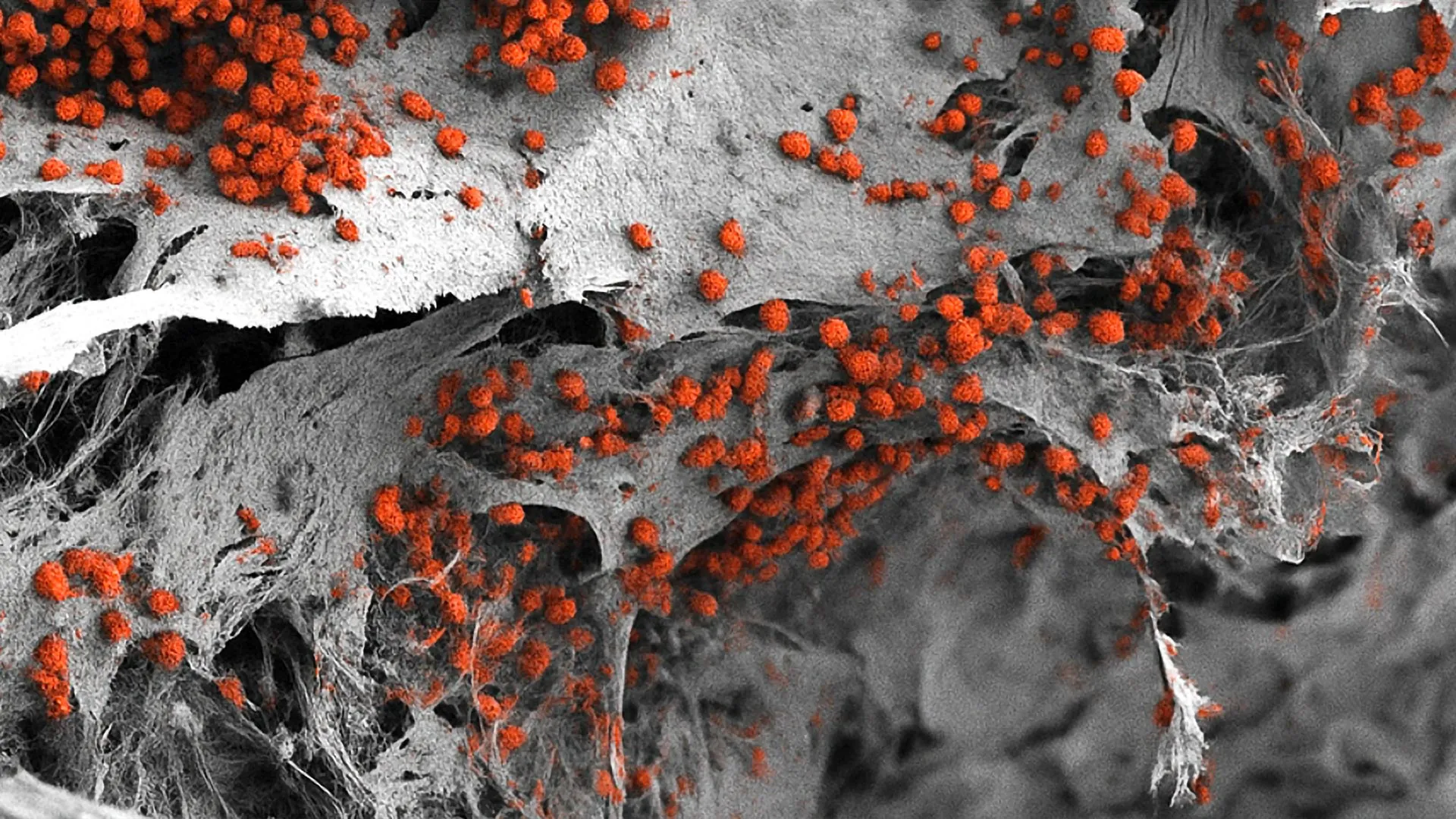
Researchers at the Wellcome Sanger Institute, in close collaboration with an international network of geneticists and clinical oncologists, have published a landmark study in the journal Nature that fundamentally alters our understanding of chronic myeloid leukemia (CML). By deploying advanced whole-genome sequencing techniques on single blood cells, the research team has mapped the precise lifecycle, origin timeline, and unprecedented expansion rates of the cancer-driving genetic mutation responsible for the disease. The findings reveal that CML operates as a profound biological outlier in the oncology landscape, displaying explosive annual growth rates driven by a single genetic aberration long before clinical symptoms manifest in patients.
The Biological Mechanism and Genetic Origins of CML
Chronic myeloid leukemia is a rare and aggressive form of cancer affecting the bone marrow and blood cells. Historically, medical science has understood that CML is triggered by a specific chromosomal abnormality known as the Philadelphia chromosome. This cytogenetic anomaly occurs when a reciprocal translocation takes place between chromosomes 9 and 22. Consequently, a segment of the ABL1 gene from chromosome 9 breaks off and fuses with the BCR gene on chromosome 22.
The resulting chimeric fusion gene, designated as BCR::ABL1, acts as an ultra-potent molecular engine that instructs bone marrow cells to produce abnormal white blood cells uncontrollably. While this genetic mechanism has been recognized for decades, the precise temporal evolution of the mutation—how a single cell acquires the fusion and how rapidly its clonal descendants multiply to trigger clinical disease—remained largely obscured until now.
To pierce this scientific blind spot, the research team examined more than 1,000 whole genomes extracted from single blood cells donated by nine diagnosed CML patients, whose ages ranged widely from 22 to 81 years old. By tracing the somatic mutations harbored within these individual cells, the investigators constructed high-resolution phylogenetic trees. Much like genealogical family trees, these genomic maps allowed scientists to travel backward in time, charting the ancestral lineages of the tumor cells and pinpointing the exact moment the initial BCR::ABL1 fusion event occurred.
Chronology of Disease: Years of Silent, Rapid Expansion
The newly constructed phylogenetic timelines yielded surprising results regarding the latency and progression of the disease. According to the data, the initial BCR::ABL1 fusion event typically occurs between three and 14 years prior to a formal clinical diagnosis.
Once this single genetic fusion is established, the subsequent growth trajectory of the tumor clones defies conventional oncological paradigms. Rather than accumulating multiple genetic mutations over several decades—a hallmark pathway observed in most solid tumors and various other hematological malignancies—CML cells multiply at staggering velocities. The study recorded tumor clone expansions exceeding 100,000 percent growth annually in some instances.
This explosive acceleration indicates that the BCR::ABL1 fusion gene possesses a uniquely powerful oncogenic drive. Most cancers require a complex, stepwise accumulation of multiple driver mutations across a span of twenty to thirty years before achieving malignancy. CML, conversely, relies primarily on this singular genetic translocation to catalyze rapid and overwhelming cellular proliferation.
Age-Related Variations and Clinical Implications
Beyond charting the timeline of the disease, the research uncovered critical nuances regarding patient demographics and therapeutic responses. The study demonstrated a clear correlation between patient age and tumor growth velocity. Specifically, younger patients exhibited significantly higher multiplication rates among their cancerous cells compared to older cohorts.
Furthermore, these distinct growth rates held profound implications for clinical management. The standard frontline treatment for chronic myeloid leukemia involves targeted therapies known as tyrosine kinase inhibitors (TKIs). While TKIs have drastically improved the prognosis for CML patients over the past twenty years, approximately one in five patients fails to achieve an optimal and sustained response to the medication.
The Wellcome Sanger Institute study revealed that patients harboring faster-growing CML clones were consistently less responsive to standard TKI therapy. This discovery bridges a long-standing gap in hematology, suggesting that measuring the intrinsic growth rate of cancer cells at the DNA level could eventually help clinicians predict therapeutic outcomes and tailor interventions more effectively.
To investigate whether individuals in the general population might harbor the BCR::ABL1 fusion gene asymptomatically without ever developing the disease, the researchers cross-referenced extensive genetic sequencing data and electronic health records from more than 200,000 participants enrolled in the United States-based "All of Us" research program. The analysis confirmed that nearly all individuals identified as carrying the BCR::ABL1 fusion eventually progressed to a formal blood disorder diagnosis. This finding strongly indicates that spontaneous clonal expansion of BCR::ABL1 rarely, if ever, remains dormant or benign without ultimately causing clinical pathology.
Expert Perspectives and Official Responses
The implications of the research have resonated strongly across the international hematology and oncology communities, shedding light on the exceptional nature of CML compared to other malignancies.
Dr. Aleksandra Kamizela, co-first author of the study, resident doctor at Lister Hospital in Stevenage, and incoming physician at Addenbrooke’s Hospital in Cambridge, emphasized the gap between current clinical testing and genomic insights.
"In a clinical setting, healthcare professionals will perform a reverse transcription polymerase chain reaction test, a type of blood test, to measure a patient’s response to CML treatment," Dr. Kamizela explained. "However, they are not able to routinely see differences in the genetic cause of CML in patients at the DNA level, which we have been able to highlight in our study. Our findings also provide a rationale to look at the rate of cancer growth more closely in future studies in order to understand if we can use such information in a clinical setting."
Dr. Jyoti Nangalia, senior author of the study, practicing hematologist at the University of Cambridge, and Group Leader at the Wellcome Sanger Institute, underscored the unique status of chronic myeloid leukemia within cancer biology.
"What our study suggests is that chronic myeloid leukemia is an outlier compared to other cancers—both solid tumors and other blood cancers," Dr. Nangalia noted. "We have shown that chronic myeloid leukemia cells undergo incredibly rapid growth within a few years to a decade before diagnosis, whereas for most cancers, the timeline from start to clinical presentation is several decades. This work paves the way to understanding how we might optimize treatment for those patients that currently respond poorly to therapy."
Broader Impact on Future Oncology and Personalized Medicine
As the medical community digests the findings published in Nature, the long-term impact on patient care points toward more personalized, precision-based oncology protocols. While routine molecular monitoring via RT-PCR remains the cornerstone of day-to-day management, incorporating genomic timeline analysis could redefine how hematologists stratify newly diagnosed patients.
Currently, treatment resistance remains a formidable hurdle for a minority of CML patients, who may face disease progression or the need to cycle through multiple generations of tyrosine kinase inhibitors. By identifying those individuals with exceptionally aggressive, fast-growing clones at the outset of their disease journey, clinicians could potentially implement combinatorial therapies or alternative management strategies much earlier in the treatment lifecycle.
Nevertheless, the study authors emphasize that while these findings open exciting new avenues for therapeutic optimization, further clinical validation is required. Large-scale prospective studies involving diverse patient cohorts must be conducted to establish standardized methodologies for measuring tumor growth rates in routine diagnostic laboratories. Until then, this comprehensive genomic mapping serves as a foundational milestone, offering unprecedented clarity into the hidden, accelerated genesis of one of blood cancer’s most formidable adversaries.