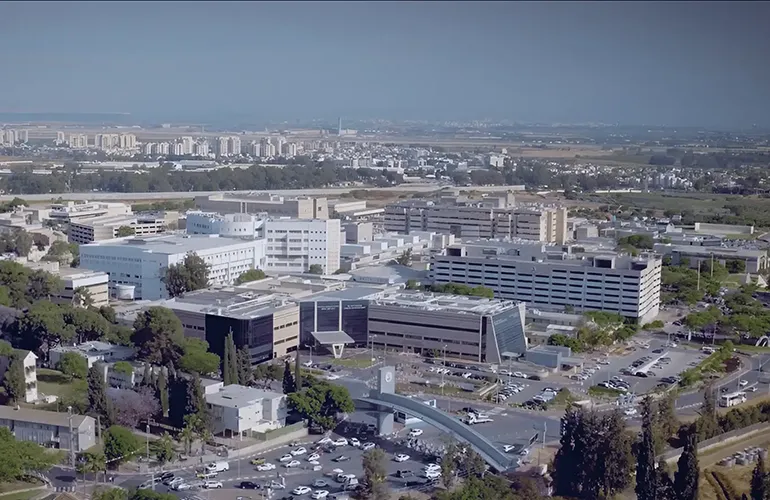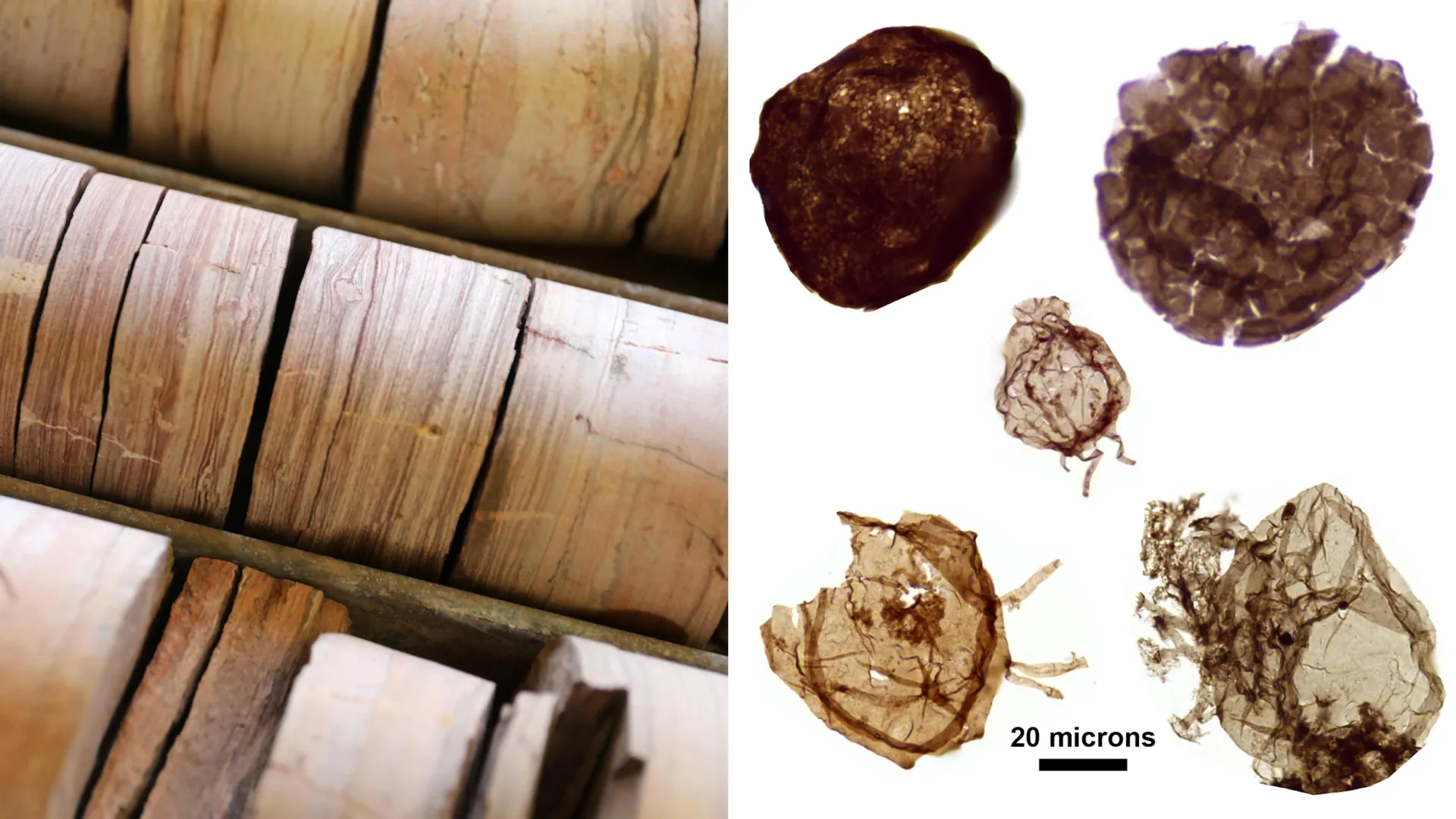
In an open-air warehouse on the outskirts of Darwin, Australia, thousands of cylindrical rock cores sit in orderly rows, silent witnesses to a geological history that stretches back billions of years. These geological archives, curated by the Northern Territory Geological Survey (NTGS), were originally extracted by mineral exploration companies decades ago, primarily to identify prospective deposits of gold, copper, and uranium. While the drillers sought precious metals, they inadvertently captured a far more valuable prize: the microscopic fossilized remains of the earliest complex life forms to inhabit Earth. A groundbreaking study published in the journal Nature, utilizing these very cores, has now shed new light on the "eukaryotic revolution," the pivotal evolutionary transition that eventually paved the way for all plant, animal, and fungal life on our planet.
The Great Cellular Divide: A Fundamental Evolutionary Leap
To understand the magnitude of this discovery, one must first distinguish between the two primary modes of cellular life. For the first billion years of Earth’s history, the planet was the exclusive domain of prokaryotes—bacteria and archaea. These organisms are defined by their structural simplicity; they lack a membrane-bound nucleus and specialized internal organelles. They are, in essence, the "hardware" of the biological world: robust, efficient, and versatile, but limited in their ability to scale up in size and complexity.
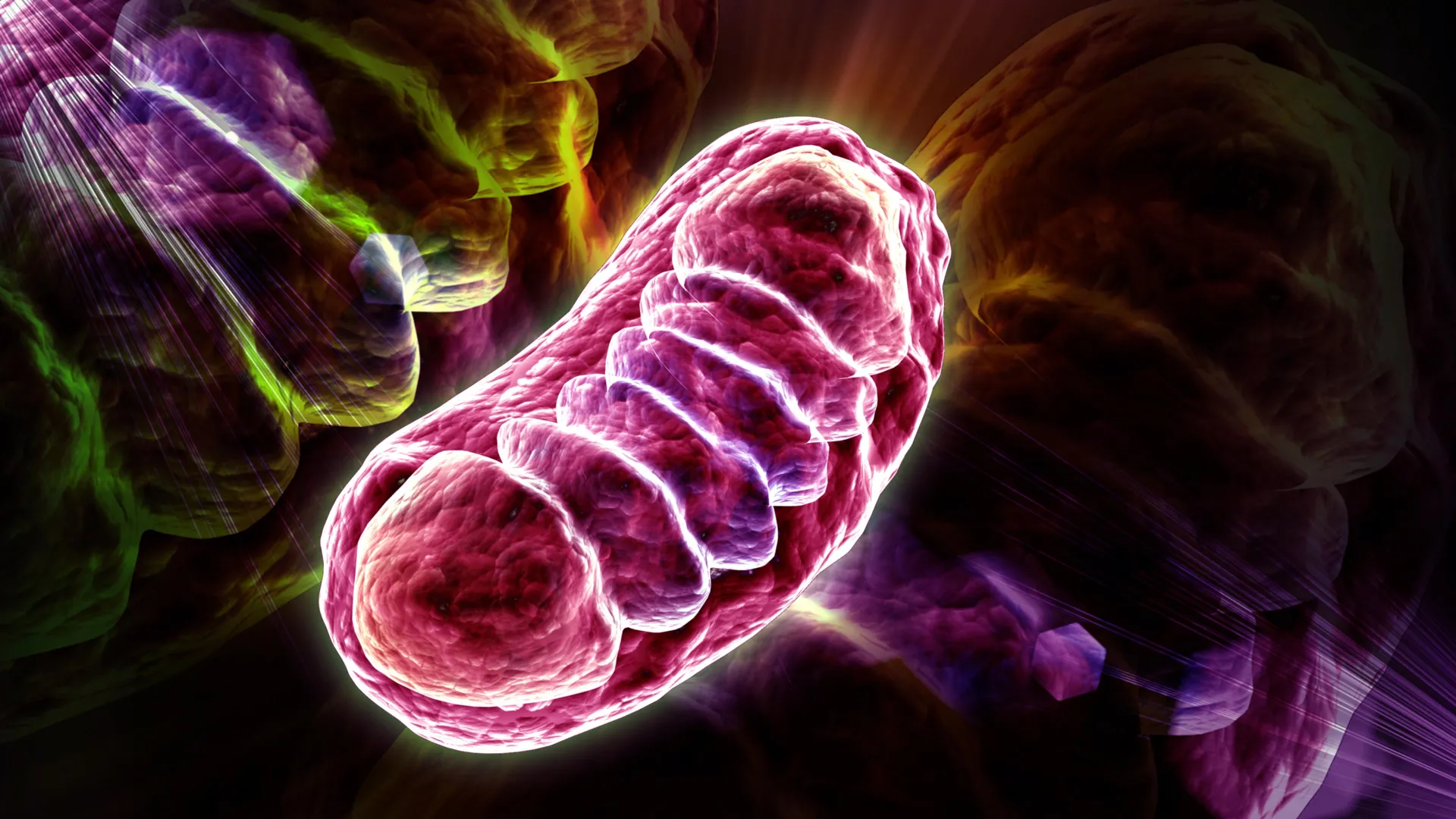
Eukaryotes, by contrast, represent the "software upgrade" that changed the trajectory of the planet. Eukaryotic cells contain a nucleus—a protected vault for genetic material—and an array of specialized organelles, such as mitochondria and chloroplasts, that compartmentalize chemical reactions. This architecture allowed for a massive increase in metabolic efficiency, providing the energy required for cells to communicate, organize into multicellular structures, and eventually evolve into complex organisms like humans.
Scientific consensus, bolstered by genetic sequencing of modern organisms, holds that the last common ancestor of all eukaryotes emerged from a "first contact" event: a symbiotic union between an archaeon and a bacterium. While the timing of this event has long been debated, the fossils recovered from the Northern Territory’s Proterozoic sedimentary basins—some dating back 1.75 billion years—provide the most reliable temporal markers for this transition currently available to science.
Chronology of an Ancient World
The timeline of life on Earth is categorized by shifting environmental conditions that dictated which biological strategies could succeed. The fossils identified in the Darwin warehouse originate from a period known as the Proterozoic Eon, specifically the Mesoproterozoic Era.
- 3.5 to 2.5 Billion Years Ago (Archean Eon): The rise of cyanobacteria and the initial oxygenation of the atmosphere.
- 2.4 to 2.0 Billion Years Ago (The Great Oxidation Event): Atmospheric oxygen levels rise significantly, though levels remain low by modern standards.
- 1.75 Billion Years Ago: The earliest known fossilized evidence of eukaryotic life appears in the Northern Territory’s sedimentary record.
- 1.7 to 1.4 Billion Years Ago: The timeframe represented by the specific mudstone cores examined in the new study. This era is characterized by an "oxygen-in-flux" environment, where the chemistry of the oceans and atmosphere was highly variable.
The significance of the Northern Territory samples cannot be overstated. By studying these cores, researchers are not merely looking at biological remnants; they are observing a snapshot of a planet in transition.
Methodology: From Mudstone to Microscope
The process of extracting these microscopic secrets was a feat of laboratory endurance. The research team processed samples of mudstone—sedimentary rock formed from the compression of ancient seafloor silt—collected from various depths in the Darwin facility. By systematically crushing and dissolving the rock in chemical baths, the researchers isolated the organic "residue" trapped within the matrix.
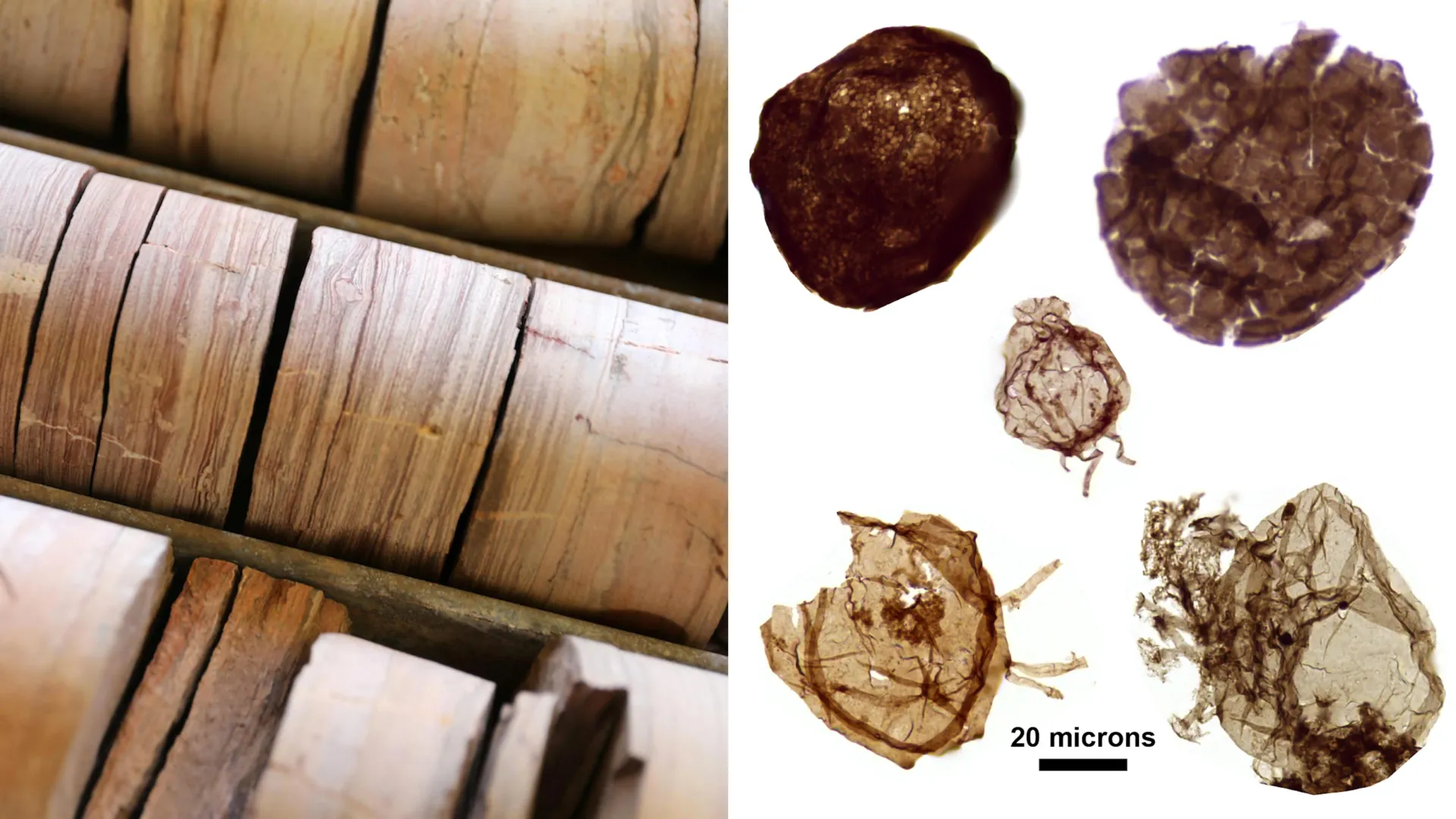
Under high-magnification microscopy, the team identified over 12,000 individual microfossils. These were not just random specks of carbon, but organized, complex cellular structures that clearly exhibited the morphological hallmarks of eukaryotes. Following the identification phase, the team performed geochemical analysis on the surrounding mudstone to reconstruct the environmental conditions of the ancient inland sea where these organisms thrived. This dual approach—biological identification paired with environmental reconstruction—allowed the scientists to draw a direct link between oxygen availability and the presence of complex life.
The Oxygen Conundrum: A Necessary Catalyst
For decades, the role of oxygen in the rise of eukaryotes was viewed as a simple cause-and-effect relationship. It was widely assumed that the rise of complex life was directly fueled by the presence of oxygen. However, recent discoveries of "anaerobic eukaryotes"—modern organisms capable of thriving in oxygen-deprived environments—had challenged this dogma, leading some scientists to suggest that oxygen might not have been a requirement for the first eukaryotes.
The new data from the Darwin cores refutes this skepticism for the Mesoproterozoic period. The researchers found that eukaryotic fossils were exclusively present in rock layers that showed clear chemical signatures of oxygenation. In contrast, layers deposited in oxygen-free environments contained only the simplest, most primitive prokaryotic forms. This observation provides robust empirical evidence that early eukaryotes were, in fact, obligate aerobic organisms. They required oxygen for the high-energy processes that supported their complex cellular machinery.
Implications and Professional Perspectives
The findings carry significant weight within the astrobiology and evolutionary biology communities. Dr. [Name of Lead Researcher, if applicable], the primary investigator, noted that the data suggests the "oxygenation of the oceans was a fundamental constraint on the evolution of complex life." If eukaryotes could only flourish in oxygenated pockets of the ancient sea, then the expansion of these oxygen-rich zones was likely the primary engine for the diversification of life during the mid-Proterozoic.
From a geological perspective, the Northern Territory Geological Survey’s collection has proven to be an invaluable, if underutilized, resource. By repurposing mineral exploration data for fundamental scientific inquiry, the study highlights the importance of preserving geological samples. "These cores represent a library of Earth’s history," notes a spokesperson from the survey. "We are only just beginning to read the volumes stored on our shelves."
Broader Impact on the Evolutionary Narrative
The implications of this study extend beyond the history of life on Earth; they inform our search for life elsewhere in the cosmos. By defining the environmental thresholds required for the transition from simple to complex life, scientists can better narrow the search parameters for life on exoplanets. If the eukaryotic revolution requires a specific, oxygen-rich geochemical environment, then the search for "complex" extraterrestrial life must focus on planets capable of sustaining such conditions.
Furthermore, this study bridges the gap between genetic theories and the physical fossil record. While genomic studies of modern "Asgard" archaea provide a "genetic map" of what our ancestors might have looked like, the fossil record provides the "ground truth."
As research continues, the focus will likely shift to even older cores, pushing the temporal boundaries further back to find the precise moment when the first two microbes merged to form the foundation of our existence. For now, the Darwin warehouse remains a primary site of discovery, proving that the most profound insights into our past are often hidden in plain sight, waiting to be unearthed by those who know how to look. The "eukaryotic revolution" was not merely a biological accident; it was a carefully orchestrated synergy of chemical, environmental, and evolutionary factors—a process that, in the silence of these stone cores, continues to tell the story of how we came to be.