

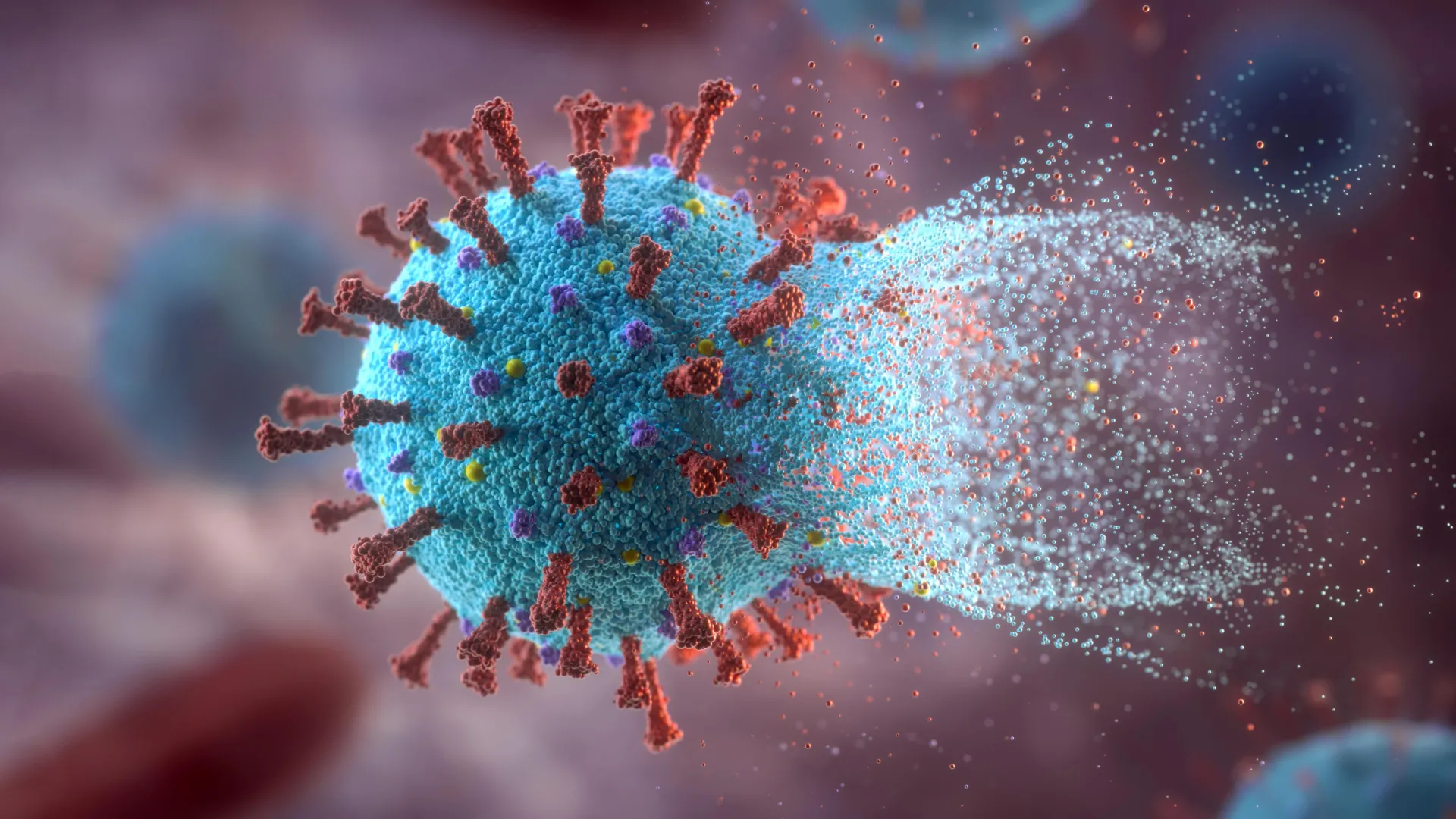
Researchers have identified a group of natural compounds from a Brazilian tree that show promising activity against the virus responsible for COVID-19. The compounds, known as galloylquinic acids, were extracted from the leaves of Copaifera lucens Dwyer, a species native to Brazil’s Atlantic Forest. Laboratory findings suggest these molecules can interfere with the virus in several different ways, offering a broader approach than many existing antiviral strategies.
Unlocking Nature’s Pharmacy: The Quest for Novel COVID-19 Therapeutics
The global scientific community has been engaged in an unprecedented race to develop effective treatments for the severe acute respiratory syndrome coronavirus 2 (SARS-CoV-2), the virus that causes COVID-19. While vaccines have provided a critical defense, the need for accessible and potent antiviral therapies remains paramount, particularly in light of emerging variants and the potential for long-term health impacts associated with the disease. In this context, the exploration of natural products has emerged as a vital avenue, leveraging millennia of traditional medicine and the vast biodiversity of ecosystems like the Amazon and Brazil’s Atlantic Forest.
The recent identification of galloylquinic acids from Copaifera lucens Dwyer represents a significant development in this ongoing endeavor. This discovery stems from a long-standing research program by a team led by Jairo Kenupp Bastos from the Ribeirão Preto School of Pharmaceutical Sciences at the University of São Paulo (FCFRP-USP). Their deep expertise in the chemistry and medicinal properties of plants within the Copaifera genus provided the foundational knowledge that guided the selection of Copaifera lucens for this crucial investigation. The Copaifera genus, often referred to as "copaiba" in Brazil, is renowned for its oleoresins, historically used for their anti-inflammatory and wound-healing properties. However, this research delves into the less-explored potential of its leaf extracts.
A Legacy of Medicinal Discovery: Galloylquinic Acids in Focus
Galloylquinic acids are a class of polyphenolic compounds that have garnered scientific attention for their diverse biological activities. Prior research has established links between these molecules and a range of beneficial effects, including antifungal and anticancer properties, observed in both in vitro and in vivo studies. Crucially, their potential as broad-spectrum antivirals has also been indicated in earlier investigations. For instance, related compounds within this chemical family have demonstrated robust inhibition of the Human Immunodeficiency Virus type 1 (HIV-1) in laboratory and cell-based experiments, often with a favorable toxicity profile compared to other tested agents. This prior evidence provided a strong rationale for exploring their efficacy against SARS-CoV-2.
Rigorous Scientific Process: From Isolation to Efficacy Testing
The research, supported by funding from the São Paulo Research Foundation (FAPESP), followed a systematic and rigorous scientific methodology. The initial phase involved the meticulous isolation and characterization of extracts from the leaves of Copaifera lucens Dwyer that were particularly rich in galloylquinic acids. This step is critical for ensuring the purity and identity of the active compounds being studied.
Following the isolation process, a paramount concern for any potential therapeutic agent is its safety. The researchers therefore conducted comprehensive cytotoxicity tests to evaluate whether these galloylquinic acid compounds were safe for human cells. This crucial step ensures that any observed antiviral activity is not overshadowed by harmful effects on host cells, a prerequisite for further development.
Once the safety profile was preliminarily established, the team proceeded to assess the antiviral efficacy of the galloylquinic acids against SARS-CoV-2. They employed plaque reduction assays, a well-established and reliable method for quantifying the ability of a substance to neutralize viral particles and prevent them from forming infectious plaques on cell cultures. The results from these assays were unequivocally positive, demonstrating clear and significant activity against SARS-CoV-2.
Unraveling the Molecular Mechanisms: A Multi-Targeted Attack
Beyond simply demonstrating efficacy, the researchers delved deeper to understand precisely how these galloylquinic acids exert their antiviral effects at the molecular level. This in-depth analysis is vital for optimizing their therapeutic potential and understanding their unique advantages. Their investigation focused on key components of the SARS-CoV-2 lifecycle:
- Spike Protein Receptor-Binding Domain (RBD): The spike protein, particularly its RBD, is the viral component that directly binds to the angiotensin-converting enzyme 2 (ACE2) receptor on human cells, facilitating viral entry. The study examined whether galloylquinic acids could interfere with this critical interaction, thereby blocking the initial step of infection.
- Papain-Like Protease (PLpro): This viral enzyme plays a crucial role in processing viral polyproteins and also possesses deubiquitinating activity, which helps the virus evade the host’s innate immune defenses. Understanding the interaction of galloylquinic acids with PLpro is key to assessing their ability to disarm the virus’s immune evasion strategies.
- RNA Polymerase: This enzyme is essential for viral replication, enabling the virus to copy its genetic material within infected cells. Inhibition of RNA polymerase is a common strategy for antiviral drugs, and its interaction with galloylquinic acids would indicate a direct impact on the virus’s ability to multiply.
- Viral Protein Production: The study also analyzed the impact of the compounds on the overall production of viral proteins, which are necessary for the assembly of new virions.
This comprehensive molecular investigation was spearheaded by Mohamed Abdelsalam, an assistant professor of pharmacognosy and natural product chemistry at the Faculty of Pharmacy at the Delta University of Science and Technology in Egypt, and affiliated with the School of Health Sciences at Pompeu Fabra University TecnoCampus in Barcelona, Spain. Abdelsalam led the biological study collaboratively with Professor Lamiaa A. Al-Madboly, Head of the Department of Microbiology at the Faculty of Pharmacy at Tanta University in Egypt, and Associate Professor Rasha M. El-Morsi from the Department of Microbiology at the Delta University of Science and Technology in Egypt. The research also benefited from the significant contributions of Egyptian researchers from Alexandria University, underscoring a strong international collaboration in tackling the pandemic.
"This integrated approach allowed us to understand how the compounds work and how they act at the molecular level," stated Dr. Abdelsalam, emphasizing the importance of a multi-faceted understanding of the compounds’ mechanisms of action.
A Multi-Pronged Assault: The Advantage of Multi-Target Activity
The findings, published in the peer-reviewed journal Scientific Reports, reveal that galloylquinic acids employ a sophisticated, multi-target strategy against SARS-CoV-2. Their activity spans multiple crucial stages of the viral life cycle. Specifically, they have been shown to:
- Inhibit Viral Entry: By potentially interfering with the spike protein’s interaction with host cell receptors, the compounds act as a barrier to the virus gaining access to cells.
- Disrupt Viral Replication: Their impact on key enzymes like RNA polymerase suggests they can significantly impede the virus’s ability to replicate its genetic material, thus halting its proliferation within the body.
- Reduce Viral Protein Synthesis: By limiting the production of essential viral proteins, the compounds hinder the assembly of new infectious particles.
Furthermore, the study indicates that galloylquinic acids possess inherent anti-inflammatory and immunomodulatory properties. This dual action is particularly significant, as it suggests these compounds could not only combat the virus directly but also help to regulate the body’s immune response. This is crucial, as an overactive or dysregulated immune response, often referred to as a "cytokine storm," is a major contributor to the severe pathology observed in many COVID-19 cases. By modulating the immune system, these compounds may help mitigate the damaging inflammatory cascade associated with severe illness.
Professor Jairo Kenupp Bastos highlighted the profound implications of this multi-target mechanism: "An important aspect revealed by this information is the multi-target mechanism of the compound, which reduces the likelihood of resistance developing. This is because many current antivirals act on only one viral protein, which promotes this effect." The emergence of drug resistance is a persistent challenge in antiviral therapy. By attacking the virus on multiple fronts, galloylquinic acids present a more robust defense that is less susceptible to viral mutation and adaptation.
The Road Ahead: From Lab Bench to Patient Care
While the laboratory findings are highly encouraging and represent a significant stride forward, the journey from promising preclinical data to an approved therapeutic is a complex and lengthy one. The researchers acknowledge that additional, extensive research is imperative before these compounds can be translated into a viable treatment for COVID-19.
The immediate next steps involve rigorous testing in preclinical models, specifically in living organisms. These studies will provide critical insights into the compounds’ pharmacokinetics (how the body absorbs, distributes, metabolizes, and excretes the drugs), pharmacodynamics (how the drugs affect the body), and their overall safety and efficacy in a more complex biological system.
Following successful preclinical trials, the ultimate validation will come from carefully designed and executed clinical trials in human volunteers. These trials will be conducted in multiple phases, starting with small groups to assess safety and dosage (Phase I), followed by larger groups to evaluate efficacy and identify side effects (Phase II), and culminating in large-scale studies to confirm effectiveness and monitor long-term outcomes across diverse patient populations (Phase III).
Biodiversity: A Treasure Trove for Future Medicine
This groundbreaking study serves as a powerful testament to the immense value of exploring natural sources for novel therapeutic agents. It underscores the critical importance of biodiversity conservation, particularly in ecologically rich regions like Brazil’s Atlantic Forest. This vibrant ecosystem, facing ongoing threats from deforestation and habitat fragmentation, harbors an untold wealth of plant life, each species potentially holding unique chemical compounds with significant medicinal potential.
The discovery of galloylquinic acids from Copaifera lucens Dwyer not only offers a potential new weapon against COVID-19 but also reinforces the strategic significance of preserving these natural resources. It highlights that indigenous flora represents a vast and largely untapped reservoir for discovering innovative solutions to current and future global health challenges. The continued investment in ethnobotanical research, coupled with advanced scientific analysis, is essential to unlock these natural treasures and translate them into life-saving medicines for humanity. The successful isolation and testing of these compounds from a Brazilian tree underscore the interconnectedness of environmental health and human well-being, urging a renewed commitment to conservation efforts worldwide.











Leave a Reply