Photosynthesis, the biological process by which plants convert solar energy, water, and atmospheric carbon dioxide into chemical energy, is the foundation of life on Earth. Yet, this fundamental process faces a significant physiological hurdle: water scarcity. When water is limited, the standard mechanism of gas exchange—opening stomata to capture carbon dioxide—leads to lethal water loss through transpiration. In response to these pressures, certain flora have evolved Crassulacean Acid Metabolism (CAM), an ingenious water-saving strategy that allows plants to perform photosynthesis under arid conditions. A groundbreaking study led by researchers at the University of Vienna, recently published in Nature Communications, has finally decoded how this complex mechanism evolved within the tropical genus Clusia, revealing a history of genomic innovation that spans millions of years.
A Scientific Enigma Spanning Two Centuries
The curiosity surrounding Clusia dates back to approximately 1800, when the pioneering naturalist Alexander von Humboldt observed a botanical anomaly while exploring tropical landscapes. During his investigations, Humboldt immersed a leaf from a Clusia specimen in water, expecting to observe the standard emission of oxygen bubbles—a hallmark of active daytime photosynthesis. Instead, the leaf remained inert. This observation provided the first historical hint that these trees were not behaving like standard plants, which perform carbon fixation during the day when sunlight is abundant.
It was not until much later that the physiological logic was fully understood: these trees operate on a "nocturnal" metabolic schedule. By keeping their stomata tightly closed during the heat of the day, they effectively eliminate evaporative water loss. Instead, they intake carbon dioxide at night, chemically sequestering it as malic acid. During the following day, this stored acid is converted back into carbon dioxide to fuel the photosynthetic machinery using solar energy. While the biochemistry of CAM has been well-documented in succulents like cacti and pineapples, the evolutionary trajectory within Clusia—the only known genus of trees to possess such a wide spectrum of photosynthetic strategies—had remained an elusive puzzle for evolutionary biologists.
The Genomic Architecture of Adaptation
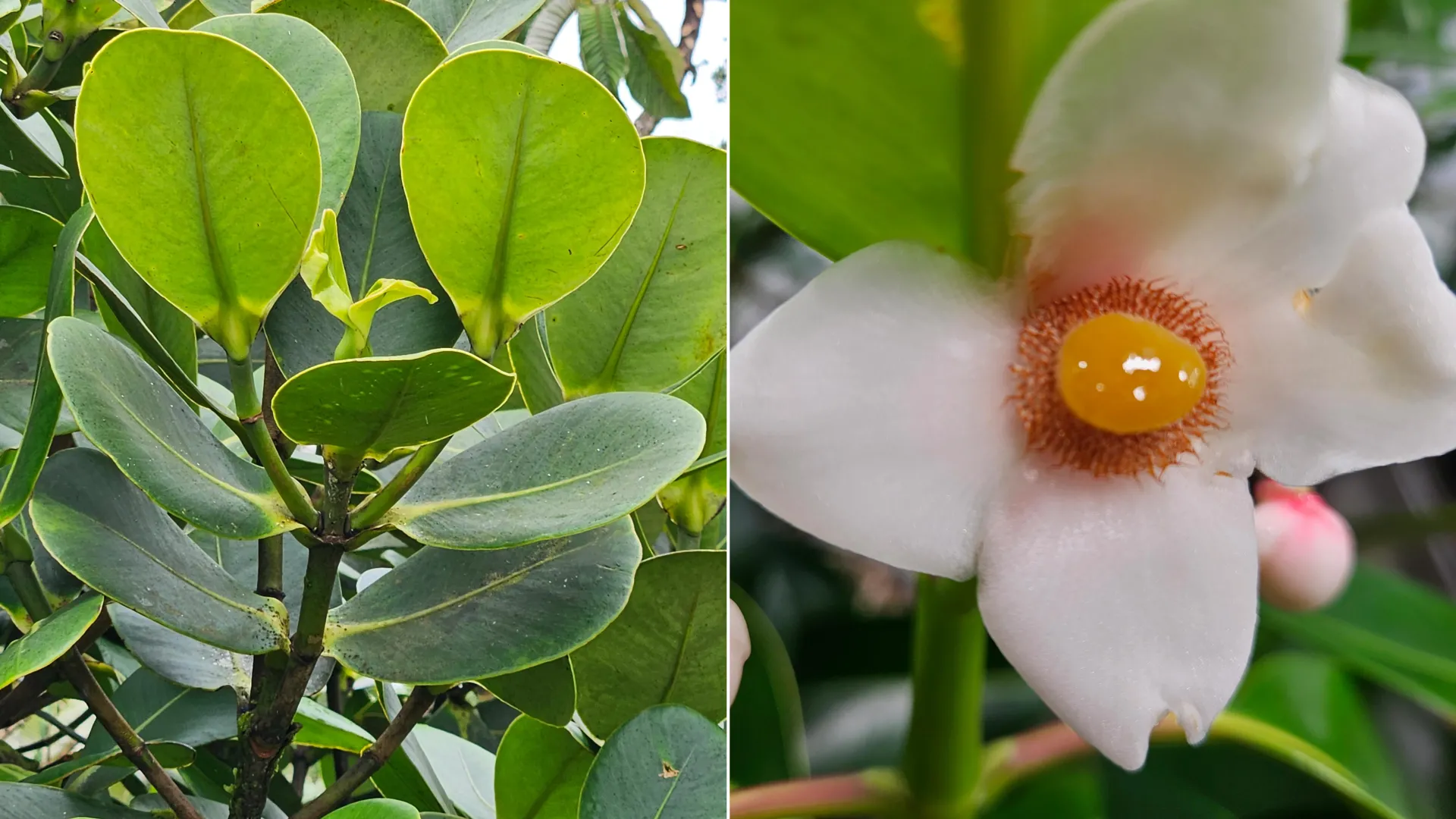
To unravel this mystery, a team of researchers from the University of Vienna’s Division of Molecular Systems Biology, led by Wolfram Weckwerth, conducted a comprehensive comparative analysis of three Clusia species: Clusia rosea, Clusia minor, and Clusia major. The study’s significance lies in the extreme phenotypic diversity within this single genus. Clusia plants exhibit everything from conventional C3 photosynthesis—where carbon dioxide is fixed directly during the day—to highly specialized, strong CAM photosynthesis.
By sequencing and comparing the genomes of these three species, the researchers identified a common, ancient evolutionary event: polyploidization. At some stage in their deep ancestral history, these trees underwent genome duplication, an event where the entire set of genetic material is copied. While such events are often considered evolutionary "noise," the study found that in Clusia, this duplication served as a catalyst for innovation.
Following this duplication, the trees underwent a long-term process of "diploidization," where the massive, redundant genomes were systematically reorganized, reduced, and rewired. According to lead author Hannes Kramml, this process is far more active than simple repetition. "In the process, gene copies are lost, deactivated, or take on new functions," Kramml noted. This genetic plasticity allowed the plants to repurpose genes originally intended for other functions, effectively "upgrading" their metabolic pathways to support the nocturnal sequestration of carbon dioxide.
Functional Plasticity and Physiological Diversity
The research team moved beyond static genetic data by analyzing the plants under controlled, near-natural greenhouse conditions. By modulating water availability, they were able to observe how these genomic shifts translated into real-world performance. The results demonstrated that the evolutionary reorganization was not a monolithic event but a highly flexible one.
The findings highlight three distinct strategies within the genus:
- Strong CAM (Clusia rosea): This species functions as a committed specialist, storing substantial quantities of carbon dioxide as malic acid every night, ensuring survival in consistently dry environments.
- Inducible CAM (Clusia minor): This species exhibits phenotypic plasticity, switching its metabolic strategy only when triggered by environmental stress, such as drought.
- Hybrid Strategy (Clusia major): This species maintains a balance, utilizing both conventional C3 photosynthesis and CAM, allowing it to take advantage of favorable conditions while maintaining a defensive fallback for arid periods.
Johannes Herpell, the second lead author, emphasizes that the genes responsible for the nocturnal storage of carbon dioxide were specifically targeted by this evolutionary rewiring. This suggests that the genus did not evolve a single "on-off" switch for CAM. Rather, the repeated rounds of genomic reorganization generated multiple, nuanced versions of the strategy, enabling different species within the Clusia genus to occupy highly specific ecological niches.
Implications for Global Food Security
The broader impact of this research extends far beyond the study of tropical trees. As global climate patterns shift and arid zones expand, the ability of plants to survive with limited water has become a focal point for agricultural research. Conventional crops, such as wheat and rice, rely on water-intensive C3 or C4 photosynthesis. Their vulnerability to drought is a leading cause of yield loss worldwide.
By identifying the specific metabolic processes and genomic structures that underpin water-efficient carbon fixation, the University of Vienna study provides a roadmap for the future of crop engineering. If scientists can replicate or induce similar levels of photosynthetic plasticity in food crops, it could revolutionize agricultural output in water-scarce regions.
The data provided by the Clusia study offers a concrete template for what "resilient metabolism" looks like at the molecular level. Researchers can now focus on the specific protein complexes and gene regulatory networks that allow these trees to toggle between metabolic modes. While the transition from tropical tree genomics to commercial agricultural application remains a complex challenge, the fundamental discovery—that ancient genome duplication and subsequent reorganization are the primary drivers of photosynthetic versatility—provides a clear target for future breeding and genetic editing programs.
Conclusion: A New Understanding of Plant Evolution
The work of Wolfram Weckwerth and his colleagues represents a milestone in plant biology. By integrating molecular systems biology with ecological physiology, the study has moved the conversation regarding CAM photosynthesis from a simple description of chemical pathways to a sophisticated understanding of evolutionary history.
The Clusia trees serve as a living laboratory, demonstrating that the secret to survival in a changing climate is not necessarily the possession of a single, perfect gene, but rather the genomic plasticity to reorganize existing structures to meet new environmental demands. As the global scientific community continues to grapple with the challenges of food security and climate change, the legacy of Humboldt’s 1800 discovery has finally been brought into the modern era, offering hope that the wisdom hidden within the leaves of tropical trees may soon protect the harvests of the future.