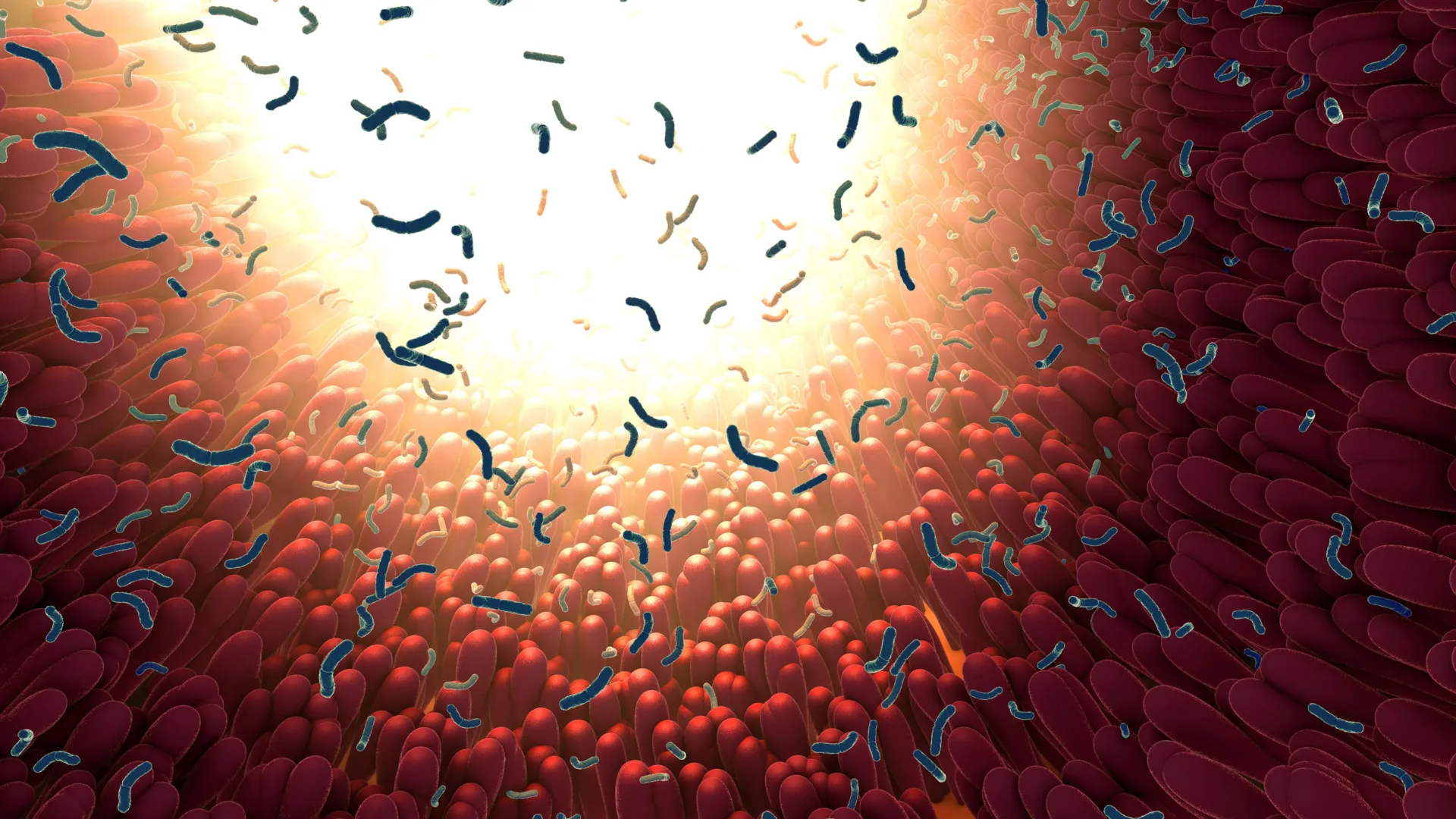
The human gut is a complex ecosystem, a bustling metropolis of trillions of microorganisms that orchestrate everything from digestion and metabolism to the regulation of the human immune system. For decades, scientific classification of these microbial residents has relied primarily on broad species-level categorization. However, a landmark study led by researchers at the University of Vienna, recently published in the journal Nature, has fundamentally challenged this paradigm. By employing a sophisticated analytical framework known as "reverse ecology," the research team has demonstrated that gut bacterial species are not monolithic entities, but rather mosaics of distinct, evolutionarily adapted populations. This discovery suggests that the functional diversity of the microbiome has been significantly underestimated, with profound implications for our understanding of chronic diseases, ranging from inflammatory bowel disease to colorectal cancer and type 2 diabetes.
The Limitation of Current Microbiome Taxonomy
Historically, the scientific community has leaned heavily on 16S ribosomal RNA sequencing and metagenomic shotgun sequencing to identify bacterial species. While these methods have provided a foundational map of the gut landscape, they often treat a species as a singular, uniform unit. This "one-size-fits-all" approach has long been a point of frustration for researchers attempting to correlate specific microbes with health outcomes.
Often, a specific bacterium might appear in both healthy individuals and those suffering from severe chronic illnesses. Without the ability to differentiate between sub-populations, researchers have frequently been left with ambiguous data—unable to determine whether a microbe is a benign passenger, a protective symbiotic partner, or a pathogen in disguise. The University of Vienna study addresses this by peering beneath the surface of species-level taxonomy to examine the micro-evolutionary signatures that define how specific populations thrive within the human host.
Chronology of the Research Effort
The path to this discovery involved an exhaustive synthesis of data spanning several years. The project, led by Xiaoqian Annie Yu and Martin F. Polz of the Centre for Microbiology and Environmental Systems Science (CeMESS), began by aggregating thousands of bacterial isolates collected from human gut samples. To this, the team integrated massive metagenomic datasets sourced from diverse populations across multiple continents, including cohorts representing varying age groups and health statuses.
The methodology relied on "reverse ecology," an innovative bioinformatics approach that reverses the traditional ecological workflow. Instead of observing an environment to determine which species live there, the researchers analyzed the genetic blueprints of the bacteria to infer the selective pressures of their environment. By identifying specific genetic signatures, the team was able to map how these bacterial populations had successfully colonized and adapted to unique ecological niches within the human intestinal tract.
Unmasking Evolutionary Lineages through Selective Sweeps
A central pillar of the study’s findings is the identification of "genome-wide selective sweeps." In evolutionary biology, a selective sweep occurs when a beneficial mutation arises within a population, providing a distinct fitness advantage that allows it to rapidly outcompete its neighbors. As this strain proliferates, it effectively dominates the local population, purging older genetic variations and creating a highly distinct lineage.
These lineages are not merely minor genetic variations; they represent functional differences that dictate how a bacterium interacts with its host. By tracing these sweeps, the researchers revealed that many well-known gut species are actually composed of several evolutionarily distinct lineages, each uniquely suited to different chemical or metabolic conditions within the gut.
"If you don’t just count species but take evolutionary adaptation into account, you can identify the biologically relevant units in the microbiome much more accurately," explains Xiaoqian Annie Yu. "Even within the same bacterial species, some populations occur more frequently than others in certain diseases. When all are considered together, this often remains hidden."
Global Dynamics and Rapid Microbial Evolution
Perhaps one of the most surprising outcomes of the study is the evidence of rapid, large-scale migration of these bacterial populations. The data suggests that certain competitive strains are capable of spreading across continents in a matter of decades. This phenomenon, which mirrors the spread of pathogenic organisms, implies that the human microbiome is significantly more dynamic than previously understood.
While diet and lifestyle have long been recognized as the primary drivers of gut health, this study indicates that transmission between human populations is a critical factor in shaping the microbial community. This suggests that the "microbial geography" of an individual is influenced not only by their internal biological environment but also by the global circulation of microbial strains, raising questions about how increased human mobility and globalization impact the long-term stability and health of the human microbiome.
Implications for Precision Medicine
The shift from species-level analysis to lineage-specific understanding represents a paradigm shift for the future of medicine. Currently, most microbiome-based therapies, such as probiotics or fecal microbiota transplants (FMT), are generalized. The findings from the University of Vienna suggest that the lack of clinical consistency in these treatments may be due to the failure to account for the specific, active sub-populations within the donor or patient microbiome.
By identifying the precise genetic signatures that correlate with disease, scientists may soon be able to develop "precision microbiome" diagnostics. These would allow clinicians to identify whether a patient possesses a protective or a harmful lineage of a common bacterium. In the long term, this could lead to highly targeted interventions—therapies designed to selectively suppress pathogenic populations while promoting the growth of beneficial, well-adapted lineages.
Expert Analysis and Future Directions
The implications of this study are being met with significant interest by the broader scientific community. Experts note that while the research provides a powerful new tool, the next phase of work will be even more critical: determining the exact biological functions of the genetic variations identified.
"Our findings show that gut bacteria are also more dynamic than previously thought. Well-adapted strains can spread internationally and occupy new ecological niches," notes study leader Martin F. Polz. The team is now transitioning to a functional genomics phase, aiming to isolate the genes that separate these bacterial populations and determine how these differences manifest in the human body.
If successful, this research could pave the way for a new generation of pharmacological and nutritional therapies. By moving beyond the broad-brush approach of species identification, medical researchers are gaining the resolution necessary to manage the microbiome with the same precision applied to other complex biological systems. As the data continues to reveal the intricate evolutionary history of the organisms living within us, it becomes increasingly clear that the future of personalized medicine will be written in the genetic code of our microbial partners. The University of Vienna’s work serves as a cornerstone for this next chapter, offering a roadmap to a more nuanced, accurate, and effective approach to human health.