For centuries, the mulberry tree has occupied a place of prominence in traditional medicine systems across Asia and the Mediterranean, valued for its purported ability to treat ailments ranging from inflammation to digestive distress. Now, a new wave of scientific inquiry is moving beyond historical anecdote, focusing on the sophisticated biochemical interplay between mulberry-derived compounds and the trillions of bacteria inhabiting the human gut. A comprehensive review led by researchers at Wroclaw Medical University suggests that the therapeutic efficacy of this plant is not a one-size-fits-all proposition; rather, it is a highly nuanced equation dictated by species selection, the specific plant anatomy utilized, and the rigorous processing methods applied to the raw material.
The Gut-Metabolic Axis and Bioactive Potential
The human gut microbiome acts as a dynamic endocrine organ, influencing systemic metabolism, immune responses, and even neurological function. Professor Anna Prescha of the Department of Dietetics and Bromatology at Wroclaw Medical University notes that mulberry stands out as a prime candidate for microbiome modulation due to its dense concentration of bioactive polyphenols and complex polysaccharides. These compounds, which often bypass digestion in the upper gastrointestinal tract, serve as substrates for microbial fermentation in the colon.
When gut bacteria metabolize these plant-derived substances, they generate short-chain fatty acids (SCFAs)—specifically acetate, propionate, and butyrate. These metabolites are critical for maintaining the integrity of the intestinal barrier and regulating systemic glucose and lipid metabolism. The central hypothesis driving current research is that by selectively altering the composition of the gut microbiota, specific mulberry preparations could potentially mitigate the symptoms of metabolic syndrome, a cluster of conditions that includes hypertension, high blood sugar, and excess body fat.
A Chronology of Discovery: From Student Inquiry to Academic Review
The genesis of this interdisciplinary investigation can be traced back to the Nutri-Sfera Student Research Group at Wroclaw Medical University. What began as a student-led project by Marta Miszczak, a Dietetics student, and Karolina Kłosowska-Buryło, a Pharmacy student, evolved into a systematic review that bridged the gap between nutritional science and pharmacology.
The timeline of this research reflects a broader trend in modern nutritional science, which has shifted from studying single nutrients to evaluating the holistic impact of botanical matrices. In the initial phase, the students and their faculty advisors cataloged the disparate effects of Morus alba (white mulberry) and Morus nigra (black mulberry). As the project progressed through the academic cycle, the team identified a critical missing link: the lack of standardization in how mulberry is prepared for consumption. By comparing the efficacy of dried, fermented, and extracted plant components, the team established that the "matrix effect"—the way a plant’s components interact within its structure—is just as vital as the chemical identity of the compounds themselves.
The Nuances of Species and Composition
The botanical classification of mulberry is not merely a label; it dictates the pharmacological profile of the end product. Current literature highlights two primary contenders in this field:
- White Mulberry (Morus alba): Predominantly recognized for its leaf composition, which includes 1-deoxynojirimycin (DNJ). DNJ is a well-documented iminosugar that functions as an alpha-glucosidase inhibitor, effectively slowing the breakdown of carbohydrates and preventing sharp postprandial glucose spikes.
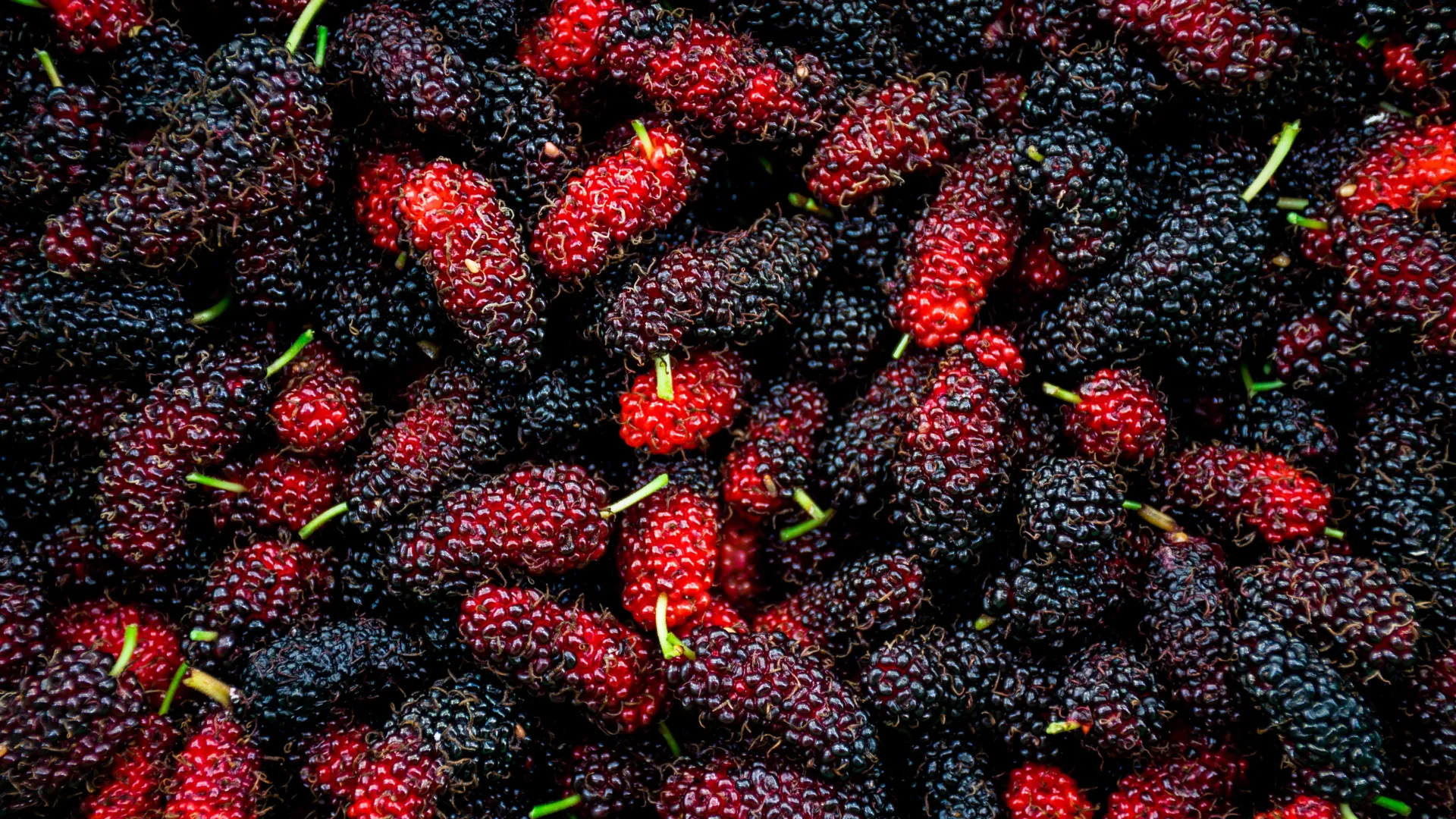
- Black Mulberry (Morus nigra): Primarily studied for its fruit, which offers a different therapeutic profile. Its deep pigmentation is a hallmark of high anthocyanin content—potent antioxidants that have been linked to improved insulin sensitivity and reduced oxidative stress.
The research emphasizes that processing is a primary variable in therapeutic success. For instance, the use of pectate lyase during the extraction of polysaccharides from black mulberry fruit has been shown to produce structural fractions that are significantly more accessible to beneficial gut bacteria than those produced by standard water extraction. This discovery underscores the importance of "targeted bio-availability," where the extraction method is tailored to ensure that the most metabolically active components reach the gut microbiome intact.
Synergistic Effects: The Sum Is Greater Than the Parts
One of the most compelling findings from the Wroclaw study involves the interaction between different classes of compounds. In mouse models, researchers observed that the administration of isolated fractions—either polyphenols alone or polysaccharides alone—produced moderate metabolic improvements. However, when these compounds were administered in a combined fraction derived from white mulberry, the results were synergistic.
The study observed a significant increase in the proliferation of beneficial bacterial strains and a corresponding improvement in markers related to metabolic syndrome. The researchers validated these findings through a fecal microbiota transplantation (FMT) experiment. By transferring the gut bacteria from the "treated" mice to healthy recipients, the metabolic improvements were mirrored in the new hosts. This suggests that the mulberry preparation was not just acting on the host directly, but was fundamentally re-engineering the microbial ecosystem to be more protective against metabolic dysfunction.
Implications for Clinical Research and Standardization
Despite the optimism generated by these preclinical models, the scientific community maintains a cautious stance regarding immediate human application. The primary hurdle remains the absence of human clinical trials that directly measure the impact of mulberry on the human gut microbiome.
"We are currently in a transition phase," notes Professor Prescha. "The data from animal models are robust and provide a clear mechanism of action, but translating these findings to human physiology requires rigorous, double-blind, placebo-controlled trials using standardized preparations."
The lack of standardization is currently the largest bottleneck in the field. Because many commercial mulberry supplements are produced using different methods, their chemical compositions vary wildly. For future clinical trials to be successful, researchers argue that the industry must adopt a standardized "fingerprint" for mulberry extracts. This would include a verified concentration of DNJ, specific ratios of polysaccharides, and consistent profiles of phenolic compounds. Only by controlling these variables can researchers determine the optimal dosage and the specific species combinations that offer the most significant health benefits.
The Path Forward: Challenges and Opportunities
The implications for the functional food and supplement industry are substantial. If specific mulberry extracts can be verified as "prebiotic" in nature—meaning they selectively stimulate the growth of beneficial gut bacteria—they could represent a natural, non-pharmacological approach to managing metabolic health.
However, there are several challenges that must be addressed:
- Inter-individual Variability: Human gut microbiomes are highly unique. A preparation that works for one person may have a diminished effect on another due to the existing microbial baseline.
- Bioavailability: Ensuring that bioactive compounds reach the lower gastrointestinal tract without being prematurely broken down by stomach acid or enzymes in the small intestine remains a technical challenge.
- Regulatory Hurdles: As these products move toward the clinical space, they must meet strict regulatory standards regarding purity, contamination, and shelf-stability.
The transition from traditional use to evidence-based medicine requires more than just identifying that a plant "works"; it requires understanding the how and the for whom. The work conducted at Wroclaw Medical University serves as a blueprint for this transition. By combining the pharmaceutical rigor of chemical analysis with the nutritional perspective of dietetics, the researchers have identified a path forward that moves mulberry from the realm of traditional folklore into the domain of precision nutrition.
Conclusion
The investigation into mulberry and gut microbiota is emblematic of a broader, more sophisticated era in nutritional science. We are no longer simply looking at what we eat; we are looking at how what we eat shapes the microscopic internal environments that dictate our long-term health. While the prospect of using mulberry preparations to combat metabolic syndrome is enticing, the journey from mouse models to the pharmacy shelf is complex.
As the research matures, the focus will likely remain on refining the processing techniques and conducting the necessary human trials to validate these early, promising signals. If the findings continue to hold up under the scrutiny of clinical settings, mulberry could well become a cornerstone of future dietary interventions, offering a plant-based solution to some of the most pressing metabolic challenges of the modern age. For now, the takeaway for both the scientific community and the public is clear: the health benefits of the mulberry are not found in the plant alone, but in the complex, collaborative chemistry created when science meets the intricate biology of the human gut.