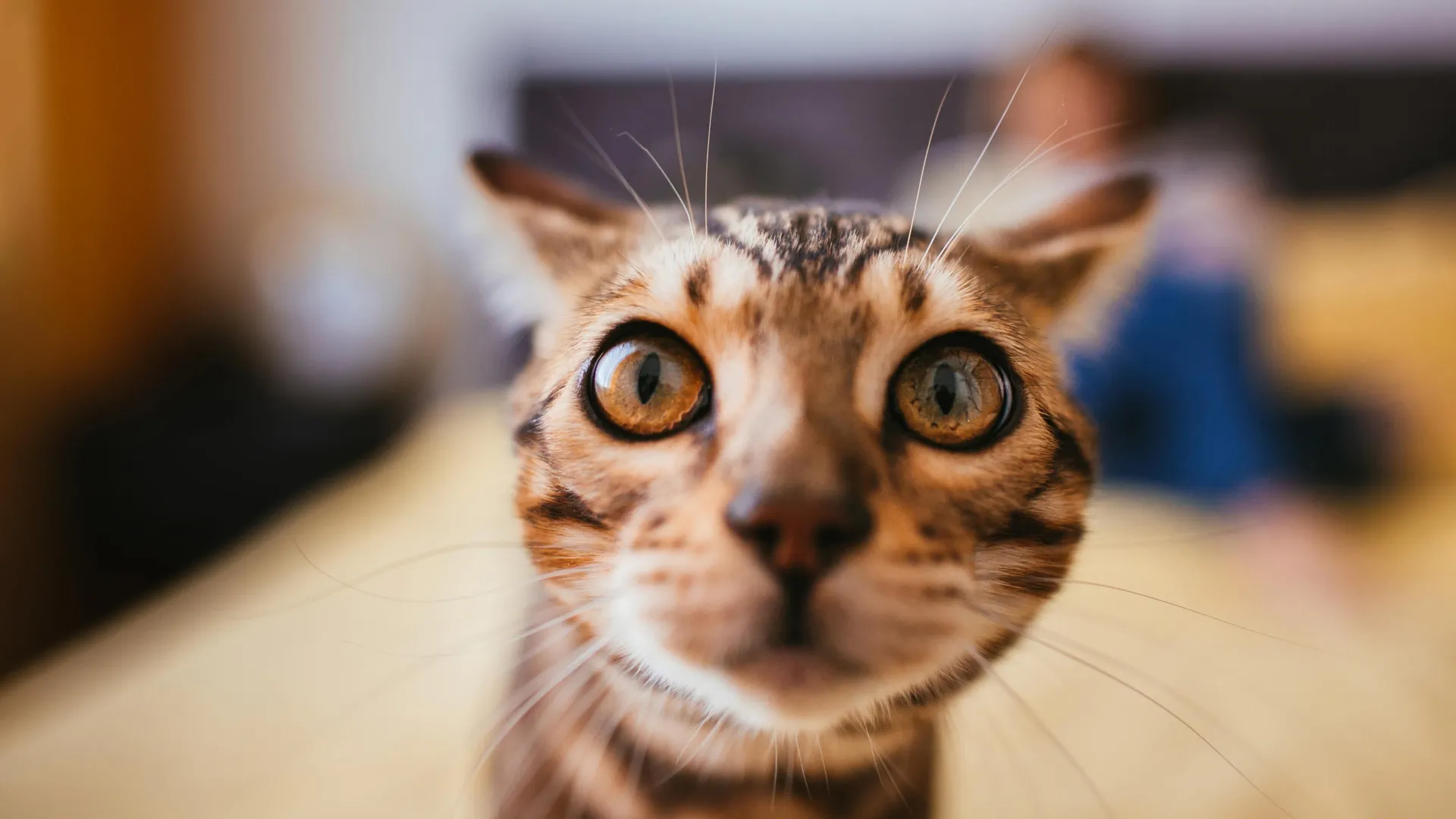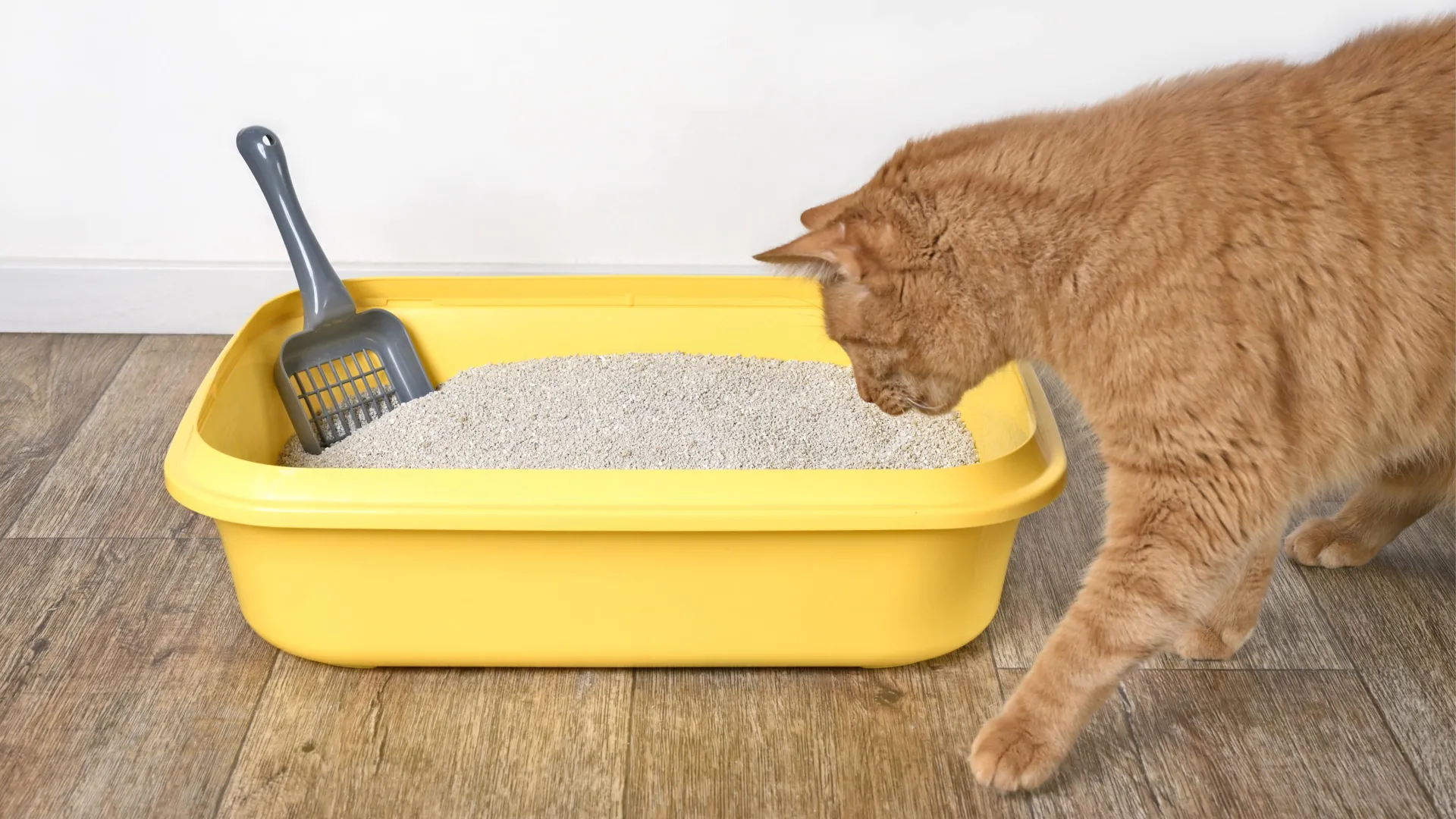
Domestic cats navigate their world through a sophisticated olfactory landscape, relying on scent marks to establish territory, signal reproductive status, and communicate individual identity. For decades, the biological mechanism behind this "scent signature" remained elusive, primarily because the chemical composition of urine is inherently unstable. As molecules evaporate and degrade, the scent profile of a territorial marker shifts, creating a biological paradox: how does an animal reliably identify a peer when the signal is constantly decaying? A collaborative study led by researchers at Iwate University, in partnership with scientists from Germany and Spain, has finally identified the missing link in this chemical communication puzzle.
The findings, recently published in the journal Current Biology, reveal that domestic cats produce a unique blend of 13 branched-chain fatty acids (BFAs). These compounds serve as a stable, individual-specific "calling card" that resists the rapid degradation typical of other urinary volatiles. This discovery not only provides a breakthrough in understanding animal communication but also sheds light on a biological enigma that has puzzled veterinary pathologists for over a century.
The Chronology of Discovery: From Behavioral Observation to Molecular Analysis
The research team began their investigation by establishing a baseline for feline cognitive behavior regarding scent. Before attempting to isolate specific molecules, the researchers needed to confirm that cats could differentiate between individual urine donors through scent alone. Using controlled observation, the team tracked the "flehmen response"—a characteristic behavior where a cat curls its upper lip to expose the vomeronasal organ, facilitating the sensing of pheromones and other chemical signals.
The study observed that cats consistently spent less time investigating a familiar urine sample that was presented repeatedly. When a new sample from a different donor was introduced, the subjects showed renewed interest, marked by an increase in sniffing duration and frequency of the flehmen response. Most significantly, this behavior persisted even when the exposure was separated by gaps of several months. This indicated that cats possess a robust, long-term memory for specific urine scents, acting as a cognitive map of their social environment.
Following this confirmation, the researchers employed a bioassay-guided approach to identify the source of these signals. By isolating different chemical fractions of feline urine, they tested which components triggered the cats’ behavioral responses. This narrowed the search to a specific lipid fraction containing the aforementioned 13 branched-chain fatty acids, a class of compounds not previously documented as major components of mammalian excretions.
The Role of Branched-Chain Fatty Acids
The chemical analysis revealed that while all domestic cats possess these 13 BFAs, the specific ratio and relative abundance of these compounds are unique to each individual. This "BFA profile" functions similarly to a chemical fingerprint. Experiments confirmed that when the BFA fraction was swapped while keeping other urinary components constant, the cats reacted to the change, proving that they are specifically detecting these fatty acids to identify the donor.
Unlike many volatile organic compounds that evaporate within minutes of excretion, BFAs are semi-volatile. In laboratory tests conducted at 25°C, these profiles remained stable for at least 24 hours. This durability is crucial; it allows a cat to leave a message in its environment that remains legible to other members of the species long after the depositor has left the area.
Furthermore, the study noted a genetic component to these profiles. Researchers observed that closely related cats exhibited more similar BFA patterns than unrelated individuals, suggesting that the chemical signature may have a hereditary basis. However, even among related animals, individual variations remained distinct, ensuring that no two cats share an identical signature.
Solving a Century-Old Kidney Mystery
One of the most unexpected outcomes of this research concerns the physiological source of these fatty acids. During the examination of feline tissues, the researchers detected the presence of these BFAs exclusively in the kidneys. Specifically, they were found within neutral lipid droplets stored in the renal cortex.
For over 100 years, veterinary anatomists have noted the presence of these abundant lipid droplets in cat kidneys, but their function had remained entirely unknown. The discovery that these droplets house the precursor lipids for the BFA signature suggests a sophisticated physiological storage system. It appears that the cat kidney acts as a reservoir, buffering the animal’s chemical signature against fluctuations in diet or systemic health. By releasing these stored lipids into the urine at a controlled rate, the body ensures that the individual’s "calling card" remains consistent, regardless of short-term physiological changes.
Evolutionary Context and the Felidae Family
To understand the broader evolutionary implications, the team expanded their research to include other members of the Felidae family. Urine and kidney samples were analyzed from lions, tigers, leopards, jaguars, lynxes, and the Iriomote cat. The presence of BFA-related compounds was confirmed across these species, indicating that this method of communication is a deeply conserved trait within the feline lineage.
However, the specific composition of these compounds varied significantly between species, suggesting that as these animals diverged evolutionarily, their chemical communication systems specialized to meet different ecological requirements. Even within the leopard cat species, geographically isolated populations—such as those on Iriomote Island versus those on Tsushima Island—displayed distinct chemical variations, highlighting the potential for scent to evolve in response to environmental isolation.
Implications for Conservation and Beyond
While the study is currently classified as basic research, the implications for applied science are significant. In the field of wildlife conservation, the ability to identify individual animals via non-invasive means is the "holy grail" of monitoring. If BFA profiles can be reliably mapped, researchers could identify rare or endangered felids by analyzing environmental urine samples, potentially eliminating the need for invasive trapping or direct observation.
In the domestic sphere, the research offers a new avenue for veterinary science to manage feline health. Understanding why cats accumulate lipid droplets in their kidneys—and how that process might deviate in cases of kidney disease—could lead to new diagnostics. Additionally, the study provides a foundational understanding of the chemistry behind urine odor, which may assist in the development of more effective odor-control products for pet owners.
Analytical Perspective: A Shift in Understanding Animal Signaling
The findings present a compelling contrast to the mechanisms identified in other mammals. In rodents, for instance, individual identity is often preserved through major urinary proteins. The discovery that cats rely on a specialized, lipid-based system suggests a broader diversity in mammalian communication strategies than previously assumed.
The stability of the BFA system addresses the "evaporation problem" that has long plagued researchers studying olfactory communication. By utilizing semi-volatile compounds that are buffered by a dedicated renal storage system, cats have evolved a mechanism that is both reliable and persistent. This system demonstrates a high level of biological integration, linking renal physiology directly to social behavior.
As the scientific community continues to digest these findings, the next phase of research will likely focus on the precise biological pathways that regulate the release of these lipids from the kidneys. The work by Professor Masao Miyazaki and his team provides a definitive roadmap for future studies, proving that the secret to the cat’s complex social world has been hiding in their kidneys—and their urine—all along. The study stands as a reminder that even the most mundane physiological traits, when examined with modern analytical tools, can reveal profound insights into the evolutionary history and survival strategies of the animal kingdom.