As life expectancies climb globally, public health systems face an unprecedented demographic shift. Populations are aging rapidly, and with this longevity comes a rising tide of age-associated chronic conditions that threaten independence, mobility, and overall quality of life. Among the most debilitating yet historically overlooked of these conditions is sarcopenia—a progressive syndrome defined by the gradual loss of skeletal muscle mass, strength, and function. Affecting millions of older adults worldwide, sarcopenia transforms routine physical tasks into formidable barriers, heightening the risk of debilitating falls, bone fractures, and long-term institutionalized care.
Parallel to this age-driven crisis is cachexia, a severe wasting syndrome accompanying chronic illnesses such as advanced cancer, chronic obstructive pulmonary disease, and heart failure. While sarcopenia and cachexia share the devastating clinical outcome of muscle degeneration, their underlying biological triggers diverge significantly. Until recently, medical science lacked a unifying cellular target capable of addressing how muscle stem cells fail across these distinct pathologies.
Now, a pioneering study conducted by researchers at Singapore’s Duke-NUS Medical School has unveiled a critical molecular mechanism that could fundamentally alter the therapeutic landscape. Published in the esteemed scientific journal Autophagy, the research centers on a specific regulatory protein known as DEAF1 (Deformed epidermal autoregulatory factor-1). According to the findings, maintaining precise, optimal levels of DEAF1 is non-negotiable for sustaining the repair and regeneration of skeletal muscle tissue—a physiological process that falters inexorably as humans age or encounter severe systemic illnesses. This breakthrough provides a promising blueprint for developing targeted pharmacological treatments designed to halt or even reverse muscle degeneration in both sarcopenia and cachexia.
The Central Role of Muscle Stem Cells and Autophagy
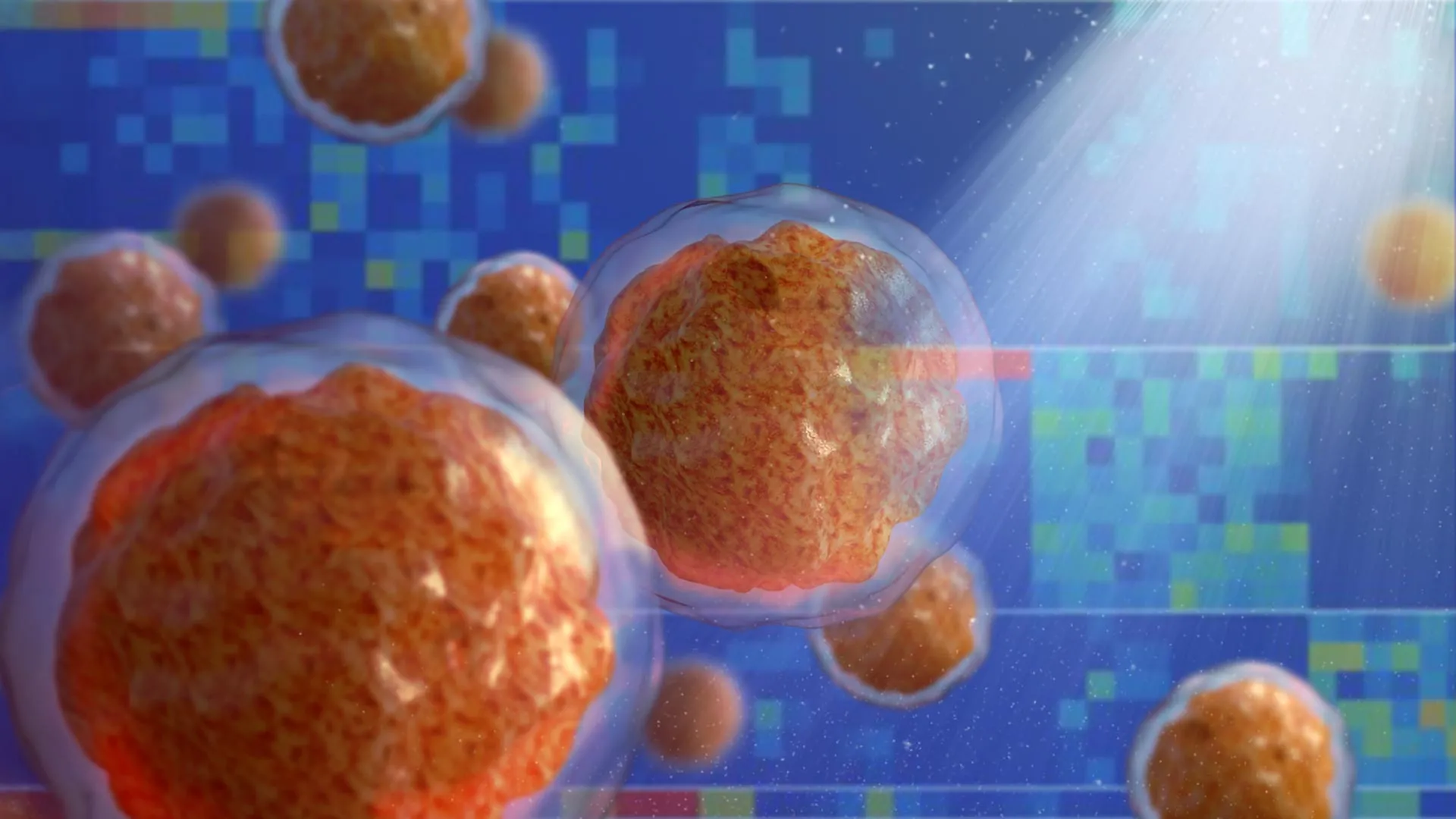
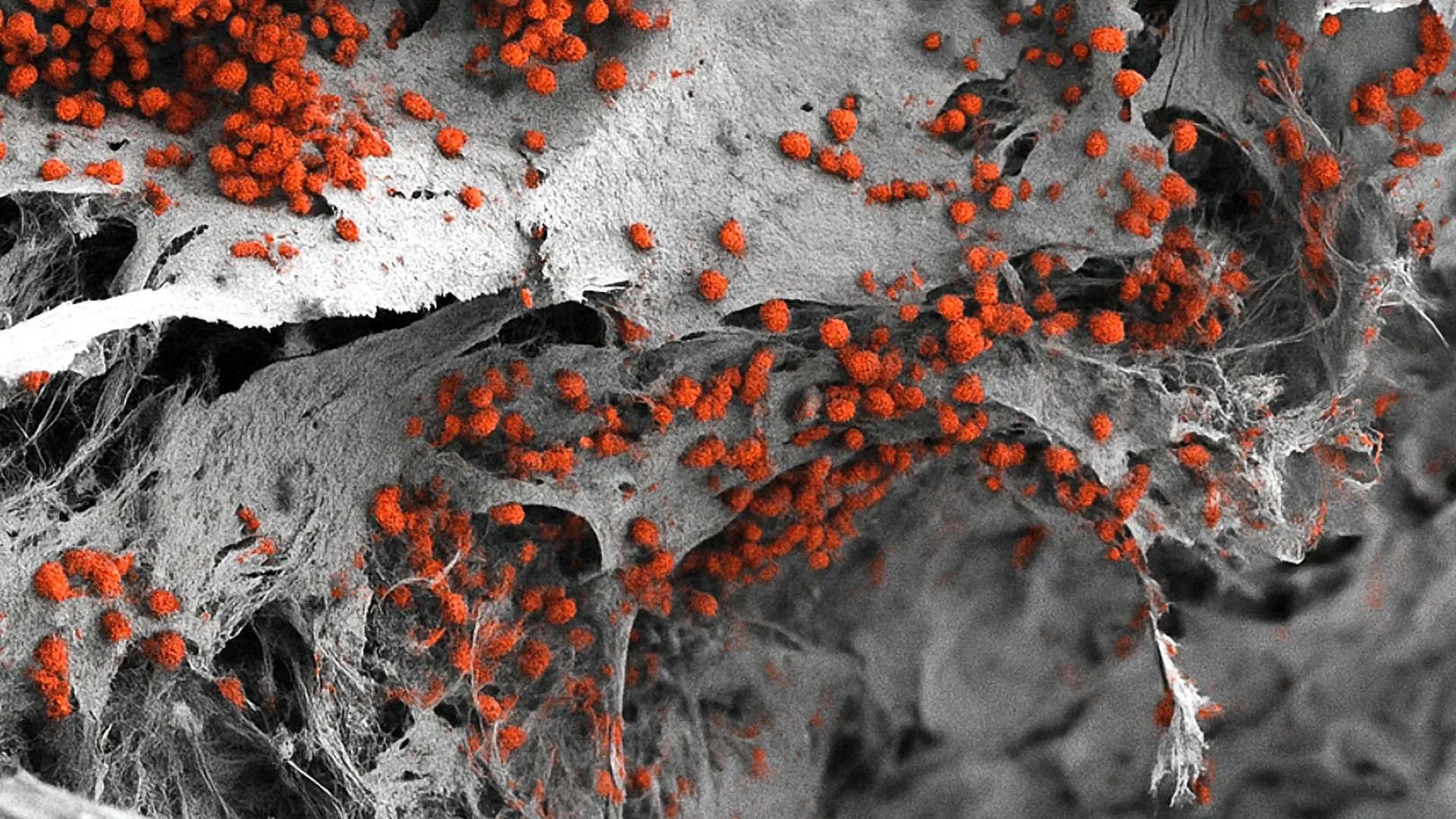
To understand the magnitude of the Duke-NUS discovery, one must examine the microscopic architecture responsible for maintaining human strength. Skeletal muscle is a remarkably plastic tissue equipped with its own internal reserve of specialized progenitors known as muscle stem cells, or satellite cells. These resilient cells remain quiescent under normal conditions but spring into action following physical injury, mechanical stress, or regular wear-and-tear. Upon activation, they proliferate, differentiate, and fuse with existing muscle fibers to repair damage and restore lost tissue mass.
However, as individuals age, the regenerative capacity of these muscle stem cells plummets. They enter a state of functional senescence, failing to respond adequately to micro-injuries. This cellular exhaustion is the primary engine behind sarcopenia.
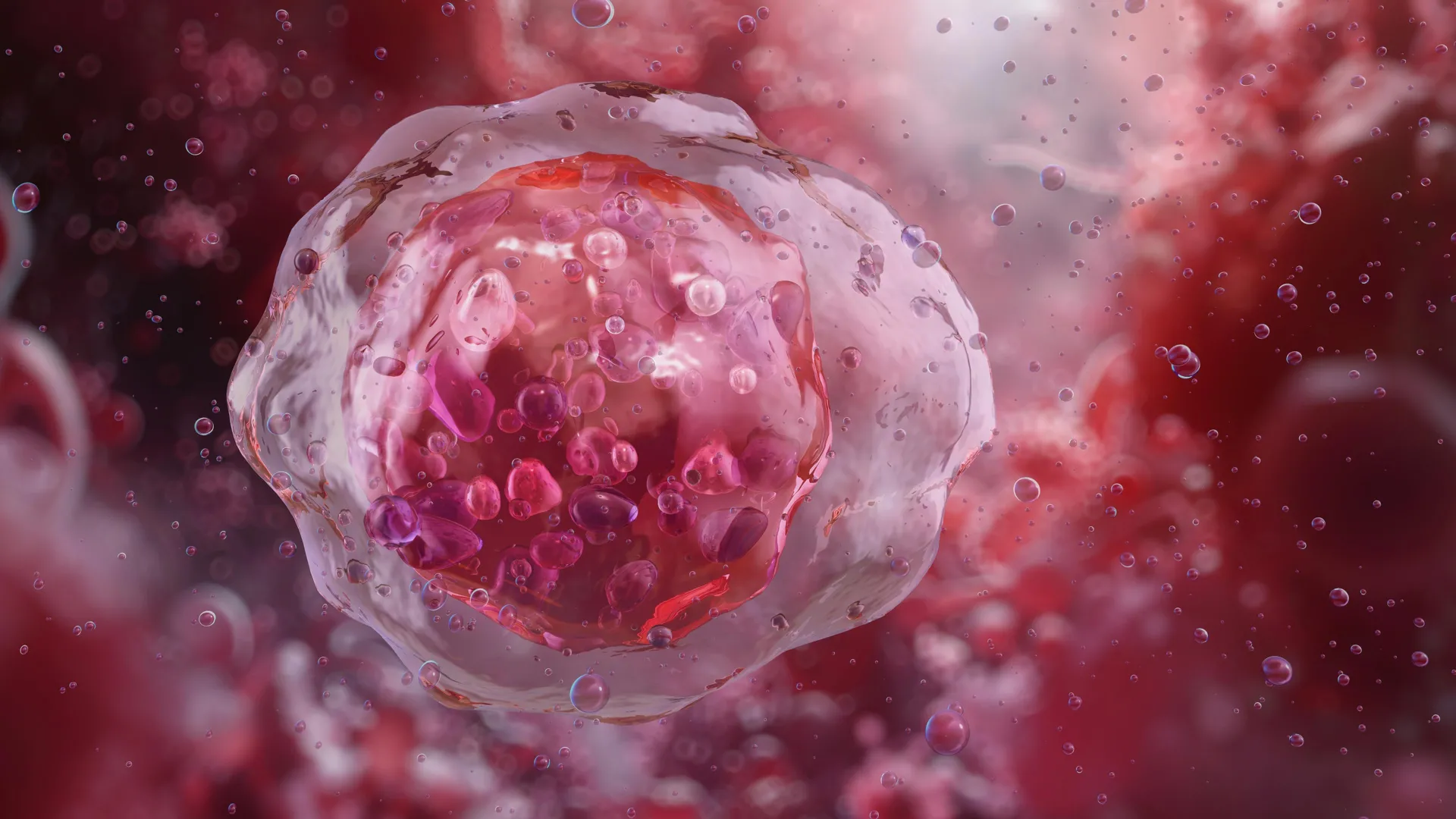
At the heart of this regenerative failure is autophagy—a vital intracellular quality-control mechanism. Autophagy acts as the cell’s waste disposal and recycling system, actively hunting down and dismantling damaged organelles, misfolded proteins, and cellular debris. For muscle stem cells to remain healthy and functionally competent, autophagy must operate at an optimal, highly regulated cadence. Too little autophagy allows toxic protein aggregates to build up, poisoning the cell and triggering apoptosis, or programmed cell death. Conversely, runaway autophagy consumes essential cellular components indiscriminately, starving the cell of its vitality and destroying its ability to repair and survive.
The Duke-NUS study identified DEAF1 as the master conductor of this delicate autophagic balance within muscle stem cells.
Decoding the DEAF1 Goldilocks Principle
The research team, co-led by Dr. Goh Kah Yong, a Research Fellow with the Cancer & Stem Cell Biology Programme at Duke-NUS, and Ms. Lee Wen Xing, a PhD candidate in the Duke-NUS Integrated Biology and Medicine Programme, discovered that DEAF1 acts through a strict biological "Goldilocks" principle: its levels must be neither too high nor too low.
"When DEAF1 levels are either too high or too low, it disrupts this critical clean-up process in our cells," Dr. Goh explained. "Elevated DEAF1 levels inhibit autophagy, causing damaged proteins to accumulate in muscle stem cells, leading to cell death. On the other hand, insufficient DEAF1 levels result in excess autophagy, impairing muscle cells by disrupting their ability to repair and survive. Maintaining a balanced level of DEAF1 is essential for muscle health and effective regeneration."
In the context of typical aging, the cellular environment experiences a breakdown in these regulatory networks. By identifying how DEAF1 controls autophagy, the researchers realized that deliberately modulating DEAF1 expression could theoretically reset the cellular clock. Lowering aberrantly elevated DEAF1 levels, for instance, could kickstart a sluggish cellular clean-up process, enhance the survival metrics of aging muscle stem cells, and restore their competence in generating fresh muscle tissue. This intervention could blunt the adverse physiological trajectory of aging, preserving physical independence and robust metabolic health in geriatric populations.
The Upstream Regulatory Circuitry: FOXO Proteins
Scientific discoveries rarely occur in isolation, and the Duke-NUS team quickly traced the regulatory hierarchy governing DEAF1. Assistant Professor Tang Hong-Wen, senior author of the study and the inaugural recipient of the prestigious Diana Koh Innovative Cancer Research Fund award, dug deeper into the genetic signaling pathways upstream of DEAF1.
"Both DEAF1 and muscle stem cells are regulated by a group of proteins called FOXOs," Assistant Professor Tang noted. "In muscle stem cells, FOXOs act as a key upstream regulator of DEAF1 to maintain appropriate levels, which is critical for balancing autophagy."
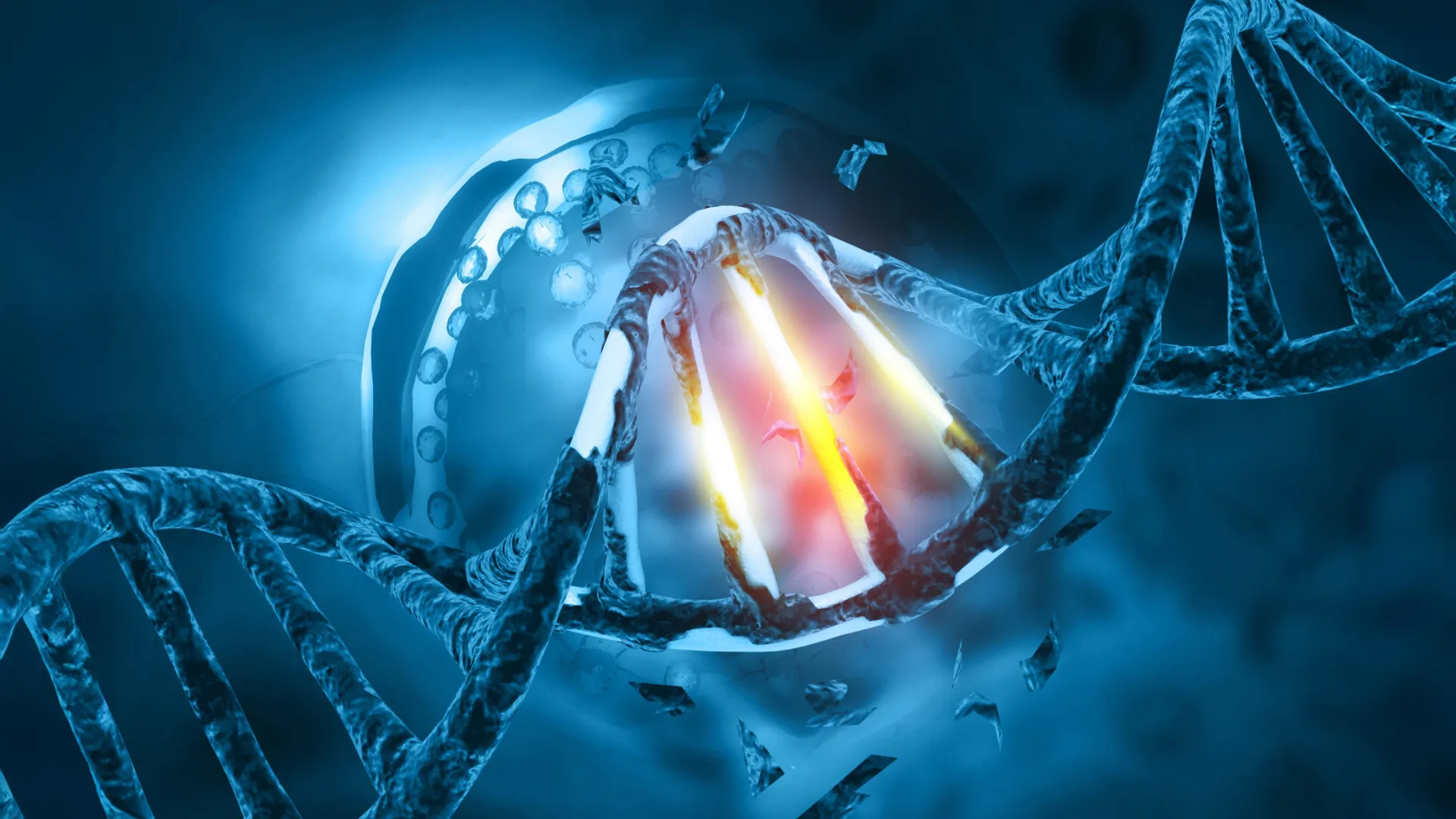
FOXOs (Forkhead box O transcription factors) are well-known stress-response proteins that orchestrate longevity, metabolism, and cellular homeostasis across various tissues. Unfortunately, as living organisms age, the signaling efficacy and overall activity of FOXO proteins naturally decline. This age-related attenuation destabilizes the downstream DEAF1 balance, throwing autophagy out of whack and precipitating the structural muscle decay characteristic of sarcopenia.
Crucially, the Duke-NUS team’s preclinical trials offered a tangible ray of hope. When researchers administered targeted FOXO activators in experimental models, the intervention successfully restored the homeostatic balance of DEAF1. This restoration reactivated effective muscle regeneration pathways, proving that age-induced muscle decline is not an irreversible biological inevitability.
Divergent Pathways in Cancer-Associated Cachexia
While sarcopenia and cachexia both manifest as catastrophic losses of skeletal muscle, medical professionals have long recognized that their root causes are fundamentally distinct. Sarcopenia is driven by chronological aging, systemic low-grade inflammation, hormonal shifts, and physical disuse. Cachexia, by contrast, is a multifactorial syndrome triggered by chronic systemic inflammation associated with underlying diseases, most notably advanced oncological malignancies.
Intriguingly, the Duke-NUS investigation revealed that while DEAF1 and autophagy are central to both conditions, the directionality of the cellular malfunction is inverted.
In patients suffering from cancer cachexia, elevated levels of FOXO proteins paradoxically lead to a significant depletion of DEAF1. This localized deficiency in DEAF1 hyper-activates autophagy. However, unlike in sarcopenia—where moderate stimulation of autophagy can aid in clearing cellular clutter—the excessive, uncontrolled autophagy driven by DEAF1 deficiency in cachexia acts destructively. It accelerates muscle catabolism, breaking down healthy proteins faster than the body can synthesize them, which deepens muscle wasting and severely worsens patient prognosis.
Consequently, the therapeutic strategy for cachexia requires a different approach than that for sarcopenia. While older adults with sarcopenia may benefit from interventions that reduce excessive DEAF1 or modulate FOXO pathways to clear cellular debris, cancer patients battling cachexia would require therapeutic interventions designed to increase or stabilize DEAF1 levels. By boosting DEAF1, physicians could theoretically brake the runaway train of excessive autophagy, slow down muscle wasting, and dramatically improve the physical resilience, treatment tolerance, and overall quality of life for cancer patients.
A Vision for the Future of Geriatric and Oncological Care
The implications of this study extend far beyond theoretical cellular biology; they represent a paradigm shift in how modern medicine approaches aging and chronic disease management.
Professor Patrick Tan, Senior Vice-Dean for Research at Duke-NUS, underscored the broader clinical significance of the findings during a press briefing following the journal publication.
"Understanding these differences is crucial for developing targeted treatments that specifically address the specific underlying cause of muscle loss in various conditions," Professor Tan remarked. "As the global population ages and chronic diseases like cancer become more prevalent, these insights will be essential for improving health outcomes and quality of life for those affected by these challenging conditions."
The urgency of this research cannot be overstated. According to demographic projections from the World Health Organization (WHO), the proportion of the world’s population over 60 years old will nearly double between 2015 and 2050, surging from 12 percent to 22 percent. In absolute terms, this means the global population of older adults will reach 2.1 billion by mid-century. Without effective pharmacological interventions to prevent conditions like sarcopenia, healthcare systems globally will face crippling economic burdens driven by loss of mobility, long-term nursing care requirements, and acute injuries resulting from falls.
Concurrently, the global cancer burden continues to expand, with millions of individuals diagnosed annually. Mitigating cachexia could profoundly change cancer care, enabling patients to maintain their weight, tolerate aggressive chemotherapy regimens with fewer dose reductions, and recover more completely post-treatment.
Next Steps in Translational Research
Following the publication of their landmark findings in Autophagy, the Duke-NUS research team is not resting on its laurels. Current laboratory efforts are focused on refining small-molecule compounds capable of modulating DEAF1 activity with high tissue specificity, minimizing off-target side effects. Furthermore, the investigative team has initiated exploratory studies to examine whether DEAF1 plays a similarly critical regulatory role in non-muscle tissues, such as cardiac muscle and neural pathways. These parallel investigations hold the potential to unlock novel therapeutic avenues for heart failure and neurodegenerative disorders.
As these preclinical candidates move closer to human clinical trials, the medical community inches closer to a future where aging does not automatically mean frailty, and chronic illness does not inevitably strip away a patient’s physical foundation. By deciphering the complex molecular dance of DEAF1, FOXO proteins, and autophagy, scientists at Duke-NUS Medical School have illuminated a clear pathway toward preserving human strength across the lifespan.