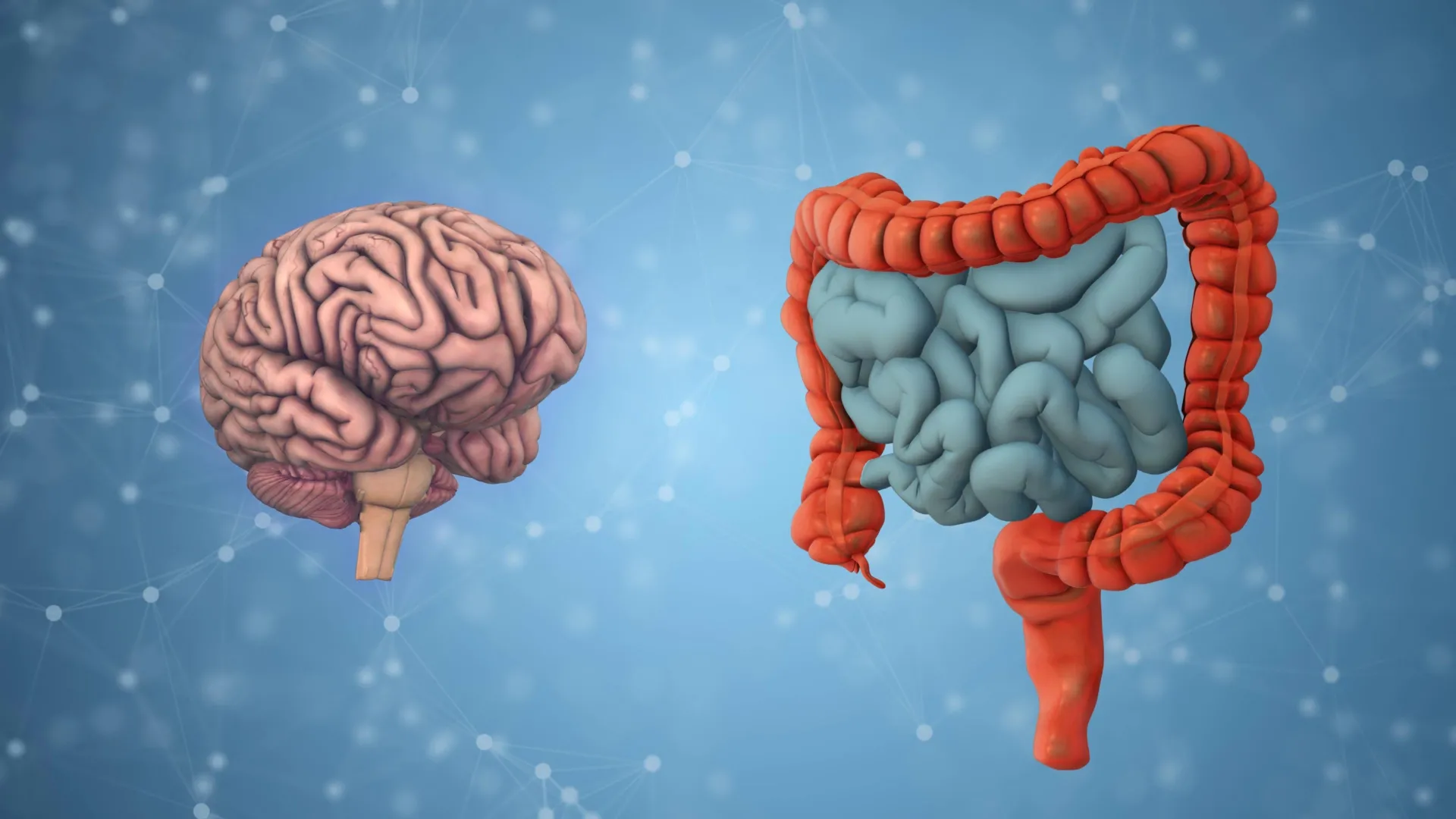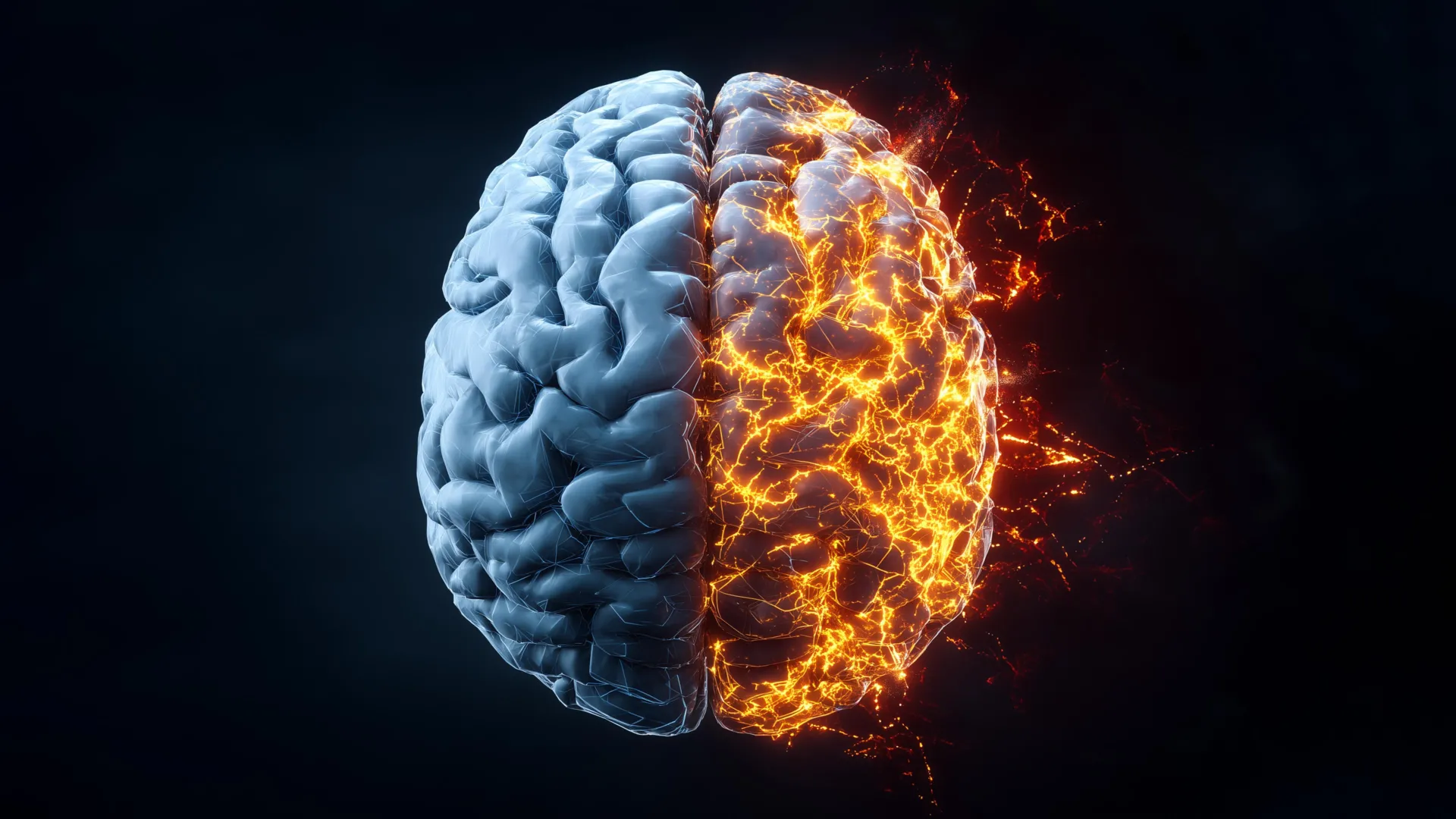
A significant advancement in neurobiology has emerged from the University of Birmingham, where a team of researchers has identified a critical mechanism driving neuroinflammation—a biological process implicated in a vast array of debilitating neurological and psychiatric conditions. By targeting the P2X7 receptor, scientists have demonstrated that it is possible to mitigate inflammatory responses in human brain tissue using pharmacological agents that are already established in medical practice. This finding, published in the journal Brain, offers a promising roadmap for the rapid repurposing of existing drugs to address conditions ranging from Alzheimer’s disease and Parkinson’s disease to traumatic brain injury (TBI) and clinical depression.
The Mechanism of Neuroinflammation
Neuroinflammation is a complex, double-edged sword within the central nervous system. While the brain’s immune system is essential for clearing cellular debris and responding to trauma, chronic or dysregulated inflammation is increasingly recognized as a primary driver of neuronal damage. Central to this process are microglia—the resident immune cells of the brain. Under normal conditions, microglia maintain homeostasis; however, when triggered by injury or pathology, they become activated, releasing a cascade of inflammatory proteins known as cytokines.
The research led by Professor Nicholas Barnes identifies the P2X7 receptor as a key "master switch" for this inflammatory cascade. P2X7 is an ion channel receptor expressed on the surface of microglia. When activated, it facilitates the release of cytokines, which in turn propagate inflammation throughout the surrounding neural environment. By deploying specific antagonists—substances that block the receptor’s activation—the research team successfully demonstrated a significant reduction in the inflammatory response in both lab-grown human cell models and actual human brain tissue.
Chronology and Methodology of the Study
The journey to this discovery required overcoming one of the most persistent hurdles in neuroscience: the inability to effectively study human microglia outside of the living brain. For decades, researchers struggled because human microglia rapidly lose their functional identity when extracted from the brain’s unique chemical environment.
To bypass this, the Birmingham team developed a sophisticated methodology to transform human peripheral monocytes—a type of white blood cell—into microglia-like cells. This approach mimics a natural biological phenomenon observed in the aging human brain, where systemic immune cells can infiltrate and adopt microglial characteristics.
- Developmental Phase: Researchers established a protocol to convert monocytes into microglia-like cells, providing a scalable and high-fidelity model of human immune responses in the brain.
- Mechanistic Analysis: Using these cells, the team observed how microglia react to stress signals, confirming that the P2X7 receptor is instrumental in the release of pro-inflammatory cytokines.
- Translational Validation: The team moved beyond cell cultures to validate their findings in actual human brain tissue. These samples were obtained from patients undergoing necessary neurosurgical procedures, ensuring the results were not limited to artificial laboratory conditions.
- Intervention Testing: Upon applying the P2X7 receptor antagonist, the researchers recorded a measurable decrease in the inflammatory signals released by the microglia, proving the efficacy of the intervention.
Supporting Data and Scientific Context
The implications of this study are underscored by the growing body of evidence linking systemic and local brain inflammation to neurodegeneration. According to data from the World Health Organization, neurodegenerative diseases affect millions globally, with Alzheimer’s disease alone accounting for an estimated 60% to 70% of dementia cases. Despite the high prevalence, existing treatments are largely symptomatic rather than curative.
The P2X7 receptor is not a novel target in general medicine, but its application to the central nervous system has historically been limited by the blood-brain barrier and the difficulty of conducting human-based trials. However, because antagonists for this receptor have already been studied in other contexts (such as systemic inflammation or bone health), the safety profiles of these compounds are partially understood. This "repurposing" strategy—the practice of using existing, approved drugs for new indications—can potentially shave years off the typical drug development timeline, which usually spans over a decade from discovery to clinical application.
Official Statements and Expert Perspectives
Professor Nicholas Barnes, corresponding author and a lead in the College of Medicine and Health at the University of Birmingham, underscored the potential of this work during a press briefing regarding the publication. "This exciting discovery marks a major step toward repurposing existing therapeutics to combat neuroinflammation at its source," Barnes stated. He emphasized that the discovery is not limited to a single pathology but is instead a fundamental intervention in the immune regulation of the brain.
"The identification of this receptor could have far-reaching implications for some of the most debilitating and widespread brain disorders," Barnes added. "Whether we are looking at Alzheimer’s, Parkinson’s, Multiple Sclerosis, or inflammation-linked psychiatric conditions like schizophrenia and depression, the common denominator is the need to modulate the immune environment of the brain."
Outside experts, while maintaining a standard of cautious optimism, have noted that the use of human tissue samples provides a "high level of translational validity." Unlike rodent models, which have frequently failed to predict human response in clinical trials, the use of human-derived microglia and actual tissue slices significantly increases the likelihood that these findings will hold true in a clinical setting.
Broader Implications for Clinical Practice
The transition from the laboratory to the bedside is the next critical phase for this research. The team is currently assessing the logistics for clinical trials, specifically targeting patient populations where no current pharmacological options exist to halt the progression of neuroinflammation.
Traumatic Brain Injury (TBI)
TBI is a prime candidate for this therapy. Following an acute brain injury, a secondary inflammatory cascade often occurs, leading to long-term cognitive impairment. A drug that can dampen this response in the critical hours or days following an injury could significantly improve patient outcomes and quality of life.
Neurodegenerative Diseases
In diseases like Alzheimer’s and Parkinson’s, chronic inflammation is believed to accelerate the death of neurons. By blocking the P2X7 receptor, it may be possible to slow the rate of neuronal loss, potentially delaying the onset of symptoms or slowing the progression of existing disease.
Psychiatric Conditions
Emerging evidence in the field of "immunopsychiatry" suggests that inflammation plays a role in the pathophysiology of treatment-resistant depression and psychosis. If P2X7 antagonists can safely modulate the brain’s immune state, it could open entirely new categories of treatment for patients who do not respond to traditional neurotransmitter-targeting antidepressants or antipsychotics.
Challenges and Future Directions
Despite the promise, the research team acknowledges that challenges remain. The primary concern is ensuring that the drug reaches the brain in sufficient concentrations to be effective without causing systemic side effects. Furthermore, timing the administration of these antagonists will be critical; in some cases, early inflammation is a necessary precursor to healing, and suppressing it too aggressively or too early could be counterproductive.
The next stage of the research will focus on dose-finding studies and the identification of biomarkers that could help clinicians determine which patients are most likely to benefit from P2X7-targeting therapies. By matching specific patient profiles with the therapy, researchers hope to move toward a "precision medicine" approach for neurological disorders.
Conclusion
The study from the University of Birmingham provides a robust scientific foundation for a new therapeutic approach to brain health. By focusing on the P2X7 receptor, researchers have identified a viable, actionable target that could bridge the gap between basic laboratory science and clinical necessity. If clinical trials prove successful, this discovery could redefine the standard of care for millions, transforming how we approach the inflammatory components of brain disease and offering a newfound sense of hope for conditions that have long resisted pharmacological intervention. As the team moves forward with the development of human clinical trials, the scientific community will be watching closely to see if this pivot toward repurposing existing drugs can finally unlock a solution to the complex puzzle of neuroinflammation.