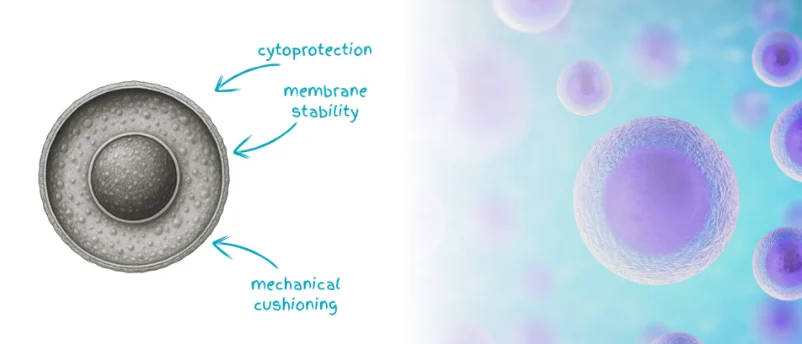
As individuals age, their bodies undergo a myriad of biological shifts, one of the most detrimental being the gradual accumulation of senescent cells. Often colloquially referred to in scientific and public discourse as “zombie cells,” these are living cells that have permanently ceased dividing due to severe stress or DNA damage, yet stubbornly refuse to undergo programmed cell death, or apoptosis. Instead, they linger in tissues, secreting a noxious cocktail of inflammatory proteins, growth factors, and enzymes that disrupt surrounding tissue architecture, propagate chronic inflammation, and drive the onset of numerous age-related pathologies, including pulmonary fibrosis, neurodegeneration, and cardiovascular disease.
For years, researchers have sought to understand why these dysfunctional units accumulate so relentlessly over time. While geroscience has long suspected a profound crosstalk between cellular senescence and the breakdown of cellular recycling mechanisms—known collectively as autophagy—the exact nature of this biochemical nexus remained elusive. Now, a recent breakthrough led by an international consortium of researchers at the Albert Einstein College of Medicine in New York has unveiled how the age-related failure of a specific quality-control pathway empowers zombie cells to evade immune clearance, transforming them from transient nuisances into persistent drivers of chronic disease.
The Findings: Unlocking the Mechanism of Cellular Persistence
At the core of this discovery is chaperone-mediated autophagy (CMA), a highly selective cellular recycling system. Unlike macroautophagy, which indiscriminately engulfs large chunks of cytoplasm or entire organelles, CMA operates with molecular precision. Specific cytosolic proteins bearing a distinct pentapeptide motif are recognized by cytosolic molecular chaperones—most notably heat shock cognate 71 kDa protein (Hsc70)—which ferry these damaged or unneeded proteins directly to the lysosomal membrane. There, the proteins bind to the receptor LAMP-2A (lysosome-associated membrane protein type 2A), are unfolded, and enter the lysosomal lumen for enzymatic degradation.
In younger organisms, CMA acts as a vital housekeeping service, clearing out aberrant proteins and maintaining proteostasis. However, as the Einstein-led research team demonstrated, this system falters significantly with advanced age. When the researchers modeled aging in vitro using ear fibroblasts harvested from 4-month-old young mice and 23-month-old aged mice, and subsequently induced senescence via the administration of the CDK4/6 inhibitor and cancer drug palbociclib, stark differences emerged.
In the young fibroblasts, induced senescence provoked a compensatory upregulation of CMA activity, allowing the cells to cope with the metabolic and proteostatic stress of transitioning into a senescent state. Conversely, the 23-month-old fibroblasts displayed a severely blunted CMA response and deficient lysosomal degradation. This failure of CMA resulted in a catastrophic loss of proteostasis, characterized by extensive protein aggregation confirmed via ProteoSTAT staining.
Without functional CMA, these aging senescent cells developed a profound senescence-associated secretory phenotype (SASP). They began pumping out toxic, misfolded proteins and inflammatory signals that not only forced neighboring healthy cells into premature senescence via paracrine signaling, but also actively sabotaged the functional capabilities of macrophages—the primary immune cells tasked with hunting down and phagocytosing cellular debris. Consequently, aged organisms find themselves trapped in a vicious cycle: declining CMA breeds unmanageable zombie cells, and those very cells disable the immune system’s capacity to sweep them away.
Chronology of the Research and Experimental Methodology
To arrive at these conclusions, the international research team deployed a robust suite of transgenic models and advanced cell biology techniques. The project’s timeline bridged traditional in vitro cellular assays with translational in vivo disease modeling to establish both causality and therapeutic potential.
Initial phases of the study relied on primary fibroblast cultures derived from murine ear tissues of varying age cohorts (specifically 4-month-old and 23-month-old specimens). By leveraging transgenic mouse models engineered to express a fluorescent CMA reporter, the team was able to dynamically monitor CMA activity in real time as senescence was chemically induced. Additional comparative analyses using fibroblasts isolated from genetically CMA-deficient mice verified that the accumulation of protein aggregates and the subsequent alterations in cellular properties were directly attributable to impaired CMA function rather than off-target drug effects.
Moving beyond cell culture, the researchers transitioned to a physiological model of chronic tissue degeneration: bleomycin-induced pulmonary fibrosis in mice. Fibrosis is a hallmark of human aging characterized by excessive scar tissue deposition and a heavy burden of senescent cells in the lungs. By administering a small molecule known as CA77.1—a targeted activator of CMA—to aged mice suffering from experimentally induced lung fibrosis, the investigators tested whether pharmacological restoration of this recycling pathway could alter disease trajectories.
The intervention yielded striking results. Activating CMA via CA77.1 not only successfully reduced the overall burden of senescent cells within the lung tissue but also significantly attenuated the progression of fibrosis in the aged subjects. This experimental milestone provided tangible proof of concept that targeting the CMA pathway could offer a viable therapeutic avenue for age-related morbidities.

Supporting Data and the Broader Landscape of Senolytics
The implications of the Einstein study arrive at a time of intense global interest in the geroscience hypothesis: the notion that targeting fundamental aging mechanisms simultaneously can prevent or delay multiple chronic diseases, rather than treating them one by one as they appear.
For the past decade, the predominant strategy in combating cellular senescence has focused on "senolytics"—classes of pharmacological agents designed to selectively induce apoptosis in zombie cells, effectively purging them from tissues. While preclinical trials involving compounds like Dasatinib and Quercetin have shown promise in improving physical function and extending healthspan in murine models, translating these treatments into human therapies has presented considerable hurdles. Systemic clearance of senescent cells can sometimes provoke adverse inflammatory reactions, off-target toxicities, or impede necessary physiological processes where transient senescence plays a role, such as wound healing and tissue regeneration.
The findings from the Albert Einstein College of Medicine introduce a paradigm-shifting alternative. Instead of deploying broad-spectrum senolytics to annihilate zombie cells, medical science might instead focus on "re-educating" or restoring the biological dialogue between senescent cells and the host immune system. By reactivating CMA pathways, aged cells may regain their internal quality control, neutralizing the toxic SASP factors that paralyze macrophages and allowing native immune surveillance to clear the pathological burden naturally.
Official Responses and Expert Perspectives
Reflecting on the study’s conceptual breakthrough, Dr. Ana Maria Cuervo, the senior author of the research paper and co-director of the Einstein Institute for Aging Studies, emphasized the unique nature of the discovery.
“Our research connects two major drivers of aging—declining CMA and cellular senescence—and shows for the first time how their interaction allows senescent cells to evade clearance by the immune system in old organisms,” Dr. Cuervo summarized. She further elaborated on the therapeutic horizon, noting, “We’ve also found that instead of trying to kill zombie cells, we may be able to restore their interaction with the immune system so that the body can clear them naturally. The next challenge is determining whether this approach can eventually be developed into a safe treatment for age-related diseases in people.”
Independent experts in the fields of aging biology and immunology have echoed the significance of these insights. While cautioning that moving from murine models to human clinical trials requires rigorous safety evaluations, many in the scientific community view the pharmacological targeting of CMA as a sophisticated refinement of anti-aging medicine. Unlike crude cell-killing agents, fine-tuning intracellular degradation machinery addresses a root cause of metabolic failure, potentially offering a safer profile for long-term clinical management of chronic conditions.
Implications for Future Clinical Interventions and Age-Related Pathology
As demographic shifts globally point toward aging populations, the societal and economic burdens of age-associated chronic diseases continue to mount. Conditions such as idiopathic pulmonary fibrosis, osteoarthritis, neurodegenerative disorders, and metabolic syndrome share a common pathological thread: the insidious accumulation of senescent cells that escape immune surveillance.
The identification of CMA as the master switch governing this immune evasion opens several critical avenues for future pharmaceutical development. First, it highlights the need for advanced biomarkers capable of tracking CMA efficiency in human tissues, allowing clinicians to identify individuals whose cellular recycling systems are failing before overt clinical disease manifests. Second, it accelerates the chemistry surrounding CMA activators like CA77.1, prompting medicinal chemists to design more potent, bioavailable, and tissue-specific modulators of the LAMP-2A receptor and Hsc70 chaperone complexes.
Ultimately, this research reframes our understanding of biological aging. The accumulation of zombie cells is no longer viewed merely as an inevitable consequence of cellular exhaustion, but rather as a failure of communication and internal maintenance—a breakdown that, with the right pharmacological tools, can potentially be repaired. As researchers progress from animal models toward human translation, the prospect of restoring the body’s natural cellular housekeeping moves steadily closer to clinical reality, offering renewed hope for extending human healthspan.