

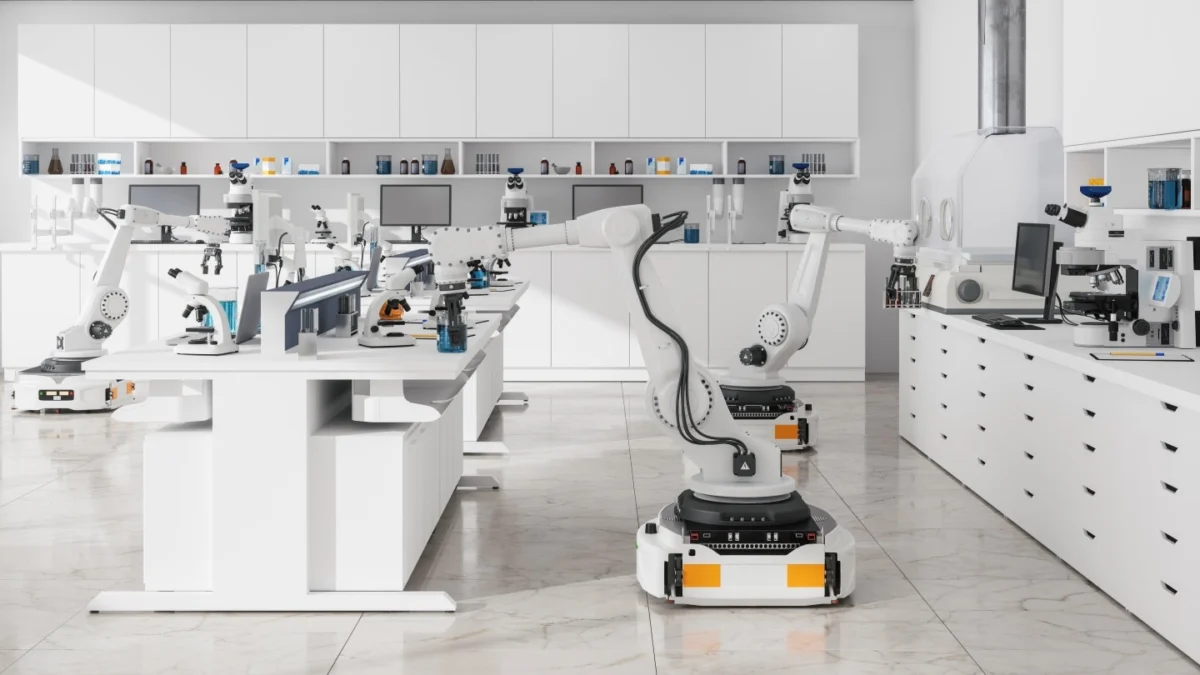
The biopharmaceutical industry is on the cusp of a profound transformation, driven by the burgeoning integration of artificial intelligence (AI) and advanced robotics into research and development (R&D) processes. These technological advancements are giving rise to autonomous laboratories, sophisticated environments capable of conducting biomedical research with unprecedented levels of precision, consistency, and efficiency. At the forefront of this revolution is Ginkgo Bioworks, a leading company in the field of synthetic biology and autonomous lab development. In a recent interview with Pharmaceutical Technology, Jason Kelly, CEO of Ginkgo Bioworks, shed light on the company’s pioneering work and the anticipated impact of autonomous labs on the future of drug discovery and development.
The concept of autonomous labs represents a significant departure from traditional R&D methodologies. These facilities are characterized by a suite of automated machinery, including self-loading bioreactors and advanced robotic arms, all orchestrated by intelligent AI agents. This synergy allows for the execution of complex experimental workflows with minimal human intervention, thereby accelerating the pace of scientific discovery and addressing long-standing bottlenecks in the drug development pipeline. Pharmaceutical Technology has previously explored the growing interest within the pharmaceutical sector for these autonomous systems, highlighting their potential to drastically reduce both the time and financial resources required for bringing new therapies to market. A key aspect of this discussion has revolved around how this technological shift might fundamentally redefine the roles and responsibilities of human researchers.
The Genesis and Evolution of Autonomous Biopharma Labs
The journey towards autonomous laboratories in biopharma can be traced back to the increasing complexity and data-intensiveness of modern biological research. As genomic sequencing, high-throughput screening, and sophisticated molecular biology techniques became more prevalent, the sheer volume of experiments and data generated overwhelmed manual processing capabilities. Early automation in labs focused on specific repetitive tasks, such as liquid handling and plate management. However, the advent of machine learning and AI has enabled a more integrated and intelligent approach.
Ginkgo Bioworks, founded in 2009, emerged from the academic research environment of MIT, with a vision to make biology easier to engineer. The company’s foundational work in synthetic biology, focusing on programming cells for various applications, naturally led to the development of sophisticated automation and data management systems. Over the years, Ginkgo has systematically built its platform, investing heavily in proprietary software and hardware to create what it describes as "foundries" for cell programming. These foundries are essentially large-scale automated facilities designed to execute millions of biological experiments efficiently.
The evolution from early automation to fully autonomous labs can be viewed as a progression through several stages:
- Early Automation (Pre-2010s): Focus on automating single, repetitive tasks like pipetting and sample preparation. This increased throughput for specific assays but still required significant human oversight and manual data handling.
- Integrated Automation (2010s-Present): Development of robotic systems that can perform multi-step workflows, often within a single integrated platform. This includes automated synthesis, purification, and analysis of biomolecules. Ginkgo’s early foundry development falls into this category, demonstrating the power of integrating automated workflows.
- AI-Driven Autonomy (Present and Future): The current phase, where AI agents not only control the automated hardware but also learn from experimental outcomes, optimize protocols, and even design new experiments. This is the frontier that companies like Ginkgo are actively pushing.
Ginkgo Bioworks: A Pioneer in Autonomous R&D
Jason Kelly, in his discussion, emphasized that the rise of autonomous labs, particularly those developed by Ginkgo Bioworks, is not about replacing human scientists but rather about augmenting their capabilities and redirecting their focus. He articulated that "AI scientists" will not supersede human researchers but will instead liberate them from routine tasks, allowing them to concentrate on higher-level, more abstract aspects of R&D. This shift could empower scientists to tackle more complex biological problems, devise innovative research strategies, and ultimately accelerate the discovery of novel therapeutics.
Ginkgo’s approach is rooted in the concept of "programming cells" for specific functions. Their automated foundries are designed to perform an extensive range of biological experiments at scale, from gene synthesis and strain engineering to cell line development and bioprocess optimization. By leveraging automation and AI, Ginkgo can generate vast amounts of data, identify promising biological candidates, and rapidly iterate through experimental designs far more efficiently than traditional manual methods. This capability is crucial for industries like pharmaceuticals, where the drug discovery process is notoriously lengthy and expensive, with estimates suggesting that it can take over a decade and cost billions of dollars to bring a new drug to market.
Data and Efficiency Gains: The Quantifiable Impact
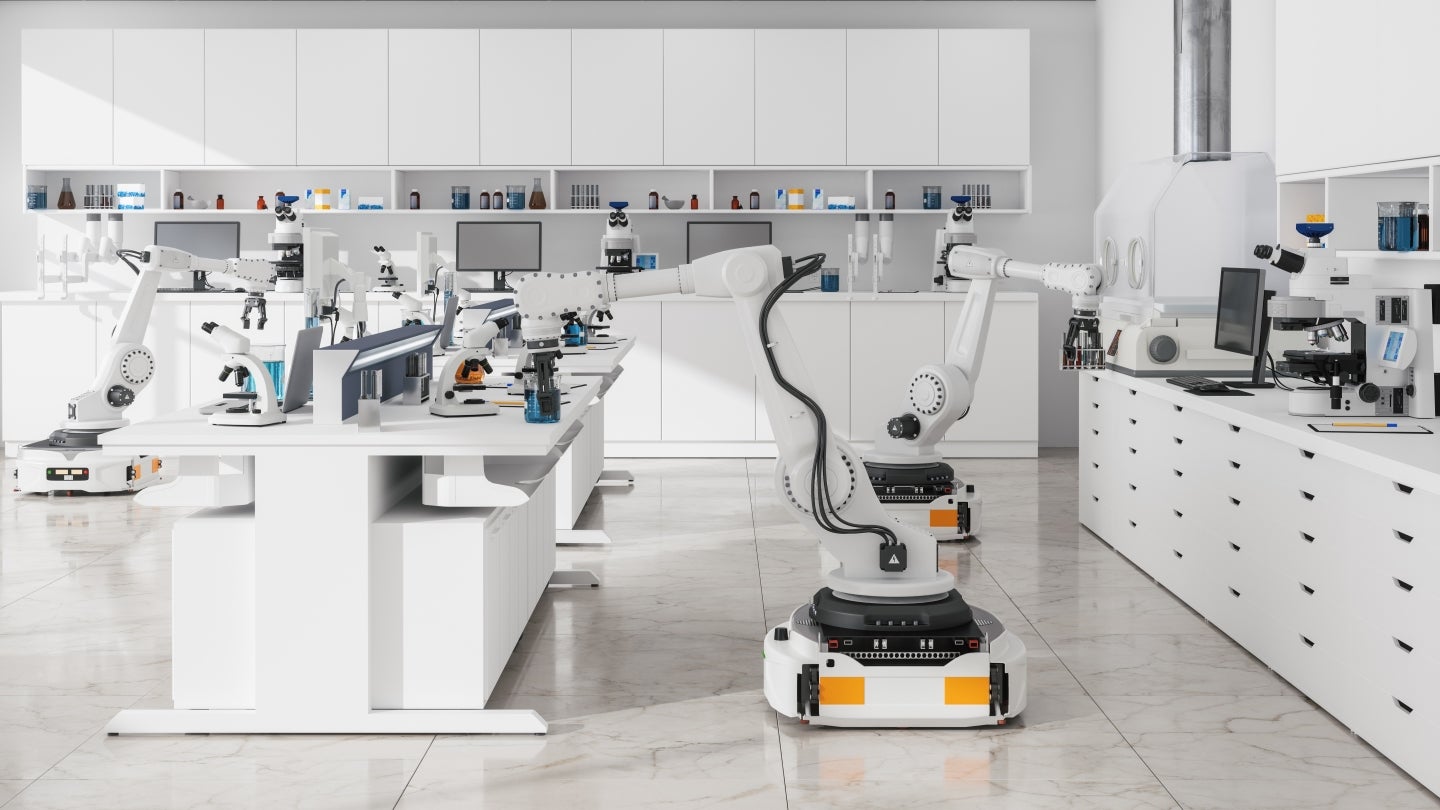
The potential for significant gains in efficiency and cost reduction through autonomous labs is substantial. While precise figures for Ginkgo’s internal operations are proprietary, industry-wide trends provide a clear indication of the expected impact. For example, the cost of DNA synthesis has plummeted by orders of magnitude over the past two decades, a trend that has been partly enabled by increased automation. Similarly, high-throughput screening, a cornerstone of drug discovery, can now involve millions of compounds tested in a matter of weeks, a feat that would have been impossible without advanced automation.
Autonomous labs promise to amplify these gains by:
- Reducing Experimental Error: Automated systems are inherently more consistent than manual processes, minimizing batch-to-batch variability and improving the reproducibility of results. This is critical for generating reliable data that can inform critical R&D decisions.
- Accelerating Iteration Cycles: The ability to design, execute, and analyze experiments rapidly allows for faster learning and optimization. Instead of weeks or months, key experimental cycles could be reduced to days or even hours.
- Lowering Operational Costs: While the initial investment in automation and AI infrastructure is significant, the long-term operational costs can decrease due to reduced labor requirements for repetitive tasks, optimized reagent usage, and minimized waste.
- Unlocking New Discoveries: By handling the grunt work, autonomous labs free up human scientists to explore more complex hypotheses, design more ambitious experiments, and delve deeper into the intricate biological mechanisms underlying disease.
The Redefined Role of the Human Researcher
Kelly’s vision for the future of biopharma R&D centers on a symbiotic relationship between humans and AI-driven automation. He posits that researchers will transition from performing hands-on laboratory work to becoming strategic architects of scientific inquiry. Their roles will evolve to encompass:
- Experimental Design and Hypothesis Generation: Scientists will focus on formulating high-level research questions and designing sophisticated experiments that leverage the capabilities of autonomous labs. This involves understanding the nuances of biological systems and translating them into executable protocols for AI.
- Data Interpretation and Strategic Decision-Making: With vast amounts of data generated by autonomous systems, human researchers will play a crucial role in interpreting these results, identifying trends, and making strategic decisions about the direction of R&D projects. This requires deep domain expertise and critical thinking skills.
- AI Model Development and Refinement: Scientists will contribute to the development and refinement of AI algorithms used in autonomous labs. By providing biological context and feedback, they can help train AI models to become more effective and insightful.
- Ethical and Regulatory Oversight: As AI plays a more prominent role in scientific discovery, human oversight will remain essential for ensuring ethical research practices and navigating complex regulatory landscapes.
This shift represents an elevation of the scientific role, moving from manual execution to intellectual leadership. It aligns with the historical trajectory of scientific progress, where technological advancements have consistently amplified human intellect and capacity.
Broader Implications for the Biopharma Ecosystem
The widespread adoption of autonomous labs is poised to have far-reaching implications across the entire biopharma ecosystem:
- Accelerated Drug Discovery and Development: The primary impact will be a significant acceleration in the pace at which new drugs are discovered and brought to market. This could lead to faster access to life-saving therapies for patients.
- Increased Innovation: By lowering the barriers to experimentation and enabling the exploration of more complex biological questions, autonomous labs can foster a new wave of innovation in drug discovery.
- Democratization of Advanced Research: As the cost and complexity of setting up sophisticated R&D capabilities decrease through platforms like Ginkgo’s, it could enable smaller biotech companies and academic institutions to access cutting-edge research tools.
- New Skill Requirements: The evolving landscape will necessitate new skill sets for the biopharma workforce, with an increased demand for individuals proficient in data science, AI, bioinformatics, and computational biology, alongside traditional biological expertise.
- Shift in R&D Investment Strategies: Pharmaceutical companies may re-evaluate their R&D investment strategies, potentially shifting resources from manual labor to technology infrastructure and specialized talent.
Challenges and the Path Forward
Despite the immense promise, the path towards fully autonomous biopharma labs is not without its challenges. These include:
- Data Integration and Standardization: Ensuring seamless integration and standardization of data generated from diverse automated systems and experiments is crucial for effective AI analysis.
- Validation and Trust in AI: Building robust validation frameworks for AI-driven discoveries and fostering trust in the AI’s decision-making processes will be critical.
- Scalability and Cost-Effectiveness: While promising long-term cost savings, the initial capital investment for advanced automation and AI infrastructure can be substantial, posing a barrier for some organizations.
- Regulatory Adaptation: Regulatory bodies will need to adapt their frameworks to accommodate the unique aspects of AI-driven R&D and autonomous laboratory operations.
Ginkgo Bioworks, through its continuous investment in platform development and strategic partnerships, is actively addressing these challenges. The company’s ongoing work represents a significant step towards realizing the full potential of autonomous laboratories, heralding a new era of accelerated, data-driven, and human-augmented biopharmaceutical research and development. The future of drug discovery is being engineered in these intelligent labs, promising a faster, more efficient, and ultimately more impactful approach to tackling human health challenges.















Leave a Reply