A landmark genomic study published in the scientific journal Nature has fundamentally shifted our understanding of chronic myeloid leukemia (CML), a rare and aggressive cancer affecting the blood and bone marrow. Conducted by an international team of researchers primarily centered at the Wellcome Sanger Institute in collaboration with the University of Cambridge, the investigation offers the first high-resolution mapping of how CML originates, develops, and multiplies within the human body. By sequencing more than 1,000 whole genomes from single blood cells across multiple patients, scientists have uncovered that CML does not follow the slow, multi-decade developmental trajectory typical of most human cancers. Instead, the disease is driven by an astonishingly potent genetic mutation that triggers explosive, exponential cell growth years before any clinical symptoms manifest.
The findings not only challenge long-held dogmas regarding tumor evolution and latency periods in hematological malignancies, but they also provide vital clues as to why certain patients fail standard therapies. With cardiovascular and oncological research increasingly leaning toward personalized medicine, this study opens up novel avenues for prognostic markers, risk stratification, and the potential optimization of treatments for individuals who demonstrate poor responses to conventional pharmaceutical interventions.
Main Facts and the Mechanics of the Philadelphia Chromosome
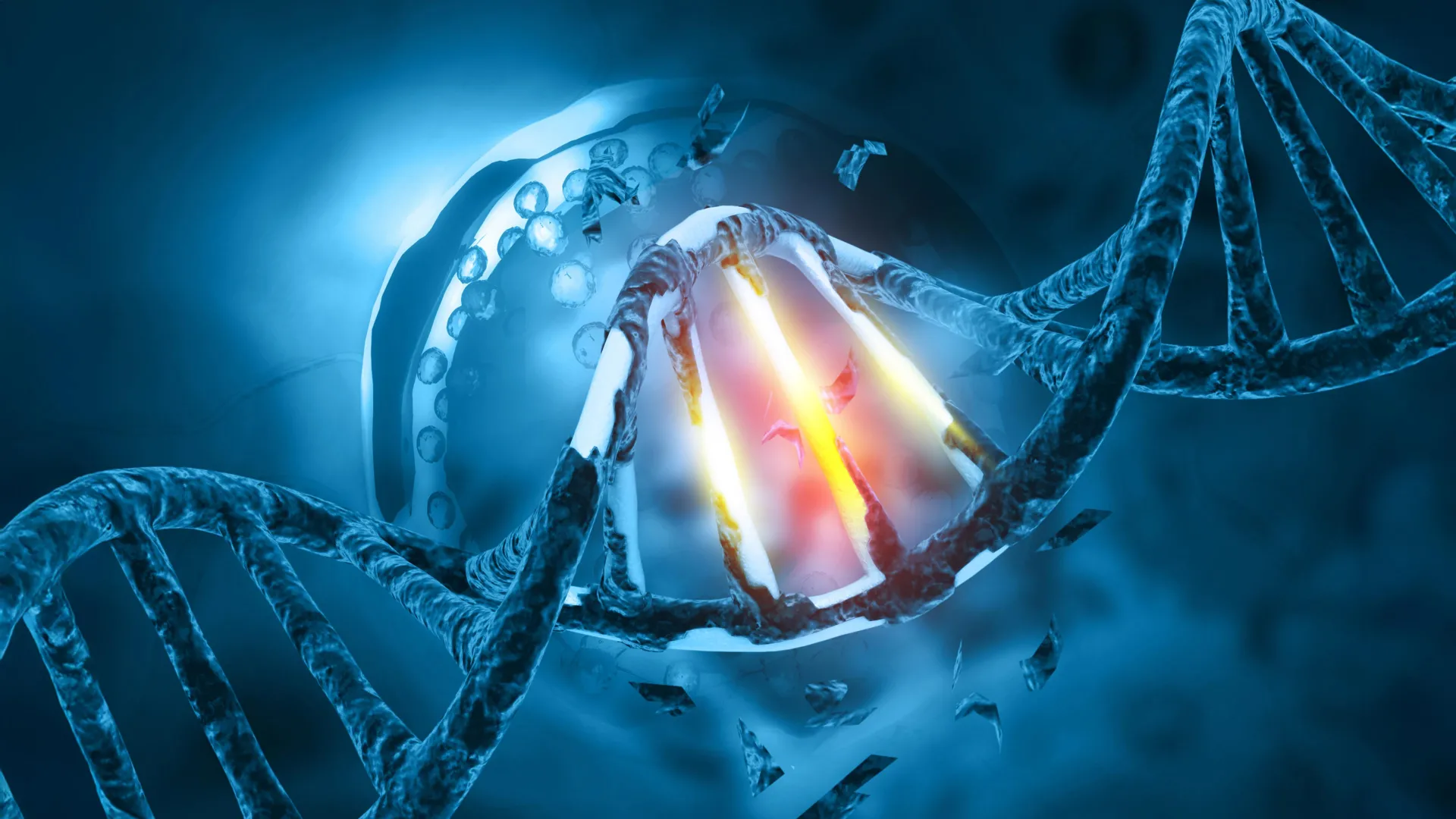
Chronic myeloid leukemia is characterized by the overproduction of white blood cells in the bone marrow. At the heart of this pathology lies a well-documented genetic aberration known as the Philadelphia chromosome. This abnormality occurs through a reciprocal translocation of genetic material between chromosome 9 and chromosome 22. Specifically, a portion of the ABL1 gene from chromosome 9 breaks off and fuses with the BCR gene on chromosome 22, creating a chimeric fusion gene designated as BCR::ABL1.
While the existence of the Philadelphia chromosome has been recognized for decades as the primary causative agent of CML, the precise temporal evolution of this genetic error and the quantitative dynamics of the resulting cellular expansion remained largely elusive. Until now, medical science understood that the fusion gene produced a constitutively active tyrosine kinase enzyme, signaling cells to divide uncontrollably. However, how quickly those initial rogue cells multiplied, the exact timeframe from the first mutation event to clinical presentation, and how individual patient variability influenced these trajectories were blank spaces in oncology.
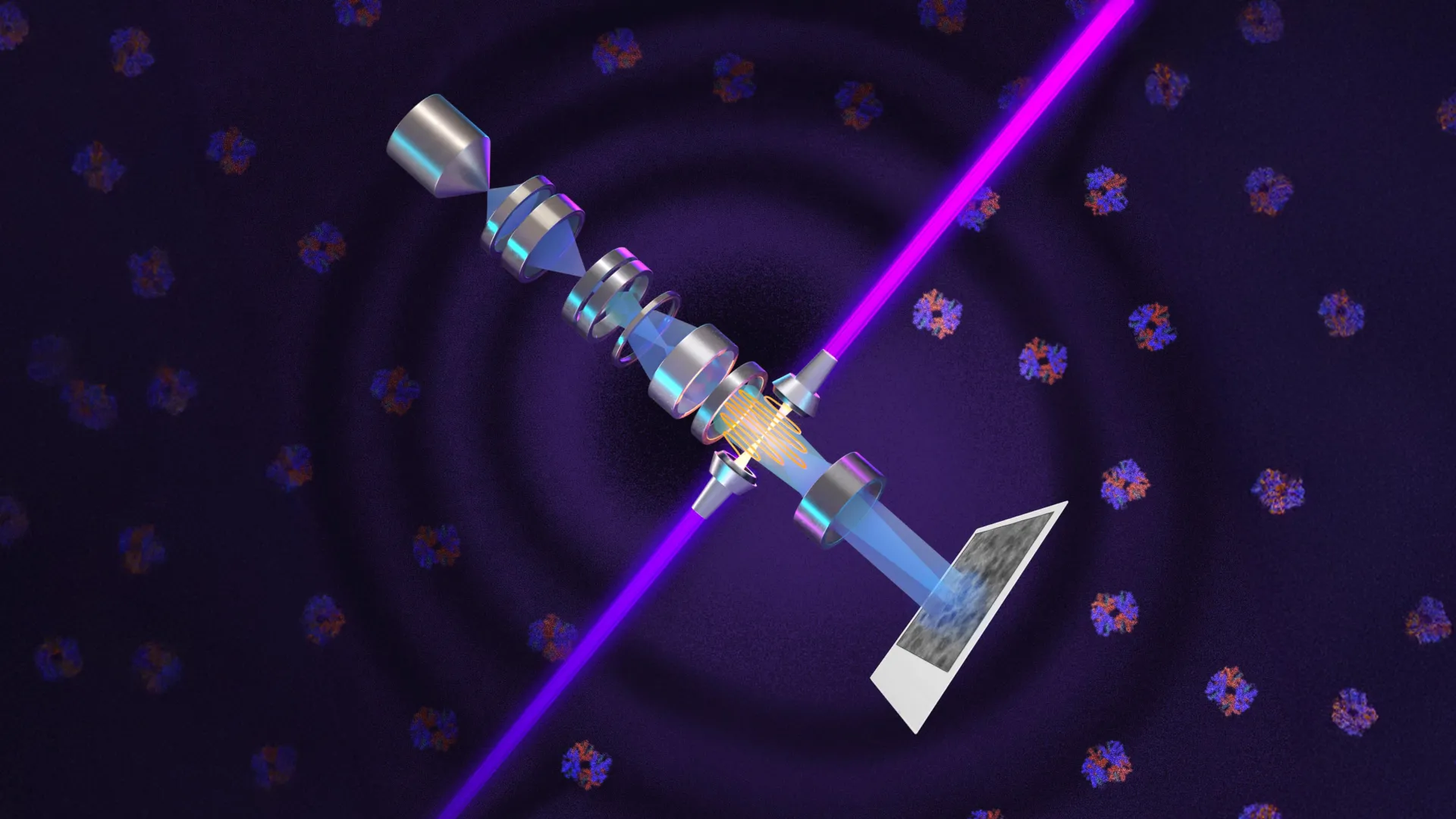
To bridge this knowledge gap, the research team deployed advanced single-cell whole-genome sequencing techniques. By analyzing individual blood cells from nine diagnosed CML patients ranging in age from 22 to 81 years, the scientists mapped the ancestral lineages of the cancer cells. Constructing these phylogenetic—or evolutionary—family trees allowed researchers to peer backward in time, tracing the molecular clockwork of the tumor back to the precise biological moment when the initial BCR::ABL1 fusion occurred.
Chronology of Disease Evolution: A Silent, Rapid Countdown
The phylogenetic reconstruction yielded surprising results regarding the temporal timeline of CML development. The data revealed that the fateful BCR::ABL1 fusion event typically occurs three to fourteen years prior to a formal clinical diagnosis.
Unlike solid tumors—such as those found in colorectal, lung, or breast cancers—which generally accumulate a complex tapestry of multiple genetic mutations over decades before becoming malignant or symptomatic, CML behaves as an exceptional biological outlier. Once the single BCR::ABL1 fusion gene is formed, the resulting tumor clones embark on an aggressive trajectory of expansion. The researchers documented annual growth rates of these malignant clones sometimes exceeding 100,000 percent.
This hyper-accelerated phase of growth means that a microscopic clone of abnormal cells can scale up exponentially within a relatively narrow window of time. The study established that this immense proliferative capacity is driven entirely—or almost entirely—by the singular BCR::ABL1 genetic variation, illustrating an unprecedented level of oncogenic potency for a single gene fusion in human cancer.
Furthermore, the chronology of the disease appears heavily influenced by patient age at the time of origin. Younger individuals included in the study cohort displayed significantly higher rates of multiplication among cancerous cells harboring the fusion gene compared to older counterparts. This age-related variance in tumor kinetics suggests that the biological environment of younger bone marrow may either tolerate or fuel more aggressive clonal expansion during the early phases of the disease.
Supporting Data and Insights from Large-Scale Cohorts
To contextualize these findings on a population level and evaluate whether individuals can harbor the BCR::ABL1 fusion gene asymptomatically without progressing to full-blown leukemia, the researchers extended their investigation. They analyzed comprehensive genomic sequencing data and longitudinal electronic health records from more than 200,000 participants enrolled in the United States-based "All of Us" research program.
The analysis of this massive population cohort yielded a striking conclusion: nearly every individual identified as carrying the BCR::ABL1 genetic signature ultimately developed a clinical blood disorder. This strongly indicates that silent, lifelong carriage of the fusion gene without subsequent pathological consequences is exceptionally rare. Once the genetic fusion takes root, the intrinsic drive of the BCR::ABL1 protein is so potent that clinical progression to disease is virtually guaranteed, cementing its status as a primary and relentless driver of leukemia.
In parallel, the study evaluated treatment outcomes in relation to tumor growth rates. Currently, standard therapy for CML relies on targeted pharmaceuticals known as tyrosine kinase inhibitors (TKIs), which successfully manage the disease for the majority of patients. However, approximately 20 percent of CML patients fail to respond adequately to TKI therapy, presenting a persistent clinical challenge.
The researchers discovered a correlation between the speed of tumor growth and therapeutic response: patients who exhibited faster-growing CML clones prior to diagnosis were statistically less likely to achieve favorable, sustained responses to standard TKI regimens. This data points toward an underlying biological mechanism where highly aggressive initial kinetics translate into therapy-resistant disease states, offering a potential explanation for treatment failures in a subset of the patient population.
Official Responses and Expert Perspectives
The publication of these findings in Nature has drawn widespread attention from the global hematology and oncology communities, prompting reflections from the study’s primary architects regarding the clinical and scientific significance of the work.
Dr. Aleksandra Kamizela, co-first author of the study, a resident doctor at Lister Hospital in Stevenage and soon to be at Addenbrooke’s Hospital in Cambridge, emphasized the gap between current clinical monitoring tools and the underlying genomic reality. "In a clinical setting, healthcare professionals will perform a reverse transcription polymerase chain reaction test, a type of blood test, to measure a patient’s response to CML treatment," Dr. Kamizela explained. "However, they are not able to routinely see differences in the genetic cause of CML in patients at the DNA level, which we have been able to highlight in our study. Our findings also provide a rationale to look at the rate of cancer growth more closely in future studies in order to understand if we can use such information in a clinical setting."
Dr. Jyoti Nangalia, senior author of the study, a practicing hematologist at the University of Cambridge and a Group Leader at the Wellcome Sanger Institute, underscored the unique status of CML within the broader landscape of oncology. "What our study suggests is that chronic myeloid leukemia is an outlier compared to other cancers—both solid tumors and other blood cancers," Dr. Nangalia stated.
"We have shown that chronic myeloid leukemia cells undergo incredibly rapid growth within a few years to a decade before diagnosis, whereas for most cancers, the timeline from start to clinical presentation is several decades," Dr. Nangalia continued, highlighting the forward-looking clinical benefits of the research. "This work paves the way to understanding how we might optimize treatment for those patients that currently respond poorly to treatment."
Broader Impact and Future Implications for Precision Oncology
The implications of this study stretch far beyond the academic understanding of leukemogenesis, offering tangible directions for future clinical trials and patient management strategies.
By demonstrating that CML growth rates vary significantly among patients—and that this variation correlates with treatment efficacy—the research establishes a foundation for personalized risk stratification. If future prospective studies involving larger patient cohorts validate these findings, clinicians may eventually incorporate genomic kinetic profiling into initial diagnostic evaluations. Identifying high-risk patients with hyper-accelerated clonal expansion early on could allow hematologists to tailor upfront therapeutic strategies, potentially opting for more potent second- or third-generation TKIs, or combining therapies to preemptively overcome anticipated drug resistance.
Moreover, the methodological framework utilized in this study—combining single-cell whole-genome sequencing with sophisticated phylogenetic tree construction—demonstrates the immense power of high-resolution cellular archaeology. Applying similar techniques to other hematological malignancies and solid tumors could unearth previously hidden pre-diagnostic windows, shedding light on the early latency periods of various cancers and identifying critical intervention points before tumors become clinically unmanageable.
As researchers continue to decode the complex dynamics of the BCR::ABL1 fusion gene, the medical community moves one step closer to dismantling the mechanisms of drug resistance in leukemia. While further clinical validation remains necessary before these genomic insights translate directly into bedside protocols, this study marks a definitive paradigm shift in how modern medicine perceives the genesis and velocity of chronic myeloid leukemia.