A routine experiment involving a microscopic organism from a freshwater pond has led scientists to an extraordinary genetic discovery, uncovering a creature that interprets DNA instructions in a way researchers had never documented before. This finding effectively challenges a long-held biological assumption regarding the universality and rigidity of the genetic code. The discovery, centered on a previously unknown protist identified as Oligohymenophorea sp. PL0344, suggests that the "instruction manual" of life is significantly more flexible and diverse than the standard biological dogma has long suggested.
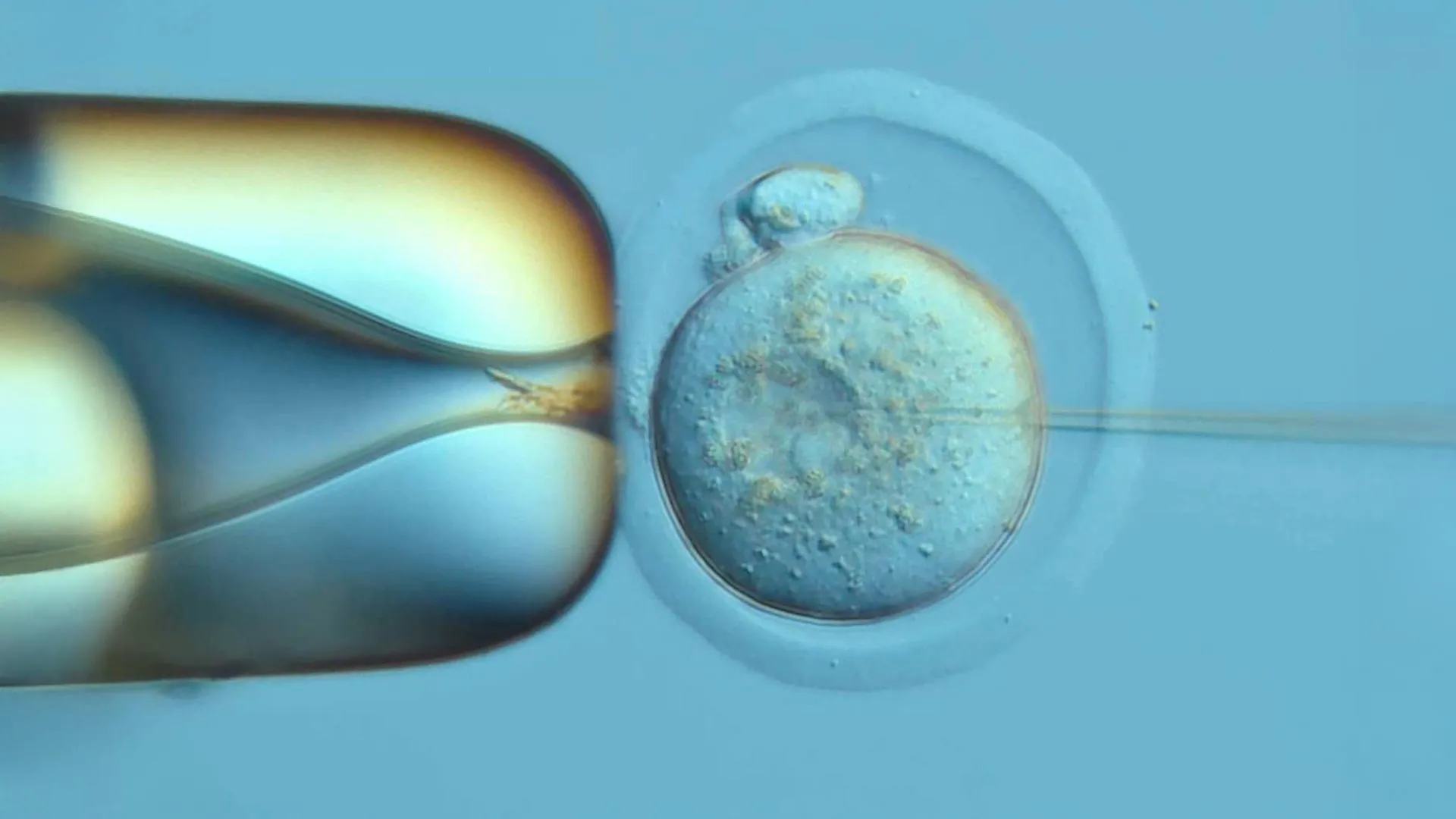
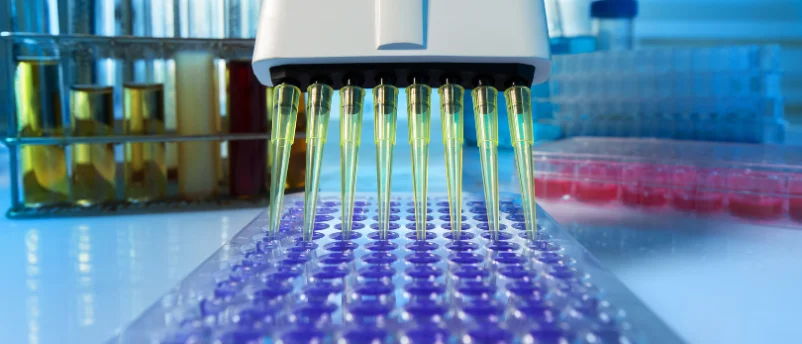
The breakthrough occurred when researchers from the Earlham Institute and the University of Oxford were stress-testing a new DNA sequencing methodology. Their goal was to improve the capability of analyzing genetic material from extremely small, singular cell samples—a task that historically proved difficult for organisms that cannot be easily cultured in laboratory settings. Dr. Jamie McGowan, then a postdoctoral scientist at the Earlham Institute, led the effort, utilizing samples collected from the Oxford University Parks in England.
What began as a technical calibration exercise quickly pivoted into a fundamental biological investigation when the team assembled the genome of the protist. They discovered that two genetic signals—ordinarily tasked with signaling the cell to cease protein production—had been repurposed to serve entirely different roles. This finding represents a significant departure from established evolutionary models, which posited that these stop signals were inextricably linked, constrained by the mechanisms of translation that have governed life on Earth for billions of years.
The Standard Model of Life’s Punctuation
To comprehend the magnitude of this discovery, one must look at the standard architecture of the genetic code. Within every living cell, DNA functions as a master repository of information. This information is transcribed into messenger RNA (mRNA), which is then processed by ribosomes. Ribosomes read these sequences in groups of three nucleotides, known as codons. Most of these codons correspond to a specific amino acid, which are then linked together like beads on a string to form complex proteins.
Crucially, this process requires "punctuation." In the universal code, three specific codons—TAA, TAG, and TGA—function as stop signals. They tell the ribosome that the protein chain is complete, prompting the release of the final molecule. Because these signals are so fundamental to protein synthesis, they were thought to be evolutionarily "locked" in their functions. In virtually every known organism, if these signals are reassigned to represent an amino acid, they change in tandem. For example, if an organism stops using TAA as a stop signal, it typically begins using it for the same amino acid as TAG, maintaining a coupled evolutionary path.
The discovery of Oligohymenophorea sp. PL0344 shatters this rule. In this organism, TAA has been reassigned to code for lysine, while TAG has been repurposed to code for glutamic acid. This is the first recorded instance of these two codons being decoupled and assigned to distinct, chemically unique amino acids.
Chronology of the Discovery and Subsequent Findings
The initial identification of this unusual genetic signature occurred during experiments conducted in 2023, with the formal results published in PLOS Genetics in October of that year. The scientific community’s reaction was one of immediate interest, as the study provided tangible evidence that the "universal" code is subject to localized, radical innovation.
Following the initial publication, the research team expanded their scope to determine if this phenomenon was an isolated quirk or part of a broader, hidden pattern of evolution. Their subsequent work, published in December 2024, surveyed other ciliate lineages to observe how these organisms manage their genetic translation. By analyzing genomic data from the TARA Oceans project—a global initiative documenting the genetic diversity of marine microbes—the researchers identified three additional uncultivated ciliate species in the Arctic and Southern Oceans. In these organisms, UAG had been repurposed to encode leucine, while UAA remained a stop signal.
This string of discoveries suggests a recurring pattern of "genetic re-engineering" among ciliates. Further research in March 2026, published in Microbial Genomics, expanded the investigation to the group known as Bodo. While this study focused more on the symbiotic relationships between protists and bacteria, it reinforced the central theme of the previous findings: there is an immense, unmapped frontier of biological diversity that remains hidden from standard, culture-based research techniques.
Analyzing the Biological Mechanisms of Adaptation
The survival of Oligohymenophorea sp. PL0344 provides a fascinating case study in cellular adaptation. If a cell reassigns its stop codons, it faces the constant risk of "read-through" errors, where the ribosome fails to stop at the end of a protein, potentially leading to the production of dysfunctional or toxic molecules.
To mitigate this, the researchers identified a higher-than-average density of TGA stop codons located immediately downstream of protein-coding regions in the organism’s genome. These act as a "safety net." If the ribosome ignores the first signal, the secondary TGA signal ensures the protein chain is terminated correctly. Furthermore, the team identified specialized transfer RNA (tRNA) genes that facilitate the translation of the reassigned TAA and TAG codons, confirming that this is an integrated, functional system rather than a deleterious mutation.
This implies that the organism has undergone a complex evolutionary transition, refining its translation machinery to support a code that is fundamentally different from that of its ancestors. The ability of these microbes to survive and thrive with such divergent genetic instructions highlights the sheer adaptability of life at the cellular level.
Broader Implications and Future Scientific Trajectory
The discovery has profound implications for several fields, most notably synthetic biology and evolutionary genomics. Synthetic biologists are currently working to design "orthogonal" organisms—cells that use modified genetic codes to produce proteins with novel properties or to provide a "genetic firewall" that prevents them from interbreeding with natural organisms. Observing that nature has already achieved these feats through simple environmental pressure provides a blueprint for how such engineering might be accomplished with greater efficiency and stability.
Moreover, the research underscores the limitations of our current genomic databases. Because most scientific focus has been on organisms that are easy to maintain in a lab setting, our understanding of "life’s rules" is heavily biased toward a narrow slice of the tree of life. Protists, which represent an incredibly diverse and ancient group of eukaryotes, are currently the "dark matter" of biology. They are defined primarily by what they are not—neither animal, plant, nor fungus—and their diversity ranges from microscopic swimmers to large, complex kelp.
Dr. McGowan has frequently emphasized that this discovery was the result of "sheer luck" combined with the application of high-throughput sequencing. The fact that such a major discovery was made while simply testing a tool highlights how much information remains trapped in environmental samples. It serves as a reminder to the scientific community that the pursuit of fundamental, curiosity-driven research—rather than only targeted, hypothesis-led inquiry—remains the most effective way to uncover paradigm-shifting truths.
Conclusion: A New Frontier of Genomic Exploration
The investigation into Oligohymenophorea sp. PL0344 is far from over. Future research aims to map the evolutionary timeline of these genetic shifts to determine exactly when and why these ciliates diverged from the standard code. Scientists are now asking whether these changes were driven by environmental stressors, such as temperature fluctuations in the Arctic and Southern Oceans, or if they represent a neutral evolutionary drift that has been allowed to persist due to the protective backup mechanisms identified in the genome.
As sequencing technology continues to drop in cost and increase in resolution, the ability to analyze single cells from remote environments will only improve. This will likely lead to the discovery of even more exotic genetic configurations. The "universal" code, it seems, is less of a rigid law and more of a flexible starting point from which life has, in its quiet, microscopic corners, been experimenting for millions of years.
For the researchers at the Earlham Institute and the University of Oxford, the message is clear: the most significant answers to the biggest questions in biology may not be found in the complex genomes of mammals, but in the unassuming, single-celled creatures living in the ponds and oceans of our own planet. As Dr. McGowan noted, the most fascinating discoveries are often those we were not even looking for, hidden in plain sight within the invisible architecture of life.