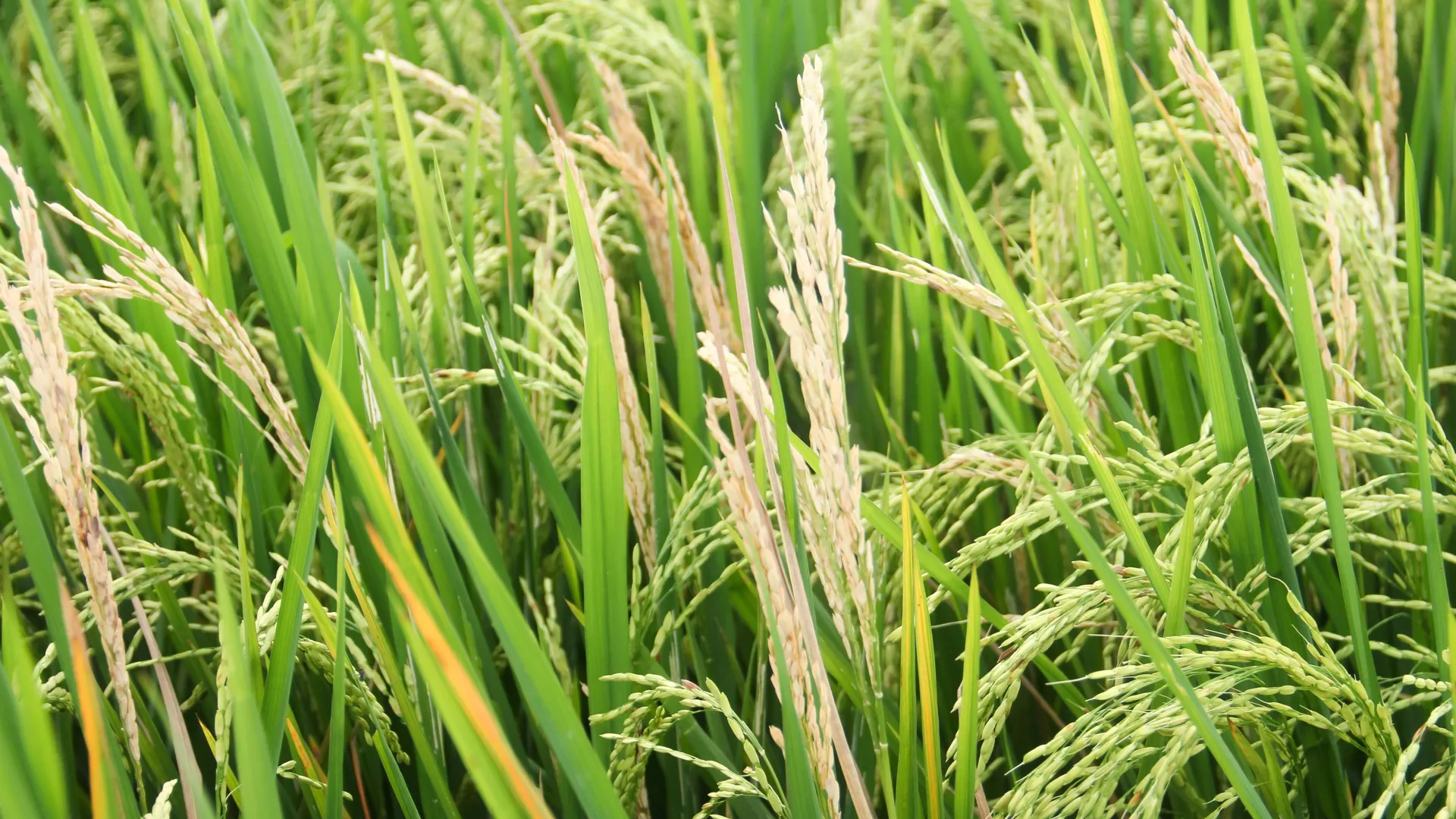
An international consortium of researchers has unveiled a transformative approach to agricultural biotechnology that could fundamentally alter the landscape of global food security. By unlocking the mechanisms of a specialized class of immune receptors in cereal crops, scientists have successfully engineered a new line of defense against Magnaporthe oryzae, the fungus responsible for the catastrophic blast disease. This breakthrough, spearheaded by the John Innes Centre in the United Kingdom in collaboration with Kobe University in Japan, offers a scalable, durable strategy to protect the world’s primary caloric staples: rice, wheat, and barley.
The research, published in the journal Science Advances, details how tandem kinase proteins (TKPs) can be reprogrammed to act as sophisticated biological sensors, enabling crops to detect and neutralize fungal pathogens that have historically evaded natural immune responses. This development represents a critical evolution in the field of crop protection, moving beyond passive resistance to a more proactive, synthetic immunological framework.
The Escalating Crisis of Blast Disease
The stakes for this research are defined by the sheer scale of the pathogen’s impact. Magnaporthe oryzae is widely considered the most destructive fungal disease affecting global cereal production. The fungus functions by infiltrating the plant’s cellular architecture, injecting "effector" proteins that dismantle the host’s metabolic functions and facilitate the spread of necrotic lesions.
Statistical data underscores the urgency of this work. Each year, rice blast outbreaks destroy approximately 60 million tons of rice—a volume sufficient to sustain 60 million people annually. In the context of a growing global population, which is projected to reach nearly 10 billion by 2050, such losses are unsustainable. Furthermore, the disease is no longer confined to traditional rice-growing regions. Since its first identification in Brazil in 1985, wheat blast has demonstrated a disturbing capacity for transcontinental migration, moving into parts of South Asia and Africa. Agricultural economists warn that if the disease were to reach major production hubs in Europe or North America, the resulting supply chain shocks could destabilize global commodity markets and exacerbate food inflation.
Chronology of Plant Immunity Research
For over three decades, the scientific community’s efforts to combat fungal pathogens were almost exclusively focused on a class of immune proteins known as Nucleotide-binding and leucine-rich receptors (NLRs). NLRs operate as the "first responders" of the plant world, triggering localized cell death—the hypersensitive response—to wall off an infection before it can disseminate.
While NLRs have been instrumental in breeding traditional disease-resistant varieties, the rapid evolutionary rate of fungi often allows them to bypass these defenses by mutating their effectors. Recognizing this limitation, researchers began to pivot toward alternative protein classes in the early 2010s. The investigation into tandem kinase proteins (TKPs) emerged as a high-potential frontier. Unlike standard receptors, TKPs feature an unusual structural architecture that includes a Heavy Metal Associated (HMA) domain. This domain, which also appears in certain NLRs, was identified by the research team as a potential "bait" site—a region that could be specifically engineered to bind to pathogen molecules.
Mechanism of Action: The Engineering Breakthrough
The team’s primary challenge was to determine if these HMA domains could be modified to broaden their recognition capabilities. Utilizing high-resolution X-ray crystallography, the researchers mapped the atomic-level interactions between the plant receptors and the fungal effectors. They discovered that the HMA domain acts as a trap; when a fungal effector attaches to the site, the plant identifies the intrusion and triggers a defense cascade.
By applying precise amino acid substitutions to these domains, the researchers achieved what is known as "dual specificity." In laboratory tests using protoplasts—isolated plant cells—the team successfully programmed the receptors to recognize two distinct fungal effectors simultaneously. This is a significant deviation from natural evolutionary patterns, where most receptors are tuned to detect a single, specific pathogen signature. The ability to "stack" recognition capabilities within a single protein structure offers a potential solution to the "arms race" between fungal evolution and crop resistance.
Official Perspectives and Academic Context
Professor Mark Banfield, the lead author from the John Innes Centre, characterized the discovery as a potential "frontline" defense mechanism. "We’ve identified a pathway that allows us to intervene on the most devastating fungal disease of cereals," Banfield stated. "By making protein-level changes, we can generate novel recognition specificities. We are essentially giving the plant a more advanced detection kit for a wider variety of threats."
Dr. Daniel Yu, the study’s first author, noted the synergy between this new discovery and existing agricultural technologies. "Our findings indicate that the genetic toolkit we developed for NLR receptors is largely compatible with this new class of TKPs," Yu explained. "This is significant because it means we can potentially integrate these defenses into existing breeding programs without requiring entirely new infrastructure."
Independent experts in plant pathology have noted that while the research is in its preliminary stages, the potential for "gene stacking" is the most compelling aspect of the findings. By combining the immune activation pathways of NLRs and TKPs, breeders may be able to create "multi-layered" resistance. Because these two protein classes operate through different physiological mechanisms, a fungus would theoretically need to evolve multiple, simultaneous mutations to overcome the plant’s defenses—a task that is statistically improbable for most pathogens.
Broader Implications for Agriculture
The transition from laboratory protoplasts to greenhouse trials represents the next phase of this research. While the results in isolated cells are robust, the complex environment of a whole plant—with its varying environmental stresses, light exposure, and soil interactions—will provide the true test for the efficacy of these engineered receptors.
The implications for global trade and food security are profound. Should these TKP-based defenses prove effective in field conditions, the agricultural sector could see a shift toward "precision breeding." Instead of relying on broad-spectrum fungicides, which are becoming increasingly restricted due to environmental and regulatory concerns, farmers could cultivate varieties that are inherently capable of identifying and rejecting multiple fungal strains.
Furthermore, the integration of artificial intelligence into this workflow is already underway. Predictive modeling can assist scientists in simulating how different amino acid configurations in the HMA domain will react to future mutations in the fungus. This proactive approach—designing defenses based on projected pathogen evolution—is a paradigm shift from the traditional "react and recover" method of agricultural management.
Assessing the Path Forward
Despite the enthusiasm surrounding these findings, the research team remains cautious. The deployment of genetically engineered crops is subject to stringent regulatory frameworks across different jurisdictions, particularly in the European Union and parts of Asia. The timeline for bringing such crops from the laboratory to the commercial market typically spans a decade or more, accounting for rigorous safety testing and multi-year field trials.
Furthermore, the environmental impact of climate change remains a wild card. Rising global temperatures are shifting the geographical range of many fungal pathogens, creating new selection pressures. As these fungi migrate into temperate zones, the demand for resilient, disease-resistant crop varieties will only intensify.
In conclusion, the work led by the John Innes Centre and Kobe University provides a necessary technological leap. By transforming the plant’s natural immune receptors into customizable, high-specificity sensors, scientists are providing a robust, sustainable, and highly flexible shield for the global food supply. As the team moves toward whole-plant validation, the global agricultural community will be watching closely, as the success of these engineered proteins could prove to be the difference between localized crop failure and widespread food security in the decades to come.