The intersection of dietary habits and medical interventions has long been a subject of intense scientific scrutiny, particularly concerning the delicate ecosystem of the human gut microbiome. New research published in the journal Nature provides compelling evidence that the intake of simple sugars—fructose, glucose, and sucrose—can significantly amplify the damaging effects that antibiotic treatments have on the intestinal microbial community. For vulnerable populations, such as patients undergoing stem cell transplants for blood-related cancers, this discovery suggests that nutritional management may be a critical, yet overlooked, component of clinical recovery and infection prevention.
The Microbiome Under Siege
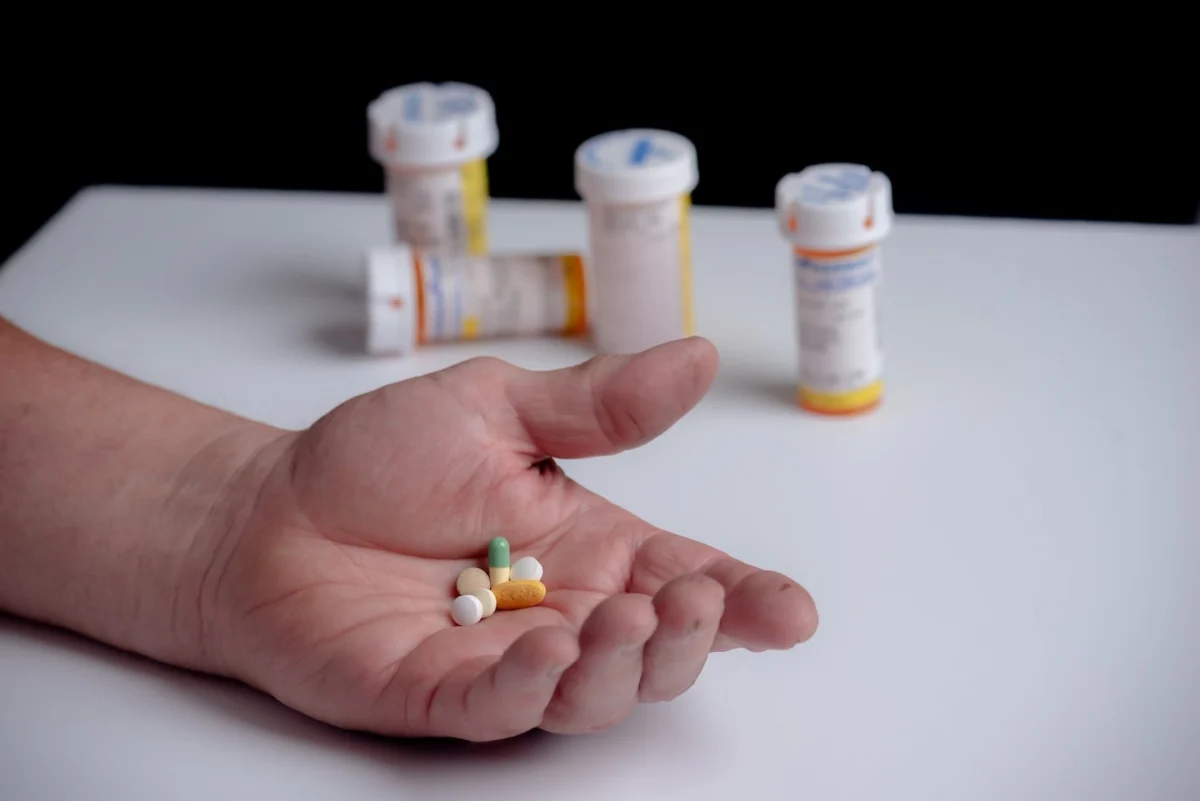
The human gut is home to trillions of microorganisms that play a vital role in immune function, nutrient absorption, and the prevention of colonization by pathogenic bacteria. Antibiotics, while life-saving tools for treating bacterial infections, are indiscriminate in their action; they often eradicate both harmful and beneficial bacteria, leading to a state of dysbiosis. This reduction in microbial diversity can leave the body susceptible to opportunistic infections, some of which are resistant to standard medical treatments.
For patients battling leukemia, lymphoma, or other blood cancers, the standard of care often involves intensive chemotherapy and stem cell transplants. These procedures necessitate the use of heavy-duty antibiotic regimens to prevent life-threatening infections. It is within this clinical environment that researchers from NYU Langone Health identified a problematic synergy: the combination of antibiotic usage and a high-sugar diet acts as a "double hit" to the gut microbiome.
Methodology and Data Collection
The study, led by microbiologist Jonas Schluter, bypassed the common limitations of diet-based microbiome research. Typically, studies rely on self-reported dietary logs, which are notoriously prone to recall bias and inaccuracy. By focusing on 173 patients hospitalized for blood-forming stem cell transplants, the team utilized the hospital’s standardized meal delivery system. This provided researchers with precise, gram-level data on the patients’ actual food intake over the course of their treatment.
Over the observation period, the team tracked more than 9,000 individual meals. By cross-referencing this intake data with serial stool samples collected from the patients, the researchers established a direct correlation between nutrient consumption and bacterial community shifts. The findings were stark: for every 100 grams of sugar consumed—an amount roughly equivalent to 2.5 cans of a standard soda—the patients exhibited a 24 percent reduction in overall gut bacterial diversity within the subsequent 48 hours.
The Rise of Opportunistic Pathogens
The study’s most concerning finding involved the rapid expansion of Enterococcus bacteria. In a healthy gut, these bacteria are typically kept in check by a diverse array of microbial competitors. However, when antibiotics clear the landscape of beneficial organisms, and simple sugars provide a "universal fuel," Enterococcus species can bloom unchecked.
This expansion is clinically significant because many strains of Enterococcus are inherently resistant to common antibiotics, including vancomycin. Infections caused by these drug-resistant strains are notoriously difficult to treat, often resulting in prolonged hospital stays, increased patient morbidity, and higher mortality rates. The researchers likened the process to a forest fire: after antibiotics have already "burned" the complex ecosystem of the gut, the introduction of sugar acts as an accelerant, preventing the natural recovery of the microbial population and favoring the dominance of hardy, dangerous pathogens.
Validation Through Controlled Models
To confirm that the observed trends were not merely coincidental, the research team conducted parallel experiments in mouse models. By exposing mice to standard versus sucrose-rich diets in conjunction with a single dose of antibiotics, the scientists observed a consistent result: the high-sugar environment facilitated a significantly larger surge in enterococcal abundance compared to the control group. This cross-species verification strengthens the hypothesis that sugar intake is a primary driver of post-antibiotic dysbiosis, suggesting a fundamental biological mechanism that likely extends beyond the oncology ward.
Broader Clinical Implications
The implications of this research extend far beyond the specific patient cohort studied. Millions of people globally are prescribed antibiotics every year for conditions ranging from routine dental work to respiratory infections. If, as the study suggests, the metabolic availability of sugar dictates the resilience of the gut microbiome, then current post-antibiotic recovery protocols may be insufficient.
Nutrition scientists, including Sarah Berry of King’s College London, have noted that while the study focuses on a specific high-risk group, the findings should prompt a re-evaluation of dietary advice given to patients undergoing long-term antibiotic therapy. Reducing sugar intake could potentially serve as a non-pharmacological intervention to protect the gut microbiome, allowing beneficial bacteria to recover more quickly once the antibiotic course is completed.
A New Frontier in Microbiome Research
Historically, the medical community has viewed the gut microbiome as a relatively static entity that recovers automatically once a drug course ends. However, the work of Schluter and his colleagues suggests that the "recovery" phase is highly sensitive to the patient’s immediate nutritional environment.
The research also highlights a growing consensus in gastroenterology and immunology: that the "black box" of diet is no longer acceptable in clinical studies. As medical technology improves, the ability to monitor the "metabolic landscape" of the gut will likely become a standard part of patient care. By mapping the exact nutrient requirements of specific bacterial populations, clinicians may one day be able to prescribe "precision diets" to patients on antibiotics to ensure the survival of protective commensal microbes.
Future Directions and Challenges
While the findings are compelling, the research team acknowledges that further clinical trials are necessary to translate these observations into formal medical guidelines. Questions remain regarding the impact of different types of sugars, the influence of dietary fiber, and whether pre-existing gut conditions significantly alter the response to sugar intake.
Furthermore, there is the challenge of patient compliance. In a hospital setting, controlling meals is feasible; in the outpatient setting, where patients are recovering from illness and often crave comfort foods, adhering to a low-sugar diet may be psychologically and practically difficult.
"You need to take antibiotics to fight infections, but you should also be aware that they have side effects to the microbiome," says Schluter. The ultimate goal, he asserts, is not to suggest that patients should fear antibiotic treatment, but to develop comprehensive strategies—including dietary modification—to mitigate the collateral damage to the body’s internal ecology.
Conclusion
The study published in Nature serves as a critical reminder of the complex interplay between modern medicine and human biology. As the medical field continues to grapple with the rise of antibiotic resistance and the long-term consequences of microbiome disruption, simple dietary changes may prove to be a powerful tool in the arsenal of patient care. By understanding that what we feed our bodies also feeds our bacteria, healthcare providers can better protect patients, potentially turning the tide against the opportunistic pathogens that thrive in the wake of antibiotic use. Future research will undoubtedly focus on whether these findings can be replicated in broader populations and if dietary intervention can truly serve as a standardized approach to maintaining gut health during medical crises.