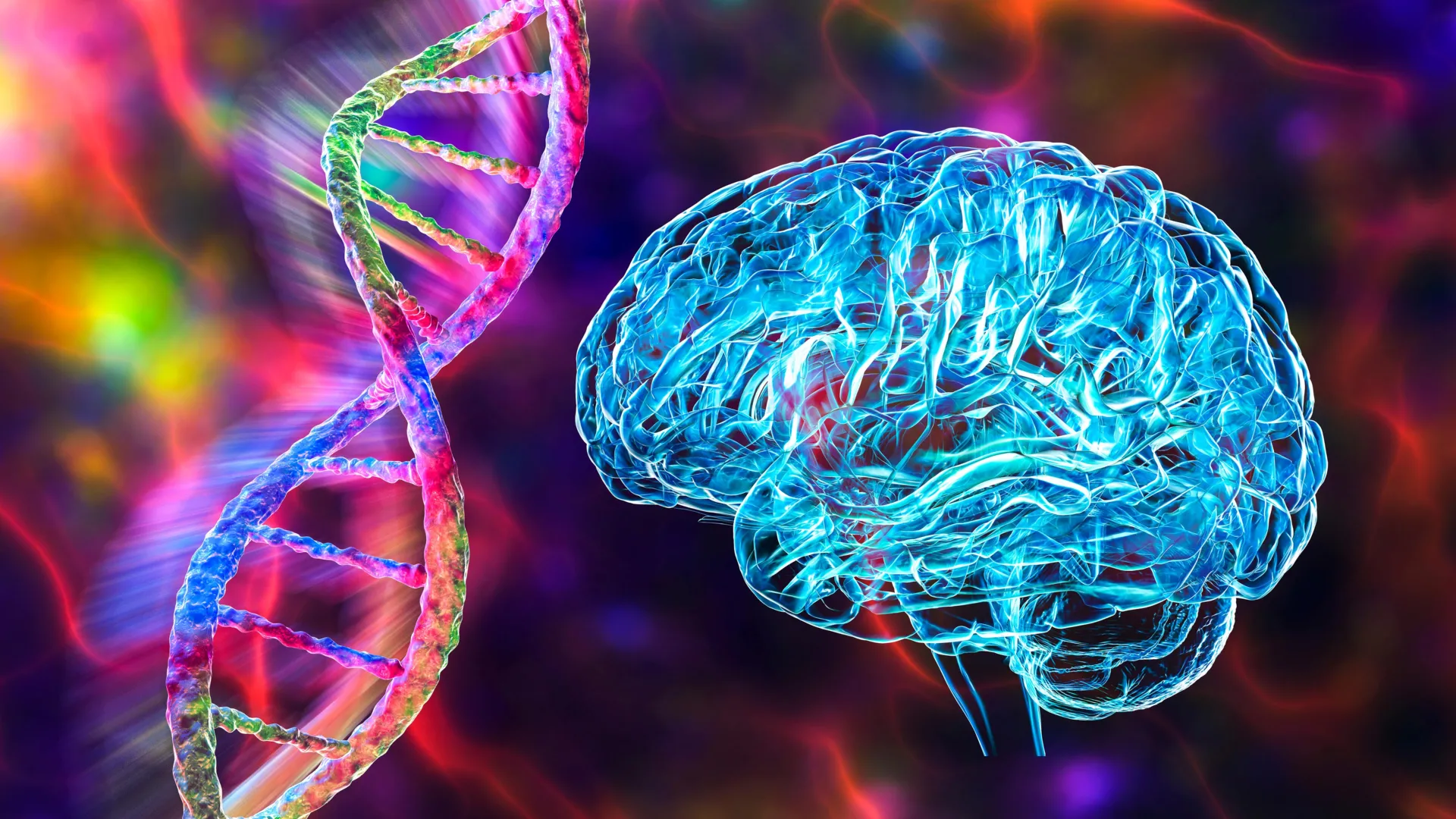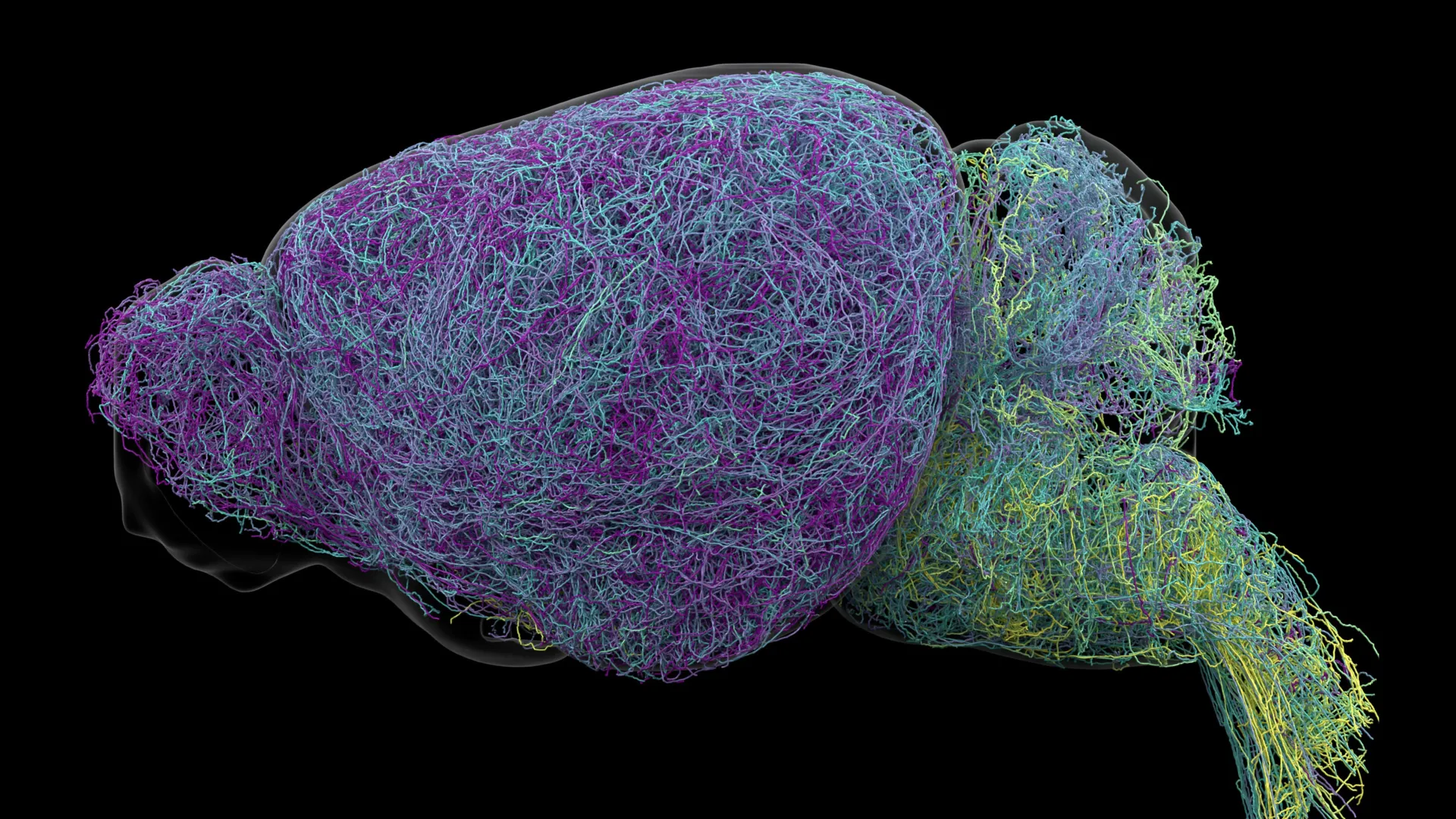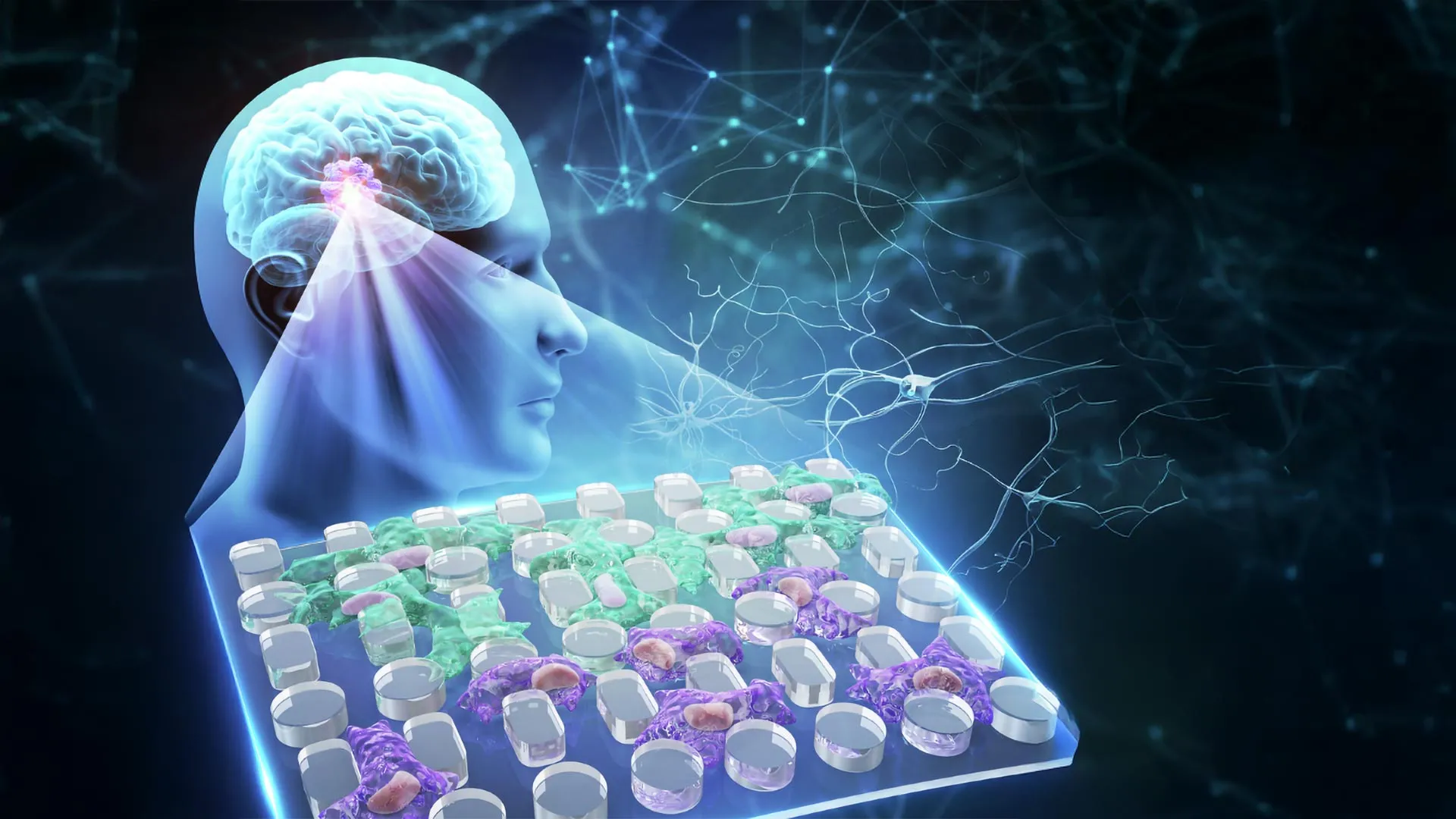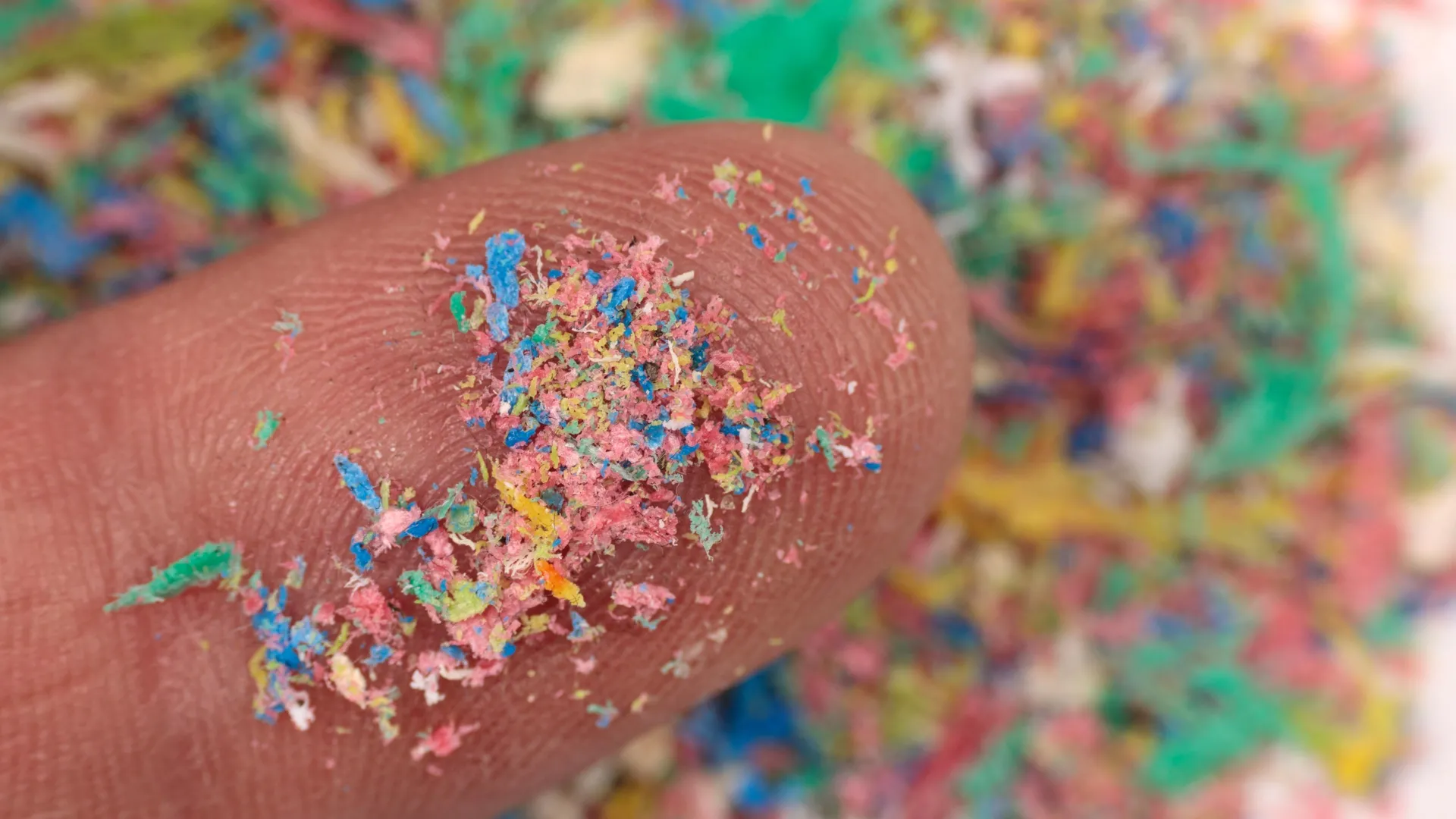
The global escalation of plastic pollution has long been recognized as a primary threat to marine ecosystems and environmental stability, yet a growing body of scientific evidence is now shifting the focus toward a more intimate and alarming frontier: the human brain. A comprehensive systematic review, led by an international coalition of researchers from the University of Technology Sydney (UTS) and Auburn University in the United States, has identified a direct correlation between the accumulation of microplastics and the progression of devastating neurodegenerative conditions, including Alzheimer’s and Parkinson’s disease. Published in the journal Molecular and Cellular Biochemistry, the study outlines five distinct biological mechanisms through which these microscopic synthetic fragments may trigger chronic inflammation, cellular energy failure, and the eventual death of neurons.
As the global population ages, the prevalence of dementia has reached a critical juncture. Currently affecting more than 57 million people worldwide, the number of individuals diagnosed with neurodegenerative disorders is projected to triple by 2050. While genetics and lifestyle factors have traditionally dominated the discourse on brain health, the UTS-led research suggests that environmental pollutants—specifically microplastics—may be an overlooked catalyst in the accelerating "dementia epidemic." The possibility that these ubiquitous particles could worsen or speed up the onset of such disorders raises profound public health concerns, necessitating a re-evaluation of plastic consumption and waste management policies on a global scale.
The Scale of Human Exposure and Ingestion
The ubiquity of plastic in the modern world means that human exposure is no longer a matter of if, but to what degree. Associate Professor Kamal Dua, a pharmaceutical scientist at the University of Technology Sydney and a leading voice in the study, provides a sobering estimate of human intake. He suggests that the average adult consumes approximately 250 grams of microplastics annually—a mass roughly equivalent to the weight of a standard ceramic dinner plate. This ingestion occurs through a multifaceted array of pathways that permeate daily life.
"We ingest microplastics from a wide range of sources including contaminated seafood, salt, processed foods, tea bags, plastic chopping boards, drinks in plastic bottles, and food grown in contaminated soil," Associate Professor Dua explained. Beyond ingestion, inhalation serves as a secondary route of entry. Plastic fibers shed from synthetic clothing, carpets, and household dust are frequently inhaled, finding their way into the respiratory system and, potentially, the bloodstream. Common polymers identified in human tissue include polyethylene (used in bags and packaging), polypropylene (used in containers), polystyrene (used in foam and cutlery), and polyethylene terephthalate, commonly known as PET. While the human body possesses mechanisms to clear some foreign debris, the study emphasizes that a significant portion of these microplastics accumulate in vital organs, including the liver, kidneys, and the brain.
A Chronology of Plastic Proliferation and Health Research
The journey from the invention of modern plastics to their discovery in the human brain spans less than a century. In the 1950s, global plastic production stood at approximately 1.5 million tons per year. By 2022, that figure had surged to nearly 400 million tons annually. For decades, the primary concern regarding plastic waste was physical: the entanglement of wildlife or the clogging of waterways. However, the early 2000s marked a shift in scientific inquiry as researchers began to identify "microplastics"—defined as particles smaller than five millimeters—in remote oceanic regions.
By the mid-2010s, the focus moved from the environment to the food chain. Studies confirmed the presence of microplastics in commercial fish and shellfish. By 2018, the first evidence of microplastics in human stool samples was presented at a gastroenterology conference in Vienna. Since then, the timeline of discovery has accelerated. In 2022, microplastics were detected in human blood and deep lung tissue for the first time. The current UTS and Auburn University study represents the next phase of this chronological progression: moving beyond the detection of particles to understanding the specific molecular pathways by which they damage the central nervous system.
The Five Biological Pathways of Brain Damage
The international research team identified five key biological "highways" through which microplastics exert their neurotoxic effects. These pathways often interact, creating a cumulative cycle of damage that is difficult for the brain to repair.
1. Disruption of the Blood-Brain Barrier (BBB)
The blood-brain barrier is a highly selective semipermeable border of endothelial cells that prevents solutes in the circulating blood from non-selectively crossing into the extracellular fluid of the central nervous system. It is the brain’s primary defense against toxins and pathogens. The study found that microplastics physically and chemically weaken this barrier, making it "leaky." Once the integrity of the BBB is compromised, inflammatory molecules and immune cells from the rest of the body can flood the brain, leading to widespread neuroinflammation.
2. Activation of Brain Immune Cells
The brain possesses its own specialized immune cells, known as microglia. When microplastics bypass the BBB, the brain recognizes them as foreign intruders. This triggers a chronic state of microglial activation. While intended to protect the brain, prolonged activation causes these cells to release pro-inflammatory cytokines, which, over time, destroy healthy neurons and disrupt the neural networks essential for memory and motor control.
3. Induction of Oxidative Stress
Oxidative stress occurs when there is an imbalance between free radicals (reactive oxygen species) and antioxidants in the body. Microplastics drive this imbalance in two ways: they directly increase the production of unstable molecules that damage cellular DNA and proteins, and they simultaneously deplete the body’s natural antioxidant defenses. This "double-edged sword" of oxidative stress is a hallmark of the early stages of Alzheimer’s disease.
4. Interference with Mitochondrial Function
Mitochondria are the "powerhouses" of the cell, responsible for producing adenosine triphosphate (ATP), the primary energy currency of life. The UTS research highlights how microplastic particles can penetrate cellular membranes and interfere with mitochondrial respiration. This results in an energy shortfall. Because neurons are among the most energy-demanding cells in the body, a reduction in ATP supply leads to weakened neuronal activity and, eventually, cell death.
5. Direct Neuronal Damage and Protein Aggregation
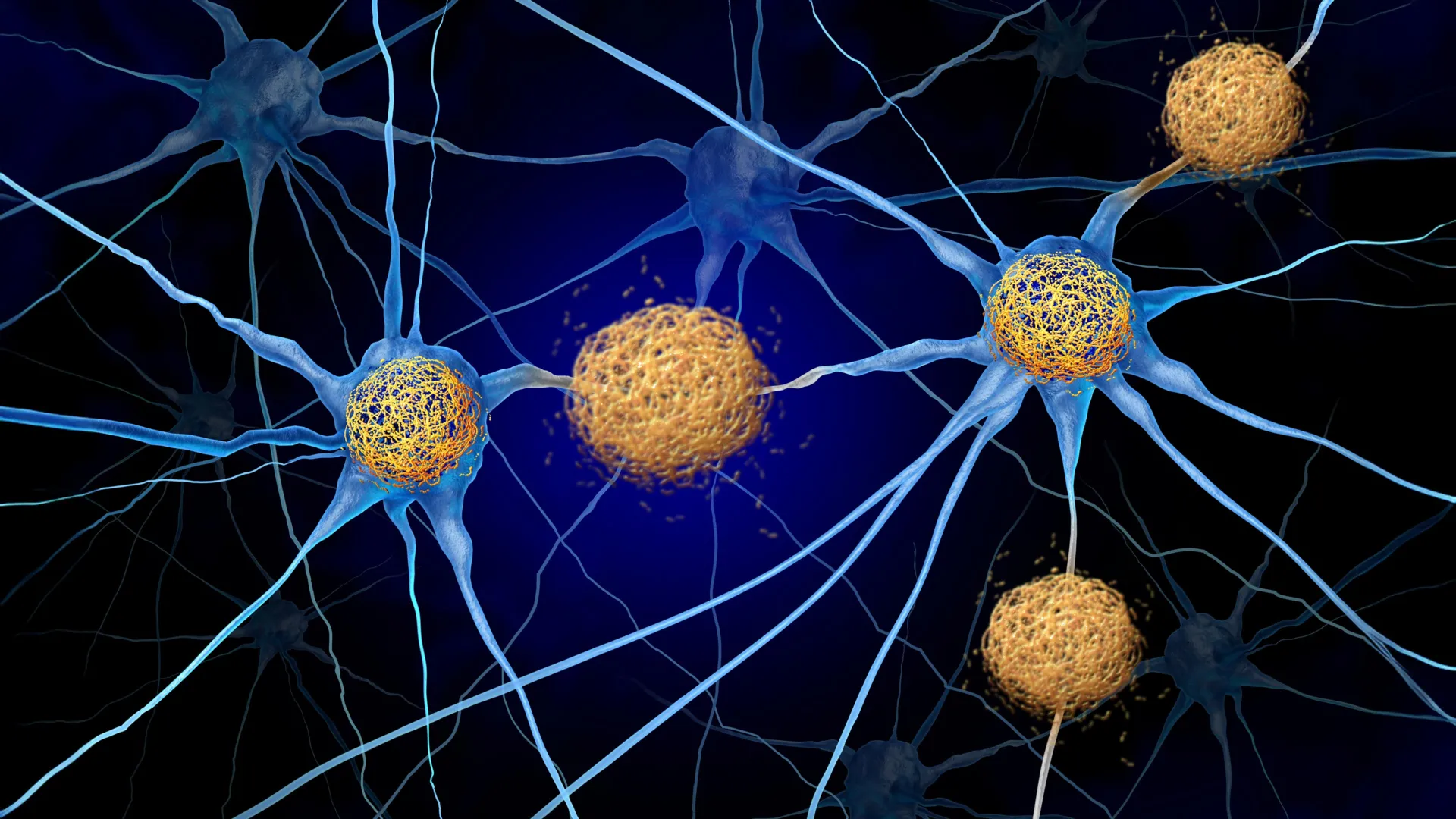
The study provides a detailed analysis of how microplastics interact with the proteins associated with neurodegeneration. In the context of Alzheimer’s disease, microplastics may act as a scaffold or "seed" that encourages the misfolding and buildup of beta-amyloid and tau proteins. In Parkinson’s disease, the presence of synthetic particles appears to promote the aggregation of α-Synuclein, a protein that forms the Lewy bodies characteristic of the disease, while specifically harming dopaminergic neurons—the cells responsible for movement and coordination.
Supporting Data: The Economic and Social Burden
The implications of this research are underscored by the staggering statistics surrounding neurodegenerative diseases. In the United States alone, the cost of caring for people with Alzheimer’s and other dementias is estimated to reach $360 billion in 2024. Globally, the economic impact exceeds $1.3 trillion. If environmental factors like microplastics are indeed accelerating the progression of these diseases, the future healthcare burden could exceed all current projections.
Furthermore, environmental data suggests the problem will worsen before it improves. Current estimates suggest that there are over 170 trillion plastic particles floating in the world’s oceans. As these larger pieces of debris break down into smaller and smaller fragments through UV exposure and mechanical wave action, the concentration of microplastics and even smaller "nanoplastics" (which can more easily enter the brain) is expected to rise exponentially.
Institutional Collaboration and Future Research
The findings are the result of a high-level collaboration involving UTS Master of Pharmacy student Alexander Chi Wang Siu, who is currently conducting laboratory work at Auburn University under the supervision of Professor Murali Dhanasekaran. The team also includes Dr. Keshav Raj Paudel and Distinguished Professor Brian Oliver from UTS. This interdisciplinary approach—combining pharmacy, engineering, and environmental science—is essential for tackling a pollutant that crosses so many biological boundaries.
Dr. Paudel, a visiting scholar in the UTS Faculty of Engineering, is currently expanding this research to look at the inhalation pathway. Earlier UTS studies have already mapped how microplastics settle in different regions of the human lungs. The current objective is to determine if inhaled plastics can travel directly from the nasal cavity to the brain via the olfactory nerve, bypassing the traditional circulatory system entirely.
Recommendations for Risk Mitigation
While the researchers emphasize that more longitudinal human studies are required to establish a definitive causal link between plastic ingestion and the onset of Alzheimer’s, they argue that the current evidence is sufficient to warrant immediate precautionary action. Dr. Paudel and Associate Professor Dua recommend several practical steps for individuals to reduce their daily exposure:
- Avoid Plastic in the Kitchen: Replace plastic cutting boards with wood or bamboo alternatives, as the act of slicing creates thousands of microplastic shards. Avoid heating food in plastic containers, which facilitates the leaching of polymers into food.
- Dietary Adjustments: Reduce the consumption of highly processed and packaged foods, which often have higher concentrations of microplastics due to the manufacturing process.
- Natural Textiles: Choose clothing made from natural fibers like cotton, wool, or linen. Synthetic fabrics like polyester and nylon shed millions of microfibers during washing and wearing.
- Laundry Habits: Avoid the use of tumble dryers when possible, or use specialized filters, as dryers are a significant source of airborne microplastic fibers.
Broader Implications for Environmental Policy
The research concludes with a call to action for policymakers. The scientists argue that the "plastic crisis" can no longer be viewed solely through the lens of environmental conservation; it is a burgeoning public health emergency. They hope their findings will provide the scientific basis for stricter regulations on plastic production, improved filtration technologies for wastewater treatment plants, and international treaties aimed at reducing the global reliance on single-use synthetics.
As the scientific community continues to peel back the layers of how microplastics interact with human biology, the UTS and Auburn University study serves as a critical warning. The "plastic age" has provided humanity with unprecedented convenience, but the hidden cost may be the long-term health and integrity of the human brain. Reducing the "plastic footprint" is no longer just about saving the oceans—it is about protecting the cognitive future of the global population.