New scientific evidence published in the prestigious journal Gastroenterology has established a definitive link between early life adversity and the development of chronic gastrointestinal issues in adulthood. The comprehensive study, led by researchers at the NYU College of Dentistry’s Pain Research Center, suggests that stressors experienced during critical developmental windows—ranging from maternal depression during pregnancy to childhood neglect—can fundamentally rewire the communication pathways between the brain and the gut. By utilizing a dual-track approach that combined controlled animal models with expansive longitudinal human data, the research team identified specific biological mechanisms, including alterations in the sympathetic nervous system and serotonin signaling, that drive these lifelong health outcomes.
The findings arrive at a time when the medical community is increasingly recognizing the "gut-brain axis" as a primary regulator of systemic health. While previous clinical observations had hinted at a correlation between psychological trauma and functional gastrointestinal disorders (FGIDs), the NYU study provides a granular look at the "how" and "why" behind this connection. The research underscores that the physical manifestations of stress are not merely psychosomatic but are rooted in permanent physiological changes to the nervous system and gut motility.
The Biological Architecture of the Gut-Brain Axis
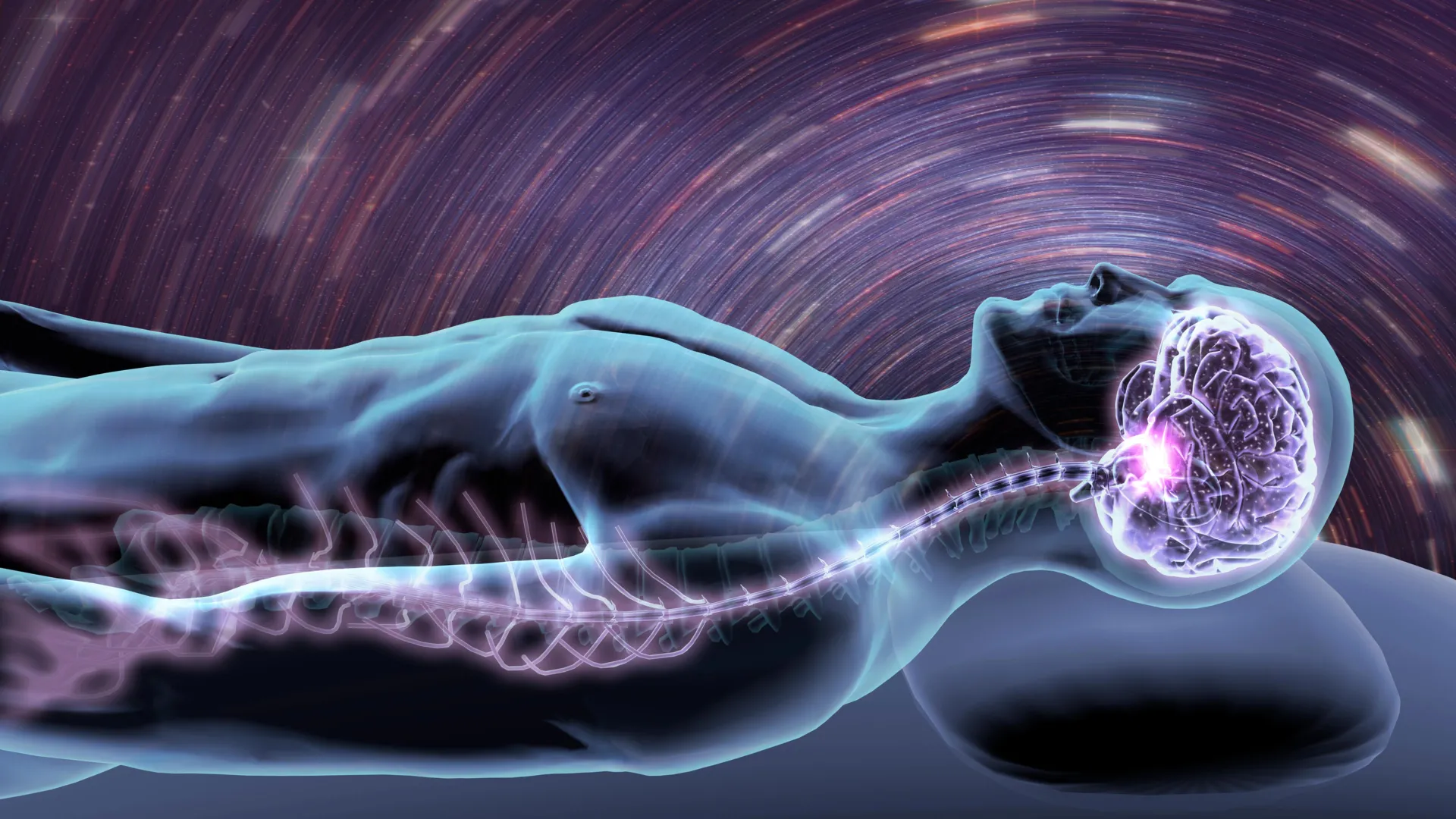
The human digestive system is often referred to as the "second brain" due to the enteric nervous system (ENS), a complex network of millions of neurons governing gastrointestinal function. This system does not operate in isolation; it maintains a constant, bidirectional dialogue with the central nervous system (CNS). Under normal conditions, this communication ensures smooth digestion, nutrient absorption, and immune response. However, when a child experiences significant stress, this dialogue is disrupted.
"Our research shows that these stressors can have a real impact on a child’s development and may influence gut issues long-term," explained Kara Margolis, the study’s lead author and director of the NYU Pain Research Center. Margolis, who also holds professorships at the NYU Grossman School of Medicine and the NYU College of Dentistry, emphasized that the brain and gut communicate 24 hours a day. When the brain is subjected to chronic stress during its formative stages, the gut inevitably mirrors that impact.
The study highlights that early life stress (ELS) acts as a catalyst for Disorders of Gut-Brain Interaction (DGBI), a category of illnesses that includes irritable bowel syndrome (IBS), functional dyspepsia, and chronic constipation. These conditions are characterized by symptoms like abdominal pain and motility issues, which occur despite the absence of structural abnormalities in the digestive tract.
Experimental Evidence: Insights from Mouse Models
To isolate the biological variables involved, the research team conducted a series of experiments using mouse models designed to simulate early life adversity. Newborn mice were subjected to "maternal separation," a process where they were removed from their mothers for several hours daily during their first weeks of life.
When these mice reached the equivalent of young adulthood, the researchers observed a marked increase in anxiety-like behaviors and significant gastrointestinal dysfunction. Notably, the study revealed a fascinating divergence in symptoms based on biological sex. Female mice were predisposed to develop diarrhea-predominant symptoms, whereas male mice were more likely to suffer from constipation. Despite these differing motility patterns, both sexes exhibited heightened sensitivity to visceral pain.
Further investigation into the underlying biology revealed that different symptoms are governed by distinct pathways:
- Sympathetic Nervous System (SNS): The researchers discovered that disrupting sympathetic nerve signaling—the "fight or flight" response—effectively mitigated motility issues (diarrhea and constipation) but had no impact on pain levels.
- Sex Hormones: Experimental data showed that sex hormones influenced the perception of pain but did not appear to play a role in gut movement.
- Serotonin Pathways: Serotonin, a neurotransmitter of which 95% is produced in the gut, was found to be a common denominator, influencing both pain and motility across the board.
These findings suggest that a "one-size-fits-all" treatment for IBS or other gut-brain disorders is likely ineffective. Instead, clinicians may need to tailor treatments based on the specific symptoms and the biological pathways involved.
Validating Results Through Large-Scale Human Cohorts
The animal findings were corroborated by two massive human studies, providing a robust bridge from the laboratory to clinical reality. The first human component involved a longitudinal analysis of more than 40,000 children in Denmark, tracked from birth through age 15.
The Danish data focused specifically on the impact of maternal depression. Children born to mothers with untreated depression during or immediately after pregnancy were found to have a significantly higher risk of developing a spectrum of digestive conditions, including functional constipation, nausea, vomiting, and infantile colic.
The study also addressed a critical pharmaceutical nuance: the role of antidepressants. Previous research had indicated that children of mothers who took Selective Serotonin Reuptake Inhibitors (SSRIs) during pregnancy were more likely to be diagnosed with functional constipation. However, the new NYU study clarifies that the risks associated with untreated depression are even more profound.
"This suggests that mothers experiencing depression should be treated during pregnancy," Margolis noted. "This finding also reinforces our commitment to developing antidepressants that do not reach the placenta—a focus of many of our studies right now."
The second human study utilized data from the Adolescent Brain Cognitive Development (ABCD) study, the largest long-term study of brain development and child health in the United States. Researchers analyzed records from nearly 12,000 children aged nine and 10, looking for links between Adverse Childhood Experiences (ACEs)—such as physical abuse, emotional neglect, and household instability—and gastrointestinal health.
The results were unequivocal: any form of early life stress was associated with a statistically significant increase in gastrointestinal problems. Interestingly, while the mouse models showed sex-based differences in motility, the human data at ages nine and 10 showed similar digestive outcomes for both boys and girls. This suggests that the divergence in symptoms might emerge later in human development, potentially triggered by the hormonal shifts of puberty.
Clinical Implications and the Need for Trauma-Informed Care
The implications of this research are far-reaching for the fields of pediatrics, gastroenterology, and psychiatry. For decades, patients with chronic gut pain were often told their symptoms were "all in their head." This study provides the biological evidence to prove that while the symptoms may originate from the brain’s response to stress, the resulting physical changes in the gut are very real.
Medical professionals are now being encouraged to adopt a more holistic, trauma-informed approach to gastrointestinal health. "When patients come in with gut problems, we shouldn’t just be asking them if they are stressed right now; what happened in your childhood is also a really important question," said Margolis.
By integrating a patient’s developmental history into their clinical profile, doctors can better understand the underlying mechanisms of their DGBI. For example, a patient with a history of early childhood trauma might benefit more from treatments targeting the sympathetic nervous system or serotonin regulation than from standard dietary changes alone.
Broader Socio-Economic Impact
Beyond individual health, the link between early life stress and chronic gut issues has significant socio-economic consequences. Disorders of gut-brain interaction are among the leading causes of school and work absenteeism globally. The economic burden of IBS alone is estimated in the billions of dollars annually due to healthcare costs and lost productivity.
Furthermore, the study highlights the urgent need for improved maternal mental health services. By treating depression in pregnant women and supporting families facing adversity, society may be able to prevent a generation of chronic health issues. The research serves as a call to action for policymakers to prioritize early intervention programs and mental health resources as a form of long-term preventative medicine.
Future Research Directions
While the NYU study provides a comprehensive overview, it also opens new doors for inquiry. The research team is currently focused on several follow-up objectives:
- Placenta-Safe Medications: Developing new classes of antidepressants that can manage maternal mental health without crossing the placental barrier, thereby protecting the developing fetal gut-brain axis.
- Longitudinal Tracking of the ABCD Cohort: Following the 12,000 US children through adolescence to see if sex-based differences in gut symptoms (like those seen in the mice) emerge after puberty.
- Targeted Therapies: Testing whether pharmacological interventions that target specific sympathetic nerve pathways can provide relief for patients with refractory motility disorders.
The collaborative effort involved a diverse team of researchers from NYU, Columbia University, and the University of Southern Denmark, supported by the National Institutes of Health (NIH) and the Department of Defense. This multidisciplinary approach reflects the complexity of the gut-brain axis and the necessity of crossing traditional medical silos to solve chronic health puzzles.
In conclusion, the study published in Gastroenterology transforms our understanding of chronic digestive illness. It moves the conversation from symptom management to developmental prevention, proving that the environment of our earliest years leaves a permanent biological footprint on our physical health. As science continues to untangle the threads of the gut-brain connection, the path toward more precise, empathetic, and effective treatments becomes increasingly clear.