Alzheimer’s disease remains one of the most significant challenges to modern medicine, currently affecting an estimated 7.2 million Americans age 65 and older. As the population ages, this number is projected to rise sharply, placing an unprecedented burden on healthcare systems and caregivers. For decades, the gold standard for diagnosing this neurodegenerative condition has relied on identifying the presence and concentration of specific proteins—namely amyloid beta (Aβ) and phosphorylated tau (p-tau)—in a patient’s blood or cerebrospinal fluid. However, a groundbreaking study from Scripps Research, published in Nature Aging on February 27, 2026, suggests that the key to earlier and more accurate detection may not lie in how much of a protein is present, but rather in how those proteins are shaped.
The research team, led by senior author John Yates, a professor at Scripps Research, has introduced a diagnostic approach that shifts the focus toward protein folding and structural integrity within the bloodstream. By analyzing the "conformational landscape" of plasma proteins, the scientists were able to distinguish between cognitively healthy individuals and those suffering from Alzheimer’s or mild cognitive impairment (MCI) with remarkable precision. This shift from quantitative analysis to structural analysis represents a potential sea change in how neurodegenerative diseases are monitored and treated.
The Biological Foundation: Proteostasis and Protein Folding
To understand the significance of this new blood test, one must look at the underlying biology of neurodegeneration. Many diseases of the brain are characterized by the "misfolding" of proteins. In a healthy body, a complex system known as proteostasis ensures that proteins are synthesized, folded into the correct three-dimensional shapes, and eventually degraded when they are no longer functional. This system acts as a quality control mechanism, preventing the accumulation of "junk" proteins that can interfere with cellular function.
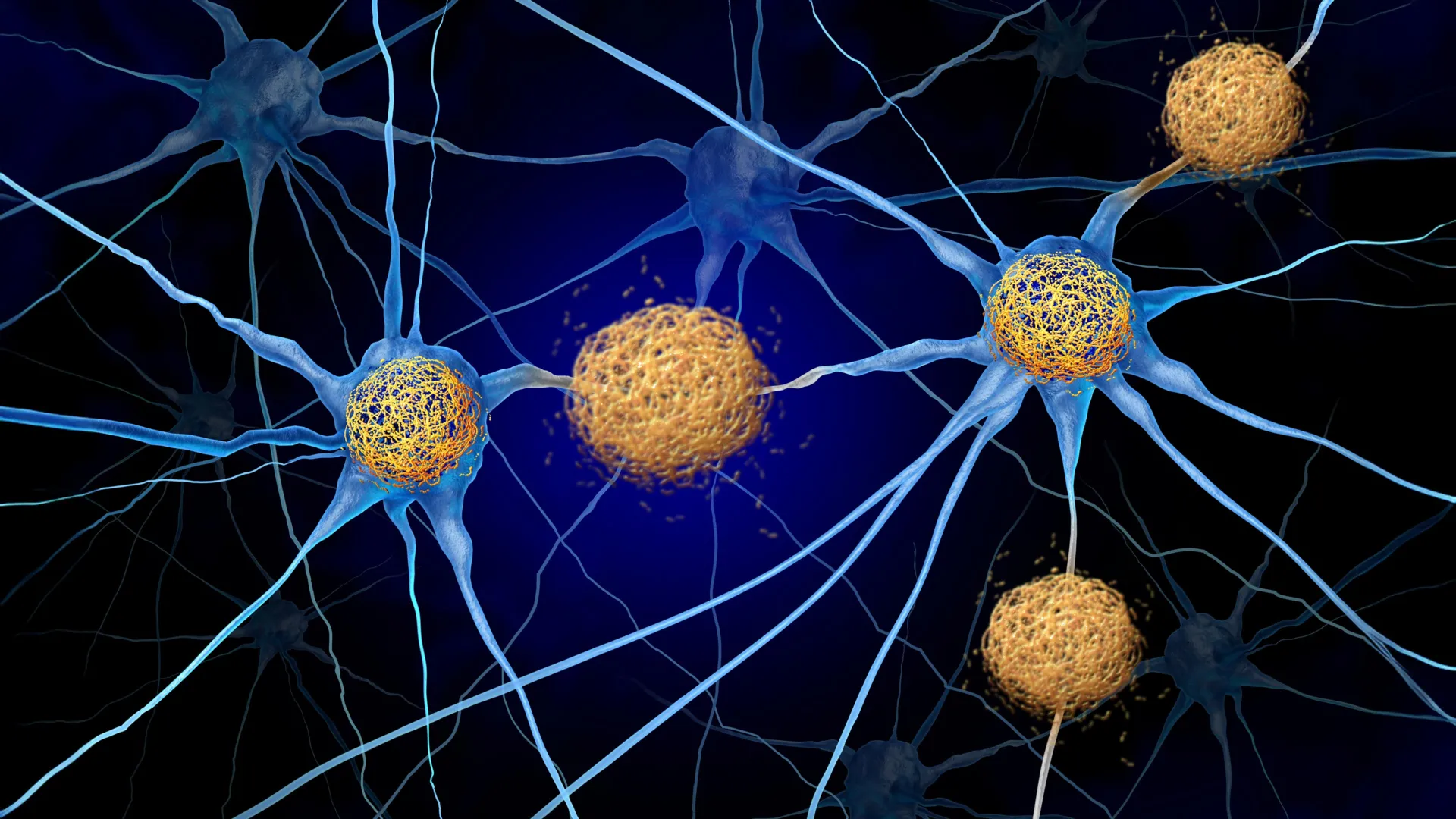
As the human body ages, the efficiency of the proteostasis network begins to decline. When proteins fail to fold correctly, they can become toxic or lose their intended biological function. In Alzheimer’s disease, this failure is most famously observed in the brain through the formation of amyloid plaques and tau tangles. However, the Scripps Research team hypothesized that this breakdown in proteostasis is not localized solely to the brain. Instead, they proposed that if the body’s ability to manage protein structure is compromised, these structural changes should be detectable in proteins circulating in the peripheral blood.
"Many neurodegenerative diseases are driven by changes in protein structure," says Professor Yates. "The question was, are there structural changes in specific proteins that might be useful as predictive markers?" This inquiry led the team to look beyond the usual suspects of amyloid and tau, seeking a broader signature of systemic proteostatic stress.
Methodology: Mass Spectrometry and Machine Learning
The study involved a rigorous analysis of plasma samples from a cohort of 520 participants. This group was carefully selected to represent the spectrum of cognitive health: it included cognitively normal older adults, individuals diagnosed with mild cognitive impairment (MCI)—often a precursor to dementia—and patients with confirmed Alzheimer’s disease.
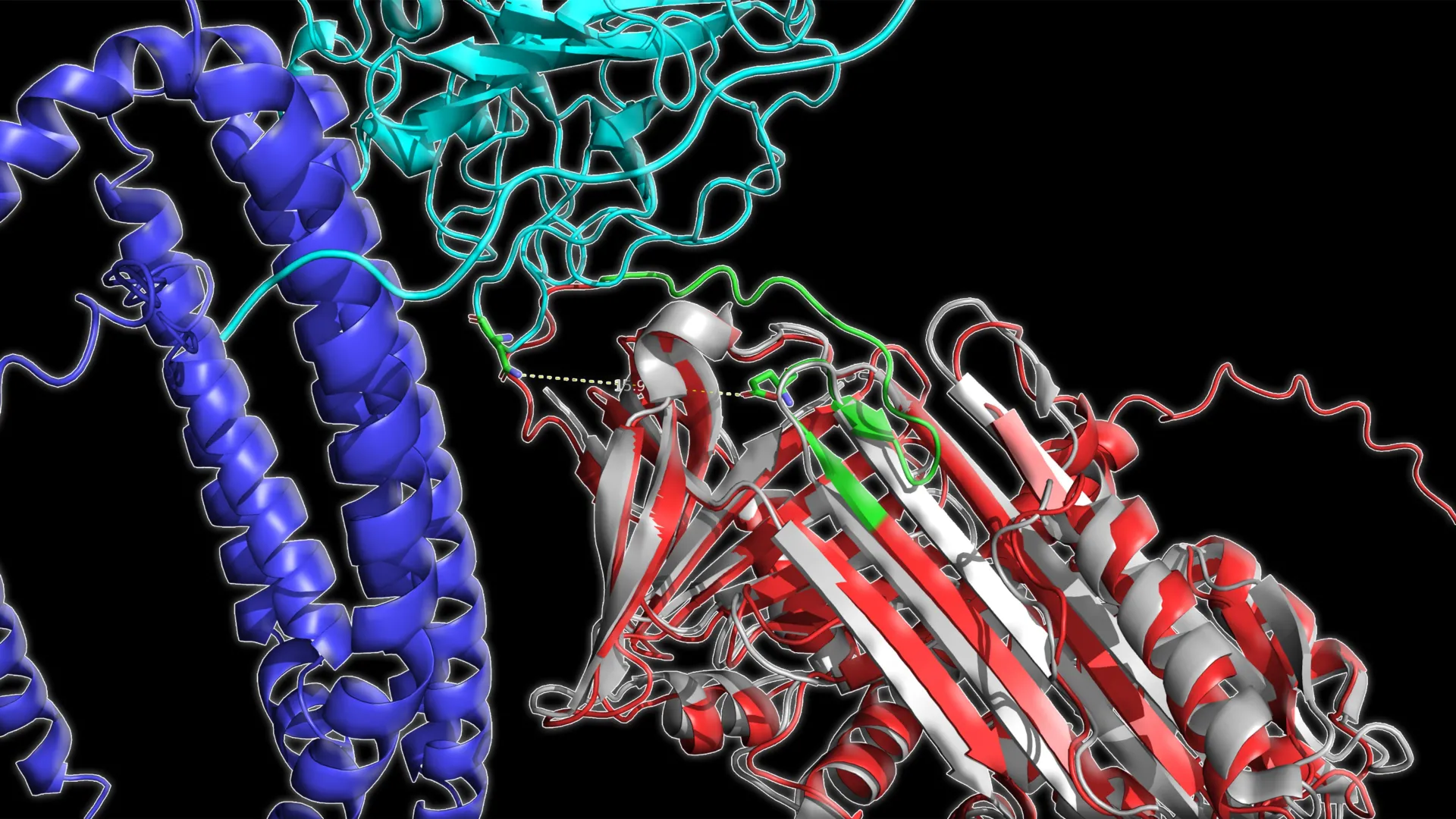
The researchers employed a sophisticated technique known as mass spectrometry-based structural profiling. Unlike traditional assays that simply count protein molecules, this method allows scientists to probe the physical "openness" of a protein. By measuring how exposed or buried certain amino acid sites are within a protein’s structure, the team could determine if a protein was folded correctly or if it had undergone a conformational shift.
To process the massive amount of data generated by these structural probes, the team utilized machine learning algorithms. These AI models were trained to recognize specific patterns of structural change that correlated with the clinical status of the participants. The results revealed a consistent trend: as cognitive decline progressed, certain proteins in the blood became less structurally "open," indicating a tightening or misfolding that mirrored the disease’s progression.
The Three-Protein Signature
While the researchers analyzed hundreds of proteins, three specific plasma proteins emerged as the most reliable indicators of Alzheimer’s status:
- C1QA (Complement Component 1, q Subcomponent, A Chain): This protein is a vital part of the innate immune system. It is involved in immune signaling and the clearance of pathogens. Structural changes in C1QA suggest that the body’s inflammatory and immune responses are being altered by the neurodegenerative process.
- Clusterin (Apolipoprotein J): Known as a "molecular chaperone," clusterin’s primary job is to assist in protein folding and the removal of misfolded proteins, including amyloid beta. Its structural alteration in Alzheimer’s patients provides a direct link to the failing proteostasis system.
- Apolipoprotein B (ApoB): This protein is primarily responsible for transporting fats and cholesterol through the bloodstream. Its inclusion in the diagnostic panel highlights the growing understanding of the role that vascular health and lipid metabolism play in the development of Alzheimer’s.
"The correlation was amazing," notes co-author Casimir Bamberger, a senior scientist at Scripps Research. "It was very surprising to find three lysine sites on three different proteins that correlate so highly with disease state."
Statistical Performance and Longitudinal Reliability
The efficacy of the three-protein structural test was evaluated through several layers of statistical validation. The overall accuracy in classifying participants across all three categories (Normal, MCI, and Alzheimer’s) was approximately 83%. However, the test’s performance was even more impressive when used for binary classification. When tasked with distinguishing healthy individuals from those with MCI—the critical early stage where intervention is most effective—the accuracy rose to over 93%.
Furthermore, the researchers sought to ensure that these structural markers were not just "snapshots" but reliable indicators over time. They tested the model against independent groups of participants and conducted follow-up tests on the same individuals months apart. In these longitudinal tests, the panel maintained an 86% accuracy rate. This stability suggests that the structural changes are not transient fluctuations but are deeply tied to the biological trajectory of the disease.
The structural "score" derived from the blood test also showed a strong correlation with traditional cognitive assessments and a moderate correlation with MRI data showing brain atrophy (shrinkage). This multi-modal alignment reinforces the validity of protein structure as a biomarker for neurodegeneration.
Clinical Reactions and the Path to Early Intervention
The medical community has reacted to the findings with cautious optimism. Neurologists have long sought a "low-barrier" diagnostic tool—such as a simple blood draw—that can provide the same level of insight as expensive PET scans or invasive lumbar punctures.
"Detecting markers of Alzheimer’s early is absolutely critical to developing effective therapeutics," Yates emphasizes. "If treatment can start before significant damage has been done, it may be possible to better preserve long-term memory."
Current treatments, such as monoclonal antibodies that target amyloid plaques, are most effective when administered in the early stages of the disease. However, many patients are not diagnosed until they exhibit significant cognitive deficits, at which point much of the neuronal damage is irreversible. A structural blood test could serve as a frontline screening tool during annual physicals for seniors, flagging those who need closer monitoring or early therapeutic intervention.
Chronology of Research and Future Directions
The journey to this discovery began years prior, as the Yates Lab and other researchers shifted their focus from the "Amyloid Hypothesis" (the idea that amyloid buildup is the sole cause of Alzheimer’s) toward the "Proteostasis Paradigm."
- 2020-2022: Initial pilot studies established that mass spectrometry could detect subtle structural changes in blood proteins.
- 2023-2024: The Scripps team partnered with the University of Kansas Medical Center and UC San Diego to gather a large, diverse cohort of plasma samples.
- 2025: Machine learning models were refined to isolate the three-protein signature (C1QA, Clusterin, ApoB).
- February 2026: Publication in Nature Aging marks the formal introduction of the method to the global scientific community.
Looking ahead, the researchers are planning larger-scale clinical trials with longer follow-up periods to satisfy regulatory requirements for diagnostic tools. There is also significant interest in determining if this "structural profiling" can be adapted for other conditions. Since misfolded proteins are also the hallmark of Parkinson’s disease, ALS, and even certain types of cancer, the Scripps method could theoretically be used to create a suite of structural blood tests for various chronic illnesses.
Broader Implications for Healthcare and Research
The implications of this study extend beyond the clinic. For pharmaceutical companies, a structural blood test offers a more nuanced way to measure the efficacy of new drugs in clinical trials. Rather than waiting years to see if a drug slows cognitive decline, researchers could potentially see if a drug restores the structural integrity of proteins like clusterin within weeks or months.
From a public health perspective, the ability to accurately identify MCI through a blood test could revolutionize how society manages aging. It allows for lifestyle interventions—such as diet, exercise, and cognitive training—to be implemented with more urgency in high-risk individuals.
The research was supported by the National Institutes of Health (NIH), reflecting the federal government’s commitment to finding scalable solutions for the Alzheimer’s crisis. As the study moves toward clinical validation, it stands as a testament to the power of combining basic protein biology with advanced computational technology to solve some of the most complex mysteries of the human brain.