Researchers at the University of Cambridge have published a landmark study in the Proceedings of the National Academy of Sciences (PNAS), unveiling a profound genetic link between the behavioral temperaments of golden retrievers and emotional traits in humans. This investigation, which constitutes the first large-scale demonstration of shared genetic architecture for behavior across these two species, suggests that the roots of anxiety, aggression, and even intelligence may be more biologically ancient than previously understood. By analyzing the DNA of 1,300 golden retrievers and comparing it with comprehensive behavioral profiles provided by their owners, the research team identified specific genetic markers that correlate with traits such as trainability, activity levels, and fear responses.
The study’s findings provide a scientific framework for understanding why individual dogs of the same breed can exhibit vastly different personalities. While golden retrievers are traditionally celebrated for their friendly and docile nature, significant variations exist within the breed. Some individuals struggle with profound anxiety or unexpected aggression, while others exhibit exceptional focus and learning capabilities. According to the Cambridge team, these differences are not merely the result of environment or upbringing but are deeply rooted in the dogs’ genetic code—a code that mirrors many of the same pathways that govern human mental health and cognitive function.
The Genetic Architecture of Canine Temperament
The research was spearheaded by Dr. Eleanor Raffan and her colleagues at the University of Cambridge’s Department of Physiology, Development and Neuroscience. To map the relationship between DNA and behavior, the team utilized a genome-wide association study (GWAS) approach. This method involves scanning the entire genome for small variations, known as single-nucleotide polymorphisms (SNPs), that occur more frequently in individuals with certain traits.
The genetic data was paired with behavioral assessments from the Golden Retriever Lifetime Study, a massive longitudinal project. Owners provided detailed responses to 73 different behavioral questions, which the researchers then distilled into 14 distinct categories. These categories included "stranger-directed aggression," "non-social fear" (such as fear of loud noises or inanimate objects), and "trainability."
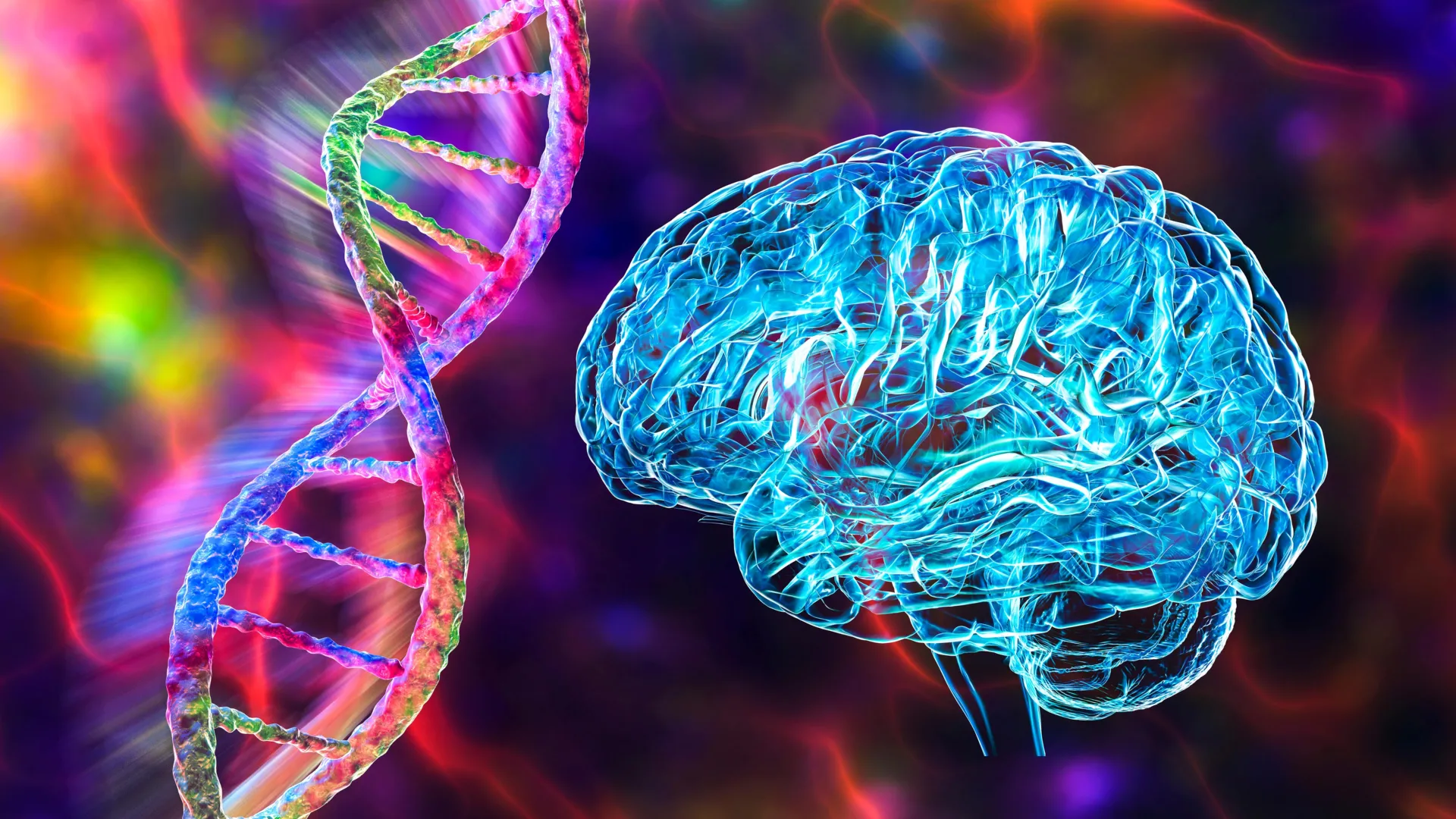
The analysis revealed 12 specific genes that were significantly associated with these behavioral traits in golden retrievers. When the researchers cross-referenced these findings with existing human genetic databases, they discovered that these same genes are implicated in human psychiatric and cognitive conditions. This overlap suggests that the biological systems regulating mood and behavior have been conserved throughout mammalian evolution.
A Decade of Data: The Chronology of the Research
The foundation for this breakthrough was laid over a decade ago. The Golden Retriever Lifetime Study was launched in 2012 by the Morris Animal Foundation. It is one of the largest and most comprehensive prospective observational studies ever conducted in veterinary medicine, following more than 3,000 golden retrievers across the United States throughout their entire lives.
Initially designed to identify the risk factors for osteosarcoma and other cancers prevalent in the breed, the study’s scope expanded as researchers realized the wealth of behavioral and genetic data being collected. Between 2012 and 2023, the study amassed a massive repository of blood samples and owner-reported data. The Cambridge team focused their analysis on dogs aged between three and seven years—a period when a dog’s personality is considered stable and fully developed, free from the developmental fluctuations of puppyhood or the cognitive decline sometimes seen in geriatric dogs.
By late 2023, the Cambridge researchers had completed the complex task of matching the genomic sequences of 1,300 of these dogs with their longitudinal behavioral histories. The resulting paper, published in late 2024, represents the culmination of years of collaborative effort between geneticists, veterinarians, and behavioral scientists.
Key Genetic Markers and Human Parallels
Among the 12 genes identified, several stood out for their clear links to both canine and human traits. One of the most significant findings involved the gene PTPN1. In the golden retriever cohort, variations in PTPN1 were strongly associated with aggression toward other dogs. In the context of human genetics, this same gene has been linked to complex traits including intelligence and clinical depression. This suggests that the physiological pathways involved in social conflict and mood regulation may share common origins.
Another critical discovery centered on a genetic variant linked to dogs that exhibit fear toward other dogs. In humans, variations in this same genetic region have been found to influence "rumination"—the tendency to dwell on negative or embarrassing experiences—as well as educational attainment. This paradoxical link highlights the complexity of behavioral genetics; a gene that predisposes an individual to sensitivity or anxiety may also be linked to traits that, in a different environmental context, lead to high achievement or increased social awareness.
The study also identified a connection between the ROMO1 gene and "trainability." In golden retrievers, this gene appears to influence how readily a dog learns and follows commands. In humans, ROMO1 is associated with emotional sensitivity and intelligence. This finding reframes "trainability" not just as a measure of obedience, but as a reflection of a dog’s underlying emotional and cognitive state.
Rethinking Dog Training and Veterinary Care
The implications of this research extend far beyond the laboratory, offering a new perspective for dog owners, professional trainers, and veterinarians. For decades, behavioral issues in dogs have often been treated as "discipline" problems or the result of poor socialization. However, the Cambridge study suggests that some dogs are genetically predisposed to find the world more stressful than others.
"These results show that genetics govern behavior, making some dogs predisposed to finding the world stressful," noted Enoch Alex, the study’s first author. He emphasized that what humans often perceive as "bad behavior" is frequently a manifestation of distress rooted in the dog’s biology. If a dog’s life experiences compound a genetic predisposition toward anxiety, the result is often a behavioral breakdown.
Dr. Anna Morros-Nuevo, a member of the research team, suggested that this knowledge should foster greater empathy among pet owners. "If your golden retriever cowers behind the sofa every time the doorbell rings, perhaps you might have a bit more empathy if you know they’re genetically driven to feel sensitive and anxious," she stated.
In the veterinary field, these findings could pave the way for more targeted pharmacological interventions. By recognizing that certain fearful behaviors are linked to the same genetic pathways as human anxiety disorders, veterinarians may be able to utilize stress-reducing treatments more effectively, tailoring care to the specific genetic profile of the animal.
Comparative Genomics and Human Psychiatry
From a broader scientific perspective, the study reinforces the value of "comparative genomics"—the study of the similarities and differences in the genomes of different species. Because purebred dogs like golden retrievers have relatively uniform genetic backgrounds due to generations of selective breeding, they serve as excellent "models" for studying the genetic basis of complex traits.
Professor Daniel Mills, a specialist in problem animal behavior at the University of Lincoln and a contributor to the study, highlighted the shared psychological landscape between humans and their pets. "Dogs in our home share not only our physical environment but may also share some of the psychological challenges associated with modern living," Mills said. He suggested that pets could serve as vital models for human psychiatric conditions associated with emotional disturbance, potentially leading to breakthroughs in human mental health research.
The research suggests that the domestication of dogs did not just involve selecting for physical traits or basic utility, but unconsciously involved selecting for complex emotional and cognitive pathways that align with our own. As we live alongside dogs, we are essentially sharing our lives with a species that experiences the world through a similar genetic lens of emotion and stress.
Future Directions in Behavioral Research
The success of this study opens several new avenues for inquiry. Researchers are now looking to expand their analysis to other breeds to determine if these genetic links are universal across the canine species or specific to the golden retriever lineage. Furthermore, the Cambridge team is interested in exploring how environmental factors—such as early-life socialization and training methods—interact with these genetic predispositions. This "nature versus nurture" interaction is the next frontier in understanding the full complexity of canine behavior.
As genomic testing becomes more accessible, it is possible that future dog owners could have their pets’ DNA screened to identify potential behavioral risks early in life. This would allow for proactive socialization and environmental management, potentially preventing the development of severe anxiety or aggression.
The study serves as a reminder that the bond between humans and dogs is not just social or emotional, but is written into the very fabric of our DNA. By decoding the genetic secrets of the golden retriever, scientists are not only learning how to better care for our "best friends" but are also gaining a deeper understanding of the biological foundations of the human experience. The research at the University of Cambridge marks a significant step forward in a new era of behavioral science, where the lines between veterinary medicine and human psychology continue to blur, united by the shared language of the genome.