The global proliferation of plastic pollution has moved beyond an environmental crisis into the realm of a significant public health emergency, as new research highlights a harrowing link between microscopic plastic fragments and the rising tide of neurodegenerative disorders. A comprehensive systematic review, published in the journal Molecular and Cellular Biochemistry, has identified five distinct biological mechanisms through which microplastics—defined as plastic particles less than five millimeters in size—infiltrate the human brain and potentially trigger or exacerbate conditions such as Alzheimer’s and Parkinson’s disease. This international collaboration, led by researchers from the University of Technology Sydney (UTS) and Auburn University in the United States, provides a sobering framework for understanding how the synthetic residues of modern life are compromising the most complex organ in the human body.
Dementia currently affects more than 57 million people worldwide, a figure projected to nearly triple by 2050 as global populations age. While genetic and lifestyle factors have long been the primary focus of neurological research, the UTS-led study suggests that environmental pollutants, specifically microplastics, may be a silent catalyst in this epidemic. The research team warns that the ubiquity of these particles in the food chain, water supply, and the very air humans breathe creates a state of constant exposure that the human body was never evolved to manage.
The Magnitude of Human Exposure
The scale of microplastic ingestion is far greater than many consumers realize. Associate Professor Kamal Dua, a pharmaceutical scientist at UTS and one of the lead researchers, estimates that the average adult consumes approximately 250 grams of microplastics annually. To visualize this, Dua notes that this amount is equivalent to the weight of plastic required to cover a standard dinner plate. This ingestion occurs through a myriad of pathways that have become integrated into daily life.
"We ingest microplastics from a wide range of sources including contaminated seafood, salt, processed foods, tea bags, plastic chopping boards, drinks in plastic bottles, and food grown in contaminated soil," Associate Professor Dua explained. Beyond ingestion, inhalation remains a critical route of entry. Plastic fibers from carpets, household dust, and synthetic clothing are constantly shed into the air, where they are breathed into the lungs and potentially translocated into the bloodstream and eventually the brain.
Common polymers identified in human tissue include polyethylene (PE), polypropylene (PP), polystyrene (PS), and polyethylene terephthalate (PET). While the human body possesses natural filtration and excretion systems, the study notes that a significant portion of these particles bypasses these defenses. Mounting evidence suggests that these particles accumulate in vital organs, with the brain being particularly vulnerable due to its high lipid content and metabolic demands.
Five Biological Pathways to Brain Damage
The core of the study revolves around the identification of five key pathways through which microplastics interact with cerebral biology. These pathways do not act in isolation; rather, they form a synergistic cascade of damage that compromises neuronal integrity.
1. Disruption of the Blood-Brain Barrier (BBB)
The blood-brain barrier is a highly selective semipermeable border of endothelial cells that prevents solutes in the circulating blood from non-selectively crossing into the extracellular fluid of the central nervous system. The research indicates that microplastics physically and chemically weaken this barrier. "Microplastics actually weaken the blood-brain barrier, making it leaky," Associate Professor Dua stated. "Once that happens, immune cells and inflammatory molecules are activated, which then causes even more damage to the barrier’s cells." This "leakiness" allows toxins and pathogens that would normally be filtered out to enter the brain, creating a cycle of chronic inflammation.
2. Activation of Neuro-Immune Responses
The brain’s resident immune cells, known as microglia, are the first line of defense against intruders. When microplastics cross the BBB, the body treats them as foreign "invaders." This triggers a persistent immune response. Unlike biological pathogens, plastic particles cannot be easily broken down by enzymes. This leads to "frustrated phagocytosis," where immune cells continuously release pro-inflammatory cytokines in a vain attempt to destroy the plastic, eventually damaging the surrounding healthy brain tissue.
3. Escalation of Oxidative Stress
Oxidative stress occurs when there is an imbalance between the production of reactive oxygen species (ROS) and the body’s ability to detoxify these reactive intermediates. Microplastics drive this imbalance in two ways: they directly stimulate the production of unstable ROS molecules and simultaneously inhibit the production of natural antioxidants. This state of oxidative stress is a known precursor to the cellular decay observed in Alzheimer’s patients.
4. Interference with Mitochondrial Function
Mitochondria are the "powerhouses" of the cell, responsible for producing adenosine triphosphate (ATP), the primary energy currency of biological life. The UTS study found that microplastics interfere with the mitochondrial electron transport chain. By reducing the supply of ATP, microplastics starve neurons of the energy required for synaptic transmission and cellular repair. This energy shortfall leads to neuronal exhaustion and, ultimately, cell death.
5. Direct Damage to Neurons and Protein Aggregation
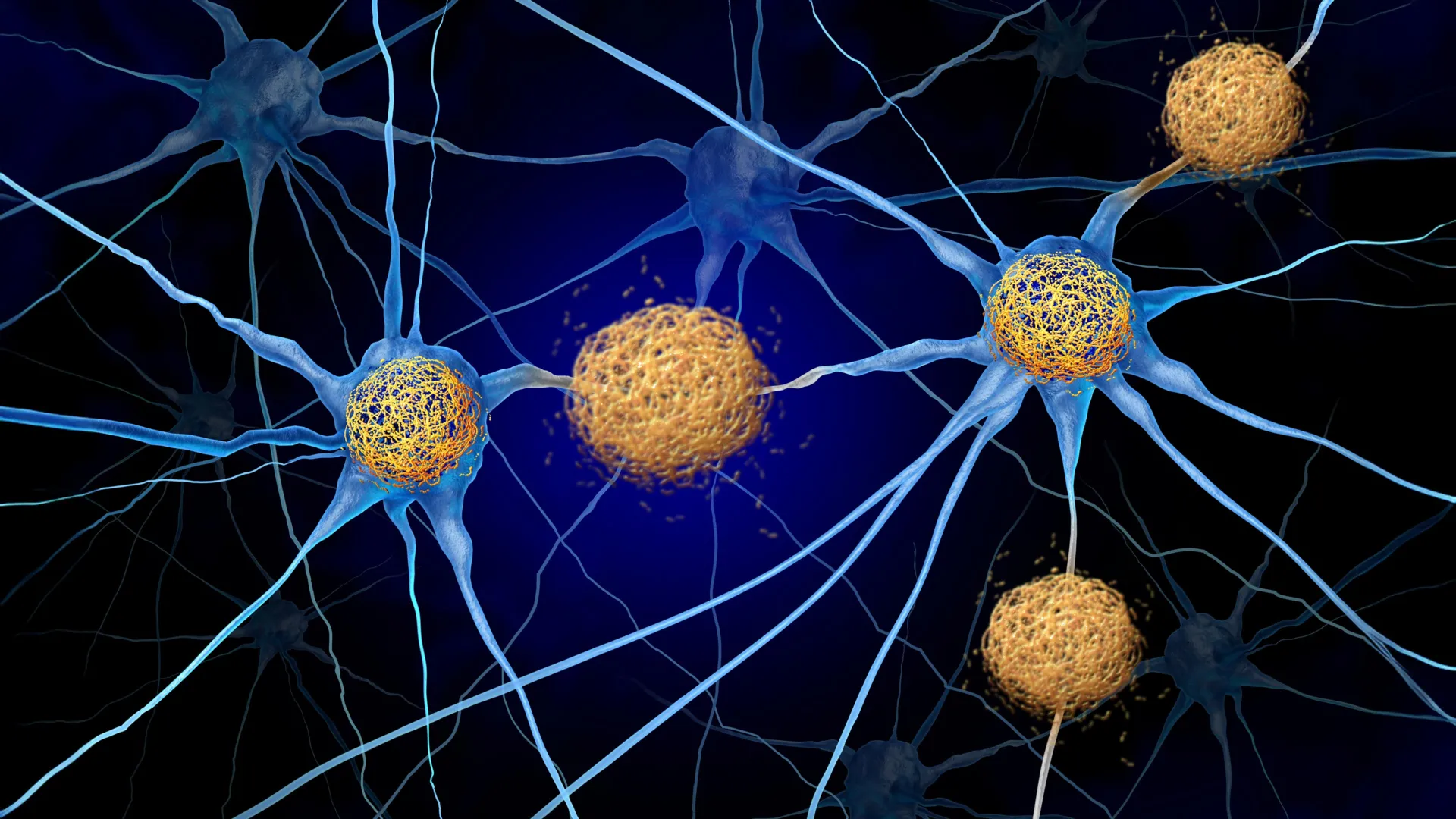
Perhaps most concerning is the role microplastics play in the physical architecture of neurodegeneration. In Alzheimer’s disease, the buildup of beta-amyloid plaques and tau protein tangles is a hallmark of the condition. The research suggests that the presence of microplastics can act as a "scaffold" or catalyst, encouraging these proteins to aggregate more rapidly. Similarly, in Parkinson’s disease, microplastics are linked to the aggregation of α-Synuclein, a protein that, when misfolded, leads to the destruction of dopaminergic neurons responsible for motor control.
A Chronology of Discovery
The link between plastics and health has evolved rapidly over the last two decades. In the early 2000s, environmental research focused primarily on "macroplastics"—the visible waste choking oceans and harming marine life. However, by 2010, the scientific community began to shift its focus to microplastics and their ability to enter the food chain via marine ingestion.
In 2018, a landmark study presented at a gastroenterology conference confirmed the presence of microplastics in human stool samples across multiple countries, proving that the particles were surviving the human digestive tract. By 2022, researchers in the Netherlands detected microplastics in human blood for the first time, suggesting that these particles were small enough to be absorbed through the gut or lungs into the circulatory system.
The current 2024 study by UTS and Auburn University represents the next phase of this chronology: moving from the detection of particles to the mapping of specific pathological mechanisms. First author Alexander Chi Wang Siu, a UTS Master of Pharmacy student currently conducting laboratory work at Auburn University, is working alongside Professor Murali Dhanasekaran and Distinguished Professor Brian Oliver to quantify exactly how these particles alter brain cell function in real-time.
Policy Implications and Public Health Response
The findings have sparked calls for immediate policy interventions. Environmental advocates and public health experts argue that the current regulatory frameworks for plastic production are insufficient to address the "invisible" threat of microplastics. There is an increasing push for the United Nations Global Plastics Treaty to include specific mandates regarding the chemical additives in plastics, many of which (like Bisphenol A and phthalates) are known endocrine disruptors that can leach out of microplastics once they enter the body.
Dr. Keshav Raj Paudel, a visiting scholar at the UTS Faculty of Engineering, emphasizes that the inhalation route is particularly neglected in current health policy. His ongoing research into how inhaled microplastics settle in the lungs suggests that the respiratory system may act as a primary reservoir for particles that eventually migrate to the brain via the olfactory nerve or the systemic circulation.
Practical Steps for Exposure Reduction
While the scientific community works to establish a definitive causal link through longitudinal human studies, the researchers advise the public to adopt a "precautionary principle." Dr. Paudel recommends several lifestyle shifts to mitigate the daily influx of plastic:
- Transitioning to Natural Fibers: Synthetic clothing (polyester, nylon) sheds millions of microfibers per wash and during wear. Choosing cotton, wool, or hemp can reduce inhalation risks.
- Revising Kitchen Habits: Plastic cutting boards shed significant amounts of microplastics during use. Switching to wood or glass is recommended.
- Water Consumption: Avoiding plastic bottled water in favor of filtered tap water in glass or stainless steel containers can drastically reduce ingestion.
- Food Preparation: Reducing the consumption of highly processed, plastic-packaged foods and avoiding the use of plastic containers in microwaves, where heat accelerates the leaching of particles and chemicals.
Conclusion and Future Outlook
The UTS and Auburn University review serves as a critical warning that the "Plastic Age" may carry a heavy neurological price. While plastics have provided undeniable benefits to medicine and technology, their persistence in the environment and the human body poses a challenge to the future of brain health. The researchers hope their findings will serve as a catalyst for more rigorous environmental standards and a global reduction in plastic dependency.
As the scientific team continues its work in the lab, the focus remains on identifying whether certain types or sizes of microplastics are more toxic than others. This data will be vital for future medical treatments aimed at "detoxifying" the body of synthetic pollutants or developing therapies to protect the blood-brain barrier from environmental assault. For now, the evidence suggests that the dinner-plate-sized amount of plastic consumed by adults each year is not just an environmental curiosity, but a potential biological ticking time bomb for the human brain.