The pursuit of understanding the fundamental mechanics of human reproduction has reached a significant milestone as researchers at Michigan State University (MSU) have uncovered a molecular "switch" responsible for the dramatic surge in energy sperm require just before attempting to fertilize an egg. This discovery, published in the Proceedings of the National Academy of Sciences (PNAS), offers a granular look at sperm metabolism and provides a potential roadmap for two disparate yet equally critical fields of medicine: the treatment of infertility and the development of the world’s first effective, nonhormonal male contraceptive.
Lead researcher Melanie Balbach, an assistant professor in the Department of Biochemistry and Molecular Biology at MSU, describes sperm metabolism as a highly specialized biological process. Unlike most cells in the human body, which must balance various homeostatic functions, a sperm cell is a singular-purpose vessel. Its entire metabolic framework is engineered toward a singular, high-stakes goal: achieving fertilization. The recent findings clarify how these cells transition from a dormant state to a high-velocity "power mode" necessary to penetrate the protective layers of an oocyte.
The Biological Surge: Understanding Sperm Activation
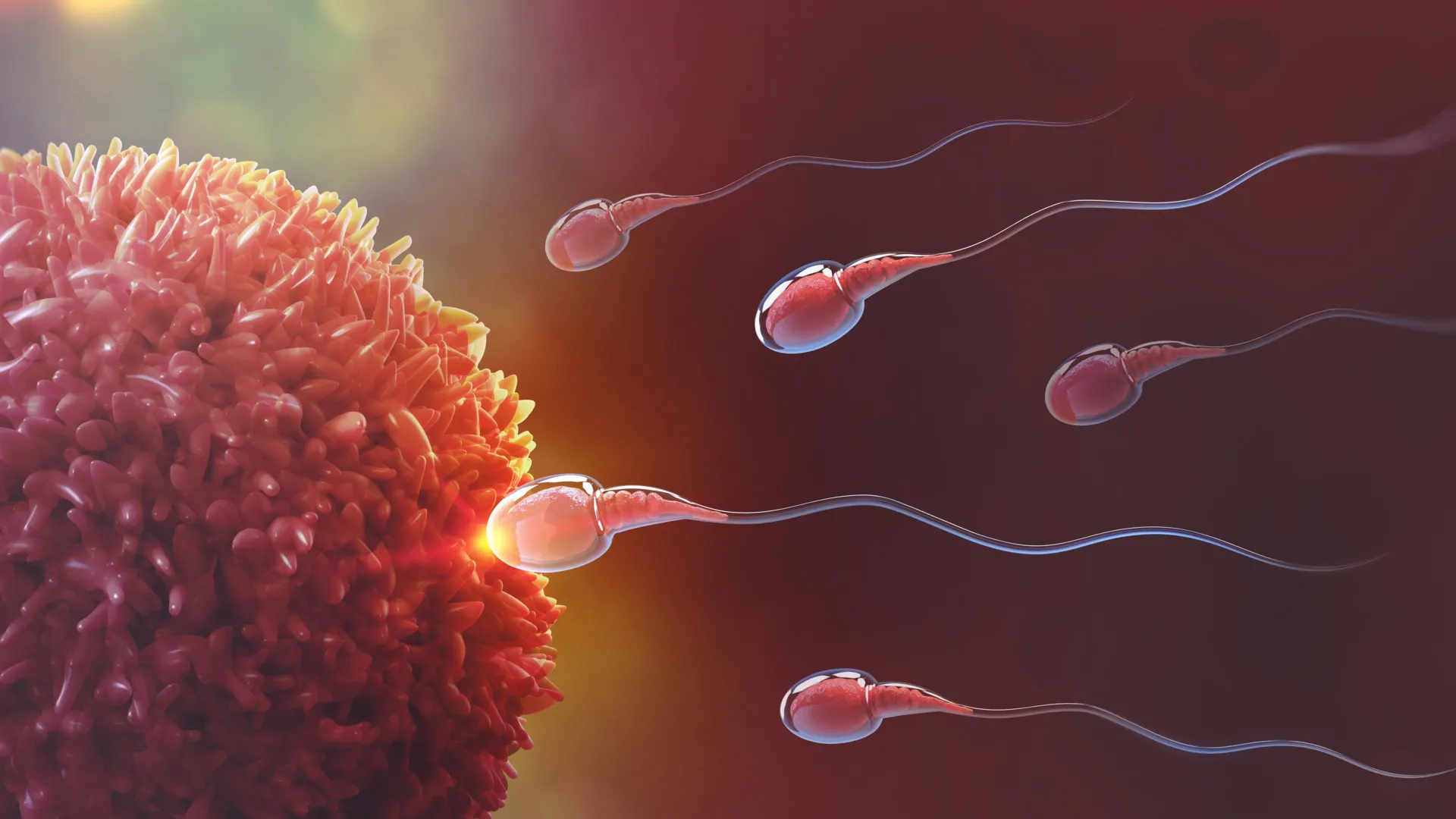
To appreciate the significance of this metabolic switch, one must understand the journey of the mammalian sperm. Before ejaculation, sperm are held in a state of metabolic quiescence—essentially a low-energy standby mode. This conservation of energy is vital for survival during storage. However, upon entering the female reproductive tract, the environment changes drastically, triggering a process known as capacitation.
During this phase, sperm undergo a rapid transformation. They begin to swim with significantly more force—a state known as hyperactivation—and undergo biochemical changes in their outer membranes. These changes are precursors to the acrosome reaction, where the sperm releases enzymes to tunnel through the egg’s exterior. This entire sequence requires a sudden, massive influx of Adenosine Triphosphate (ATP), the primary energy currency of the cell.
Balbach’s research highlights that this transition is not merely a gradual increase in activity but a sophisticated "metabolic reprogramming." While scientists have long observed this surge in energy, the specific enzymes and pathways that govern the transition remained elusive. The identification of a specific molecular switch provides a target for future pharmaceutical interventions, whether to jumpstart sluggish sperm in infertile patients or to safely disable the energy production in sperm for contraceptive purposes.
Methodology: Tracking Glucose with Molecular Precision
The breakthrough was made possible through a collaborative effort involving experts from the Memorial Sloan Kettering Cancer Center and the Van Andel Institute. The research team developed a novel method to track the movement and processing of glucose—a simple sugar that serves as the primary fuel for sperm—as it travels through the cell’s metabolic pathways.
Using advanced mass spectrometry and the resources of MSU’s Metabolomics Core, the researchers were able to map the chemical trajectory of glucose within the sperm. Dr. Balbach utilized a vivid analogy to describe the complexity of this tracking: "You can think of this approach like painting the roof of a car bright pink and then following that car through traffic using a drone."
By observing these "pink cars," the team could see that in activated sperm, the glucose moved through metabolic "intersections" at a much higher velocity than in inactive sperm. Furthermore, the researchers identified that the sperm preferred specific metabolic routes over others when in a high-energy state. This mapping allowed the team to pinpoint exactly where the metabolic flow was most concentrated and which enzymes were acting as the "traffic controllers."
The Role of Aldolase: The Gatekeeper of Energy
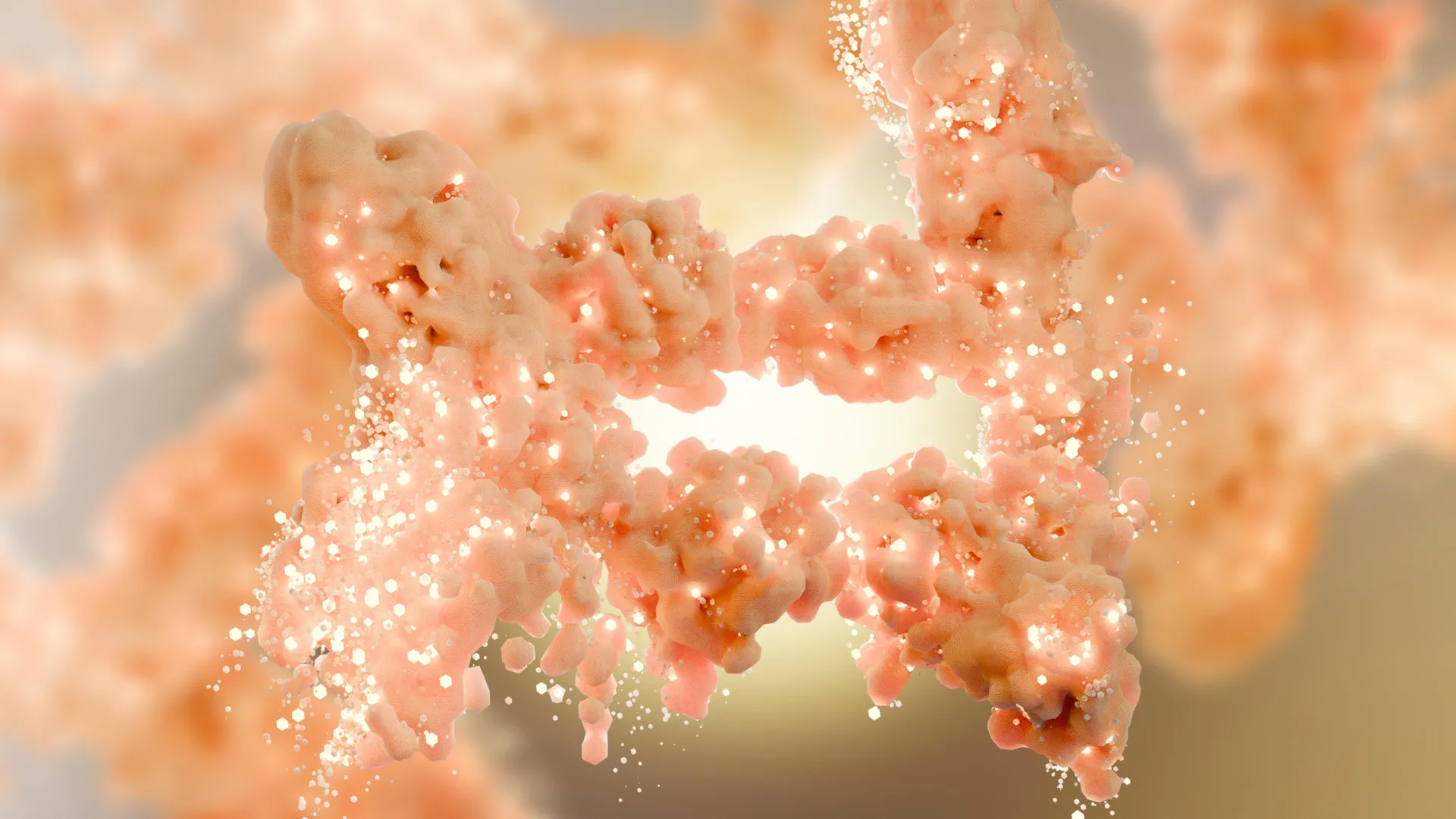
Central to this discovery is the enzyme known as aldolase. The study identified aldolase as a key regulator in the glycolytic pathway—the sequence of reactions that converts glucose into energy. In the context of sperm activation, aldolase acts as a primary switch that facilitates the rapid conversion of sugar into the fuel needed for hyperactivated swimming.
The research also revealed a surprising level of self-sufficiency in sperm cells. While they absorb glucose and fructose from the surrounding environment in the reproductive tract, they also rely on internal energy reserves carried from the start of their journey. The enzymes identified in the study act as regulators that decide how these internal and external fuel sources are partitioned and utilized.
By understanding how aldolase and other "traffic-control" enzymes function, researchers can now hypothesize ways to manipulate these pathways. For instance, an inhibitor that specifically targets the version of aldolase found in sperm could potentially stop the energy surge required for fertilization without affecting the rest of the body’s metabolic functions.
A Chronology of Discovery: From Cornell to Michigan State
The path to this discovery began years earlier during Dr. Balbach’s tenure at Weill Cornell Medicine. There, she was part of a team that demonstrated that blocking a specific sperm enzyme could cause temporary, reversible infertility in mice. This earlier work was a proof-of-concept that nonhormonal male contraception was biologically feasible.
In 2023, Balbach joined the faculty at Michigan State University to expand upon this work, utilizing the university’s robust biochemistry infrastructure to move from identifying that a switch existed to understanding exactly how that switch operated at a molecular level. The transition to MSU allowed for deeper collaboration with the Van Andel Institute and the use of high-resolution mass spectrometry to see the "metabolic flux" in real-time.
This timeline reflects a steady progression from broad observations of sperm behavior to the current state of high-precision molecular mapping. The publication in PNAS marks the culmination of this phase of research, setting the stage for human clinical applications.
Implications for Global Infertility Treatments
The clinical implications of this research are twofold, beginning with the global crisis of infertility. According to data from the World Health Organization (WHO), approximately one in six people worldwide experience infertility in their lifetime. Male-factor infertility contributes to roughly half of these cases, often manifesting as poor sperm motility (the ability of sperm to swim effectively).
Currently, diagnostic tools for male fertility are often limited to basic semen analysis—counting the number of sperm and observing their shape and movement under a microscope. However, many men with "normal" counts still struggle to conceive. Balbach’s research suggests that the root cause may be a failure of the metabolic switch.
"Better understanding the metabolism of glucose during sperm activation is an important first step," Balbach noted. By identifying the specific enzymes required for the energy surge, clinicians may eventually be able to develop diagnostic tests that measure metabolic health in sperm. Furthermore, in the realm of Assisted Reproductive Technology (ART), such as In Vitro Fertilization (IVF), these findings could lead to new media or treatments that "prime" sperm metabolically before they are introduced to the egg, potentially increasing success rates for couples struggling with conception.
The Frontier of Nonhormonal Male Contraception
Perhaps the most culturally and socially significant application of this research lies in the development of male birth control. For decades, the burden of contraception has fallen disproportionately on women. Current male options are largely limited to condoms, which have a high "typical use" failure rate, or vasectomies, which are intended to be permanent.
Previous attempts to create a "male pill" have largely focused on hormonal approaches that suppress sperm production (spermatogenesis). However, these methods often come with significant side effects, including mood swings, weight gain, and changes in libido, similar to those experienced by women on hormonal birth control. Furthermore, hormonal methods can take weeks or months to become effective and just as long to reverse.
The "switch" identified by the MSU team offers a different path: an inhibitor-based, nonhormonal approach. Because this method targets the sperm’s ability to produce energy rather than the production of the sperm itself, it could theoretically provide "on-demand" contraception. A man could take a medication that temporarily disables the aldolase enzyme, rendering sperm unable to achieve the hyperactivated state necessary for fertilization. Once the medication leaves the system, the next "batch" of sperm would be unaffected, ensuring rapid reversibility.
Societal Impact and the Future of Reproductive Agency
The societal need for more contraceptive options is underscored by a sobering statistic: nearly 50% of all pregnancies worldwide are unplanned. This high rate of unintended pregnancy contributes to economic instability, health risks for mothers and infants, and increased pressure on social services.
Expanding the portfolio of male contraceptives would grant men greater agency in their reproductive lives. As Dr. Balbach emphasized, this research is not just about biology; it is about freedom. "This would give men additional options and agency in their fertility," she said. "Likewise, it creates freedom for those using female birth control, which is hormone-based and highly prone to side effects."
The potential for a "unisex" application also exists. If the enzymes targeted are also involved in the female reproductive tract’s interaction with sperm, there is a possibility for nonhormonal female contraceptives that act on the sperm post-coitus, providing an alternative to current emergency contraceptives that rely on high doses of hormones.
Analysis of Next Steps: From Mice to Men
While the current findings are groundbreaking, the transition from laboratory discovery to a consumer-ready pharmaceutical is a multi-year process. The next phase of Dr. Balbach’s research involves translating these findings from mouse models to human sperm. While mammalian sperm share many metabolic similarities, there are key differences in how human sperm utilize different fuels, such as fructose, which is found in high concentrations in human seminal fluid.
The researchers must also ensure that any metabolic inhibitor is highly specific. Because glycolysis and enzymes like aldolase are used by almost every cell in the human body, the contraceptive must target only the sperm-specific isoforms of these enzymes to avoid systemic toxicity.
Industry analysts suggest that if a nonhormonal male contraceptive reaches the market, it could disrupt a global contraceptive market valued at over $25 billion. However, the path through clinical trials (Phases I, II, and III) will require significant investment and rigorous testing for safety and reversibility.
Conclusion
The identification of the metabolic switch in sperm by Melanie Balbach and her colleagues at Michigan State University represents a paradigm shift in reproductive biology. By mapping the intricate "traffic" of glucose and the regulatory role of enzymes like aldolase, the team has provided a molecular blueprint for the energy that sustains life at its very beginning.
Whether this discovery results in a new breakthrough for couples struggling with infertility or a revolutionary on-demand contraceptive for men, the impact on global health will be profound. As research continues into the nuances of sperm fuel sources and enzymatic regulation, the scientific community moves one step closer to a future where reproductive health is more precise, more equitable, and more effective. For now, the "pink car" of sperm metabolism continues its journey, with the drone of scientific inquiry following closely behind.