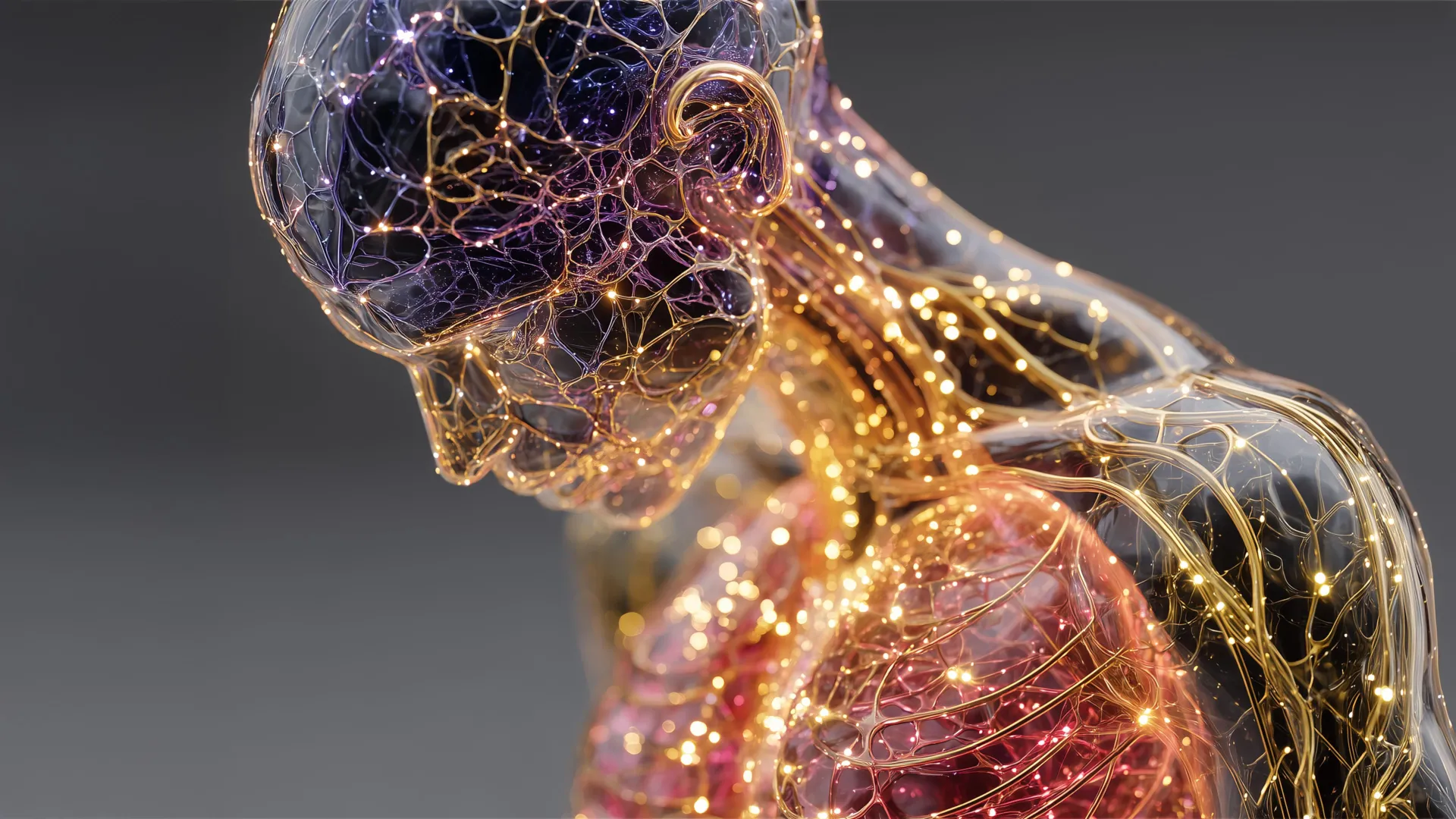
The journey of life, marked by inevitable biological transitions, brings with it an increased susceptibility to a spectrum of serious illnesses. Cancer, cardiovascular disease, and neurodegenerative conditions like dementia are well-documented companions of advancing years. For decades, the scientific community has largely approached these age-related ailments as distinct entities, dedicating considerable resources to understanding and treating them in isolation. However, a paradigm shift is underway, with a growing number of researchers posing a more fundamental question: could intervening in the aging process itself, rather than tackling individual diseases, offer a more holistic and potent strategy to mitigate the risk of multiple health crises simultaneously? This ambitious inquiry necessitates a deeper understanding of the intricate biological mechanisms that initiate and propagate the cellular and molecular changes associated with aging.
A groundbreaking study, recently published in the prestigious journal Science, provides an unprecedentedly detailed map of these age-related transformations. Scientists at The Rockefeller University have meticulously constructed the most comprehensive atlas to date, charting the impact of aging on thousands of distinct cell subtypes across 21 different mammalian tissues. By analyzing the genetic material and cellular activity of nearly 7 million individual cells harvested from mice at three distinct life stages – young adulthood, middle age, and old age – the research team has identified which cell populations are most vulnerable to the ravages of time and the factors that may be driving their functional decline.
"Our objective was not merely to document what changes with aging, but to illuminate the underlying ‘why’," stated Junyue Cao, the driving force behind the Laboratory of Single Cell Genomics and Population Dynamics at The Rockefeller University. "By mapping both the cellular and molecular landscapes of aging, we can pinpoint the key drivers of this fundamental biological process. This understanding is the crucial first step towards developing interventions that can target aging itself, potentially offering a proactive approach to healthspan extension."
Among the most striking revelations from this comprehensive analysis is the observation that many age-related cellular shifts do not occur in isolation but rather manifest in a synchronized manner across multiple organs. This suggests a systemic coordination of the aging process throughout the body. Furthermore, the study uncovered a significant sexual dimorphism in these changes, with nearly half of the identified aging-related alterations exhibiting distinct patterns between male and female mice. This finding carries profound implications for our understanding of sex-specific disease prevalence and the development of targeted therapies.
A Monumental Cellular Census: Mapping Aging Across 21 Organs
The ambitious undertaking of mapping aging at such a granular scale was made possible by a refined technique known as single-cell ATAC-seq (Assay for Transposase-Accessible Chromatin using sequencing). This powerful methodology allows researchers to examine the intricate packaging of DNA within individual cells, revealing which regions of the genome are accessible and therefore actively engaged in cellular processes. This accessibility profile serves as a critical indicator of a cell’s current state, its functional capacity, and its potential for change over time.
The Rockefeller University team, under the astute leadership of graduate student Ziyu Lu, applied this advanced sequencing technique to an enormous dataset. They meticulously analyzed millions of individual cells extracted from 21 distinct organs in 32 mice. These mice were carefully selected to represent three key life stages: one month old (representing young adulthood), five months old (representing middle age), and 21 months old (representing elderly). This strategic selection allowed for a robust comparison of cellular changes across the lifespan of the organism.
"The sheer magnitude of this accomplishment, achieved primarily by a single graduate student, is truly remarkable," Dr. Cao remarked, emphasizing the efficiency and innovation of their approach. "Typically, the construction of such comprehensive atlases requires the collaborative efforts of large consortia involving dozens of laboratories. Our method, however, has proven to be significantly more efficient, accelerating the pace of discovery in this complex field."
Through this exhaustive analysis, the laboratory successfully identified over 1,800 distinct cell subtypes. This included the characterization of numerous rare cell populations that had previously been poorly understood or entirely undescribed in the scientific literature. The researchers then meticulously tracked the numerical fluctuations of these diverse cell populations as the mice transitioned from young adulthood to middle age, and subsequently to advanced old age. This detailed demographic analysis of cellular constituents provided a crucial foundation for understanding the functional consequences of aging.
Early and Coordinated Cellular Shifts: A Systemic Phenomenon
For many years, the prevailing scientific consensus held that aging primarily influenced the functional capabilities of cells rather than altering the fundamental composition of cell types within tissues. However, the findings of this new analysis present a compelling challenge to that long-held view. The study revealed that approximately one quarter of all identified cell types exhibited significant changes in their relative abundance as the mice aged. Notably, certain populations of muscle and kidney cells experienced a sharp decline, while the numbers of immune cells, particularly lymphocytes and myeloid cells, expanded considerably.
"The cellular ecosystem is far more dynamic than we previously appreciated," Dr. Cao observed. "What is particularly surprising is the early onset of some of these changes. By just five months of age, which is considered middle age in mice, certain cell populations had already begun to diminish. This indicates that aging is not a phenomenon that exclusively occurs in the twilight years of life but rather represents a continuous progression of developmental processes that begin much earlier."
Equally surprising was the degree of synchronization observed in these age-related shifts. Similar cellular states, characterized by specific gene expression patterns and functional profiles, were found to increase or decrease in tandem across different organs. This widespread coordination suggests the existence of overarching signals, potentially circulating factors within the bloodstream or intercellular communication pathways, that orchestrate the aging process throughout the entire organism. This systemic coordination has significant implications for understanding how age-related decline in one organ might influence the health of others.
The study also shed light on significant sex-based differences in the aging process. Approximately 40 percent of the aging-associated changes identified were found to vary substantially between male and female mice. For instance, female mice exhibited a much broader and more pronounced activation of their immune systems as they entered old age.
"This observed difference in immune activation between the sexes could potentially offer an explanation for the higher prevalence of autoimmune diseases, such as rheumatoid arthritis and lupus, in women," Dr. Cao speculated. "Understanding these sex-specific pathways is crucial for developing personalized therapeutic strategies."
Genetic Hotspots and the Horizon of Anti-Aging Therapies
Beyond cataloging the shifts in cell population numbers, the researchers delved into how the accessibility of DNA regions within these cells changed over time. Out of an extensive analysis of 1.3 million genomic regions, approximately 300,000 demonstrated significant alterations directly linked to aging. Crucially, around 1,000 of these altered regions were found to be common across many different cell types. This convergence of changes in specific genomic regions strongly reinforces the hypothesis that shared biological programs are driving the aging process throughout the body. Many of these commonly affected genomic regions were found to be associated with critical cellular functions, including immune regulation, inflammatory responses, and the maintenance of stem cell populations.
"This evidence fundamentally challenges the long-held notion that aging is simply a consequence of random genetic damage or wear and tear," Dr. Cao asserted. "Instead, we are observing specific ‘regulatory hotspots’ within the genome that are particularly vulnerable to age-related changes. These are precisely the regions that warrant intense scientific scrutiny if we are to unravel the fundamental drivers of the aging process."
When the research team cross-referenced their findings with existing scientific literature, they discovered a remarkable correlation: immune signaling molecules known as cytokines can indeed trigger many of the same cellular changes that were observed during the aging process in their study. This pivotal discovery opens up exciting therapeutic avenues. Dr. Cao and his colleagues propose that drugs designed to modulate the activity of these cytokines could potentially offer a novel strategy to slow down coordinated aging processes across multiple organ systems.
"This research represents a crucial starting point," Dr. Cao concluded, underscoring the ongoing nature of their work. "We have successfully identified the cell types that are most vulnerable to aging and the specific molecular hotspots within the genome that are implicated. The immediate next challenge is to translate this fundamental knowledge into tangible interventions that can effectively target these specific aging processes. Our laboratory is already actively engaged in pursuing these next critical steps."
The comprehensive aging atlas, a testament to years of dedicated research and technological innovation, is now publicly accessible to the global scientific community at https://epiage.net/, fostering collaboration and accelerating future discoveries in the quest to understand and potentially mitigate the effects of aging. This publicly available resource is expected to become an invaluable tool for researchers worldwide, enabling them to explore specific cell types, tissue interactions, and molecular pathways associated with aging in unprecedented detail. The implications of this research extend far beyond basic science, holding the promise of transforming how we approach age-related diseases and ultimately enhancing human healthspan.