In a significant leap forward for neurodegenerative research, a multidisciplinary team at Rice University has successfully generated the first comprehensive, label-free molecular atlas of a brain affected by Alzheimer’s disease using an animal model. This breakthrough, which combines high-resolution hyperspectral imaging with advanced machine learning algorithms, provides an unprecedented view of the chemical landscape of the diseased brain, offering new insights into how the condition initiates and progresses through neural tissue. The study, recently published in the journal ACS Applied Materials and Interfaces, comes at a critical time as Alzheimer’s disease continues to pose a global health crisis, claiming more lives annually than breast cancer and prostate cancer combined.
The Technological Vanguard: Hyperspectral Raman Imaging
At the core of this discovery is a sophisticated optical technique known as hyperspectral Raman imaging. While traditional medical imaging often relies on the introduction of external agents—such as dyes, radioactive tracers, or fluorescent proteins—to highlight specific structures, the Rice University team utilized a "label-free" approach. This ensures that the brain tissue remains in its native state, preventing the potential distortion of chemical signatures that can occur when foreign molecular tags are introduced.
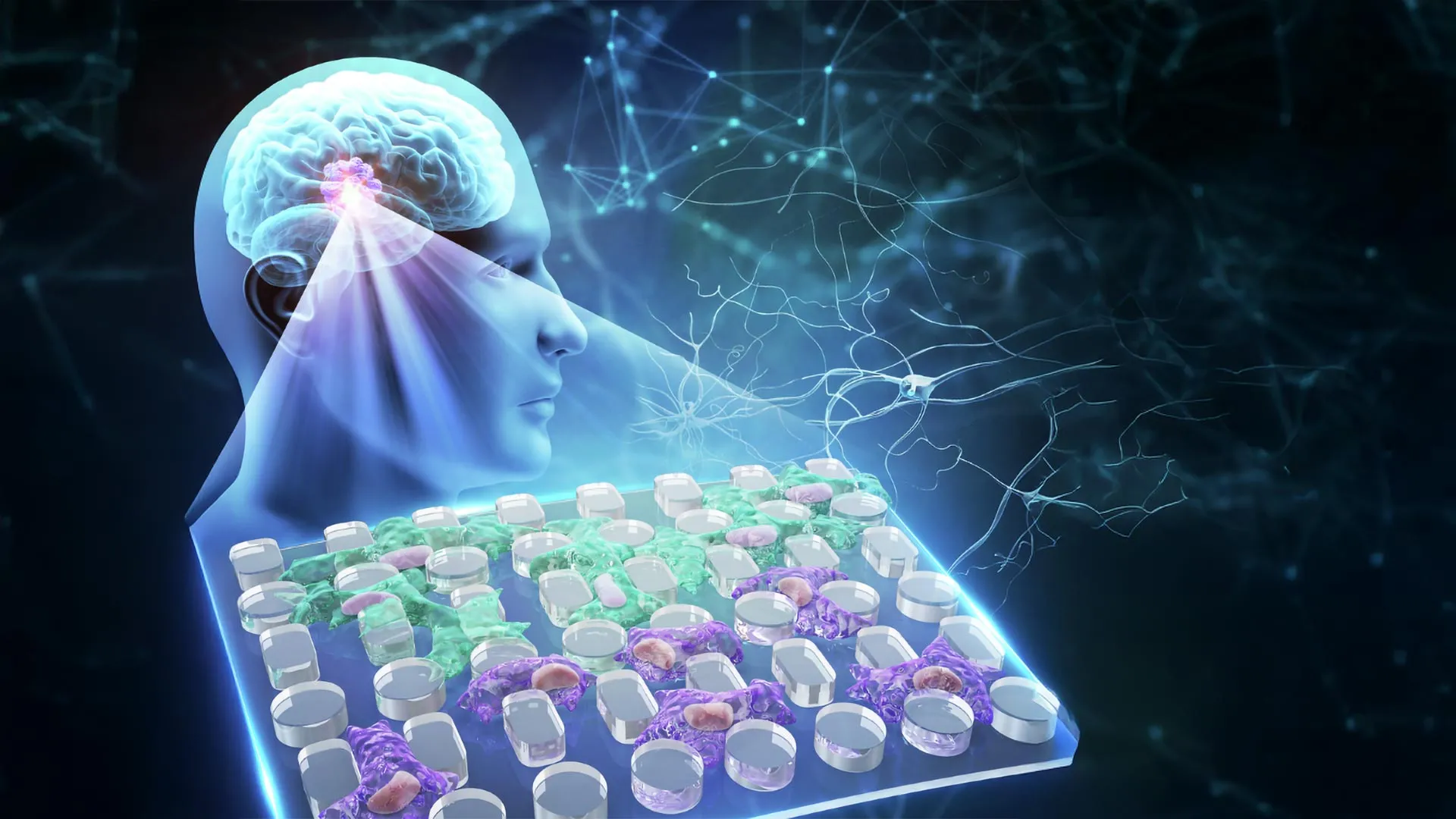
Raman spectroscopy operates on the principle of inelastic scattering of monochromatic light, typically from a laser. When the laser light interacts with molecular vibrations within a sample, the energy of the photons is shifted. This shift provides a "chemical fingerprint" unique to the specific molecules present. In standard Raman spectroscopy, a single measurement is taken at a specific point. However, the hyperspectral imaging method employed by the Rice researchers repeats this process millions of times across a thin slice of brain tissue.
Ziyang Wang, a doctoral student in electrical and computer engineering at Rice and a lead author of the study, explained the complexity of the process. "Traditional Raman spectroscopy takes one measurement of chemical information per molecular site," Wang noted. "Hyperspectral Raman imaging repeats this measurement thousands of times across an entire tissue slice to build a full map. The result is a detailed picture showing how chemical composition varies across different regions of the brain."
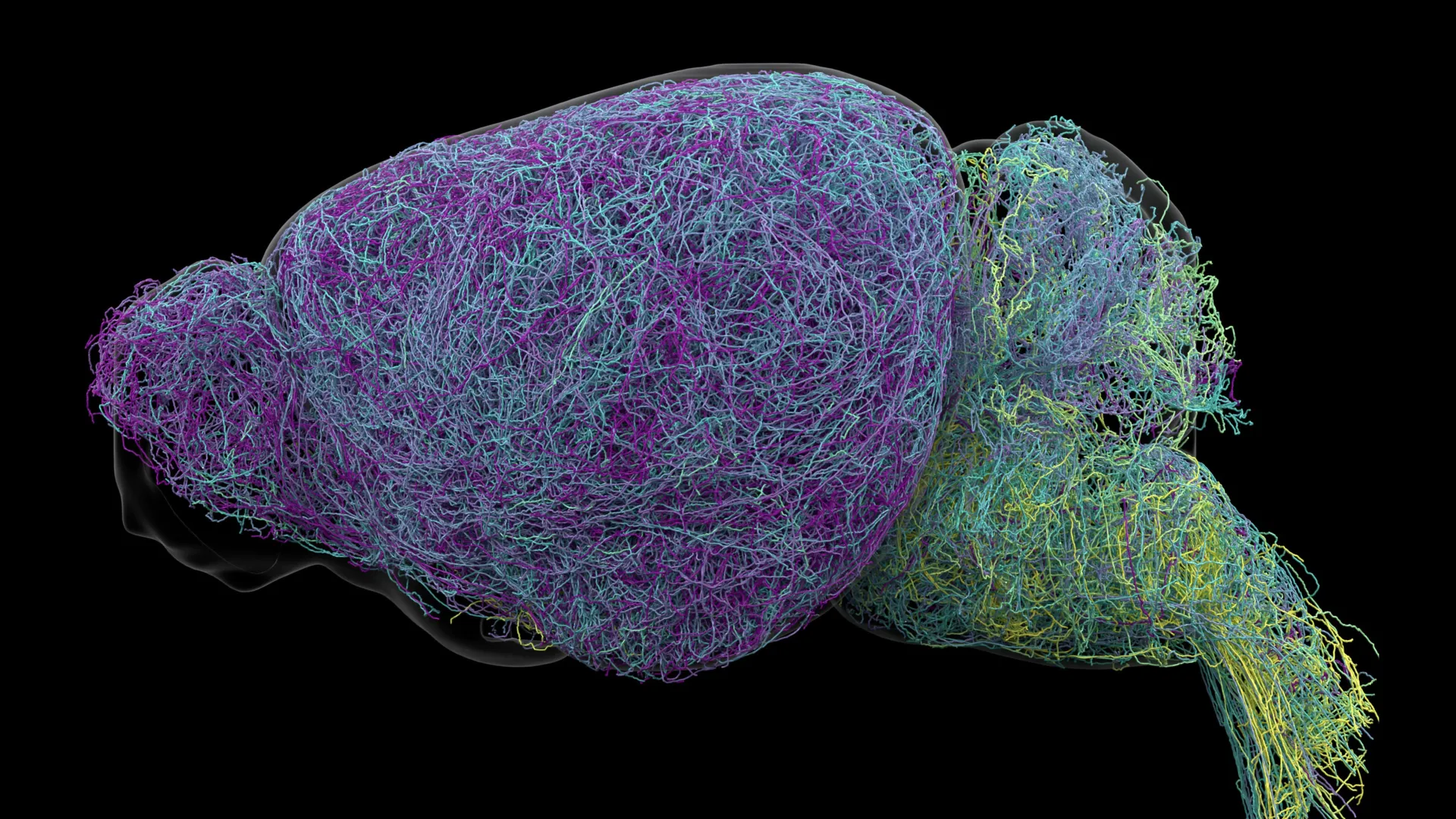
By compiling these thousands of overlapping measurements, the team was able to construct high-resolution molecular maps. This allowed them to observe the brain "as is," capturing an unaltered portrait of its chemical makeup. This unbiased approach is particularly valuable for identifying previously unknown disease-related changes that might be overlooked by researchers focusing solely on pre-defined markers like amyloid-beta plaques.
Challenging the Amyloid-Centric View
For decades, Alzheimer’s research has been dominated by the "amyloid hypothesis," which suggests that the accumulation of amyloid-beta plaques is the primary driver of the disease. While these plaques are a hallmark of the condition, the Rice University study reveals a far more complex reality. The molecular atlas demonstrates that the chemical alterations associated with Alzheimer’s are not confined to the immediate vicinity of these plaques.
The research indicates that chemical "scars" and metabolic shifts appear throughout the brain in uneven, highly complex patterns. These changes affect the surrounding tissue and distant regions long before traditional imaging might detect a physical plaque. This finding helps explain a long-standing mystery in clinical settings: why some patients with significant plaque buildup remain cognitively functional, while others with fewer plaques suffer from severe dementia. The Rice atlas suggests that the total chemical health of the brain environment—rather than just the presence of protein aggregates—is the true determinant of disease severity.
The Integration of Machine Learning and Big Data
The sheer volume of data produced by hyperspectral imaging is immense. Each brain slice generates millions of data points, each containing a complex spectrum of chemical information. To navigate this "big data" challenge, the Rice team turned to machine learning (ML).
The analysis was conducted in two distinct phases. First, the researchers applied unsupervised machine learning. In this mode, the algorithms were tasked with finding natural patterns and clusters within the chemical signals without any prior instructions or labels. This allowed the AI to identify molecular signatures of the disease that the human eye or traditional statistical methods might miss. The models sorted the tissue based entirely on its inherent molecular characteristics, effectively "discovering" the chemical differences between healthy and diseased states.
In the second phase, the team utilized supervised machine learning. By training the models on known samples of healthy and Alzheimer’s-affected tissue, the researchers were able to quantify how strongly different regions of the brain reflected the chemical hallmarks of the disease. This step was crucial for mapping the "uneven" damage across the organ.
"We found that the changes caused by Alzheimer’s disease are not spread evenly across the brain," Wang stated. "Some regions show strong chemical changes, while others are less affected. This uneven pattern helps explain why symptoms appear gradually and why treatments that focus on only one problem have had limited success."
Metabolic Disruption: Cholesterol and Glycogen
One of the most striking findings of the study involves the disruption of brain metabolism, specifically regarding lipids and energy reserves. The molecular atlas highlighted significant variations in the levels of cholesterol and glycogen between healthy and Alzheimer’s brains.
The most dramatic contrasts were found in the hippocampus and the cortex—areas of the brain essential for memory, learning, and higher-order cognition. Cholesterol is a vital component of cell membranes and is essential for maintaining the structural integrity of neurons and the myelin sheaths that insulate nerve fibers. Glycogen, meanwhile, serves as a critical local energy reserve for the brain, which is an energy-intensive organ.
Shengxi Huang, associate professor of electrical and computer engineering and materials science and nanoengineering, and the study’s corresponding author, emphasized the importance of these metabolic findings. "Together, these findings support the idea that Alzheimer’s involves broader disruptions in brain structure and energy balance, not only protein buildup and misfolding," Huang said.
The discovery of altered glycogen levels adds weight to the emerging theory that Alzheimer’s may be linked to "Type 3 diabetes," a term used by some researchers to describe the insulin resistance and glucose metabolism issues observed in the brains of AD patients. By showing exactly where these metabolic failures occur, the Rice atlas provides a roadmap for future therapies targeting brain energy regulation.
Chronology of the Research and Trial-and-Error
The development of the molecular atlas was the result of a multi-year effort characterized by iterative testing. The project began as a series of discussions regarding the limitations of current neuroimaging. Initially, the team focused on measuring chemical signatures in small, isolated areas of brain tissue.
The transition from small-scale measurements to a whole-brain atlas required overcoming significant technical hurdles. The team had to refine the hyperspectral imaging hardware to maintain stability over the long durations required to scan entire brain slices. Furthermore, the machine learning models had to be optimized to handle the noise and variability inherent in biological samples.
"It took several rounds of testing and trial and error before the measurements and analysis worked well together," Wang recalled. The moment of breakthrough occurred when the disparate data points were finally synthesized into a cohesive map. "Patterns emerged that had not been visible under regular imaging. Seeing those results was deeply satisfying. It felt like revealing a hidden layer of information that had been there all along."
Institutional Support and Future Implications
The research was a collaborative effort involving several of Rice University’s prestigious institutes, including the Ken Kennedy Institute, the Rice Advanced Materials Institute, and the Smalley-Curl Institute. The project received financial backing from major federal and private entities, including the National Science Foundation (NSF), the National Institutes of Health (NIH), and the Welch Foundation.
The implications of this work extend far beyond the laboratory. By providing a comprehensive chemical map, the Rice team has created a tool that could revolutionize how drug candidates are tested. Currently, many Alzheimer’s drugs fail in clinical trials because they target amyloid plaques but do not address the underlying metabolic and chemical shifts identified in this study. Future drug developers can now use this atlas as a benchmark to see if their treatments actually restore the brain’s chemical balance across different regions.
Furthermore, the label-free nature of the imaging suggests potential for future diagnostic applications. While Raman imaging is currently used on excised tissue, the principles of hyperspectral chemical analysis could eventually inform the development of non-invasive diagnostic tools that look for "chemical signatures" of Alzheimer’s in patients long before cognitive decline begins.
A New Era in Alzheimer’s Research
The Rice University molecular atlas represents a shift in perspective for the field of neurology. It moves the conversation away from a singular focus on "plaques and tangles" toward a more holistic understanding of the brain as a complex chemical ecosystem.
As the global population ages, the prevalence of Alzheimer’s is expected to rise sharply. Current estimates suggest that by 2050, the number of people living with the disease could triple. The data-driven, unbiased approach pioneered by Ziyang Wang, Shengxi Huang, and their colleagues provides a much-needed new lens through which to view this devastating condition. By revealing the "hidden layer" of the Alzheimer’s brain, this research paves the way for a more nuanced, effective approach to diagnosis and treatment, offering hope for millions of families affected by the disease.