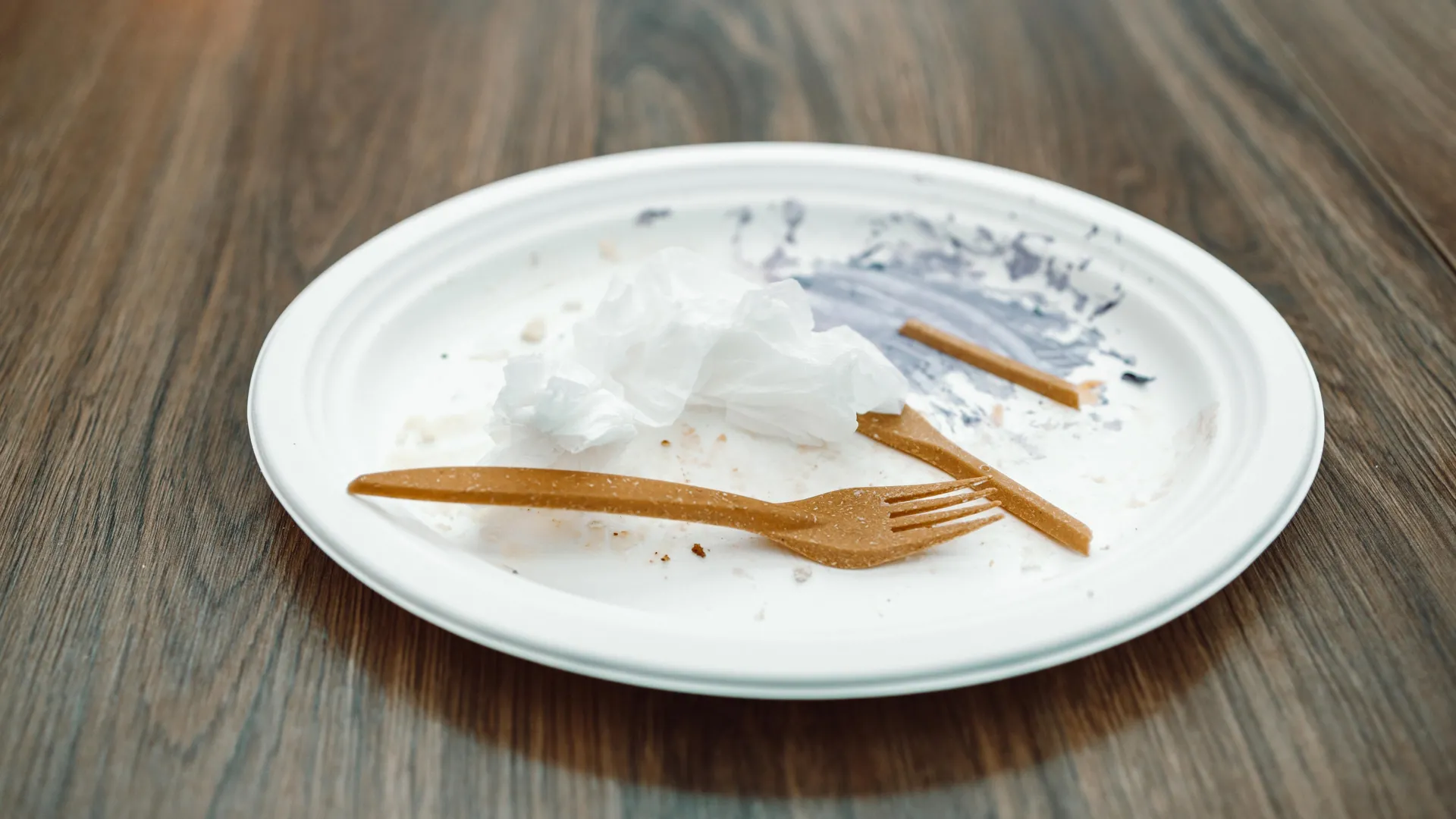
In an era defined by the escalating environmental toll of synthetic polymers, a breakthrough in materials science has emerged from a cross-continental collaboration between Australian and Colombian researchers. Scientists at Flinders University in South Australia, working in tandem with the Universidad de Bogotá Jorge Tadeo Lozano, have successfully engineered a biodegradable, milk-based functional film designed to replace traditional single-use plastics. This new material, primarily composed of calcium caseinate—a protein derived from milk—demonstrates the potential to match the durability and flexibility of conventional packaging while offering a radical improvement in environmental footprint, completely decomposing in soil within a three-month window.
The research, recently published in the peer-reviewed journal Polymers, arrives at a critical juncture for global environmental policy. As international bodies grapple with the reality that current recycling infrastructure is insufficient to manage the hundreds of millions of tonnes of plastic produced annually, the focus has shifted toward the development of "benign-by-design" materials. The Flinders-led project represents a significant step forward in this field, utilizing a sophisticated blend of biopolymers and nanoclays to create a product that is both high-performing and ecologically safe.
The Science of Milk-Based Nanocomposites
The core of this innovation lies in the synergy between organic proteins and mineral reinforcements. The research team utilized calcium caseinate, a commercially available form of casein. Casein is the primary phosphoprotein found in mammalian milk, long known for its film-forming properties but historically limited by its sensitivity to moisture and relatively low mechanical strength. To overcome these hurdles, the researchers integrated a complex matrix of additives.
Central to the material’s structural integrity is bentonite nanoclay. By incorporating these microscopic clay particles, the scientists were able to create a "tortuous path" within the film’s structure. This nanostructure significantly enhances the material’s barrier performance, making it more resistant to the permeation of gases and moisture—a vital requirement for food packaging. To ensure the material remained flexible enough for practical applications, the team added glycerol, a common plasticizer, and polyvinyl alcohol (PVA), a biodegradable synthetic polymer known for its remarkable mechanical features and compatibility with organic binders.
The resulting thin, flexible film was subjected to rigorous testing to determine its viability as a commercial alternative to polyethylene or polypropylene. The results indicated that the modified starch and nanoclay suspension provided a robust framework, allowing the bioplastic to withstand the stresses typical of food transport and storage without the use of the toxic chemical stabilizers found in traditional plastics.
Rapid Soil Degradation and Safety Profile
One of the most striking findings of the study is the material’s degradation timeline. Conventional plastics can persist in the environment for centuries, eventually fragmenting into microplastics that infiltrate the food chain and human endocrine systems. In contrast, the milk-based film developed by the Flinders and Bogotá teams showed steady decomposition under standard soil conditions.
The study’s longitudinal tests revealed that the material undergoes a complete breakdown within approximately 13 weeks. This 90-day window aligns with industrial composting standards and ensures that the material does not contribute to the long-term accumulation of waste in landfills or oceans. Furthermore, the safety of the degradation process was a primary concern for the researchers. Microbial testing conducted during the study confirmed that bacterial colony levels remained within strictly acceptable limits for non-antimicrobial biodegradable films. This suggests a low-toxicity profile, indicating that as the plastic breaks down, it does not release harmful residues into the soil microbiome.
Professor Youhong Tang, a leading nanomaterials researcher at the Flinders College of Science and Engineering and the Flinders Institute for NanoScale Science and Technology, emphasized the importance of these safety benchmarks. While the initial results are highly promising, Professor Tang noted that the development process is ongoing. "We would recommend further antibacterial evaluations in further testing and development," he stated, highlighting the team’s commitment to ensuring the material is safe for direct contact with various food groups over extended periods.
The Global Imperative: Contextualizing the Plastic Crisis
the development of this milk-based alternative is not merely a scientific achievement but a necessary response to a looming ecological catastrophe. Data from the Organisation for Economic Co-operation and Development (OECD) paints a grim picture of the current trajectory of plastic waste. Without immediate and coordinated international intervention, global plastic production is projected to increase by 70% between 2020 and 2040. This would result in over 700 million tonnes of plastic being manufactured annually.
The historical context of this growth is staggering. In 1950, the world produced roughly 2 million tonnes of plastic. By 2022, that figure had ballooned to 475 million tonnes—a mass equivalent to the weight of approximately 250 million cars. Despite decades of public awareness campaigns regarding recycling, the efficiency of these systems remains dismal. An analysis published in the journal Nature estimates that only 10% of all plastic ever produced has been recycled. The remaining 90% is either incinerated, contributing to atmospheric pollution, or discarded into the environment.
Perhaps most concerning is the prevalence of single-use plastics, which account for roughly 60% of all plastic production. These items, designed for minutes of use, persist for generations. They are often laden with thousands of chemical additives, including dyes, plasticizers, and flame retardants, many of which have been linked to cancer, reproductive issues, and developmental delays in humans and wildlife. The Flinders research specifically targets this "single-use" category, providing a path toward a circular economy where packaging returns to the earth as nutrients rather than toxins.
International Collaboration and the Path to Innovation
The success of the project is attributed to a robust international partnership. The collaboration included chemical engineering experts from Colombia, specifically Nikolay Estiven Gomez Mesa and Professor Alis Yovana Pataquiva-Mateus from the Department of Engineering at Universidad de Bogotá Jorge Tadeo Lozano. Working within the Nanobioengineering Research Group in Bogotá, the Colombian team provided critical insights into polymer casting and the integration of natural components.
Mr. Gomez Mesa explained that the project’s origins were rooted in experimentation with milk-based nanofibers. "We were experimenting with caseinates to make milk-based nanofibers and found that it could be used to cast polymers similar to common packaging materials," he noted. The transition from nanofibers to functional films required a meticulous balancing of ingredients. The team sought to use "inexpensive ingredients that are biodegradable and environmentally friendly," ensuring that the final product would be economically competitive with petroleum-based plastics.
The integration of starch and bentonite was a turning point. Starch, being abundant and low-cost, serves as an ideal filler, while the nanoclays provide the "enhanced characteristics" necessary for industrial application. Professor Pataquiva-Mateus underscored the broader societal implications of their work, stating that finding biodegradable alternatives is a crucial responsibility of the scientific community. "Most of our single-use plastic comes from food packaging, so these sorts of options should be explored further and join the circular economy revolution to conserve resources," she said.
Implications for Industry and the Circular Economy
The move toward milk-based bioplastics aligns with a broader shift in the manufacturing sector known as the "Circular Economy." In a linear economy, resources are extracted, used, and discarded. In a circular model, materials are designed to be recaptured or safely returned to the environment. The calcium caseinate film fits perfectly into this paradigm. Because it is derived from a byproduct of the dairy industry (casein can be extracted from skim milk or as a byproduct of cheese production), it utilizes existing agricultural streams rather than relying on fossil fuel extraction.
For the food industry, the implications are profound. Retailers and manufacturers are under increasing pressure from both regulators and consumers to reduce their plastic footprint. The European Union, for instance, has already implemented strict bans on various single-use plastic items, and similar legislation is being considered globally. A functional, biodegradable film that can be produced using existing polymer-casting infrastructure would allow companies to meet sustainability goals without completely redesigning their supply chains.
However, challenges remain. Scaling the production of milk-based bioplastics to meet the demand of the multi-billion-dollar packaging industry will require significant investment in processing facilities. There are also ethical and logistical considerations regarding the use of food-based proteins for packaging in a world facing food security challenges. Nevertheless, the Flinders researchers argue that by using industrial-grade casein and agricultural byproducts, they can mitigate these concerns.
Future Outlook and Research Trajectory
As the research moves from the laboratory toward pilot-scale production, the team at Flinders University and their Colombian partners are looking to refine the material’s properties further. Future iterations of the film may include natural antimicrobial agents derived from essential oils, which could extend the shelf life of perishable foods while maintaining the material’s biodegradable status.
The 13-week degradation benchmark serves as a powerful proof of concept. It demonstrates that the marriage of ancient proteins and modern nanotechnology can produce materials that meet the needs of a high-tech society without compromising the health of the planet. As Professor Tang noted, the rise of global pollution is a trend that must be slowed through the development of sustainable alternatives. The milk-based film is more than just a scientific curiosity; it is a blueprint for a future where packaging is as temporary as the products it protects.
In the coming years, the success of such bioplastics will depend on the continued collaboration between academia, industry, and government. With the OECD warning of a massive surge in plastic production, the work being done at the Tonsley Campus and in Bogotá provides a necessary glimmer of hope. By reimagining the molecular makeup of our everyday items, scientists are proving that the transition away from a plastic-dependent world is not only possible but is already underway.