Lecanemab, a monoclonal antibody treatment marketed under the brand name Leqembi, represents a significant milestone in the clinical management of Alzheimer’s disease by targeting and removing the amyloid-beta plaques that characterize the condition. While the drug’s ability to slow cognitive decline has been clinically documented, the precise biological pathways through which it facilitates the clearance of these toxic protein deposits remained a subject of intense scientific debate until now. A seminal study conducted by researchers at the VIB-KU Leuven Center for Brain & Disease Research, published in the journal Nature Neuroscience, has finally elucidated the mechanism of action. The research identifies a specific component of the antibody, the Fc fragment, as the essential trigger for activating microglia—the brain’s resident immune cells—to engage in the aggressive removal of amyloid plaques. By resolving this long-standing mystery, the study not only validates the current therapeutic approach but also provides a strategic roadmap for the development of safer, more efficient next-generation treatments for neurodegenerative diseases.
The Biological Challenge of Alzheimer’s Disease
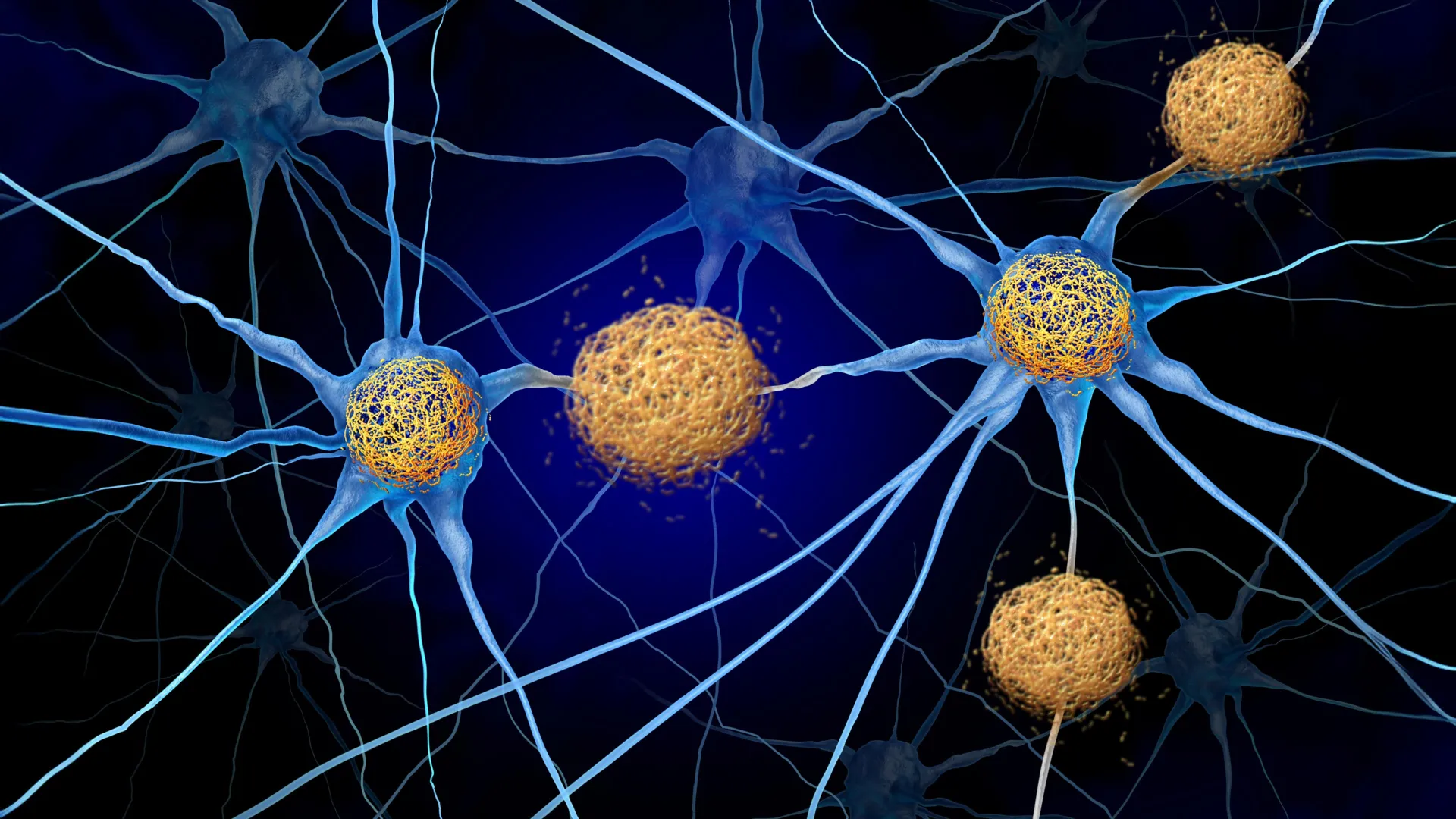
Alzheimer’s disease is a progressive neurodegenerative disorder that currently affects more than 55 million people globally, a figure expected to triple by 2050 as populations age. The pathology is primarily defined by the accumulation of amyloid-beta proteins, which aggregate into insoluble plaques between neurons. These plaques disrupt cell-to-cell communication and trigger a cascade of neuroinflammation and oxidative stress, eventually leading to neuronal death and the clinical symptoms of dementia, including memory loss and cognitive impairment.
In a healthy brain, microglia serve as the primary defense mechanism, acting as "cellular janitors" that patrol the central nervous system to identify and remove debris, pathogens, and misfolded proteins. However, in the presence of Alzheimer’s disease, these cells often become dysfunctional. While microglia are frequently found clustered around amyloid plaques, they typically fail to clear them effectively. Instead, they can enter a state of chronic activation that contributes to further brain damage rather than repair. The central goal of modern pharmacology has been to find a way to "reprogram" these immune cells to resume their protective functions.
Decoding the Mechanism: The Essential Role of the Fc Fragment
Antibodies like lecanemab are Y-shaped proteins consisting of two primary functional domains. The "arms" of the Y, known as the Fab (fragment antigen-binding) region, are designed to recognize and bind to a specific target—in this case, the amyloid-beta protofibrils. The "stem" of the Y is called the Fc (fragment crystallizable) fragment. This region does not bind to the target itself but instead serves as a signaling beacon for the rest of the immune system.
The VIB-KU Leuven study, led by Professor Bart De Strooper, Dr. Giulia Albertini, and Magdalena Zielonka, sought to determine whether the mere binding of the antibody to the plaque was sufficient for clearance, or if the immune system’s involvement via the Fc fragment was mandatory. "Our study is the first to clearly demonstrate how this anti-amyloid antibody therapy works in Alzheimer’s disease," stated Dr. Albertini, co-first author of the study. "We show that the therapy’s efficacy relies on the antibody’s Fc fragment, which activates microglia to effectively clear amyloid plaques."
The research team discovered that the Fc fragment acts as a physical and chemical anchor. When lecanemab binds to a plaque via its Fab region, the Fc fragment remains exposed. Microglia possess specific receptors on their surface that "latch" onto this Fc fragment. This connection triggers a series of intracellular signals that transform the microglia from a passive or ineffective state into a highly efficient, plaque-clearing state.
Advanced Methodology: Humanized Models and Spatial Transcriptomics
A significant hurdle in Alzheimer’s research has been the biological difference between rodent and human immune responses. To overcome this, the VIB-KU Leuven team utilized a sophisticated "humanized" mouse model. These mice were engineered to develop amyloid plaques, but their native mouse microglia were replaced with human microglial cells. This allowed the researchers to observe, with unprecedented accuracy, how a drug designed for humans interacts with human immune cells within a living brain environment.
The researchers conducted experiments comparing standard lecanemab with a modified version of the antibody that lacked a functional Fc fragment. The results were definitive: when the Fc fragment was removed or disabled, the antibody still bound to the amyloid plaques, but the microglia remained indifferent. No significant plaque clearance occurred. This proved that the Fab-mediated binding is only half of the process; the Fc-mediated immune activation is the "engine" of the therapy.
To understand the internal changes occurring within the microglia, the team employed advanced techniques including single-cell RNA sequencing and spatial transcriptomics. Using a method called NOVA-ST, developed by the Stein Aerts lab at VIB-KU Leuven, they mapped gene expression changes in the cells immediately surrounding the plaques. They identified a specific genetic signature associated with successful clearance, characterized by the high expression of the gene SPP1 (which encodes the protein osteopontin). This genetic reprogramming was entirely dependent on the presence of the Fc fragment.
Chronology of Amyloid-Targeting Therapies
The discovery of lecanemab’s mechanism is the culmination of decades of research and clinical trials that have seen both high-profile failures and historic breakthroughs:
- 1980s-1990s: The "Amyloid Hypothesis" is formulated, suggesting that amyloid-beta accumulation is the primary driver of Alzheimer’s.
- 2000s-2010s: Numerous clinical trials for anti-amyloid antibodies (such as bapineuzumab and solanezumab) fail to show significant cognitive benefits, leading to skepticism regarding the amyloid hypothesis.
- 2021: The FDA grants accelerated approval to aducanumab (Aduhelm), the first drug to target the underlying disease process rather than just symptoms, though its approval is met with controversy over its efficacy data.
- January 2023: Lecanemab (Leqembi) receives accelerated FDA approval based on Phase 3 data showing a 27% reduction in cognitive decline over 18 months.
- July 2023: The FDA grants full traditional approval to lecanemab, making it the first amyloid-targeting therapy to reach this milestone.
- 2024: The VIB-KU Leuven study is published in Nature Neuroscience, providing the first definitive mechanistic explanation for how these antibodies work via the Fc-microglia axis.
Supporting Data and Clinical Implications
The clinical trial data for lecanemab (Clarity AD study) involved 1,795 participants with early-stage Alzheimer’s. The data showed that the drug reduced brain amyloid levels significantly; at 18 months, the average amyloid level in the treated group was below the threshold for a positive Alzheimer’s diagnosis.
However, the therapy is associated with side effects known as ARIA (Amyloid-Related Imaging Abnormalities), which include brain swelling or microhemorrhages. These occur when the immune system becomes overly aggressive or when the removal of amyloid from blood vessel walls weakens those vessels.
The VIB-KU Leuven findings offer a potential solution to these safety concerns. By understanding that the Fc fragment is the trigger for microglial activation, researchers can now look for ways to fine-tune this activation. If the "cleanup" process can be modulated to be more controlled, the risk of ARIA could potentially be reduced. Furthermore, the identification of the SPP1 gene signature provides a new biomarker to measure whether a patient’s immune system is responding correctly to the treatment.
Official Responses and Expert Insights
The scientific community has reacted to the study with optimism, viewing it as a bridge between laboratory research and clinical practice. Magdalena Zielonka, co-first author, emphasized the importance of the human-centric approach: "The fact that we used human microglia within a controlled experimental model was a major strength of our study. This allowed us to test the very antibodies used in patients and observe human-specific responses with unprecedented resolution."
Professor Bart De Strooper, a leading figure in Alzheimer’s research and the study’s senior author, noted that the implications extend far beyond lecanemab. "This opens doors to future therapies that may activate microglia without requiring antibodies," De Strooper concluded. "Understanding the importance of the Fc fragment helps guide the design of next-generation Alzheimer’s drugs."
Industry analysts suggest that this mechanistic clarity will encourage further investment in "microglia-modulating" therapies. Rather than relying on expensive and difficult-to-administer intravenous antibodies, future drugs might consist of small molecules that enter the brain and directly trigger the SPP1 pathway or other microglial cleanup programs identified in this study.
Impact on the Future of Neurodegenerative Treatment
The clarification of the Fc-microglia pathway marks a turning point in the fight against Alzheimer’s. It shifts the focus from merely "binding to amyloid" to "orchestrating an immune response." This distinction is vital for the development of combination therapies, where lecanemab might be used alongside other drugs that further enhance microglial health or protect neurons from the inflammation that occurs during plaque removal.
Furthermore, this research has implications for other neurodegenerative diseases characterized by protein misfolding, such as Parkinson’s (alpha-synuclein) or ALS (TDP-43). If the Fc-microglia mechanism is a universal requirement for antibody-mediated protein clearance in the brain, the design principles learned from lecanemab can be applied to a broad spectrum of currently incurable conditions.
As the global healthcare system prepares for the rising tide of Alzheimer’s cases, the insights provided by the VIB-KU Leuven team offer a more precise toolkit for clinicians. By knowing exactly how the "biological machinery" of plaque clearance operates, the medical community is better positioned to transform Alzheimer’s from a terminal diagnosis into a manageable chronic condition.