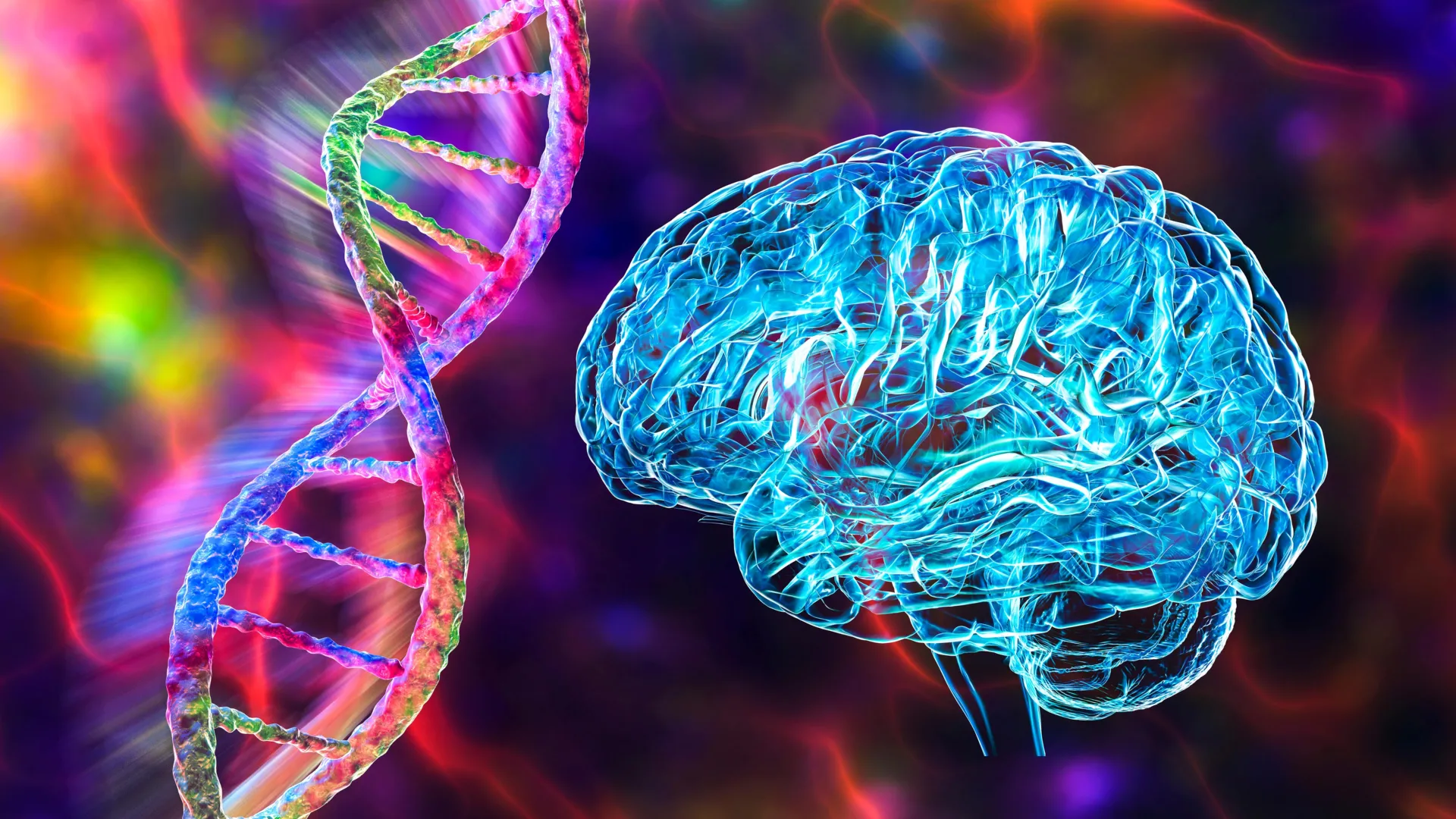
A new preclinical study has identified a gene therapy that directly targets pain-processing areas in the brain while avoiding the addiction risks linked to narcotic drugs. The findings could offer new hope to more than 50 million Americans living with chronic pain. This scientific milestone, published recently in the journal Nature, represents the culmination of more than six years of intensive cross-disciplinary research aimed at decoupling the analgesic benefits of opioids from their devastating side effects. By leveraging advanced genetic engineering and artificial intelligence, researchers have successfully demonstrated a method to "turn down the volume" on chronic pain signals without activating the reward pathways that lead to chemical dependency.
A Precision Approach to Pain Management
Living with chronic pain is often compared to having a radio stuck at full volume, where the noise never fades no matter what an individual tries. Traditional pharmaceutical interventions, particularly opioids such as morphine and oxycodone, have long been the standard for managing severe pain. While these drugs can effectively lower the perceived volume of pain, they do so through a systemic approach that affects various regions of the brain and central nervous system. This lack of specificity is the primary driver of serious side effects, including respiratory depression, cognitive impairment, and a high risk of addiction.
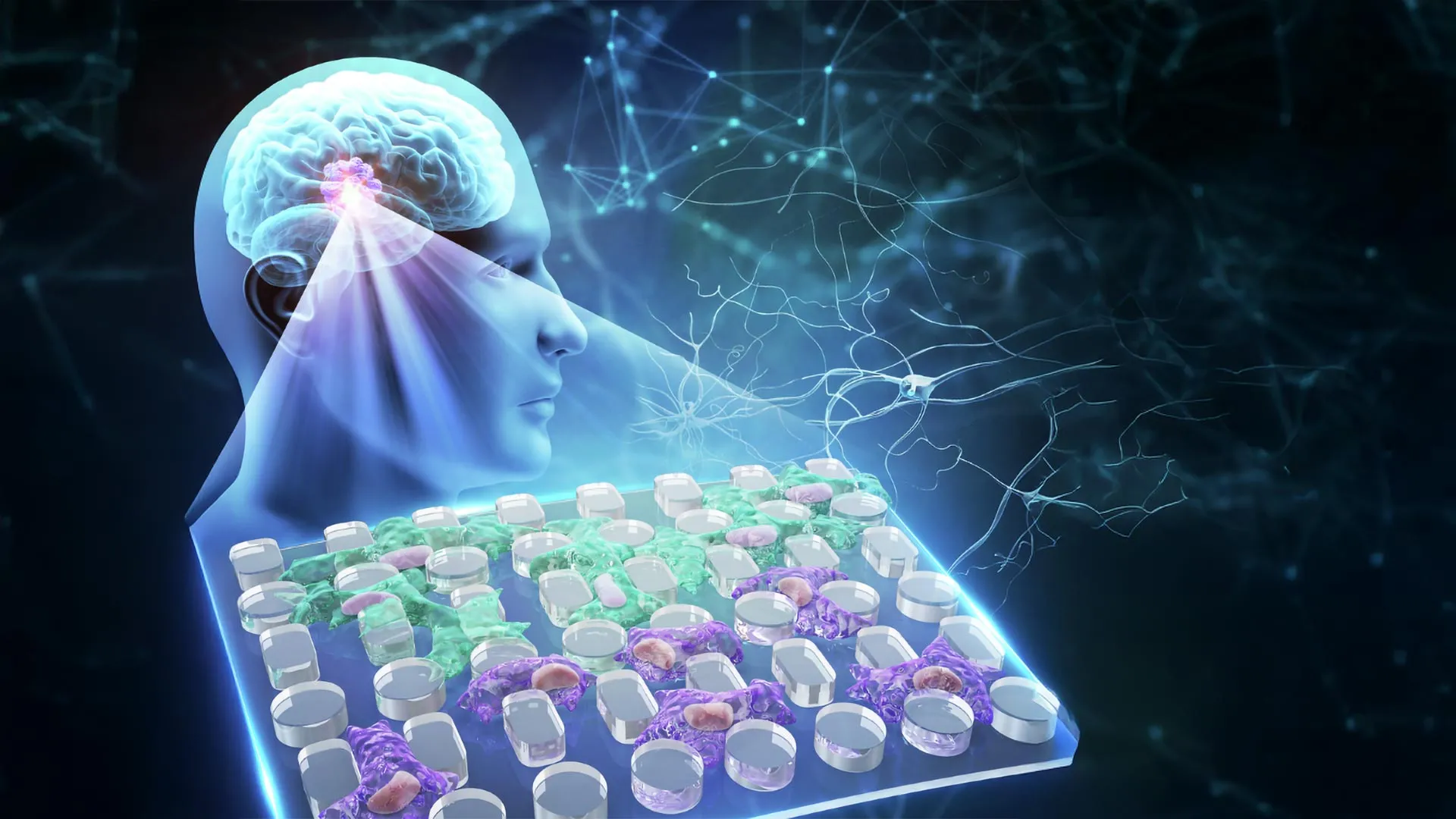
The new gene therapy developed by researchers from the University of Pennsylvania Perelman School of Medicine and School of Nursing, in collaboration with Carnegie Mellon University and Stanford University, functions with far greater surgical precision. Researchers describe the therapy as a targeted volume control that isolates the pain signal while leaving the rest of the brain’s functions unaffected. This "circuit-specific" approach is designed to provide sustained relief by interacting only with the precise neural pathways responsible for processing pain, thereby bypassing the dopamine-rich reward circuits that fuel the cycle of addiction.
Gregory Corder, PhD, co-senior author and assistant professor of Psychiatry and Neuroscience at Penn, emphasized the transformative potential of this research. "The goal was to reduce pain while lessening or eliminating the risk of addiction and dangerous side effects," Corder stated. "By targeting the precise brain circuits that morphine acts on, we believe this is a first step in offering new relief for people whose lives are upended by chronic pain."
Leveraging AI to Map Neural Pain Circuits
The development of this therapy relied heavily on modern technological integration, specifically the use of artificial intelligence (AI) to decode the complexities of how the brain perceives pain. Historically, morphine—a drug derived from the opium poppy—has been used to treat pain by binding to mu-opioid receptors. However, its efficacy is often short-lived due to the development of tolerance, a condition where patients require increasingly higher doses to achieve the same therapeutic effect, which in turn increases the risk of overdose.
To address these challenges, the research team sought to better understand the specific brain cells involved in tracking and maintaining pain signals. They utilized an AI-powered system in mouse models to monitor natural behaviors and estimate pain levels with a degree of accuracy previously unavailable to researchers. By analyzing subtle behavioral shifts, the AI could determine the exact amount of treatment required and identify which neural circuits were most active during pain episodes.
This data served as a blueprint for designing the targeted gene therapy. The treatment introduces a brain-specific "off switch" for pain. When this genetic switch is activated, it provides sustained pain reduction without interfering with the subject’s normal sensory perceptions or motor functions. Most importantly, the therapy did not trigger the reward-seeking behaviors typically observed in traditional opioid use, suggesting a significant breakthrough in creating non-addictive pain medicine. According to Corder, this represents the world’s first central nervous system (CNS)-targeted gene therapy for pain, providing a concrete framework for future non-opioid treatments.
The Socioeconomic Urgency of Safer Pain Relief
The urgency of this research is underscored by the ongoing opioid crisis, which continues to devastate communities across the United States. In 2019 alone, drug use was linked to approximately 600,000 deaths globally, with 80 percent of those fatalities involving opioids. The crisis has hit urban centers particularly hard; a 2025 Pew survey revealed the deep social scars of the epidemic in Philadelphia, where nearly half of residents reported knowing someone with opioid use disorder (OUD), and one-third knew someone who had died from an overdose.
At the same time, the medical community faces the challenge of treating the "silent epidemic" of chronic pain. It is estimated that 50 million Americans suffer from chronic pain conditions, which lead to more than $635 million in annual costs. These figures include direct medical expenses as well as indirect costs such as lost productivity, missed work, and reduced lifetime earnings. For many of these individuals, the choice has been between living in debilitating pain or risking the life-altering consequences of long-term opioid use.
The Penn study offers a potential third path: a medical intervention that addresses the biological root of pain without the social and personal costs of narcotic dependency. If the results of this preclinical study can be replicated in human subjects, the economic and social burden of both chronic pain and opioid addiction could be significantly mitigated.
A Chronology of Discovery and Collaboration
The road to this discovery began more than six years ago, supported by a National Institutes of Health (NIH) New Innovator Award. This funding allowed the research team to conduct a deep dive into the mechanisms of how chronic pain develops and why it persists long after an initial injury has healed. The study required a multi-disciplinary effort, combining Penn’s expertise in neuroscience and nursing with Carnegie Mellon’s advancements in machine learning and Stanford’s innovations in genetic sequences.
The timeline of the research progressed through several critical phases:
- Initial Mapping: Identifying the specific mu-opioid receptor-expressing neurons in the brain that are responsible for pain modulation rather than reward.
- AI Integration: Developing the computer vision and machine learning tools necessary to objectively measure pain in animal models.
- Genetic Engineering: Designing synthetic opioid promoters and custom genetic sequences to create the "off switch" mechanism.
- Validation: Testing the therapy in preclinical models to ensure long-term efficacy and the absence of addictive behaviors.
- Intellectual Property: Filing provisional patent applications (patent application number: 63/383,462) for the custom sequences used in the development of synthetic opioid promoters.
The research was bolstered by a wide array of funding bodies, including various branches of the National Institutes of Health, the Howard Hughes Medical Institute, the Whitehall Foundation, and the Tito’s Love Research Fund. This broad base of support highlights the scientific community’s recognition of the critical need for innovation in pain management.
Path Toward Clinical Implementation
As the research moves out of the laboratory phase, the team is looking toward the future of clinical trials. The researchers are now collaborating with Michael Platt, PhD, the James S. Riepe University Professor at Penn, who holds appointments in Neuroscience and Psychology. Platt’s involvement is intended to help bridge the gap between basic scientific discovery and human medical application.
"The journey from discovery to implementation is long, and this represents a strong first step," Platt noted. He highlighted the personal and professional stakes of the work, adding, "Speaking both as a scientist and as a family member of people affected by chronic pain, the potential to relieve suffering without fueling the opioid crisis is exciting."
The transition to human trials will involve rigorous safety testing to ensure that the gene therapy behaves in the human brain with the same precision observed in animal models. Researchers will need to determine the most effective delivery methods for the gene therapy and monitor for any long-term effects on neurological health.
Broader Implications for Modern Medicine
The success of this study suggests a shift in how chronic conditions might be treated in the future. Rather than relying on systemic drugs that bathe the entire body in chemicals, the future of medicine may lie in circuit-specific therapies that address the exact site of pathology. This "blueprint" for non-addictive pain medicine could theoretically be applied to other neurological conditions where targeted intervention is required but current treatments are limited by systemic side effects.
Furthermore, the study illustrates the power of AI in biological research. By using machine learning to interpret complex behaviors, scientists can gain insights that were previously hidden, leading to more effective and personalized medical treatments. As the medical community continues to grapple with the dual challenges of an aging population prone to chronic pain and a society struggling with addiction, the development of CNS-targeted gene therapies represents a beacon of progress in the quest for safer, more effective healthcare solutions.