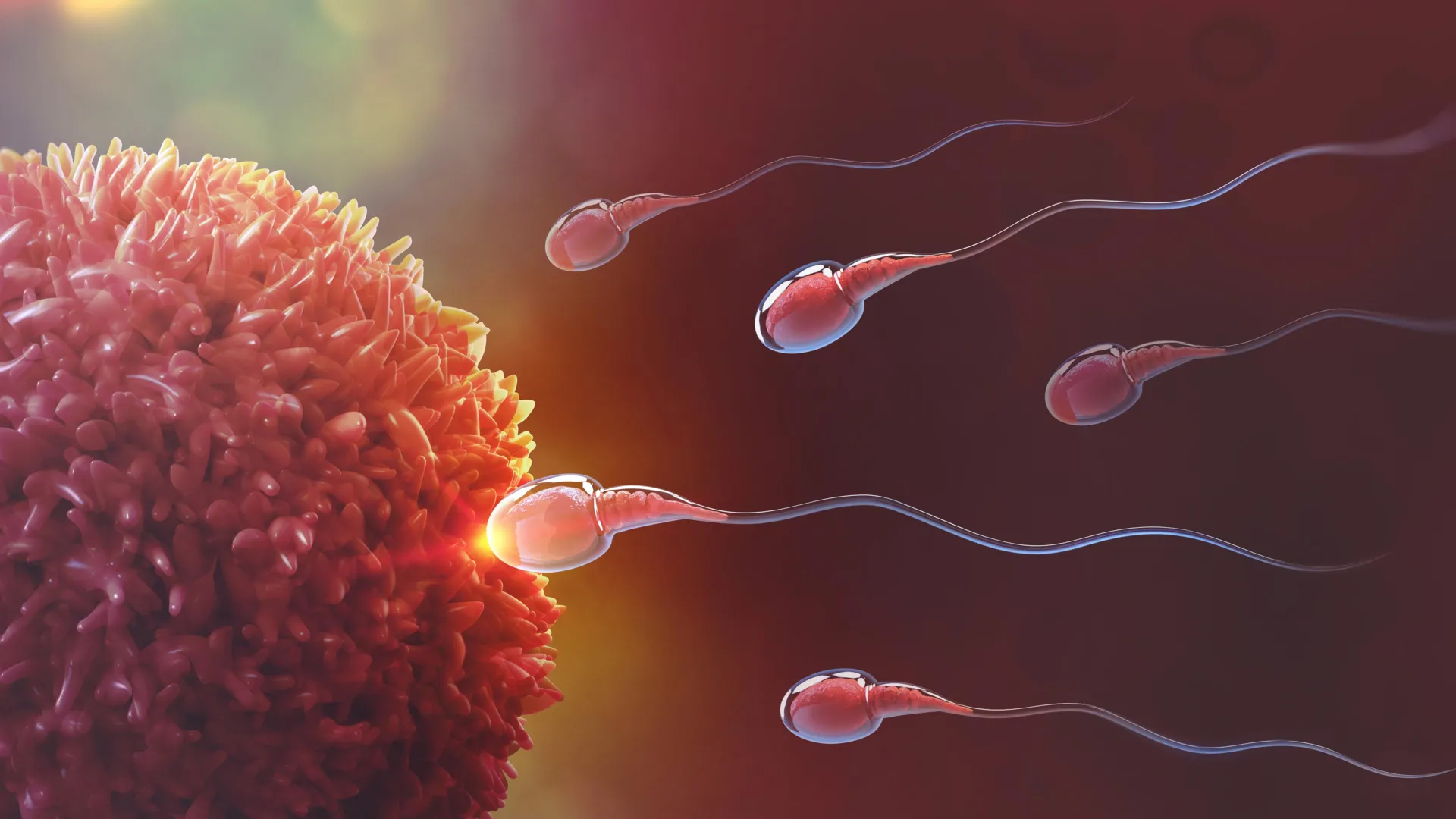
In a significant advancement for reproductive medicine, researchers at Cornell University have announced a major breakthrough in the pursuit of a safe, reversible, and 100% effective nonhormonal male contraceptive. For decades, the development of a "male pill" or its equivalent has been described as the holy grail of family planning, a goal that has remained elusive due to the biological complexities of sperm production and the side effects associated with hormonal interventions. However, a new study published in the Proceedings of the National Academy of Sciences (PNAS) details a proof-of-principle approach that targets the fundamental process of sex cell production, offering a promising path forward for a market that has seen little innovation since the introduction of the vasectomy and the modern condom.
The study, led by Dr. Paula Cohen, a professor of genetics and the director of the Cornell Reproductive Sciences Center, represents the culmination of six years of intensive laboratory research. By utilizing a small molecule inhibitor to interrupt meiosis—the specialized cell division process that produces sperm—the team demonstrated in mouse models that fertility can be temporarily and safely extinguished without impacting long-term reproductive health or the genetic integrity of future offspring.
The Scientific Foundation: Targeting Meiosis Over Hormones
To understand the significance of the Cornell study, it is necessary to examine the current landscape of male contraception. Historically, research into male birth control has focused heavily on hormonal methods, typically involving the administration of testosterone or progestins to suppress the signals from the brain that tell the testes to produce sperm. While effective in some trials, these methods often carry side effects similar to those experienced by women on hormonal birth control, including mood swings, weight gain, and changes in libido. Furthermore, a major World Health Organization (WHO) trial for a male hormonal contraceptive was halted in 2016 due to concerns over the severity of these side effects.
Dr. Cohen’s team took a different approach, moving away from the endocrine system entirely. Instead, they focused on the cellular mechanics of spermatogenesis, specifically a stage called meiosis. Meiosis is the process by which a single cell divides twice to produce four cells containing half the original amount of genetic information. These cells eventually become sperm. By targeting meiosis, the researchers sought to stop the "assembly line" of sperm production at a critical juncture, ensuring that no mature, viable sperm are ever released.
The Cornell study specifically targeted Prophase 1 of meiosis. This is the stage where homologous chromosomes pair up and exchange genetic material, a process known as recombination. By disrupting this specific window, the researchers were able to ensure that the developing sperm cells would not progress further, effectively shutting down fertility at the source without affecting the underlying stem cells that allow for future sperm production.
The Role of JQ1: A Proof-of-Concept Molecule
The primary tool used in this study was a small molecule inhibitor known as JQ1. Originally developed for use in cancer research and the study of inflammatory diseases, JQ1 is known to bind to bromodomain proteins, which are essential for regulating gene expression. In the context of the testes, JQ1 interferes with the chromatin remodeling required for meiosis to proceed through Prophase 1.
While the researchers emphasized that JQ1 itself is not a candidate for a human drug—primarily due to its potential for neurological side effects and its lack of specificity—it served as an ideal "proof-of-principle" tool. It allowed the team to demonstrate that if a drug can successfully target the meiotic pathway, it can achieve total infertility in a reversible manner.
During the experimental phase, male mice were administered JQ1 over a period of three weeks. The results were definitive: sperm production ceased entirely. Microscopic analysis of the testicular tissue showed that the cells were arrested in the early stages of meiosis, unable to complete the transition into mature spermatozoa.
Chronology of the Study and Recovery Data
The six-year timeline of the Cornell research was designed to ensure the highest standards of safety and to monitor the long-term effects of meiotic disruption. Following the three-week administration of JQ1, the researchers began a rigorous observation period to determine if and when fertility would return.
The data revealed a highly predictable recovery timeline:
- Weeks 1–3 (Treatment Phase): JQ1 is administered; sperm count drops to zero; meiotic arrest is confirmed via histological examination.
- Weeks 4–6 (Initial Recovery): Following the cessation of the drug, the blood-testis barrier begins to clear the inhibitor. Spermatogonial stem cells, which were left untouched by the treatment, begin the process of producing new sperm.
- Weeks 7–9 (Full Restoration): Normal meiotic processes are fully restored. Sperm counts return to baseline levels, and the motility and morphology of the new sperm are indistinguishable from those of untreated control mice.
To test the viability of the restored sperm, the researchers bred the recovered male mice with healthy females. The results were a cornerstone of the study’s success: the mice were fully fertile, and the resulting offspring were healthy in every measurable metric. Furthermore, the researchers followed these offspring into adulthood, confirming that they too were fertile and capable of producing healthy "grandchildren" (the F2 generation). This confirmed that interrupting meiosis does not cause "leaky" genetic damage that could be passed down to future generations.
Addressing the Limitations of Current Contraceptive Options
The push for a nonhormonal male contraceptive is driven by a clear gap in the global healthcare market. Currently, men have only two primary options: condoms and vasectomies. Condoms, while effective at preventing STI transmission, have a "typical use" failure rate of approximately 13% per year. Vasectomies are nearly 100% effective but are considered a permanent surgical procedure. Although reversals are possible, they are expensive, not always covered by insurance, and do not guarantee the restoration of fertility.
"We’re practically the only group that’s pushing the idea that contraception targets in the testis are a feasible way to stop sperm production," noted Dr. Cohen. Her team’s focus on the testis rather than the brain (hormonal) or the mature sperm (non-hormonal "sperm-stoppers") provides a middle ground that balances efficacy with safety.
By targeting the cells before they even become sperm, the Cornell method avoids the risks associated with "escapee" sperm—partially damaged sperm that might survive a less effective contraceptive and go on to fertilize an egg, potentially leading to developmental issues. Because the meiotic arrest is so complete, the risk of fertilizing an egg with compromised genetic material is virtually eliminated.
Broader Implications and Expert Reactions
The implications of this research extend far beyond the laboratory. Reproductive health advocates have long argued that the burden of contraception has fallen disproportionately on women, who must navigate the side effects and health risks of hormonal pills, IUDs, and implants. A reliable male option would represent a shift toward reproductive equity.
While the scientific community has reacted with cautious optimism, the path to a commercial product remains complex. Independent reproductive biologists have noted that the primary challenge will be developing a molecule that mimics the meiotic interruption of JQ1 without the systemic toxicity.
"The Cornell study is a landmark because it validates a biological pathway we previously thought might be too delicate to touch," says Dr. Michael Werner, a specialist in male fertility (not involved in the study). "The fact that they achieved 100% effectiveness in a mouse model and saw a full recovery of the germline is a massive hurdle cleared. The next step is medicinal chemistry—finding the right key for this specific lock."
From a pharmaceutical perspective, a nonhormonal male contraceptive is viewed as a potential multi-billion-dollar industry. Market analysis suggests that millions of men in stable relationships would prefer a reversible pharmacological option over surgery or the consistent use of barrier methods.
Future Outlook: From Mice to Men
Looking ahead, Dr. Cohen and her colleagues are already exploring more specific compounds that could eventually enter human clinical trials. The vision for a final product involves a delivery system that is convenient and conducive to long-term compliance.
"If developed for human use, this type of male contraceptive could be delivered as an injection given every three months or possibly as a patch to maintain effectiveness," Dr. Cohen stated. Such a timeline would mirror the "Depo-Provera" shot currently available to women, providing a long-acting but fully reversible solution.
The transition from mouse models to human subjects will require several more years of testing to ensure that the human meiotic process—which is similar but not identical to that of mice—responds in the same way. Researchers will also need to conduct extensive toxicology reports to ensure that the drug does not cross the blood-brain barrier, which was one of the drawbacks of the JQ1 molecule.
The Cornell study serves as a definitive proof that the biological machinery of the male reproductive system can be paused and restarted without permanent consequence. As the global population continues to seek more diverse and equitable family planning options, this meiotic-target approach stands as one of the most viable candidates for the future of contraception. By focusing on the elegance of cell division rather than the blunt force of hormonal manipulation, science may finally be closing in on a solution that has eluded it for half a century.