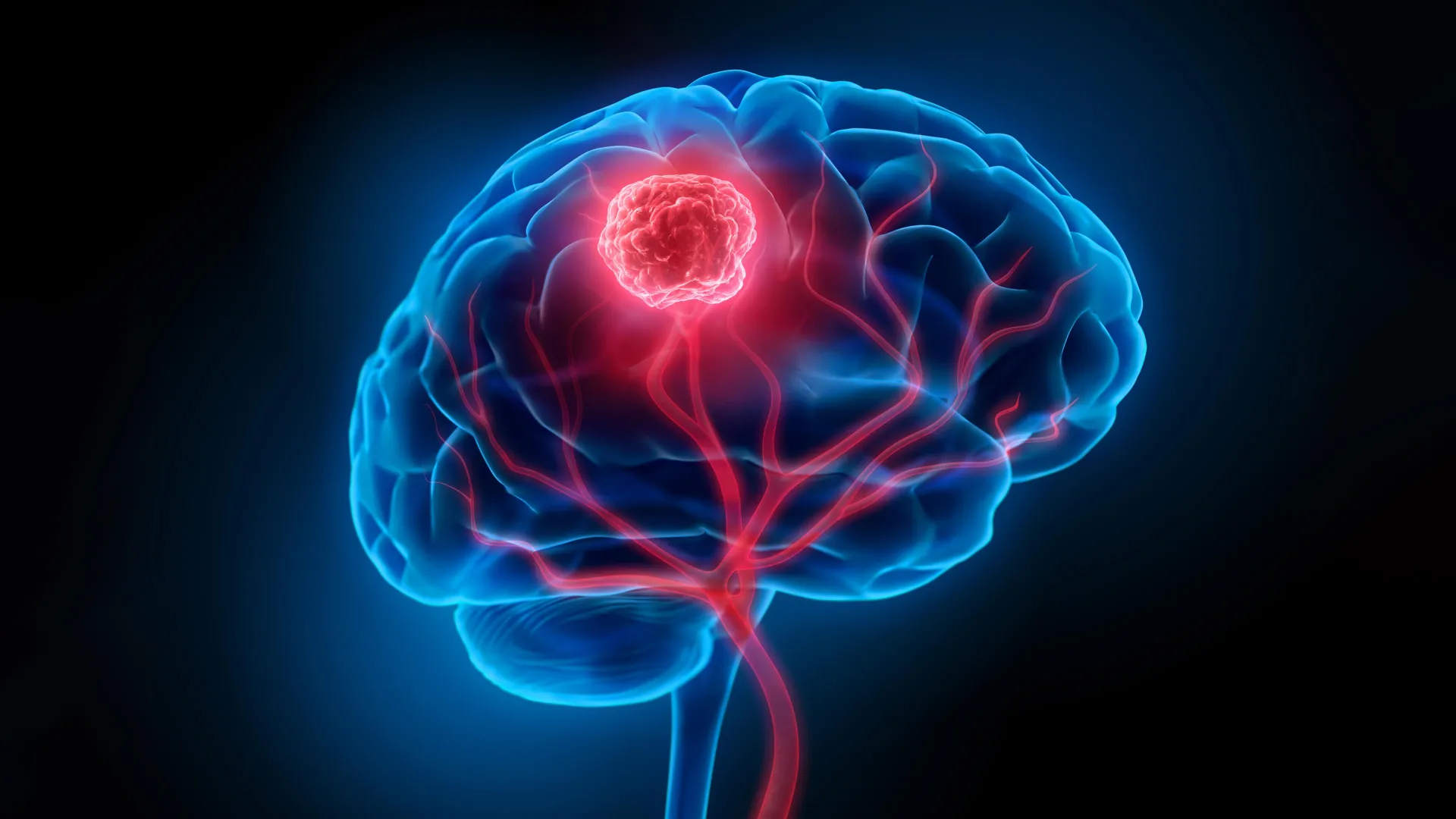
In a landmark discovery published in the journal Neuron, a collaborative team of scientists from McMaster University and The Hospital for Sick Children (SickKids) has unveiled a critical vulnerability in the progression of glioblastoma, the most aggressive and lethal form of primary brain cancer. The study provides a transformative understanding of the tumor microenvironment, demonstrating that glioblastoma is not merely an isolated mass of malignant cells but a complex, interconnected ecosystem that hijacks healthy brain cells to facilitate its own growth. By identifying a specific communication pathway between cancerous cells and neighboring oligodendrocytes, the researchers have pointed to the existing HIV medication Maraviroc as a potential therapeutic intervention, offering a glimmer of hope for a disease that has long remained incurable.
The Paradigm Shift: From Tumor Mass to Cellular Ecosystem
For decades, oncology research focused primarily on the internal mutations and proliferative capacity of cancer cells themselves. However, the work led by Dr. Sheila Singh at McMaster University and Dr. Jason Moffat at SickKids suggests that the key to halting glioblastoma may lie in disrupting the external support systems the tumor recruits. Glioblastoma Multiforme (GBM) is notorious for its ability to infiltrate healthy brain tissue, making complete surgical resection nearly impossible and leading to a recurrence rate of virtually 100 percent.
The research team discovered that oligodendrocytes—cells that are traditionally responsible for producing myelin to insulate and protect nerve fibers—undergo a behavioral shift in the presence of a tumor. Instead of maintaining their protective role, these cells are essentially "co-opted" by the glioblastoma. They begin to send specialized signals that strengthen the tumor cells, enhancing their resilience and ability to spread throughout the brain. Dr. Sheila Singh, co-senior author and professor of surgery at McMaster University, emphasizes that decoding this cellular dialogue is essential for developing next-generation treatments. By viewing the tumor as an ecosystem rather than a singular entity, the researchers identified that the communication between these diverse cell types represents a significant biological weakness that can be exploited.
The Role of Oligodendrocytes in Malignant Progression
The study’s findings center on the interaction between the malignant cells and the surrounding glial cells. Oligodendrocytes are a type of macroglia that support the central nervous system by creating the myelin sheath. Under normal conditions, they are vital for the rapid transmission of electrical impulses. However, the McMaster-SickKids study revealed that in the context of glioblastoma, these cells become part of the tumor’s "life-support" network.
Through advanced laboratory models, including patient-derived organoids and mouse models, the researchers observed that oligodendrocytes secrete specific ligands that bind to receptors on the surface of glioblastoma cells. This interaction triggers a signaling cascade that promotes tumor cell survival and protects the cancer from the brain’s natural immune responses. When the scientists experimentally blocked this communication in the lab, they observed a significant and measurable drop in tumor growth. This discovery marks the first time that the specific role of oligodendrocytes as active facilitators of glioblastoma growth has been so clearly defined, shifting the focus of potential treatments toward the tumor microenvironment.
Maraviroc: Repurposing an HIV Drug for Oncology
The most immediate clinical implication of the study is the identification of the CCR5 receptor as a primary mediator in this harmful cellular communication. The CCR5 receptor is a protein found on the surface of white blood cells and certain brain cells, and it is famously known as the "doorway" that the Human Immunodeficiency Virus (HIV) uses to enter and infect cells.
Because the CCR5 receptor is a well-studied target in the context of virology, a drug already exists to block it: Maraviroc. Approved by the FDA in 2007, Maraviroc is an entry inhibitor used to treat HIV-infected patients. The Canadian research team found that by using Maraviroc to block the CCR5 receptor on glioblastoma cells, they could effectively "mute" the signals coming from the oligodendrocytes.
The advantage of drug repurposing—using an existing medication for a new indication—cannot be overstated in the field of brain cancer research. Developing a new drug from scratch can take over a decade and cost billions of dollars. Maraviroc, however, has an established safety profile and is known to cross the blood-brain barrier to some extent, making it a prime candidate for rapid transition into clinical trials for glioblastoma patients.
Chronology of the Discovery and Research Synergy
This breakthrough is the result of years of integrated research between two of Canada’s leading medical institutions. The foundation for this study was laid in 2024, when Singh and Moffat published research in Nature Medicine. That earlier work demonstrated how glioblastoma cells exploit developmental pathways—the same biological "roads" used during fetal brain development—to migrate and invade healthy tissue.
The current study in Neuron represents a significant leap forward by identifying the specific external "engine" driving those pathways. The research was spearheaded by co-first authors Kui Zhai, a research associate in the Singh Lab at McMaster, and Nick Mikolajewicz, a postdoctoral fellow in the Moffat Lab at SickKids. Their work combined high-throughput genetic screening with sophisticated imaging and single-cell sequencing to map the interactions within the tumor ecosystem.
The timeline of this research reflects a growing trend in Canadian biotechnology: the use of "functional genomics" to identify how different genes and cells interact in real-time. By building on their 2024 findings, the team moved from identifying where the cancer goes to understanding who is helping it get there and how to stop the conversation.
Statistical Context: The Urgent Need for New Therapies
The urgency of this research is underscored by the sobering statistics surrounding glioblastoma. It is the most common primary malignant brain tumor in adults, yet the standard of care has remained largely unchanged for nearly two decades. The current "Stupp Protocol," which involves maximal surgical resection followed by radiotherapy and the chemotherapy drug temozolomide, offers a median survival of only 12 to 18 months.
Fewer than 5% of patients survive more than five years after diagnosis. Furthermore, because the brain is an immunologically privileged site and protected by the blood-brain barrier, many traditional systemic chemotherapies are ineffective. The identification of a specific signaling pathway like CCR5 provides a much-needed target for precision medicine, where treatments can be tailored to disrupt the specific biological mechanisms of an individual’s tumor.
Official Responses and Expert Analysis
The scientific community has responded to these findings with cautious optimism. Dr. Jason Moffat, co-senior author and head of the Genetics & Genome Biology program at SickKids, noted that the dynamic nature of the cellular ecosystem within the brain was more complex than previously understood. "In uncovering an important piece of the cancer’s biology, we also identified a potential therapeutic target that could be addressed with an existing drug," Moffat stated. He emphasized that this finding provides a clear path forward for exploring whether blocking this pathway can accelerate the development of new treatment options.
Outside observers in the field of neuro-oncology have noted that this research aligns with a broader shift toward "combination therapy." It is unlikely that any single drug will cure glioblastoma; however, by combining Maraviroc with traditional radiation and chemotherapy, doctors may be able to weaken the tumor’s defenses, making it more susceptible to standard treatments.
The research was supported by prestigious grants, including the 2020 William Donald Nash Brain Tumour Research Fellowship and funding from the Canadian Institutes for Health Research (CIHR). These endorsements reflect the high level of confidence the Canadian medical establishment has in the Singh and Moffat labs.
Broader Impact and Future Implications
The implications of this study extend beyond glioblastoma. The concept of "pro-tumorigenic" healthy cells—where normal cells are recruited to assist in malignancy—is a phenomenon increasingly observed in other hard-to-treat cancers, such as pancreatic and metastatic lung cancer. The McMaster-SickKids study provides a blueprint for how researchers can map these interactions and identify existing drugs to disrupt them.
For patients and their families, the research offers a tangible reason for hope. While the study was conducted in laboratory and animal models, the fact that the target drug is already on the market significantly shortens the distance between the laboratory bench and the patient’s bedside. The next step for the research team will likely involve Phase I or Phase II clinical trials to determine the efficacy and optimal dosing of Maraviroc in human glioblastoma patients.
Furthermore, this discovery highlights the importance of interdisciplinary collaboration. By combining the Singh Lab’s expertise in human cancer stem cell biology with the Moffat Lab’s prowess in genetics and genome biology, the team was able to solve a piece of the glioblastoma puzzle that had eluded researchers for years.
In summary, the identification of oligodendrocytes as "unwitting accomplices" to glioblastoma and the subsequent discovery of Maraviroc’s potential role in blocking this partnership represents a major milestone in Canadian oncology. It shifts the therapeutic focus toward the tumor’s support network and opens a new frontier in the fight against one of the most devastating forms of cancer known to medicine. As the scientific community moves toward clinical validation, the work of McMaster and SickKids stands as a testament to the power of decoding the complex biological languages that govern life and disease.