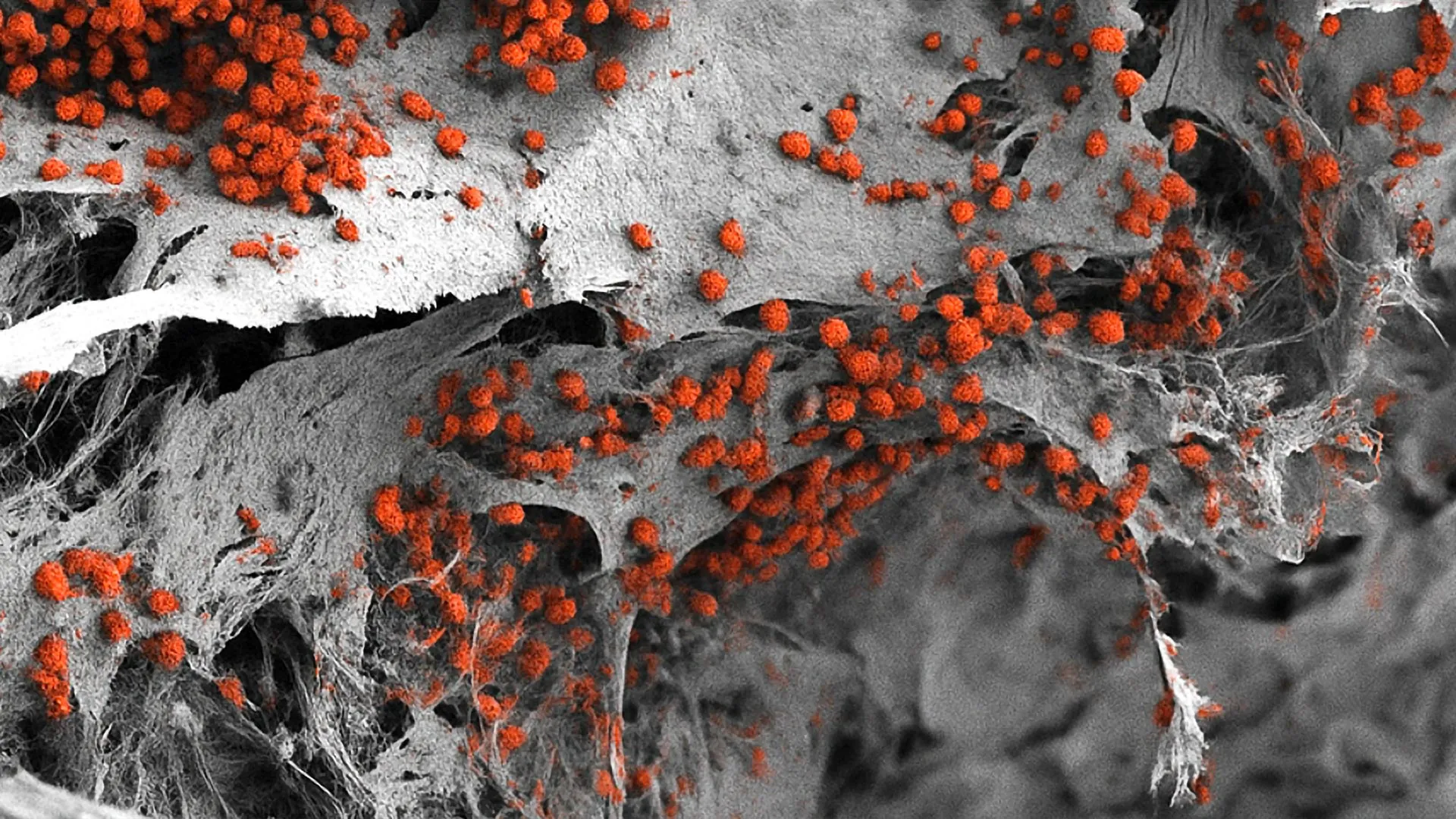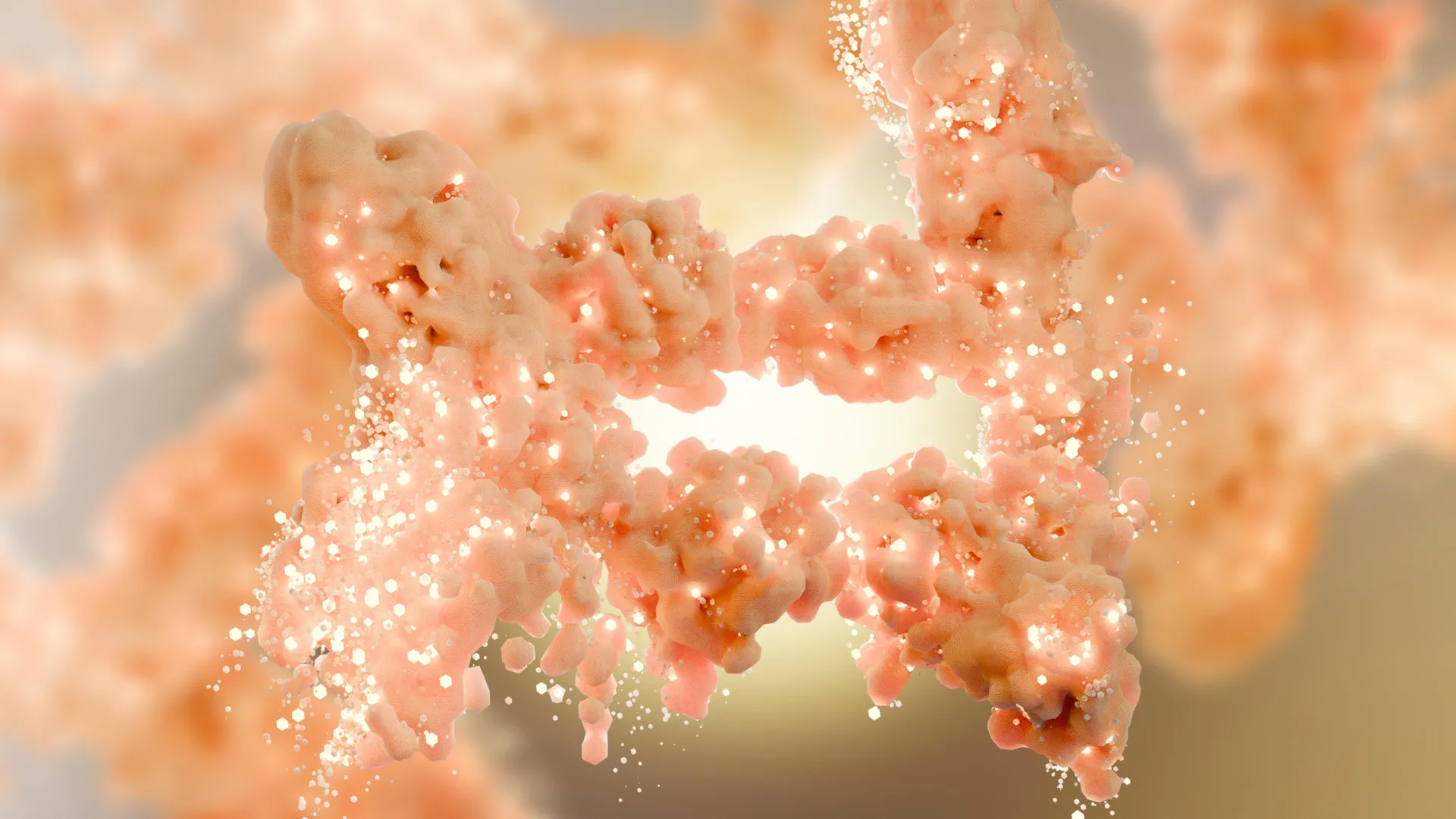
The sugar glucose, long characterized as the primary combustible fuel driving the engine of life, has been revealed to possess a second, more sophisticated role as a master regulator of tissue differentiation. In a landmark study conducted by researchers at Stanford Medicine, it was discovered that glucose directly governs the process by which stem cells transform into the specialized cells that constitute the body’s various tissues. This fundamental shift in understanding suggests that glucose does not merely provide the energy required for cellular processes but acts as a primary signaling molecule that dictates the very identity and maturation of cells.
The research, published in the journal Cell Stem Cell, demonstrates that glucose influences gene expression not through its breakdown (catabolism) to release energy, but in its intact chemical form. By binding directly to specific proteins, glucose alters their function, effectively acting as a switch that determines which genes are activated or silenced. This "undercover double life" of one of biology’s most common molecules was so unexpected that the research team spent years conducting exhaustive follow-up experiments to verify the mechanism before bringing their findings to the public.
The Paradigm Shift in Cellular Metabolism
For decades, the scientific consensus regarding glucose has focused on its role in glycolysis and the citric acid cycle—the metabolic pathways that convert sugar into adenosine triphosphate (ATP), the universal energy currency of the cell. In this traditional view, glucose is a passive resource, consumed by the cell to power growth and maintenance. However, the Stanford study, led by senior author Paul Khavari, MD, PhD, chair of dermatology and the Carl J. Herzog Professor in Dermatology, challenges this metabolic-centric view.
"At first we just didn’t believe it," Khavari stated, reflecting on the initial data. "But the results of extensive follow-up experiments were clear: glucose interacts with hundreds of proteins throughout the cell and modulates their function to promote differentiation."
The implications of this discovery are profound, touching upon the fundamental biology of how a single fertilized egg becomes a complex organism. It also offers new avenues for understanding diseases characterized by metabolic dysfunction, such as diabetes, and diseases of failed differentiation, such as cancer.
A Serendipitous Discovery in Skin Stem Cells
The journey toward this discovery began not with a focus on glucose, but with a broader inquiry into the molecular drivers of human skin development. Vanessa Lopez-Pajares, PhD, a research scientist and the study’s lead author, alongside Khavari, sought to identify which molecules fluctuate in abundance as human skin stem cells mature into keratinocytes. Keratinocytes are the primary cell type found in the epidermis, the body’s outermost protective layer.
Using a sophisticated combination of mass spectrometry and high-throughput screening, the researchers monitored thousands of biomolecules. They hypothesized that molecules showing a significant increase in concentration during the transition from stem cell to mature cell would likely be the key drivers of differentiation.
Upon analyzing the data, the team identified 193 "suspect" molecules. While many of these were known proteins and signaling factors previously linked to cellular maturation, the second-most elevated molecule on the list was glucose. This finding was counterintuitive based on existing biological dogma.
"When we saw glucose at the top of that list, we were stunned," Khavari said. "We had expected glucose levels to decrease during differentiation because the cells begin to divide less rapidly, and their energy requirements are less. They are on the path to senescence and death. Yet glucose levels in the cells increase significantly as they move from epidermal stem cells to differentiated keratinocytes."
Experimental Verification and the Use of Analogs
To confirm this unexpected spike in intracellular glucose, the researchers employed a series of rigorous verification methods. They utilized fluorescent and radioactive glucose analogs, which allow scientists to track the movement and concentration of sugar within living tissue. They also deployed biological sensors within the cells that emit light—glowing green or red—in the presence of specific concentrations of glucose.
As the stem cells began their journey toward becoming mature skin cells, the intensity of the light from these sensors increased, proving that glucose was accumulating within the cells. This pattern was not unique to skin; the researchers observed similar trends in fat cells, bone cells, and white blood cells. This suggested that the role of glucose as a differentiation signal is a "global" phenomenon across various human tissues.
Further investigation revealed that the rise in glucose was caused by a two-pronged mechanism: the cells increased their import of glucose from the surrounding environment while simultaneously decreasing the export of glucose back out of the cell. Most importantly, the researchers confirmed that this accumulation was not accompanied by a proportional increase in metabolic byproducts, indicating that the extra glucose was not being burned for fuel.
To definitively decouple glucose’s role as an energy source from its role as a signaling molecule, the team conducted experiments using a specific glucose analog that cells cannot metabolize. When human skin organoids—lab-grown tissues that mimic the structure of real skin—were deprived of glucose, they failed to differentiate properly. However, when the non-metabolizable glucose analog was introduced, the differentiation process resumed. This proved that the physical presence of the glucose molecule itself, rather than the energy derived from it, was the catalyst for cellular maturation.
The "Fire Alarm" Mechanism: Glucose and the IRF6 Protein
The molecular "how" of this process lies in the way glucose interacts with cellular machinery. The Stanford team discovered that as glucose levels rise, the sugar binds to a wide array of proteins. One of the most critical interactions identified was with a protein called IRF6 (Interferon Regulatory Factor 6).
IRF6 is a known transcription factor—a protein that controls the rate of transcription of genetic information from DNA to messenger RNA. It is essential for the proper development of skin and other tissues. The researchers found that when glucose binds to IRF6, it induces a conformational change—a physical reshaping of the protein. This change in shape allows IRF6 to more effectively activate the genes required for differentiation.
Khavari described this as a "broadcast signal," distinguishing it from the highly targeted, "lock-and-key" signaling pathways usually studied in cell biology. "When glucose levels rise in a cell, they rise everywhere, all at once," Khavari explained. "It’s like a fire alarm going off in a firehouse. Everyone in the firehouse activates in response."
This systemic surge of glucose ensures that thousands of genes—over 3,000 according to the study’s data—are coordinated simultaneously to shift the cell from a state of self-renewal (stemness) to a state of specialized function.
Clinical Implications: Diabetes, Wound Healing, and Cancer
The revelation that glucose is a signaling molecule provides a new lens through which to view chronic health conditions. In patients with diabetes, blood glucose levels are chronically elevated. This study suggests that such elevations might interfere with the delicate signaling balance required for tissue maintenance and repair.
For instance, diabetic patients often suffer from impaired wound healing. If glucose is a master regulator of differentiation, then abnormally high levels of the sugar might "exhaust" the signaling pathways or force cells into premature differentiation, preventing the stem cell population from properly regenerating damaged tissue.
Furthermore, the discovery has significant implications for oncology. Cancer is often described as a disease of "failed differentiation," where cells remain in a primitive, rapidly dividing state and refuse to mature into functional tissue. Many cancers also exhibit the "Warburg Effect," where they consume massive amounts of glucose.
Historically, it was believed that cancer cells consume glucose primarily to fuel their rapid growth. However, the Stanford findings suggest that cancer cells might be manipulating glucose levels to bypass the natural differentiation signals that would otherwise stop their proliferation. Interestingly, some glucose analogs are already being tested in clinical trials as anticancer agents. While they were originally designed to "starve" tumors, these new findings suggest they may actually work by tricking cancer cells into differentiating, thereby halting their uncontrolled division.
A New Frontier in Metabolomics
The Stanford study marks the beginning of a new chapter in the field of metabolomics—the study of small-molecule metabolites. For years, molecules like glucose, amino acids, and lipids were viewed as the "building blocks" or "fuel" for the cell’s more complex proteins and nucleic acids. This research elevates these small molecules to the status of active regulators.
The scientific community is now looking toward other common metabolites to see if they, too, possess "undercover" signaling roles. The discovery that the genome responds directly to the concentration of a simple sugar suggests that the interaction between diet, metabolism, and gene expression is far more direct than previously imagined.
"This finding is a springboard for research on dysregulation of glucose levels, which affects hundreds of millions of people," Khavari noted. "It’s also likely to be important in cancer development. People have thought that small biomolecules like glucose were quite passive in the cell. This is another piece of evidence to pay close attention to other roles these molecules might play."
The study, supported by the National Institutes of Health and the U.S. Department of Veterans Affairs, provides a robust foundation for future therapies. By understanding the specific protein-glucose interactions, such as the binding to IRF6, researchers may be able to develop drugs that mimic these effects, offering new ways to treat regenerative disorders and aggressive malignancies without the need for systemic metabolic changes.
As researchers continue to map the "broadcast signals" of the cell, the traditional boundaries between metabolism and genetics continue to blur, revealing a biological system that is more integrated, responsive, and elegant than once thought.