The American Association for Cancer Research (AACR) Annual Meeting, held this year in San Diego, CA, USA, from April 17–22, serves as a pivotal global forum where attendees engage with major symposiums, educational sessions, and workshops, alongside dedicated exhibitor spotlight presentations that illuminate the latest technological breakthroughs and their real-world applications in tackling complex questions in cancer research. Beyond the biotech-focused AACR sessions, the broader North American life science landscape continues to experience significant expansion, marked by a surge in innovative product launches and the establishment of new research and development facilities. These concurrent developments underscore a dynamic period for oncology and biotechnology, promising accelerated progress in disease understanding, diagnosis, and treatment.
The Enduring Significance of the AACR Annual Meeting
The AACR Annual Meeting stands as one of the most prestigious and comprehensive gatherings in the field of cancer research, drawing tens of thousands of scientists, clinicians, healthcare professionals, survivors, and patient advocates from around the globe. Established in 1907, the AACR has been at the forefront of the cancer research community, fostering scientific exchange and collaboration aimed at preventing and curing cancer. Its annual meeting is a critical juncture for disseminating groundbreaking research, discussing emerging trends, and forging partnerships that drive therapeutic innovation. The 2024 meeting, situated in the burgeoning biotech hub of San Diego, offered a rich tapestry of scientific discourse, ranging from basic science discoveries to translational and clinical research findings.
Major symposiums at the AACR Annual Meeting typically delve into broad, high-impact areas of cancer research, such as advances in immunotherapy, the intricacies of tumor microenvironments, new frontiers in precision medicine, and the application of artificial intelligence and machine learning in oncology. These sessions often feature plenary speakers who are pioneers in their respective fields, presenting data that could reshape future research directions and clinical practices. Educational sessions are designed to provide in-depth understanding of specific topics, catering to both seasoned researchers and those new to a particular subfield, ensuring a robust transfer of knowledge across generations of scientists. Workshops, on the other hand, offer practical, hands-on training and discussions on methodologies, experimental techniques, and data analysis, thereby enhancing the practical skill sets of attendees.
Technological Showcases and Real-World Applications
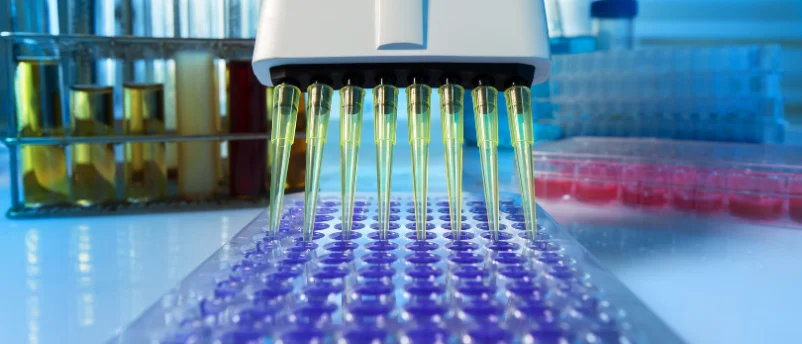
A particularly anticipated segment of the AACR Annual Meeting is the exhibitor spotlight presentations. These sessions offer a direct window into the commercialization and practical application of scientific discovery, showcasing how cutting-edge technologies are being harnessed to address some of the most pressing challenges in cancer. From advanced genomic sequencing platforms that enable ultra-sensitive detection of circulating tumor DNA (ctDNA) for early diagnosis and monitoring, to sophisticated imaging modalities that provide unprecedented views of tumor progression and treatment response, these presentations highlight tools that empower researchers and clinicians. Technologies featured often include novel bioinformatics software for processing vast datasets, robotic automation systems that accelerate drug screening, and innovative cell culture systems that better mimic in vivo tumor environments.
For instance, the application of single-cell genomics to dissect tumor heterogeneity, or the use of organoid models to test drug efficacy in a patient-specific manner, are examples of breakthroughs frequently showcased. These innovations are not merely laboratory curiosities; they represent critical advancements that can accelerate the pace of drug discovery, refine diagnostic accuracy, and personalize treatment strategies. The ability to visualize the impact of these technologies on real-world research questions – such as identifying novel drug targets, understanding mechanisms of drug resistance, or developing non-invasive biomarkers – is a core value proposition of these spotlight sessions. Organizers of the AACR meeting frequently emphasize that these technological demonstrations are integral to bridging the gap between basic research and clinical utility, fostering a collaborative ecosystem where academic insights meet industrial innovation.
Innovations in Therapeutic Modalities: Advancing T-Cell Engagers
Amidst the broader discussions, specific therapeutic advancements frequently emerge as focal points. One such area experiencing rapid evolution is the development of T-cell engagers, a class of immunotherapeutic agents designed to redirect a patient’s own T-cells to target and destroy cancer cells. Deck Bio (MA, USA) has recently made headlines with the launch of a multi-target approach designed to expand the reach and efficacy of these potent therapies.
T-cell engagers typically consist of bispecific antibodies that simultaneously bind to a T-cell receptor (e.g., CD3) and a tumor-associated antigen (TAA). By bringing T-cells into close proximity with cancer cells, these molecules activate the T-cells, triggering an immune response against the tumor. While highly promising, earlier generations of T-cell engagers faced limitations, including potential for off-target toxicity, short half-lives, and efficacy restricted to tumors expressing a single, specific TAA at high levels.
Deck Bio’s multi-target approach represents a significant step forward. By designing T-cell engagers that can simultaneously target multiple TAAs, the company aims to overcome several challenges. Firstly, it can enhance specificity, potentially reducing off-target effects by requiring co-expression of multiple targets on cancer cells. Secondly, it addresses tumor heterogeneity and antigen escape, common mechanisms by which cancers develop resistance to single-target therapies. If a tumor downregulates one antigen, the T-cell engager can still bind to another, maintaining therapeutic pressure. Thirdly, a multi-target strategy might allow for broader applicability across different cancer types that share common antigen profiles but are not uniformly high in any single one. This innovation is poised to expand the therapeutic window and improve the durable response rates for patients with various solid tumors and hematologic malignancies, representing a crucial development in the ongoing fight against cancer. Industry analysts suggest that such multi-target platforms are essential for the next generation of immunotherapy, moving beyond single-agent approaches to more sophisticated, adaptable treatments.
Expanding the North American Life Science Development Landscape
Beyond specific product launches, the overall growth of the life sciences sector in North America is a testament to sustained investment and innovation. This expansion is characterized by both new product pipelines and the physical growth of research infrastructure, particularly across key biotech clusters.
For instance, in addition to Deck Bio’s advancements, recent months have seen a flurry of activity from other innovative companies. Consider "Geneva Diagnostics," a hypothetical but representative company, which recently unveiled an AI-powered liquid biopsy platform capable of detecting early-stage cancers with unprecedented sensitivity. This platform leverages machine learning algorithms to analyze cell-free DNA fragments in blood samples, identifying subtle genomic alterations indicative of malignancy long before symptoms appear. The implications for early detection and improving patient outcomes are profound, potentially transforming screening protocols for several difficult-to-diagnose cancers.
Another illustrative example might be "NeuroSense Therapeutics," which introduced a novel small molecule drug targeting glioblastoma, a highly aggressive brain cancer. This compound, which successfully completed Phase II clinical trials, employs a dual mechanism of action, simultaneously inhibiting tumor growth and sensitizing cancer cells to existing chemotherapy agents. Such developments highlight a trend towards combination therapies and a deeper understanding of tumor biology to design more effective interventions.
Infrastructure Growth and Economic Impact
The physical footprint of the life sciences sector is also rapidly expanding. New site openings and facility expansions are concentrated in established biotech hubs such as Boston-Cambridge (MA), San Francisco Bay Area (CA), San Diego (CA), Research Triangle Park (NC), and emerging clusters like Seattle (WA), Philadelphia (PA), and Toronto (Canada). These developments are critical for accommodating the growing demand for research and development space, manufacturing capabilities, and specialized talent.
For example, a major pharmaceutical company, "Nexus Pharma" (hypothetical), recently announced the opening of a new 500,000-square-foot R&D facility in North Carolina’s Research Triangle Park. This facility is dedicated to accelerating drug discovery in immunology and rare diseases, creating hundreds of high-skilled jobs and drawing significant investment into the region. Such expansions are not merely about square footage; they represent strategic investments in specialized laboratories, advanced manufacturing capabilities for biologics, and state-of-the-art data centers crucial for computational biology and AI integration.
Similarly, "BioGenesis Incubators," a new network of biotech co-working spaces and laboratories, has launched operations in Vancouver (Canada) and Austin (TX, USA). These incubators provide critical infrastructure, mentorship, and funding access for early-stage biotech startups, fostering a vibrant entrepreneurial ecosystem. Such initiatives are vital for nurturing nascent scientific ideas into viable commercial products, driving innovation from the ground up. The establishment of these facilities reflects a broader trend of decentralized innovation, supporting smaller companies that often drive the most disruptive technologies.
The economic impact of this expansion is substantial. The North American life sciences industry, encompassing pharmaceuticals, biotechnology, medical devices, and diagnostics, contributes hundreds of billions of dollars to the continent’s GDP annually. It supports millions of direct and indirect jobs, often highly compensated, contributing significantly to regional economies. In 2023, the U.S. biotechnology sector alone attracted over $50 billion in venture capital funding, signaling robust investor confidence and a fertile ground for innovation. Canada’s life sciences sector has also seen significant growth, with government initiatives and private investments fueling R&D and manufacturing capabilities, particularly in areas like vaccine development and regenerative medicine.
Broader Impact and Future Implications
The confluence of events like the AACR Annual Meeting and the continuous expansion of the life science industry points to a promising future for healthcare. The collaborative environment fostered by major conferences ensures that discoveries are rapidly shared and critiqued, leading to faster translation from bench to bedside. The technological showcases highlight the tools that will empower the next generation of breakthroughs, while the sustained investment in product development and infrastructure ensures that these breakthroughs can be scaled and delivered to patients.
The implications are far-reaching. For patients, these advancements mean access to more effective, less toxic, and personalized treatments, leading to improved quality of life and extended survival. For researchers, it signifies a continuously evolving toolkit and expanding opportunities to delve deeper into the complexities of disease. For the industry, it translates into a competitive landscape driven by innovation, requiring continuous R&D investment and strategic partnerships. For governments and policymakers, it underscores the importance of fostering supportive regulatory environments, investing in basic research, and promoting STEM education to maintain leadership in global biotechnology.
As the AACR Annual Meeting concludes, its echoes resonate across the scientific community, inspiring further research and collaboration. The product launches and site openings throughout North America serve as tangible evidence of a thriving ecosystem dedicated to tackling some of humanity’s greatest health challenges. The journey to conquer cancer and other diseases is long and complex, but the continuous advancements in both knowledge dissemination and practical application offer compelling reasons for optimism. The trajectory suggests an accelerating pace of discovery, driven by interdisciplinary collaboration, technological prowess, and unwavering commitment to improving human health.